

Kathleen M. Kenyon Bücher
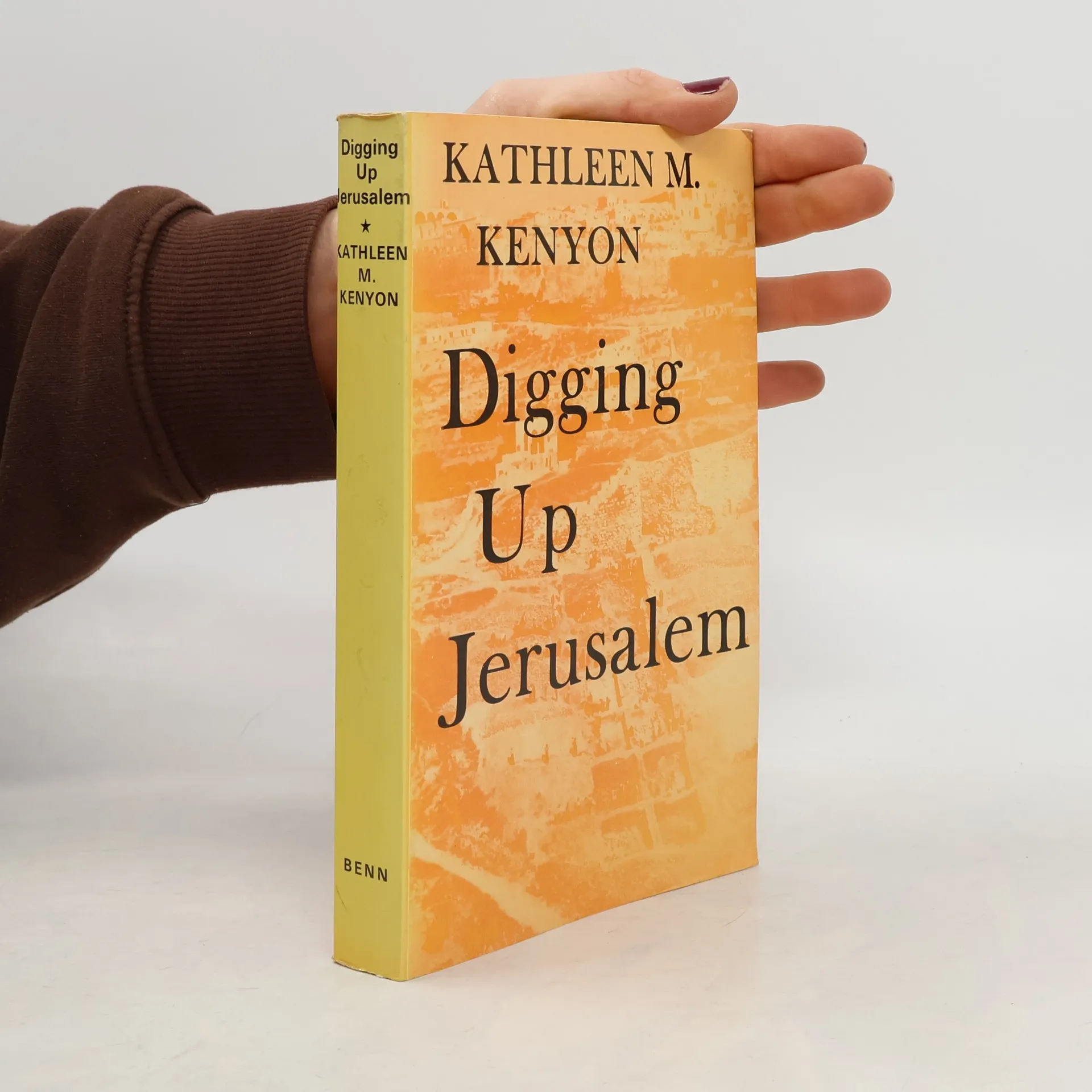
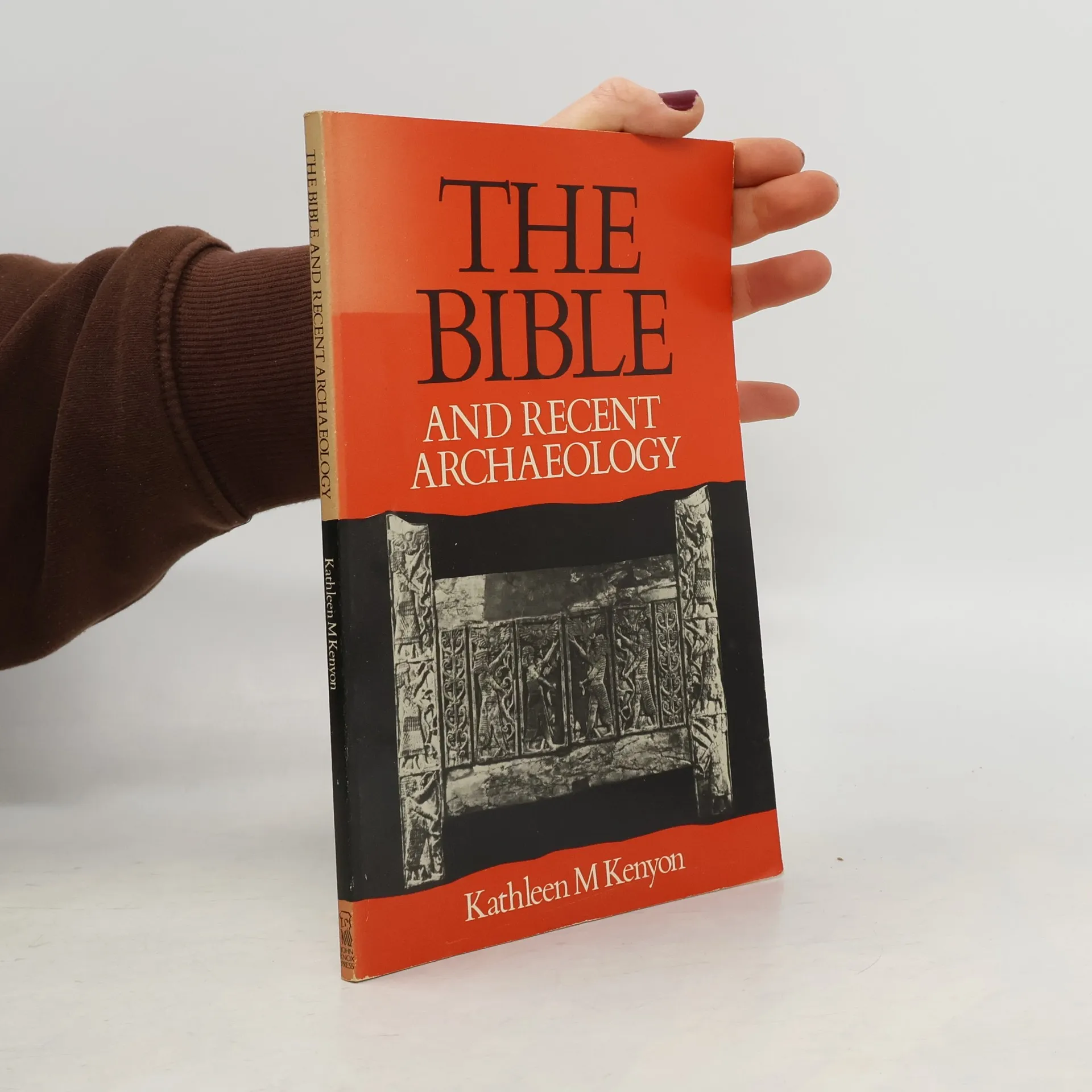
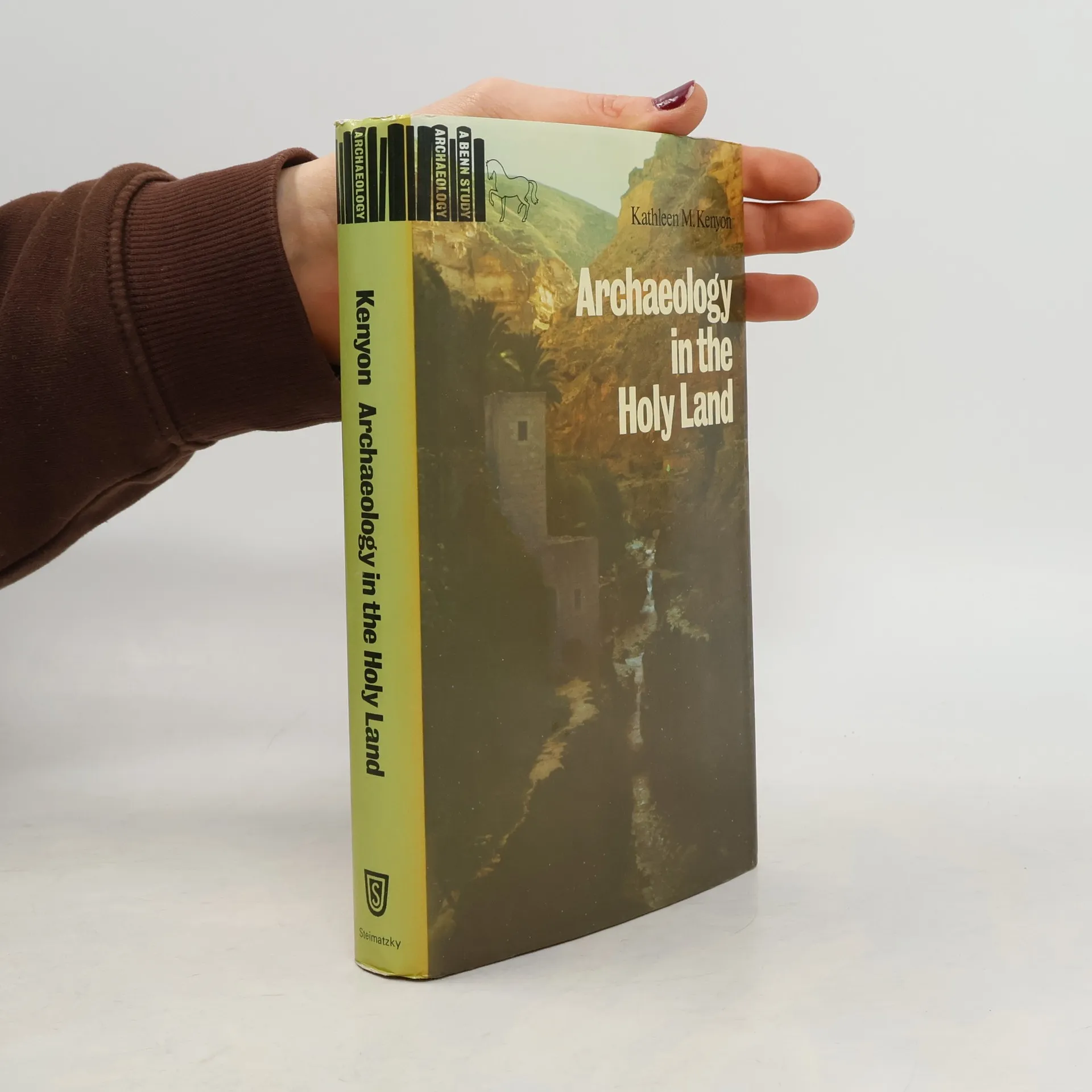
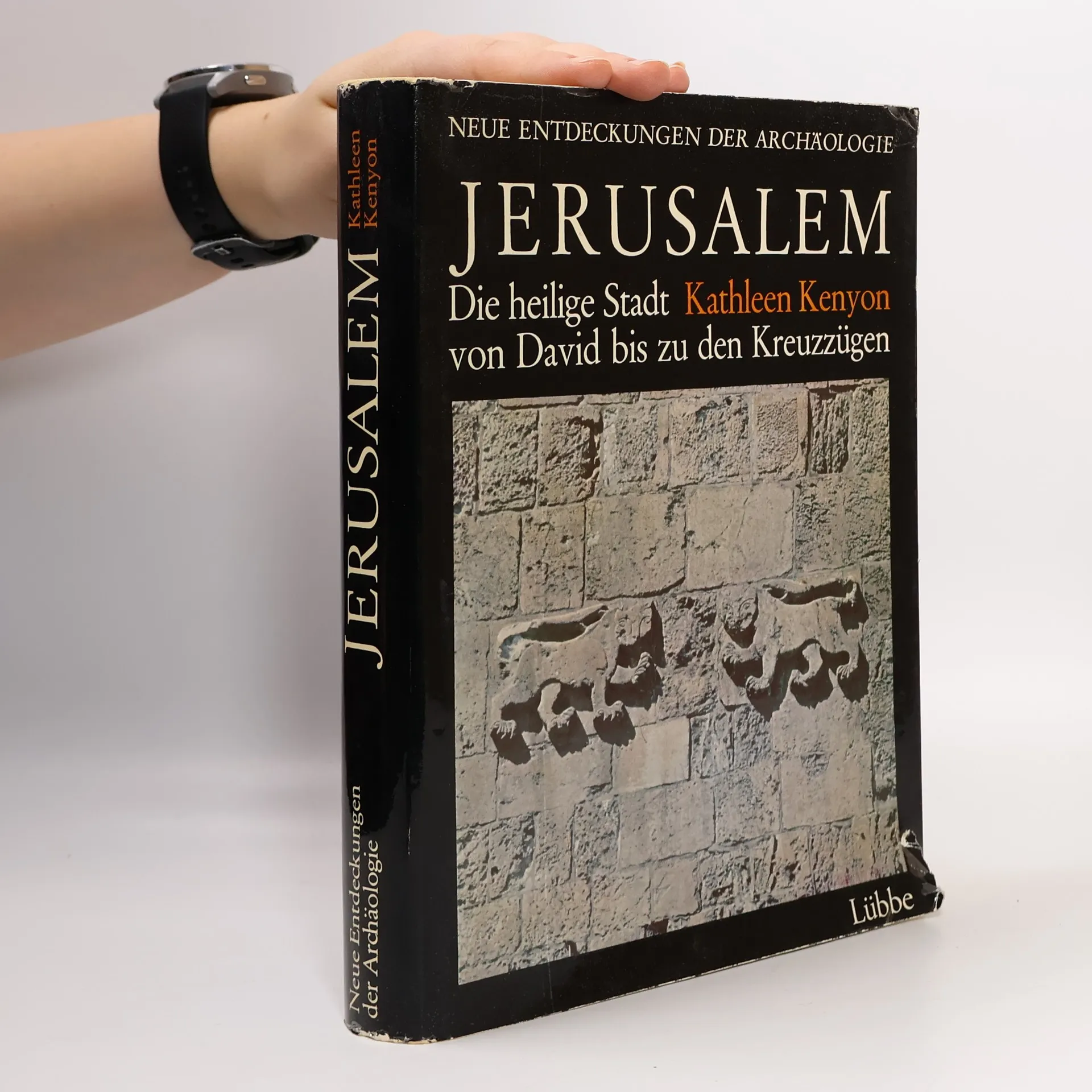
This classic book includes the most important archaeological discoveries regarding both the pre-biblical and biblical history of Palestine. The earliest archaeological finds in Palestine reveal man's presence as early as 9000 B.C., about 6000 years before early biblical history is established. This early phase of human activity was first defined by remarkable discoveries in the Mount Carmel caves and later elucidated by the author's own excavations at Jericho. This book traces the development of man from hunter and food-gatherer to the earliest agricultural settlements that grew into towns and city-states which were eventually incorporated into the Israelite Kingdom. It also discusses the post-Exilic period down to the early fourth century B.C. This book added considerable knowledge about early phases of Palestinian history, particularly due to the inclusion of Carbon-14 determinations and special study of animal and plant remains from Jericho. This is a detailed guide to archaeology in the Holy Land that remains fascinating and a great aid in understanding life in Palestine as revealed by archaeological evidence.
The Bible and Recent Archaeology
- 105 Seiten
- 4 Lesestunden
Surveys archaeological discoveries made in the Middle East since 1958 and describes what we know about life in the region during different periods of time.
Dame Kathleen begins by giving the historical background to the momentous excavations she directed during 1961-1967: the founding of the Palestine Exploration Fund in 1865 and the often horrifying difficulties faced by earlier explorers, notably Charles Warren and F.J. Bliss, amid apathy and obstruction. Their explorations by shafts and tunnels made notable discoveries about the topography of Jerusalem but could not provide dating evidence. Subsequent chapters describe the layout of Biblical Jerusalem and the problems that the excavations attempted to solve: the boundaries of David's City, for instance, and the authenticity of the site of the Church of the Holy Sepulcher. Key topics such as the Spring Gihon, the Pool of Siloam, and the rebuilding of the city walls are given special attention. The organization, methods, and personnel of the expedition, which carried out seven seasons, are illuminatingly detailed, and the results of subsequent digs are also included. The main section is devoted to a chronological description of the archaeological results of the expedition. Some light was shed on Jerusalem of the second and third millennia. The main discoveries, however, were made about Jerusalem from the time of David, through Solomonic and Herodian magnificence, down to the New Testament.