
The 14th edition of this influential textbook offers a comprehensive and practical approach to international business, making it suitable for both undergraduate and graduate courses. It emphasizes timely relevance and the application of concepts, ensuring that students gain a thorough understanding of the subject. The integrated progression of topics facilitates a cohesive learning experience, making it the leading choice in the field.
Charles Hill Reihenfolge der Bücher
Charles W. L. Hill ist ein britischer Akademiker, dessen Werk sich mit den Feinheiten des strategischen Managements und des internationalen Geschäfts befasst. Seine Schriften befassen sich mit den Kernprinzipien des Managements und der Organisation, mit dem Ziel, Unternehmen für den Erfolg auf dem globalen Markt zu rüsten. Hills Publikationen werden für ihre umfassende Natur und ihren praktischen Ansatz zur Bewältigung komplexer Geschäftsherausforderungen anerkannt.


- 2022
- 2021
Global Business Today ISE
- 640 Seiten
- 23 Lesestunden
The 12th edition emphasizes relevance, practicality, and integration in its approach to International Business education. It builds on the success of previous editions by incorporating cutting-edge research and current examples that illustrate global trends and enterprise strategies. This edition aims to enhance the logical flow of topics while discussing current events in relation to established theories, ensuring a comprehensive understanding for both undergraduate and graduate students.
- 2011
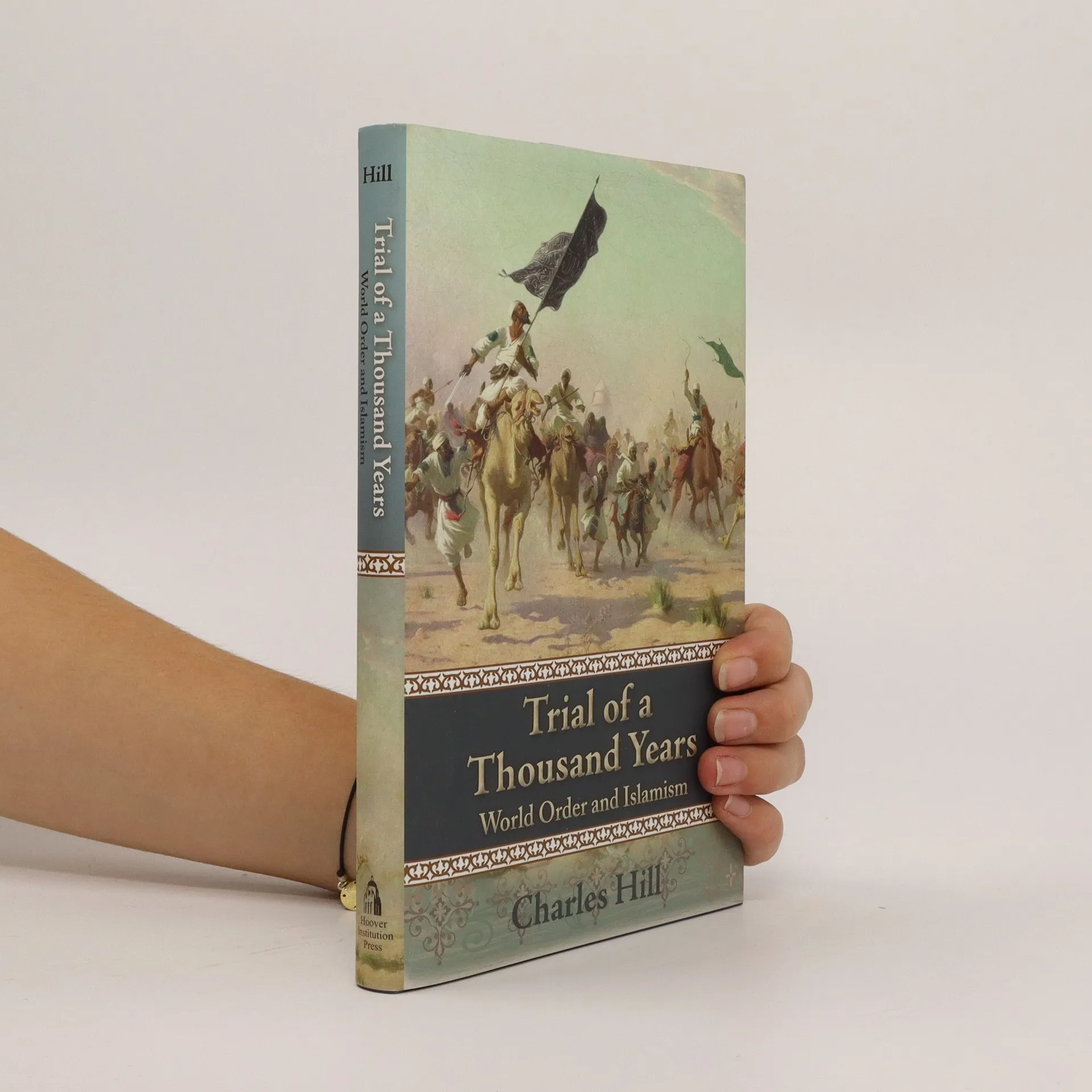
Trial of a Thousand Years: World Order and Islamism
- 183 Seiten
- 7 Lesestunden
For decades, the ideologues of pan-Islam have refused to accept the boundaries and the responsibilities of the order of states. In Trial of a Thousand Years, Charles Hill analyzes the long war of Islamism against the international state system. Hill places the Islamists in their proper historical place, showing that they are but the latest challenge to the requirements that states had placed on themselves since the international system was born in 1648. The author describes the many wars on world order over the modern centuries—the French Revolution and Napoleonic Wars, World Wars I and II, the cold war—and gives a unique historical perspective to the Islamic challenge of the twenty-first century in Iran, Afghanistan, and beyond. He concludes that America must not give up its values; neither should we retreat by declaring that we will practice them only at home or by telling ourselves that our values are no more worthy than any others selected at random from among the world's many cultures.