

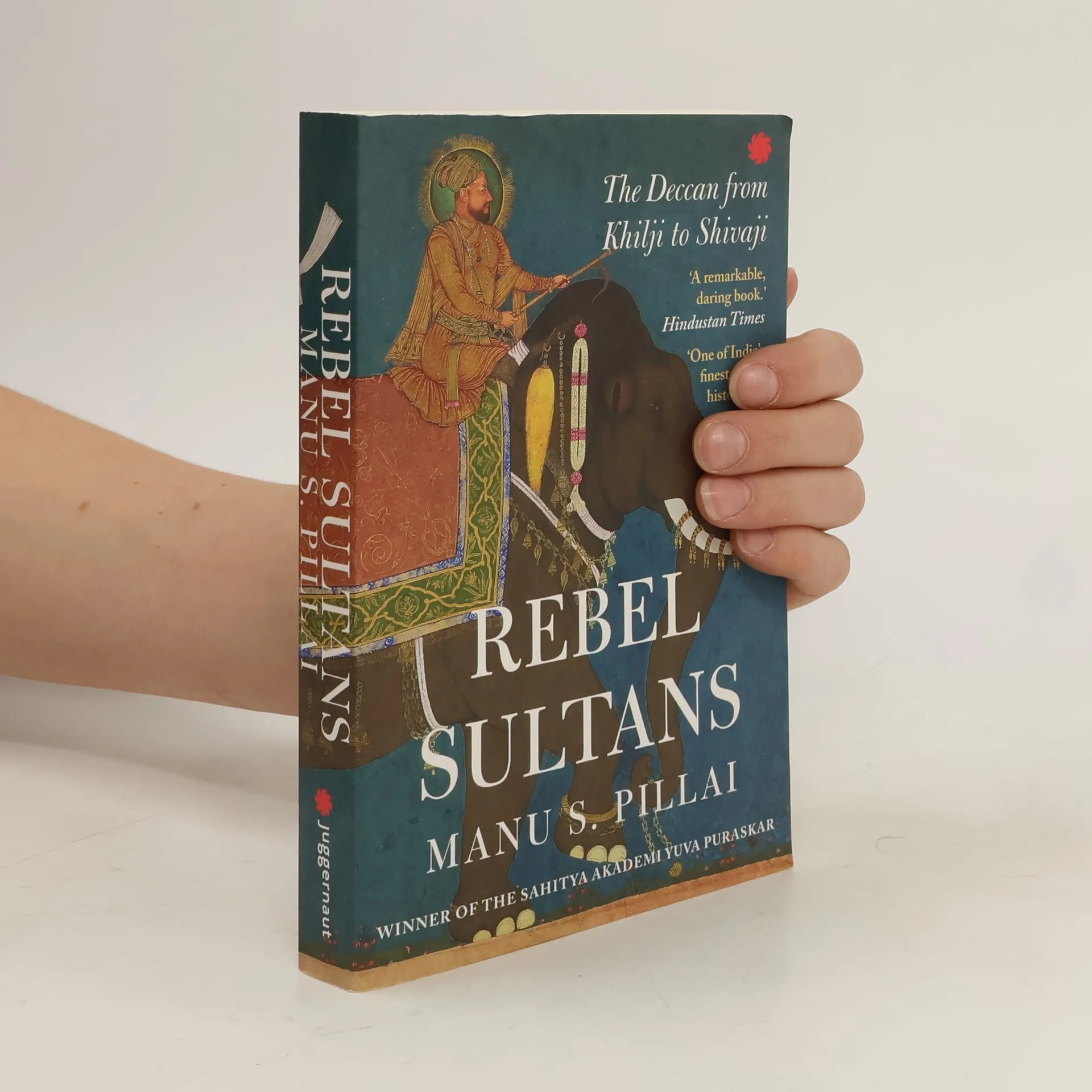
In Rebel Sultans, Manu S. Pillai narrates the story of the Deccan from the close of the thirteenth century to the dawn of the eighteenth. Packed with riveting tales and compelling characters, this book takes us from the age of Alauddin Khilji to the ascent of Shivaji. We witness the dramatic rise and fall of the Vijayanagar empire, even as we negotiate intrigues at the courts of the Bahmani kings and the Rebel Sultans who overthrew them. From Chand Bibi, a valorous queen stabbed to death, and Ibrahim II of Bijapur, a Muslim prince who venerated Hindu gods, to Malik Ambar, the Ethiopian warlord, and Krishnadeva Raya on Vijayanagar s Diamond Throne they all appear in these pages as we journey through one of the most arresting sweeps of Indian history.
Manu S. Pillai Bücher
Manu S. Pillai ist ein Historiker, dessen Werk sich mit den Feinheiten der indischen Geschichte befasst. Sein besonderes Interesse gilt den Kräften, die den religiösen Nationalismus und politische Bewegungen im Indien des 19. Jahrhunderts prägten. Pillais Forschung bietet eine differenzierte Auseinandersetzung damit, wie diese historischen Dynamiken zur Formierung der modernen indischen Gesellschaft beitrugen. Sein Ansatz liefert aufschlussreiche Analysen der komplexen Prozesse, die das heutige Indien weiterhin beeinflussen.
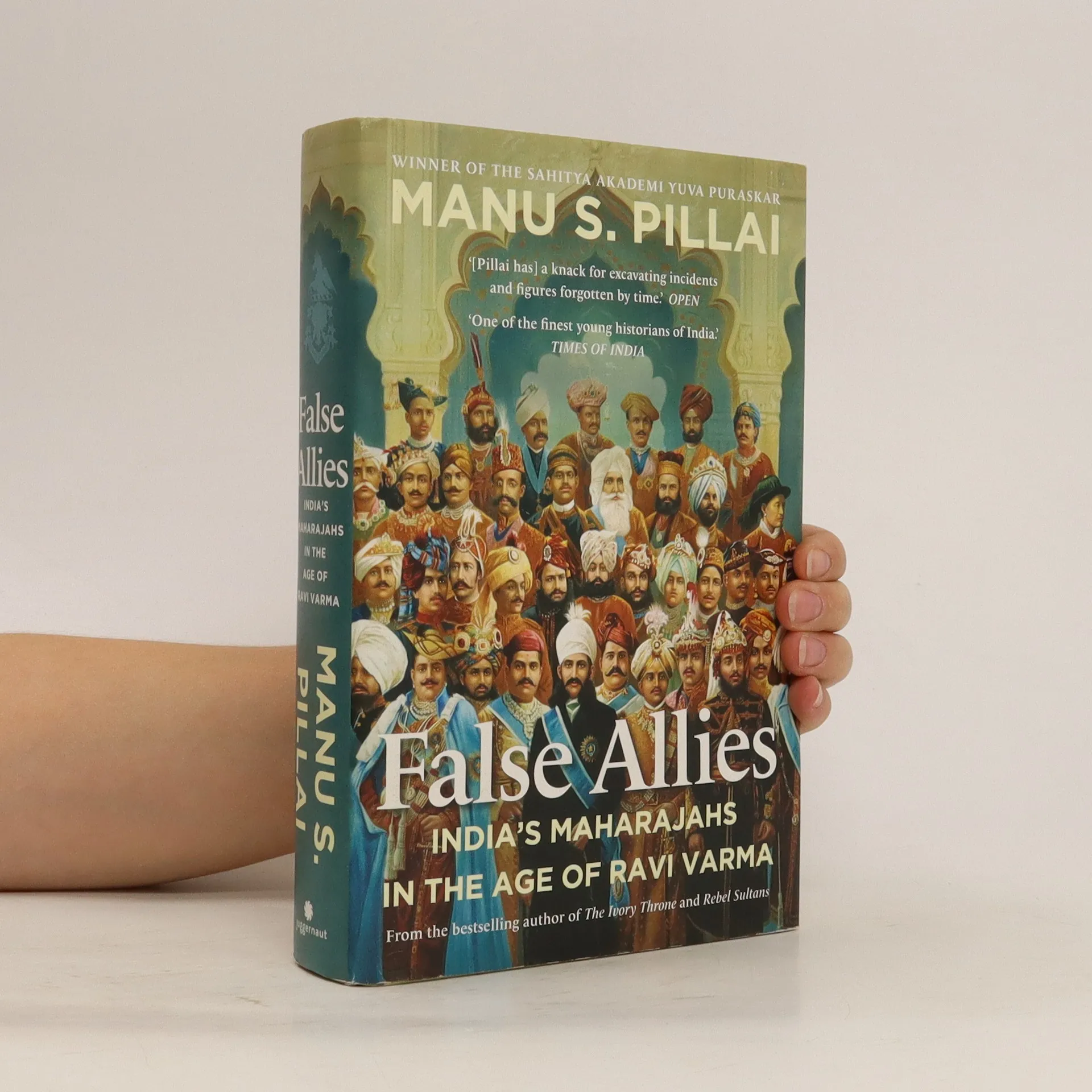
False Allies: India's Maharajahs in the Age of Ravi Varma
- 528 Seiten
- 19 Lesestunden
In this brilliantly researched book, Manu S. Pillai uncovers a picture of the Indian princes far removed from the existing cliches and reminds us that the maharajahs were serious political actors - essential to knowing modern India.
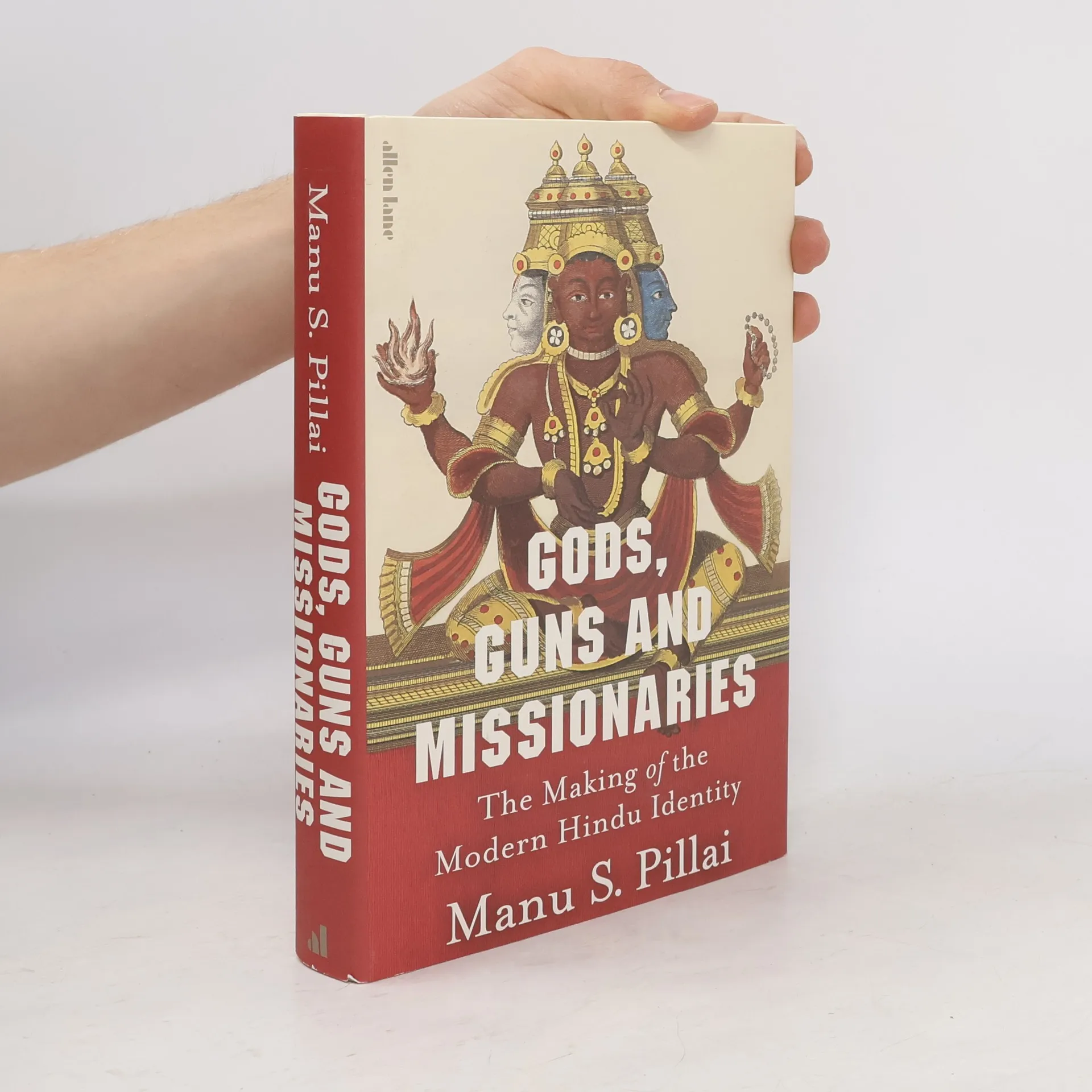
When European missionaries arrived in India in the sixteenth century, they encountered a complex world that confounded their understanding. They viewed Hinduism as paganism, filled with devils and monstrous practices, but soon realized that the reality was far more intricate than their stereotypes suggested. Despite this, Hindus showed little interest in conversion. As European power expanded, missionaries adopted a more imposing stance. During the British Raj, Western ideologies gained prominence, prompting Hindus to rethink their religion to defend it against Christian critiques and resist colonial rule. This encounter significantly shaped modern Hinduism, as Hindus began to utilize some of the missionaries' own methods, leading to the rise of Hindu nationalism, which remains influential today. In this exploration, Manu S. Pillai presents a rich tapestry of historical dynamics, featuring a diverse array of figures—maharajahs, poets, revolutionaries, and philosophers. The work serves as a political history, an examination of Hindu culture, and a study of the social forces that laid the groundwork for Hindu nationalism. It challenges simplistic narratives about religious evolution and imperialism, revealing a past that is far more complex and nuanced than commonly portrayed.