
Gratis Versand ab € 16,99. Mehr Infos.
Bookbot

Paul R. Kinnear

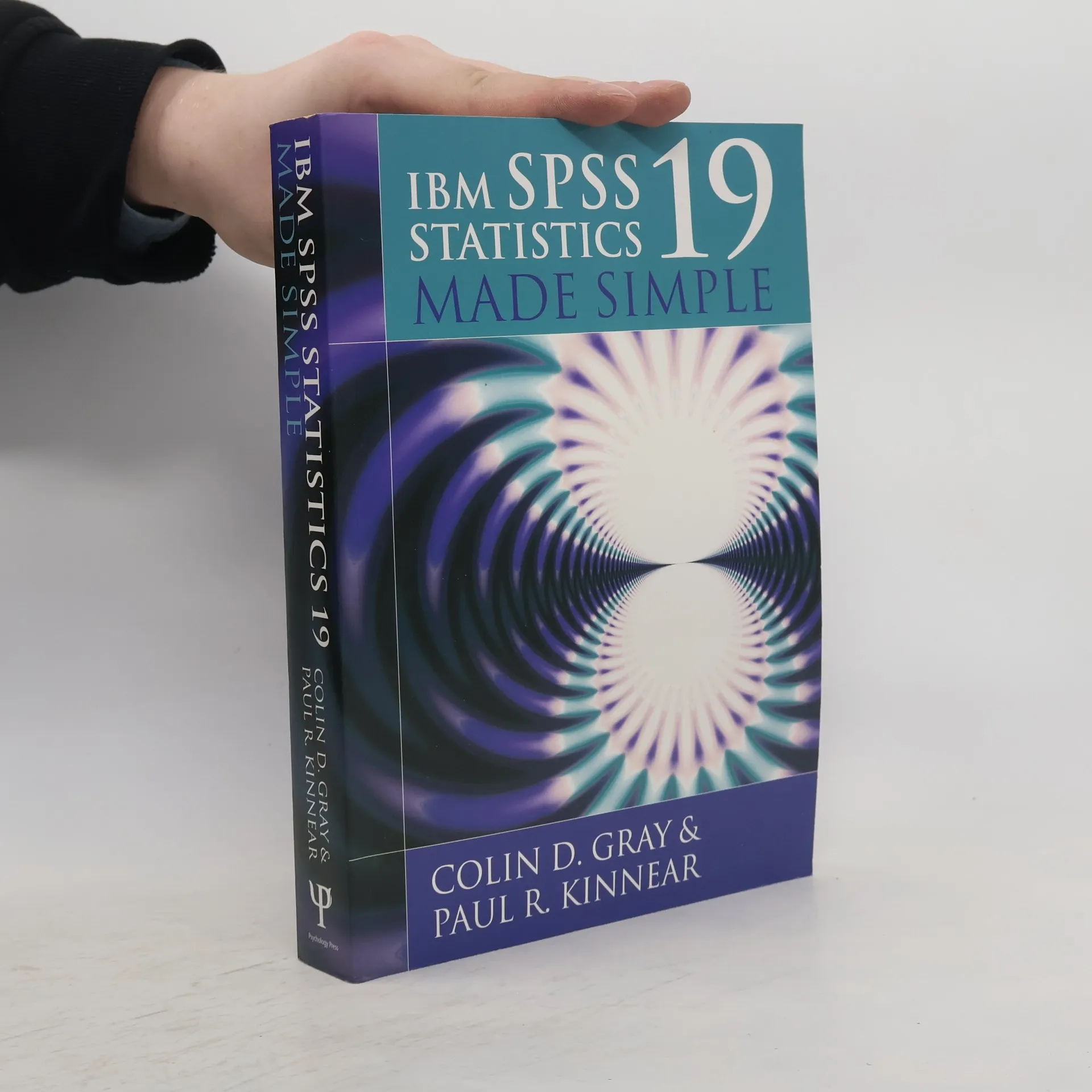
    IBM SPSS Statistics 19 Made Simple
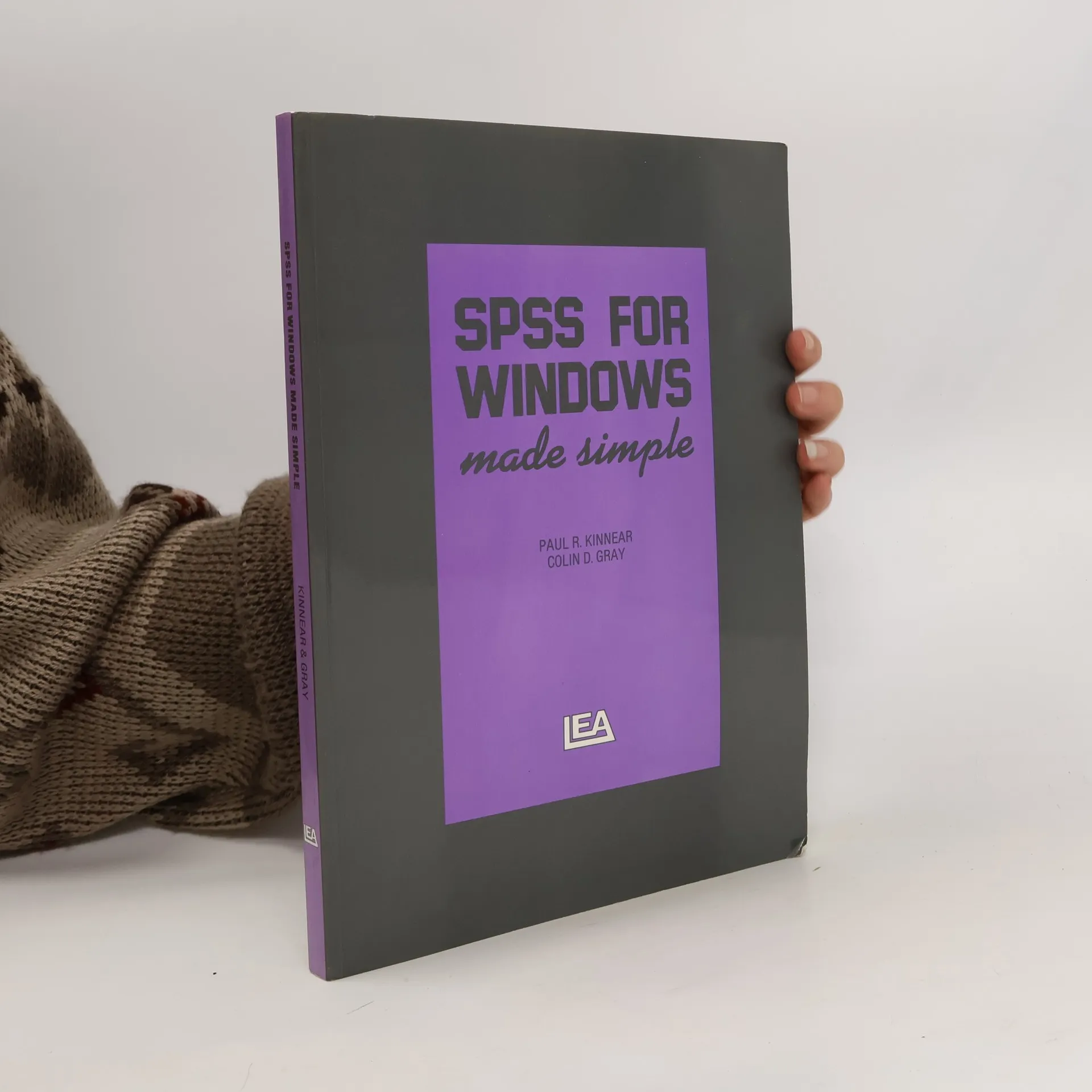
    SPSS for Windows. Made Simple
    • SPSS for Windows. Made Simple

      • 288 Seiten
      • 11 Lesestunden

      This new edition incorporates recent developments in SPSS (and in Windows) by drawing upon screen images, dialog boxes and output from SPSS 8 in the Windows 95 environment. A feature of SPSS 8 is the new, powerful Viewer output manager, which enables the user to produce better tables, charts and graphs by affording greater editorial control over both content and appearance than was possible in previous versions.The first six chapters (on data handling and exploration, graph plotting and two-sample statistical tests) and the associated exercises provide an introduction to the basics of working with SPSS, while the remaining chapters cover more advanced topics such as various ANOVA designs, correlation and regression, loglinear analysis, discriminant anlysis and factor analysis.In response to the comments of readers worldwide, the authors have expanded sections on the inputting and exploration of data, graphical procedures and advice on choosing appropriate statistical tests. The remaining chapters have also been revised. Where appropriate, chapters include images of dialog boxes, output listings and exercises for student courses.

      SPSS for Windows. Made Simple
      3,5
    • IBM SPSS Statistics 19 Made Simple

      • 686 Seiten
      • 25 Lesestunden

      This new edition of a widely used textbook introduces readers to data analysis using IBM SPSS Statistics 19, showcasing its powerful and versatile features. While each release of SPSS includes new options and enhancements, the core principles and techniques remain relevant. The book combines clarity and simplicity with a comprehensive approach to using SPSS for data description, exploration, and confirmation. It addresses reader feedback from previous editions and includes an introduction to Analysis of Covariance (ANCOVA). Each statistical technique is contextualized within realistic research scenarios, supplemented by annotated screenshots of SPSS dialog boxes and output. The first chapter surveys typical research situations, key terms, and provides guidance on selecting statistical techniques, along with reporting results per American Psychological Association guidelines. Subsequent chapters delve into data entry, description, exploration, and the capabilities of the Chart Builder. Each chapter focuses on specific research situations and appropriate statistical techniques. The book also covers pitfalls in statistical misuse, offers insights into using Syntax for procedures, and presents a comprehensive glossary in an attractive two-colour format. Accompanying resources include datasets, exercises, and instructor materials available online. For more details, visit the provided website.

      IBM SPSS Statistics 19 Made Simple