
Gratis Versand ab € 14,99. Mehr Infos.
Bookbot

Rosamond Mitchell

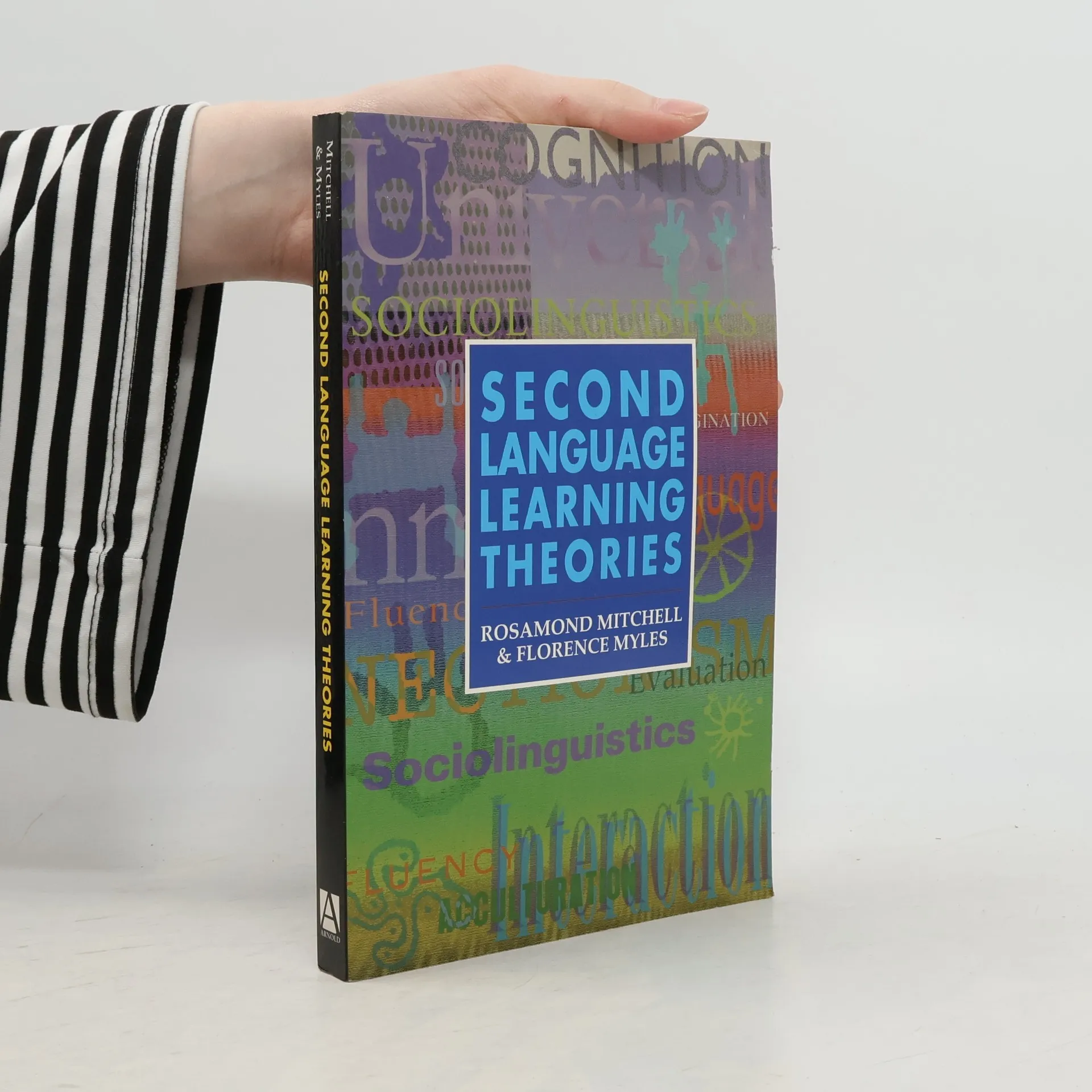
    Second Language Learning Theories
    The Miracle of Vinegar
    A Very British Tea Time
    • A Very British Tea Time

      Die besten Rezepte für echt englische Scones, Sandwiches, Biscuits & Cakes

      • 128 Seiten
      • 5 Lesestunden

      Its Tea Time! Backbuch rund um die englische Teetradition mit zahlreichen Hintergrundinfos rund um Englands liebstes Getränk: Tee. Der Brauch des Afternoon Tea erfährt gerade ein neues Revival. Die unterschiedlichsten Häppchen, Kuchen und Kleingebäck bilden die Basis dieses köstlichen und opulenten Nachmittagsrituals. In diesem entzückenden Buch sind die besten Rezepte passend zur Teestunde zusammengefasst. Wer die britische Lebensart liebt und z. B. Brit-Serien wie Downton Abbey oder Sherlock Holmes schaut, kommt mit diesem Backbuch in den vollen Brit-Genuss. Auch eine perfekte Geschenkidee!

      A Very British Tea Time
      4,0
    • The Miracle of Vinegar

      • 176 Seiten
      • 7 Lesestunden

      150 simple ways to use this amazing, low cost ingredient. Cleaning, cooking and everything in between!

      The Miracle of Vinegar
      3,5
    • Second Language Learning Theories

      • 240 Seiten
      • 9 Lesestunden

      This is an introduction to the field of second language learning for students without a substantial background in linguistics. Written by an educationalist specialising in the teaching of a second language, and a linguist specialising in second language acquisition, this book provides an up-to-date introductory survey of the most active and significant theoretical perspectives on the subject. Individual chapters focus on major current schools in SLL theory, offering both summaries and outlines of different theoretical perspectives with an element of evaluation to the area explored. Starting off with an overview of the key concepts and issues in SLL, as well as a history of research in the area, the book covers Universal Grammar and the cognitive approaches, the input and interaction hypotheses, and functionalist, sociocultural, and sociolinguistic perspectives, and ends by looking towards the future of second language learning research.

      Second Language Learning Theories
      3,6