Brian D. McLaren ist ein international bekannter Redner und Autor, dessen Werke das zeitgenössische Christentum mit Tiefe und Innovationskraft erforschen. Er setzt sich mit tiefgreifenden Fragen des Glaubens und der Spiritualität auseinander und bietet dabei neue Perspektiven sowie herausfordernde, unkonventionelle Einsichten. McLarens Schreiben widmet sich der Aufgabe, christliches Denken für ein modernes Publikum relevant und zugänglich zu machen und liefert aufschlussreiche Antworten auf die Komplexität des Lebens. Seine Prosa wird oft als anregend, provokativ und inspirierend für Leser beschrieben, die einen tieferen spirituellen Weg suchen.
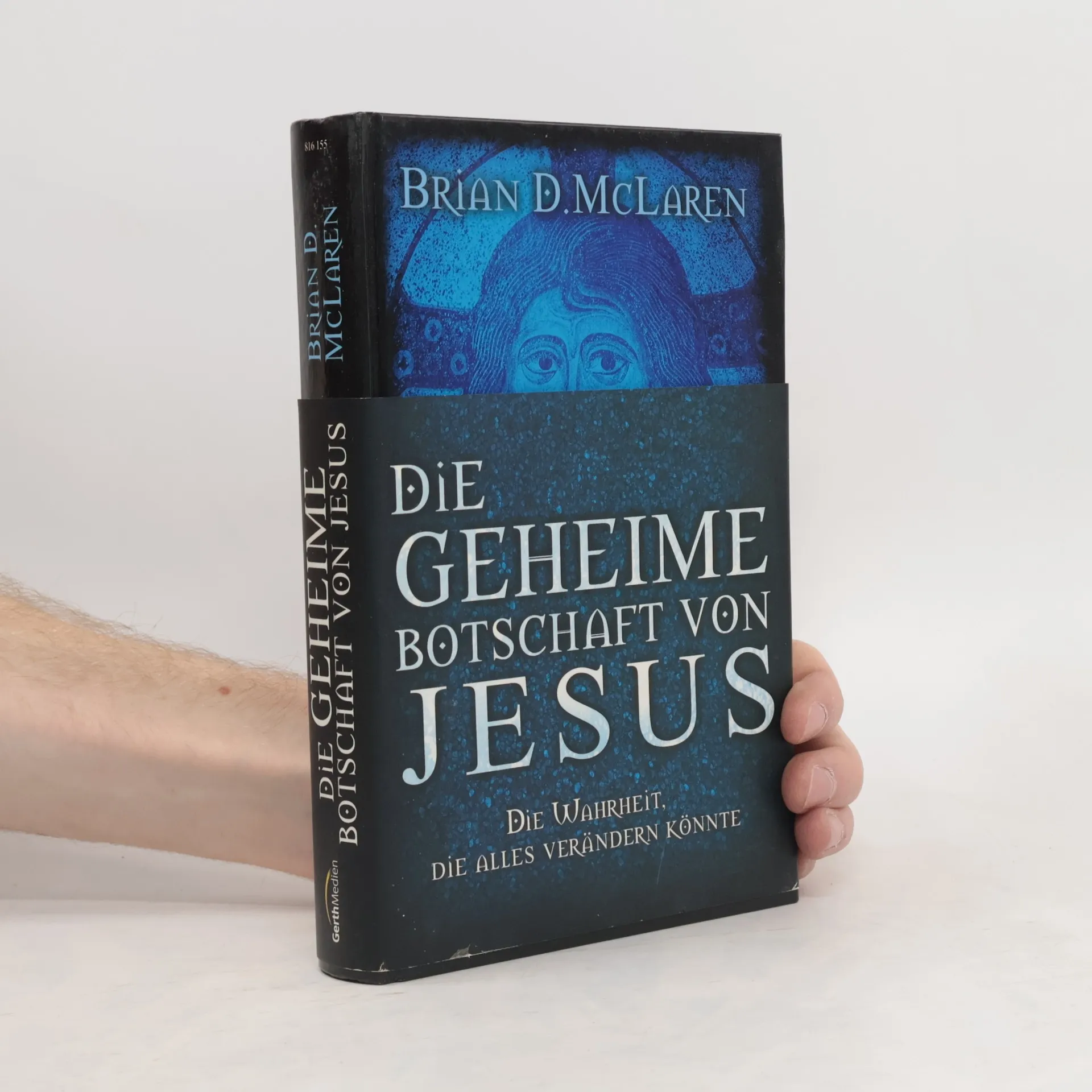
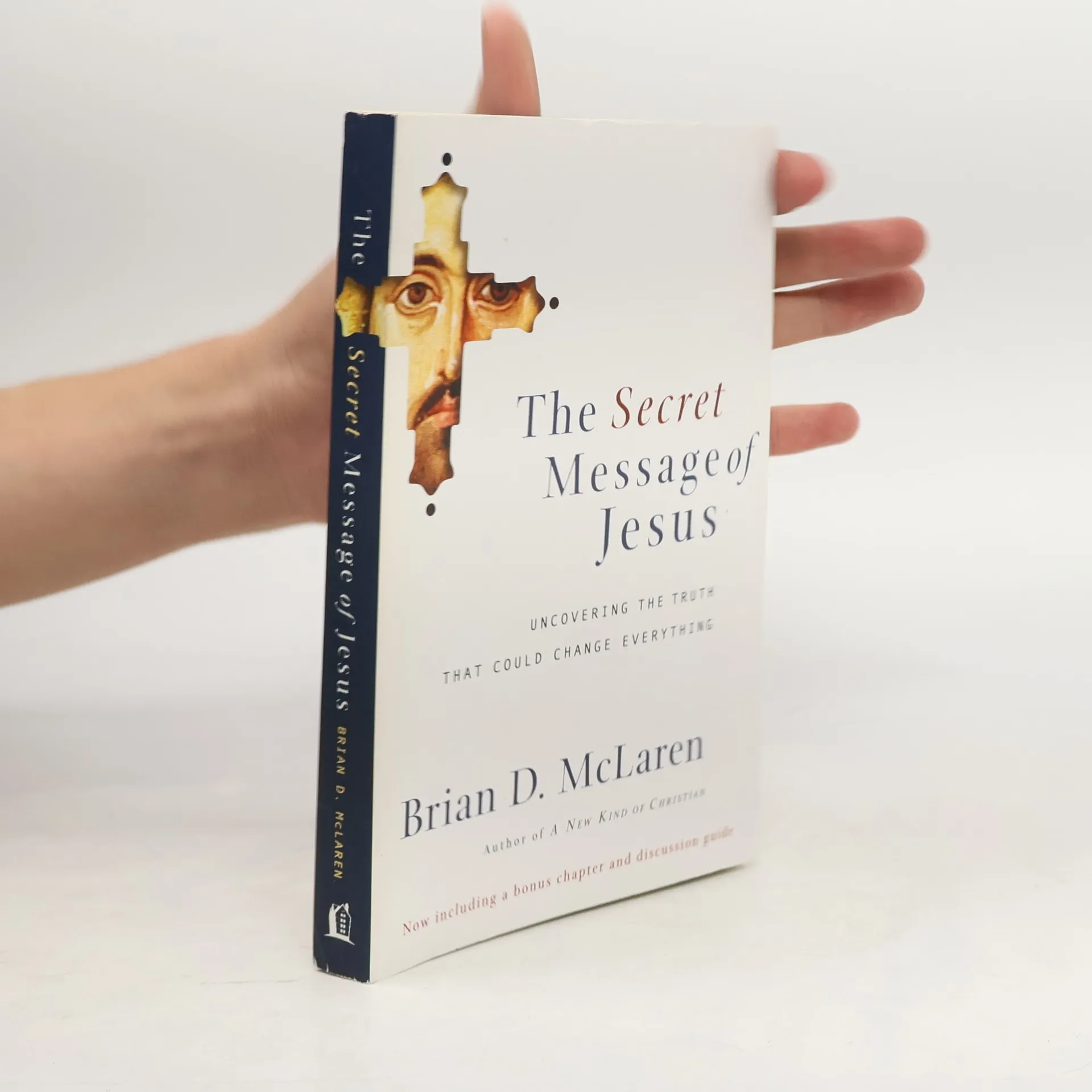
Brian McLaren hinterfragt, ob die Kirche die Botschaft von Jesus im Laufe der Zeit missverstanden oder verfälscht hat. Er lädt dazu ein, intensiv nachzudenken und sich auf eine Entdeckungsreise zu begeben, die herkömmliche Vorstellungen und Prioritäten in Frage stellen könnte.
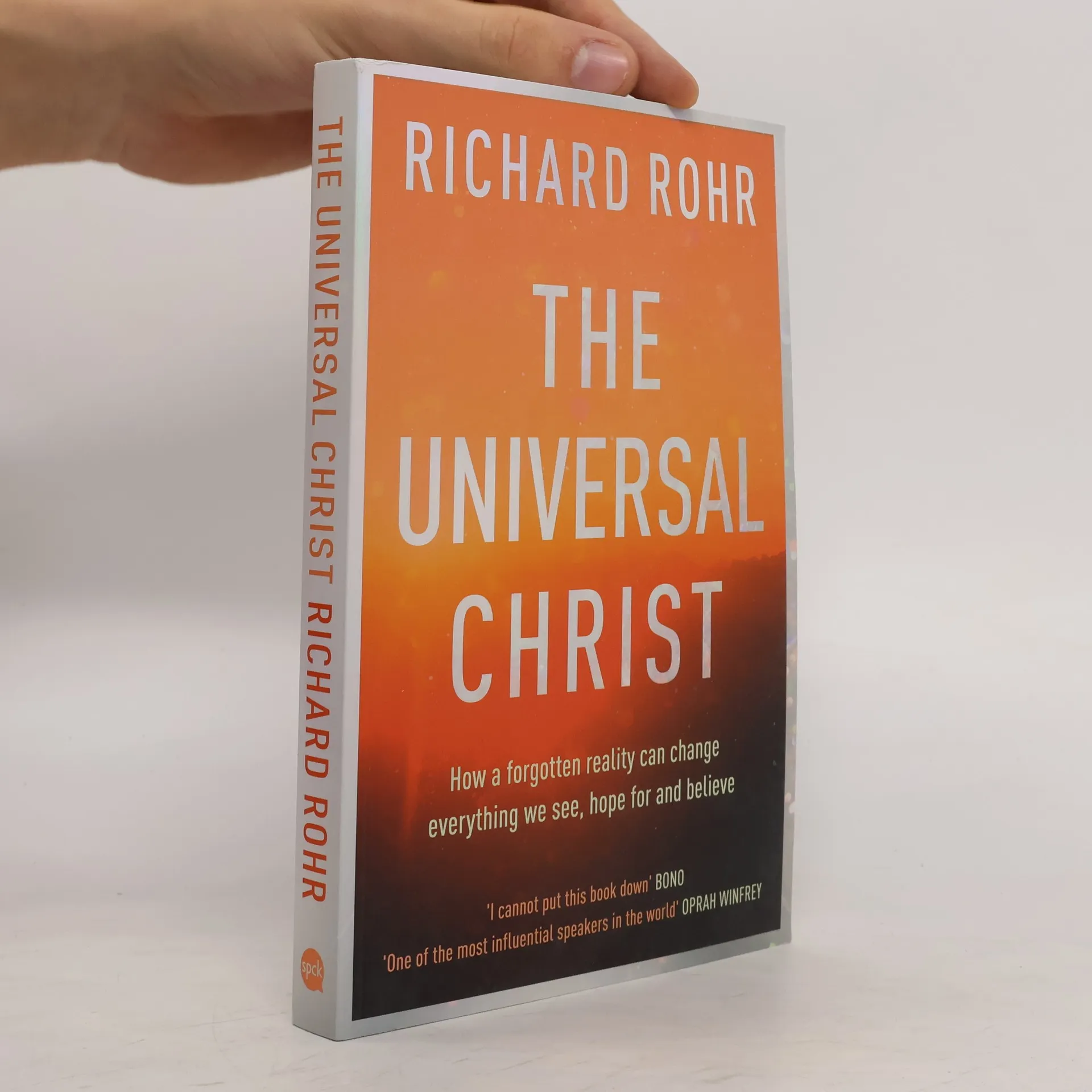
In this brilliantly provocative, wise and enthralling book, Richard Rohr urges
us towards greater understanding of the Cosmic Christ - 'the eternal union of
matter and Spirit from the beginning of time'
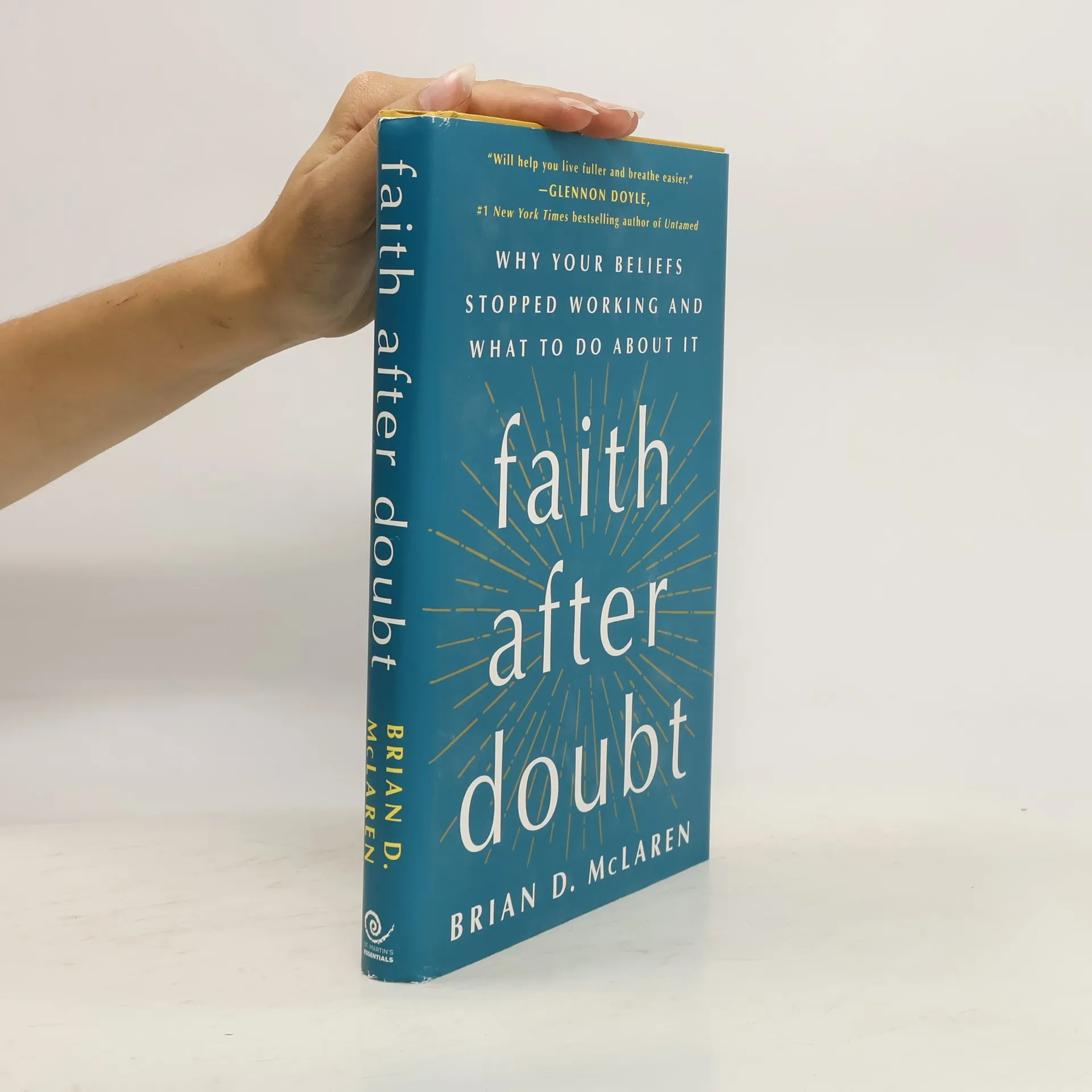
From the author of A New Kind of Christianity comes a bold proposal: only doubt can save the world and your faith. Sixty-five million adults in the U.S. have dropped out of active church attendance and about 2.7 million more are leaving every year. Faith After Doubt is for the millions of people around the world who feel that their faith is falling apart. Using his own story and the stories of a diverse group of struggling believers, Brian D. McLaren, a former pastor and now an author, speaker, and activist shows how old assumptions are being challenged in nearly every area of human life, not just theology and spirituality. He proposes a four-stage model of faith development in which questions and doubt are not the enemy of faith, but rather a portal to a more mature and fruitful kind of faith. The four stages—Simplicity, Complexity, Perplexity, and Harmony—offer a path forward that can help sincere and thoughtful people leave behind unnecessary baggage and intensify their commitment to what matters most.
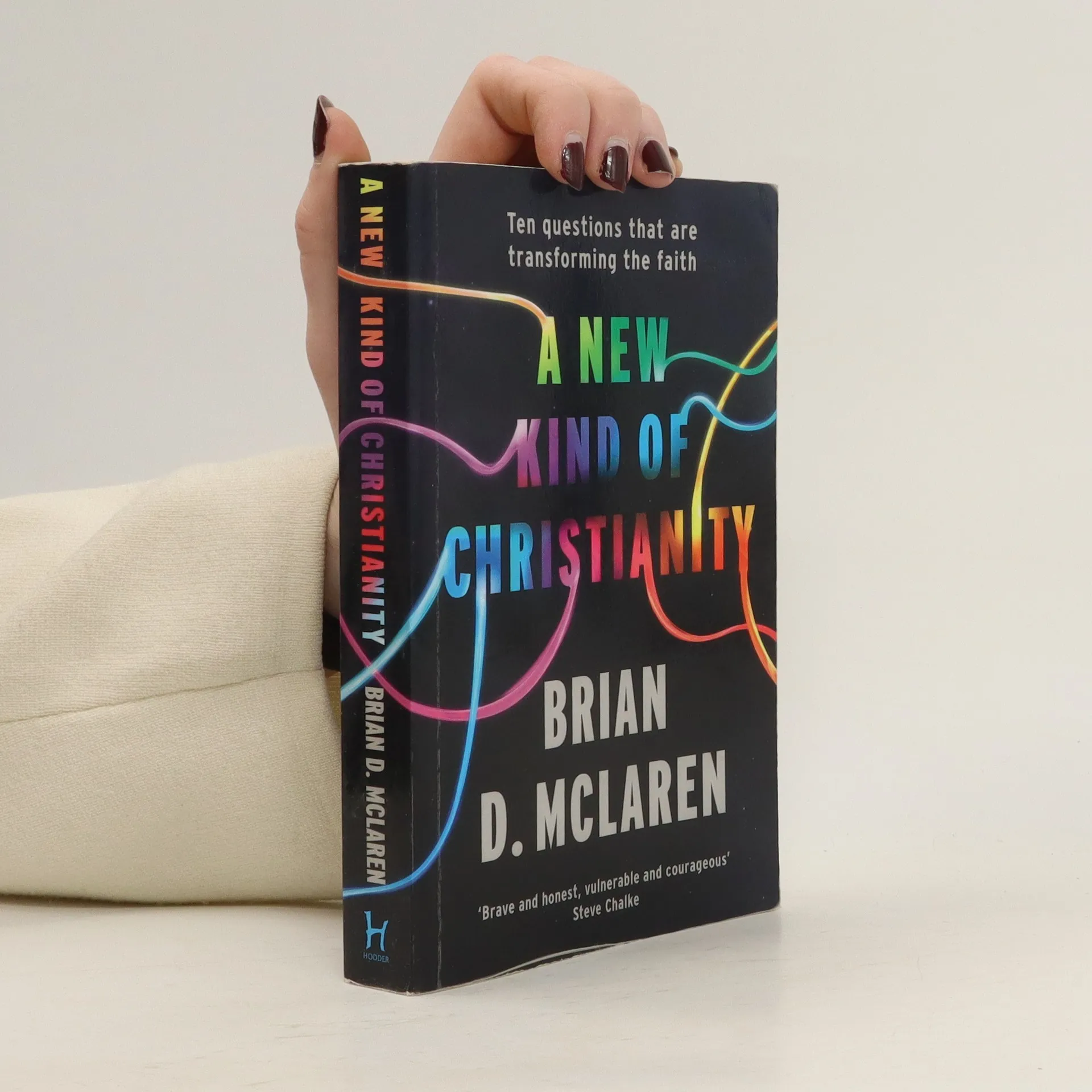
What is the overarching storyline of the Bible? Is God violent? What is the Gospel? Can we find a way to address sexuality without fighting about it? At the opening of the twenty-first century, Christianity in the West is more fractured and beleaguered than ever. Groundbreaking author Brian McLaren suggests that if we are to get beyond doctrinal statements towards the life to the full that Jesus promised us, we need new paradigms for thinking and believing - and he invites us on a radical quest for a new kind of faith. Using ten key questions, McLaren boldly proposes what a future Christianity could look like. Radical yet orthodox, outspoken yet generous. This is a wise, compassionate book for all who are looking for an authentic, loving faith.
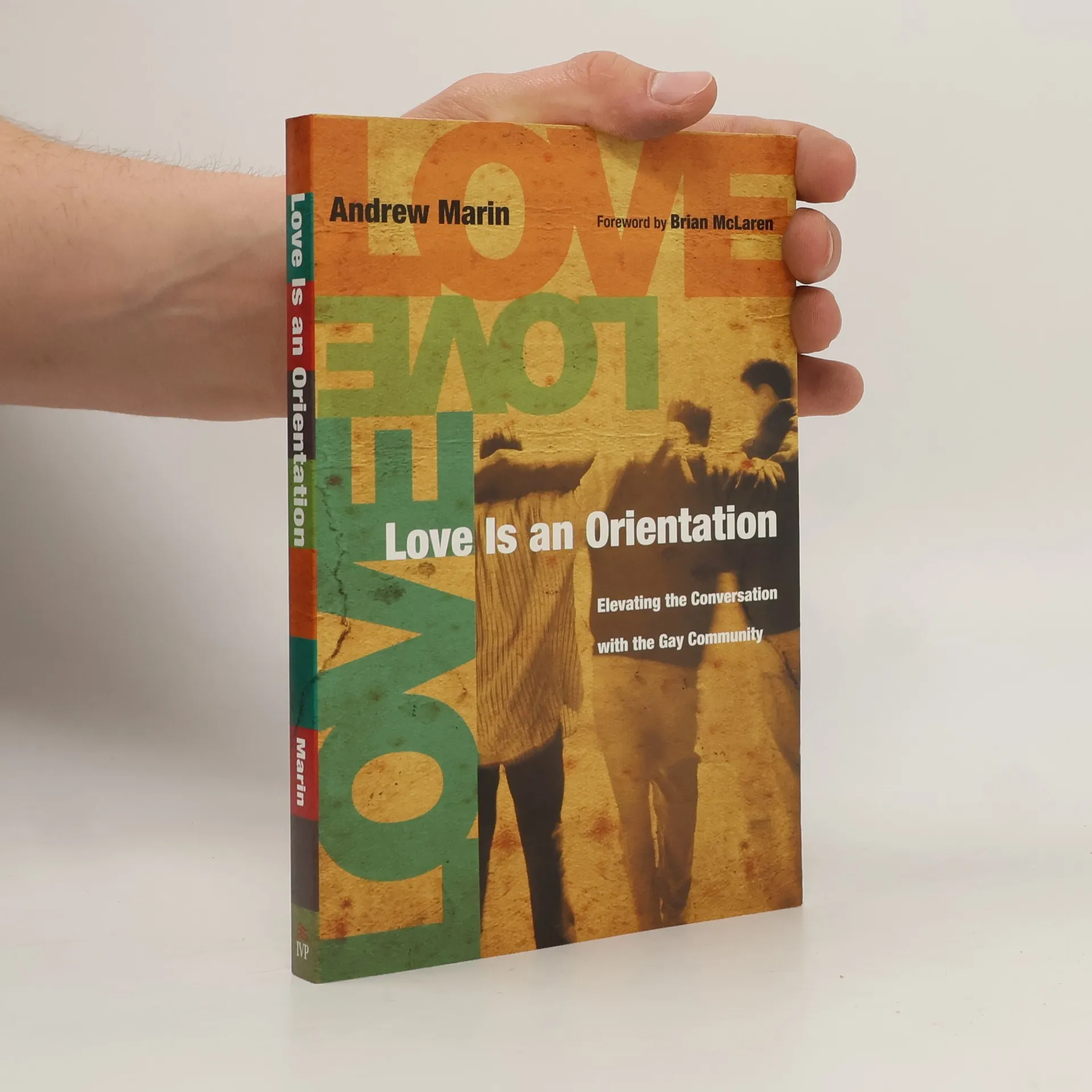
Outreach Magazine Resource of the Year Award winner Golden Canon Leadership Book Award winner Relevant Magazine : Top 20 Best Overall Books winner Englewood Review of Top 20 Best Overall Books winner Christian Manifesto Lime Award winner Andrew Marin's life changed forever when his three best friends came out to him in three consecutive months. Suddenly he was confronted with the gay, lesbian, bisexual and transgender community (GLBT) firsthand. And he was compelled to understand how he could reconcile his friends to his faith. In an attempt to answer that question, he and his wife relocated to Boystown, a predominantly GLBT community in Chicago. And from his experience and wrestling has come his book, Love Is an Orientation, a work which elevates the conversation between Christianity and the GLBT community, moving the focus from genetics to gospel, where it really belongs. Why are so many people who are gay wary of people who are Christians? Do GLBT people need to change who they are? Do Christians need to change what they believe? Love Is an Orientation is changing the conversation about sexuality and spirituality, and building bridges from the GLBT community to the Christian community and, more importantly, to the good news of Jesus Christ.
Uncovering the Truth That Could Change Everything - Now Including a Bonus Chapter and Discussion Guide
288 Seiten
11 Lesestunden
When Brian McLaren began offering an alternative vision of Christian faith in works like A New Kind of Christian, he sparked both praise and condemnation across the religious landscape. To some conservatives, he is seen as a dangerous rebel; others view him as a refreshing voice against the negativity of the religious status quo. Many from Evangelical, Catholic, and Mainline Protestant backgrounds credit him with helping them rediscover their faith. Readers worldwide report that he has guided them to a faith that resonates deeply. In this work, McLaren critiques conventional Christianity and presents a new understanding of Jesus—not as a crusader or a partisan religious figure, but as a transformative presence inviting radical change. He offers an enlightening revelation that challenges norms and ignites hope, presenting a narrative that is inclusive of all people, regardless of gender, race, class, politics, or religion. Critics praise McLaren for his fresh perspective on the gospel, highlighting his ability to capture Jesus' revolutionary style without an agenda. This book invites readers to explore what it truly means to live out the message of Jesus today, encouraging a profound re-examination of faith.
A Leadership Network Publication A New Kind of Christian's conversation between a pastor and his daughter's high school science teacher reveals that wisdom for life's most pressing spiritual questions can come from the most unlikely sources. This stirring fable captures a new spirit of Christianity--where personal, daily interaction with God is more important than institutional church structures, where faith is more about a way of life than a system of belief, where being authentically good is more important than being doctrinally "right," and where one's direction is more important than one's present location. Brian McLaren's delightful account offers a wise and wondrous approach for revitalizing Christian spiritual life and Christian congregations. If you are interested in joining a discussion group devoted to a A New Kind of Christian please visit groups.yahoo.com/group/NKOC.
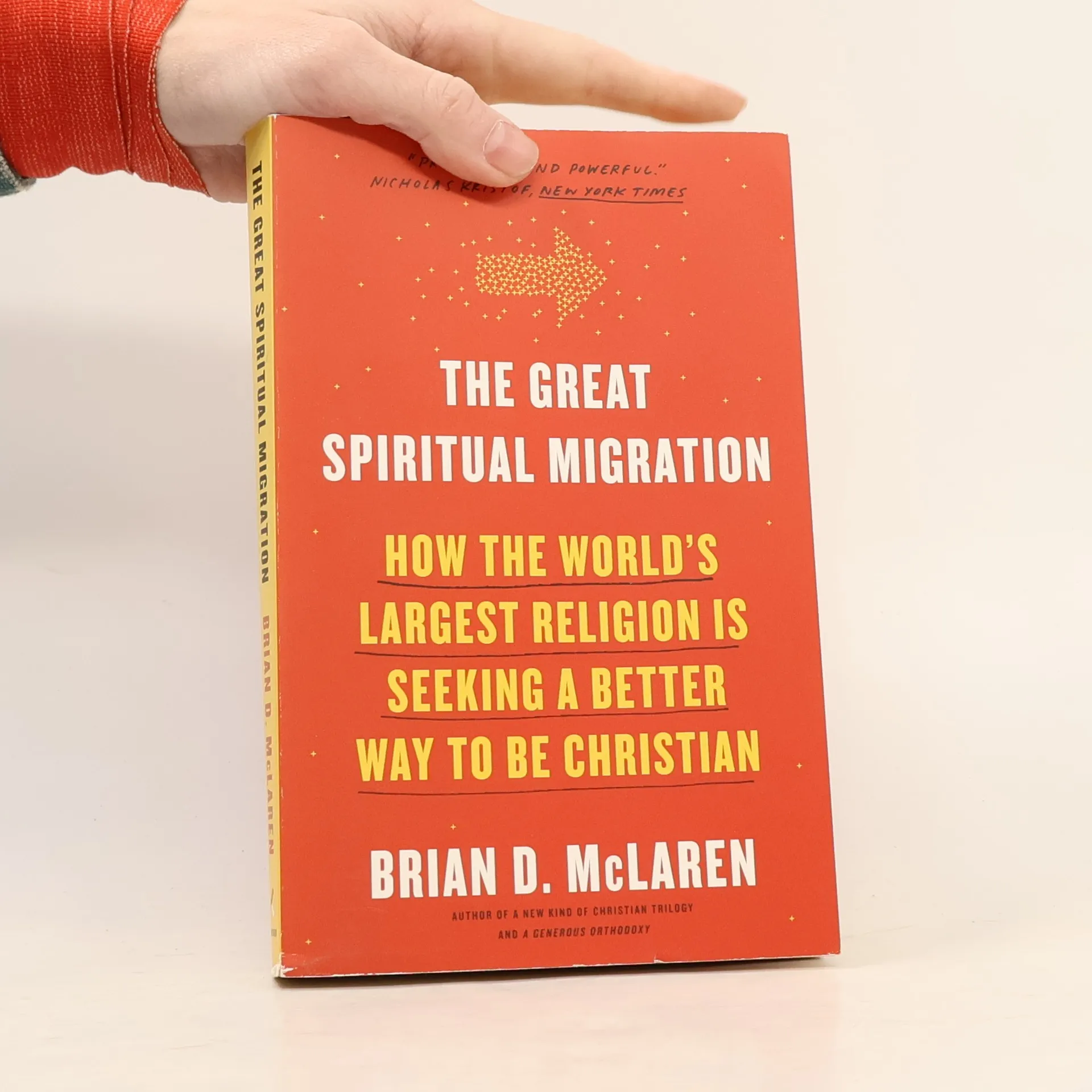
How the World's Largest Religion Is Seeking a Better Way to Be Christian
288 Seiten
11 Lesestunden
The Christian narrative, from Genesis to the present, centers on people moving beyond outdated religious systems to embrace more redemptive ways of living. Brian McLaren, a prominent figure in contemporary religion, asserts that despite alarming reports about declining faith and church attendance, Christianity is not dying but undergoing a significant spiritual transformation. For many, this journey has already begun. Drawing on his experiences as an activist, pastor, and public theologian, McLaren encourages readers to abandon nostalgia and instead embrace new understandings that are reshaping the church. He identifies three key shifts defining this change:
1. Spiritually, many Christians are moving away from rigid belief systems and towards a life defined by love.
2. Theologically, believers are rejecting the notion of a violent God in favor of seeing God as a renewing Spirit working for the common good.
3. Missionally, the faithful are aligning less with organized religion and more with spiritual activism, focusing on healing the planet, promoting peace, combating poverty and injustice, and collaborating with other faiths for a better future.
With insight and compassion, McLaren invites readers to embark on a transformative spiritual pilgrimage to help Christianity become more authentically Christian.
Deset otázek, které si potřebujeme znovu položit
***
Mysleni Briana McLarena oslovuje ctenare, kteri hledaji srozumitelnou, zivotaschopnou a verohodnou viru pro 21. stoleti.
***
Stale vice krestanu dnes proziva vnitrni napeti mezi virou, kterou si nesou z minulosti, a svetem, v nemz ziji. Otazky, ktere si kladou, nesmeruji ke zpochybneni viry, ale k jeji potrebne obnove. Co kdyz je Buh jiny, nez jsme si dosud predstavovali?
Co kdyz jsme evangelium zuzili na neco, co vubec nebylo jeho jadrem? Co kdyz vira nemusi zit za obrannymi valy dogmat, ale smi si priznat sve pochybnosti – a s odvahou k otevrenosti vstoupit do reality dnesniho sveta?
Krestanstvi 2.0 neni knihou pro ty, kdo spolehaji na zabehane jistoty, ale pro ty, kdo se neboji poctive hledat. Pro ty, kdo tusi, ze cirkev zitrka bude mene kolbistem veroucnych sporu, a vice prostorem otevreneho dialogu – mistem, kde vira nezavira oci pred slozitosti sveta, ale prave tam, v jeho hloubce, hleda kudy dal.