
Gratis Versand ab € 14,99. Mehr Infos.
Bookbot

J. B. Handley

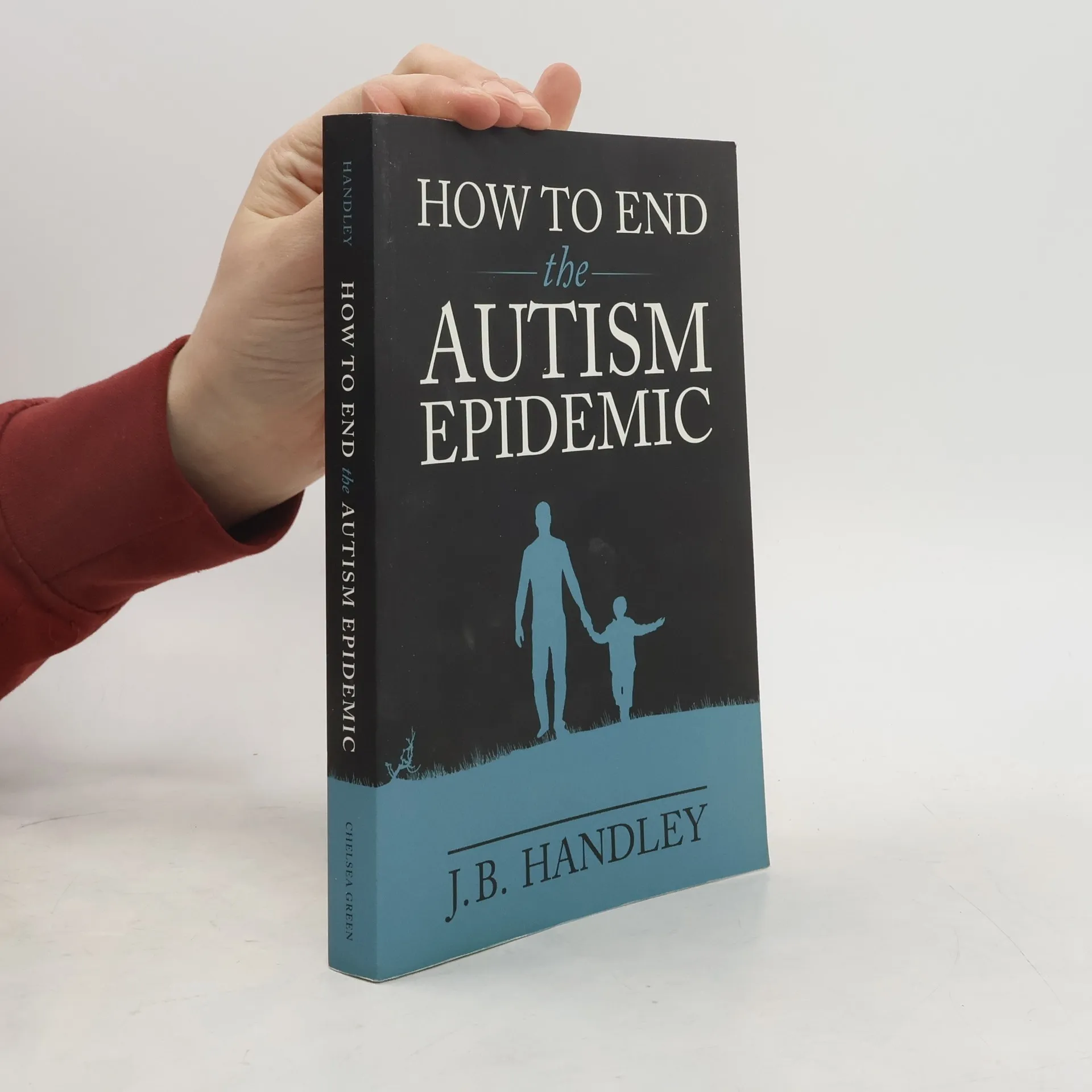
    How to End the Autism Epidemic
    Underestimated. An Autism Miracle
    • Underestimated. An Autism Miracle

      • 192 Seiten
      • 7 Lesestunden

      In Underestimated: An Autism Miracle, Generation Rescue's cofounder J.B. Handley and his teenage son Jamison tell the remarkable story of Jamison's journey to find a method of communication that allowed him to show the world that he was a brilliant, wise, generous, and complex individual who had been misunderstood and underestimated by everyone in his life. Jamison's emergence at the age of seventeen from his self-described "prison of silence" took place over a profoundly emotional and dramatic twelve-month period that is retold from his father's perspective. The book reads like a spy thriller while allowing the reader to share in the complex emotions of both exhilaration and anguish that accompany Jamison's journey for him and his family. Once Jamison's extraordinary story has been told, Jamison takes over the narrative to share the story from his perspective, allowing the world to hear from someone who many had dismissed and cast aside as incapable. Jamison's remarkable transformation challenges the conventional wisdom surrounding autism, a disability impacting 1 in 36 Americans. Many scientists still consider nonspeakers with autism--a full 40 percent of those on the autism spectrum--to be "mentally retarded." Is it possible that the experts are wrong about several million people? Are all the nonspeakers like Jamison?

      Underestimated. An Autism Miracle
      4,6
    • How to End the Autism Epidemic

      • 289 Seiten
      • 11 Lesestunden

      In this thought-provoking exploration, J.B. Handley, co-founder of Generation Rescue, presents a science-based analysis of the autism epidemic, addressing its causes, the misinformation that sustains it, and necessary actions for parents and society. Many parents are unaware that while children in the 1960s received only three vaccines, today’s schedule includes thirty-eight. The perceived risk of adverse reactions is often misrepresented; the actual odds are closer to one in fifty, not one in a million. Autism rates have skyrocketed from one in ten thousand in the 1980s to one in thirty-six today, raising alarms among parents, educators, and social service professionals about a significant public health crisis linked to the expanding vaccine schedule. Handley challenges the refusal of public health officials to properly investigate this issue, dismantling common misconceptions about vaccines and autism. He highlights new research connecting aluminum adjuvants in vaccines to immune activation in infants, potentially triggering autism, and presents legal evidence supporting claims that vaccines can cause autism. Advocating for continued safety investigations, informed consent, and individual assessment of each vaccine, Handley emphasizes the importance of rebuilding public trust to alleviate the suffering of affected families.

      How to End the Autism Epidemic