
Genius loci
- 215 Seiten
- 8 Lesestunden


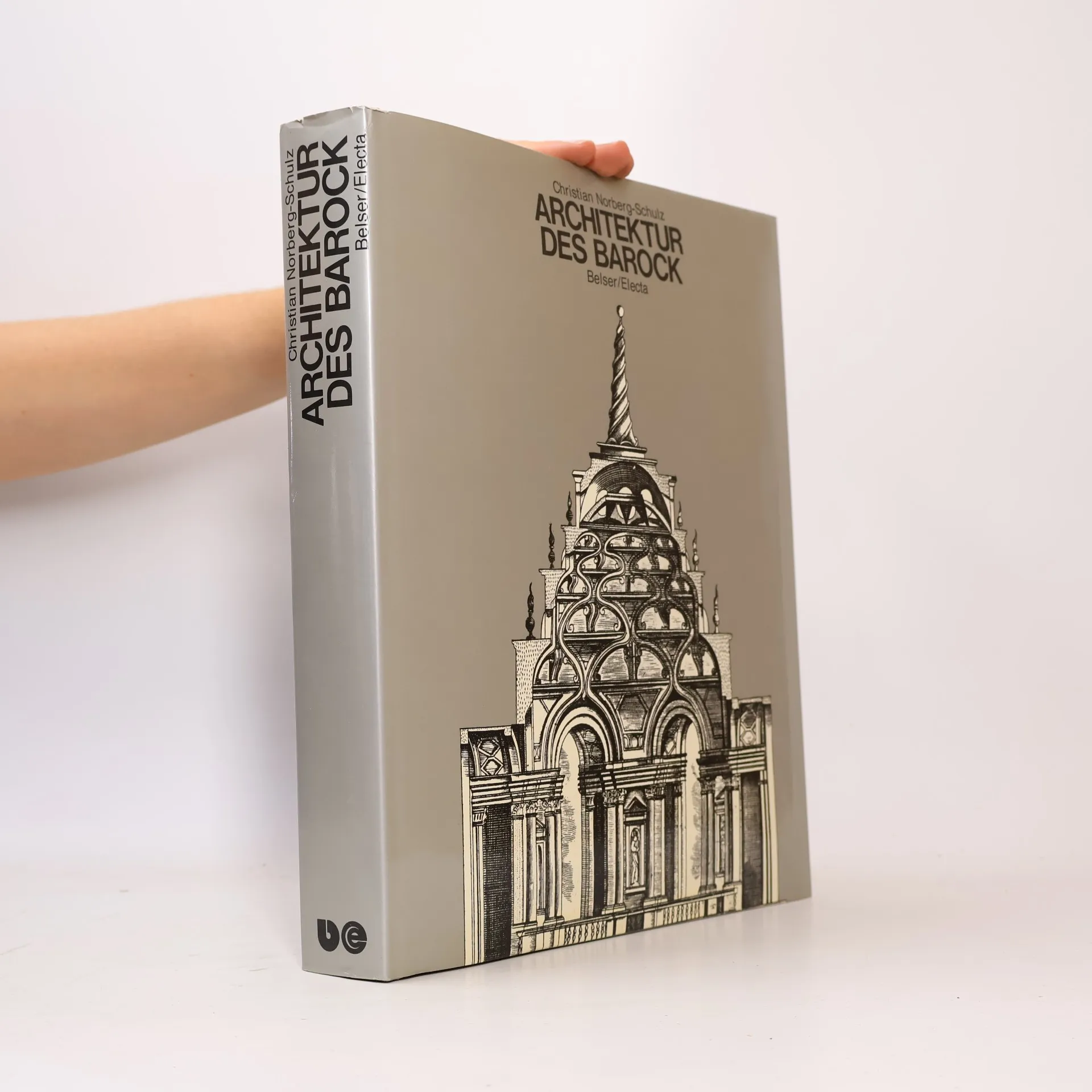
Nicht aHein als schaffender Architekt ist Christian Norberg-Schulz ein Vertreter jener Generation, die Siegfried Giedion die dritte nennt. Auch seine Beziehun gen zum Werk der Pioniere sind die einer dritten Generation, der es obliegt, das Vermachtnis in der Weise weiterzuentwickeln, daB damit die Architektur in einen groBeren Bezugskreis gestellt und in den Dimensionen der heutigen Wirklichkeit angesiedelt wird. Wir nennen die urbanistische Dimension: Die wenigen Werke der Pioniere sitzen in der bebauten Umwelt wie Kristalle im Gestein; geschlossenen Rodungen im Niemandsland gleichen auch die urbanistischen Entwiirfe der friihen Moderne. Uns Heutigen geht es aber urn die Gestalt der komplizierten und in standiger Entwicklung befindlichen gesamten Umwelt - wenn wir im Bilde bleiben: des Muttergesteins selbst -; es geht um das Problem der Addition mehrheitlich moderner Bauten. Ais zweite folgt die soziologische Dimension: Die Bauten der Pioniere stellten keine nennenswerte statistische Realitat dar. Der idealisierende Charakter der jeweils mitgelieferten soziologischen Kommentare blieb daher irrelevant. Heute aber ist die soziologische Kritik auch der modernen Architektur unerliiBlich ge worden, und zwar nicht mehr nur im Sinne einer sozialen Soziologie, sondern auch der Soziologie des Wohlstandes. Dabei muB beispielsweise der Sinn des Funktionalismus in einer wohlhabenden VVelt neu gefaBt werden.
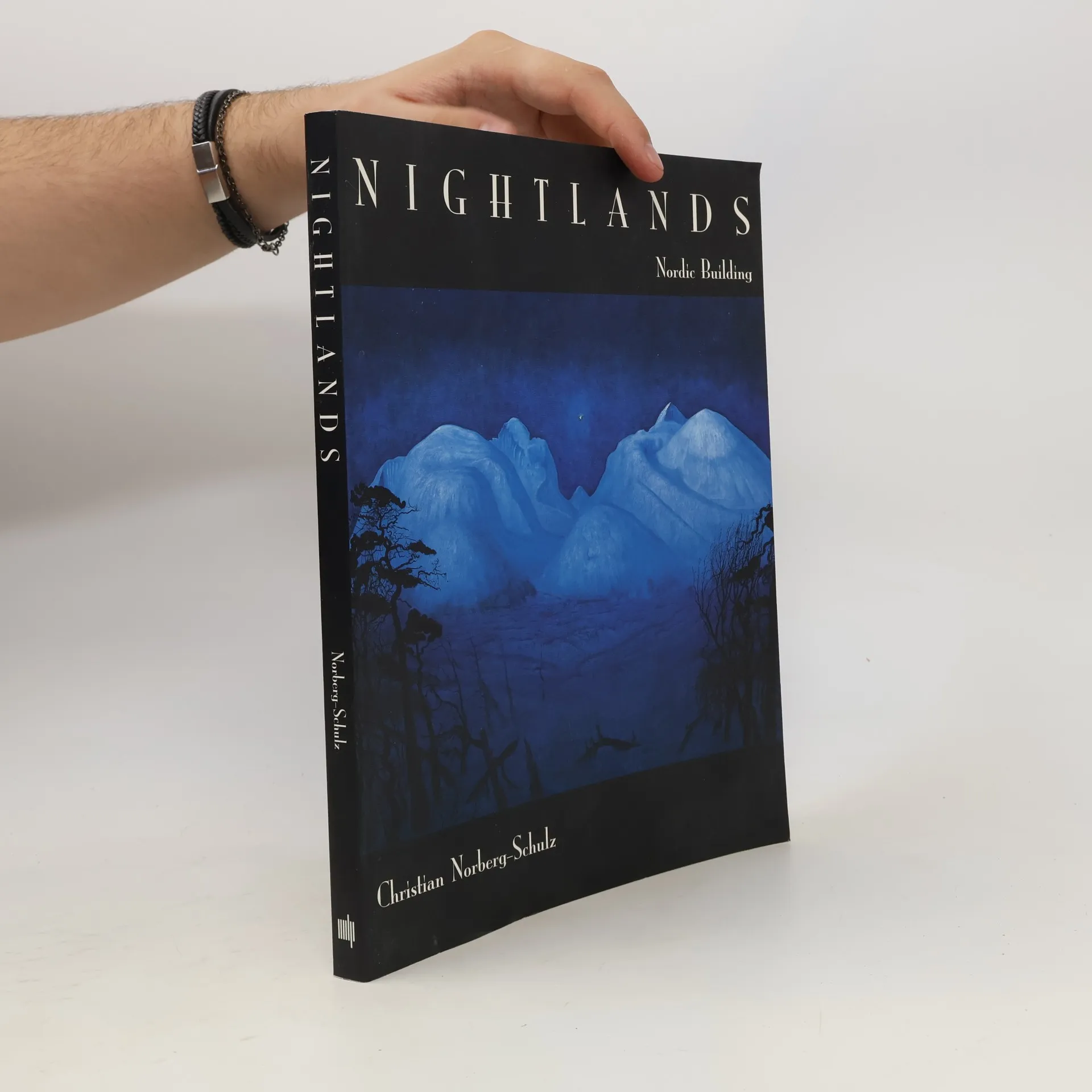
Translated by Thomas McQuillanArchitecture is a manifestation of the environment in which it is placed, observes distinguished architect and theoretician Christian Norberg-Schulz. A simple enough observation, but one that becomes subtle and nuanced in this landmark book which attempts to define, for the first time, what Nordic building really is.Norberg-Schulz begins by contrasting the natural world of the North with that of the Mediterranean, the Nordic unendingness against the sun-saturated and homogeneous South. Using themes such as "natural," "domestic," "universal," and "foreign," he finds the architecture of both regions sensibly related to their environments; but whereas the South lends itself to abstraction, the North is marked by variation, openness, and dynamism—by low light, forests, and space.Exploring the ways built experience "takes place," Norberg-Schulz charts the distinctive character of land and climate that distinguishes Denmark's, Sweden's, Finland's, and Norway's architectural traditions from each other and from those to the South. While each of these countries might be said to share regional traits, Norberg-Schulz identifies differences (the cultivated and closely detailed landscape and architecture of Denmark, the dramatic, structured forms of Norway) that allow him to account for the way individual Nordic architectures evolved.
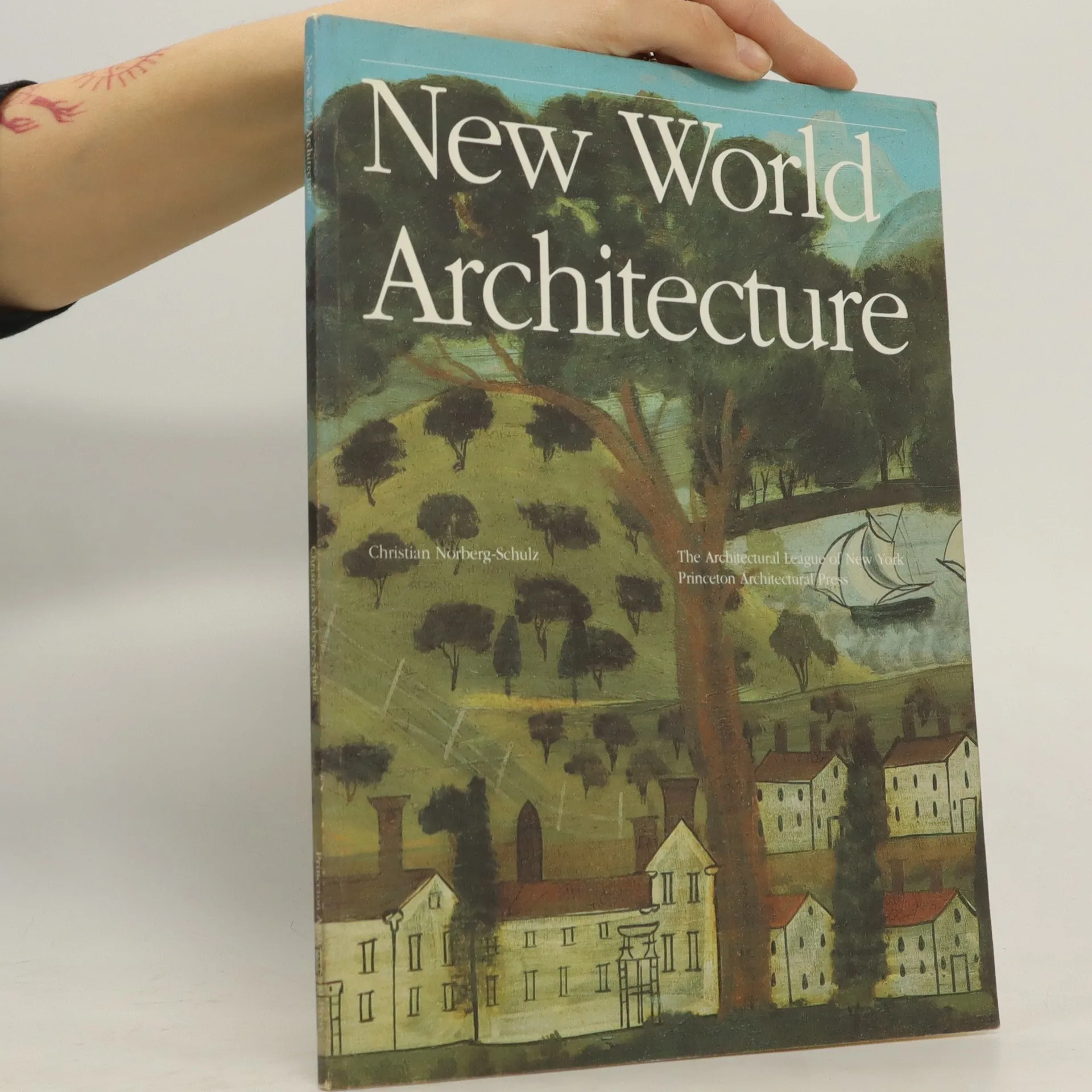
A series of three lectures presented at The Architectural League of New York on November 3, 5, and 10, 1987. These talks are the first J. Clawson Mills Lectures on American Architecture and Landscape.