
Lieferung vor Weihnachten: Noch 2 Tage, 1 Stunde
Bookbot

Elizabeth Losh

    Elizabeth Losh ist Spezialistin für Ökologien neuer Medien und untersucht, wie digitale Technologien das universitäre Umfeld und den politischen Diskurs prägen. Ihre Arbeit beschäftigt sich intensiv mit den Schnittstellen von Kommunikation, Kultur und Machtstrukturen im digitalen Zeitalter. Losh analysiert, wie Bedeutung durch Online-Plattformen konstruiert und verbreitet wird, und untersucht die tiefgreifenden Auswirkungen, die diese Prozesse auf unser Weltverständnis haben.

    Selfie Democracy
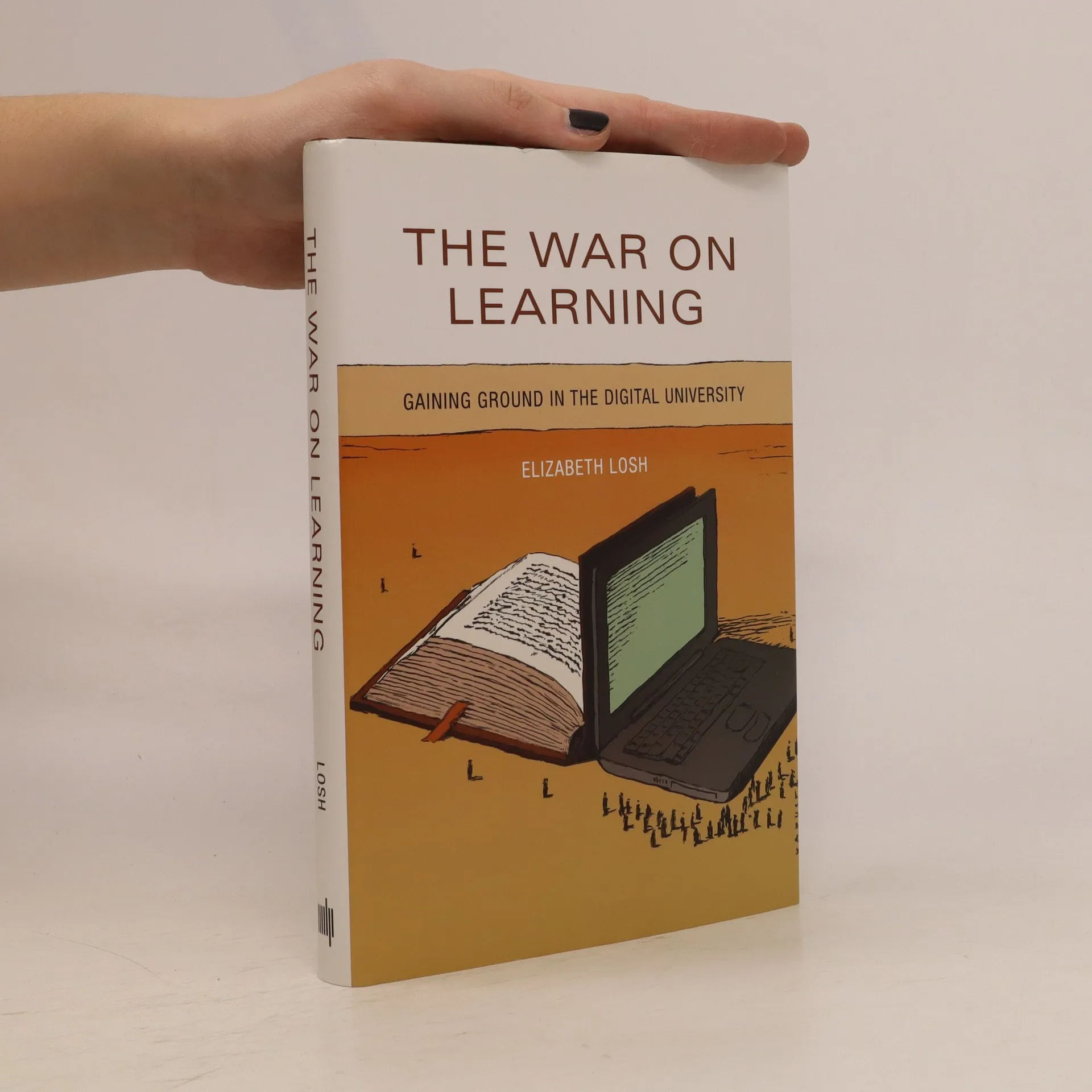
    The War on Learning
    • The War on Learning

      • 302 Seiten
      • 11 Lesestunden
      3,7(14)Abgeben

      Behind the lectern stands the professor, utilizing various technological tools like course management systems, online quizzes, and plagiarism-detection software. In the seats are students equipped with smartphones, laptops, and social media. While it may seem like a battle between these two forces, they are both engaged in a larger conflict over the nature of learning. The author examines current attempts to reform higher education through technology, revealing that many initiatives fail because they view education as a product rather than a process. Popular strategies, such as using video games or distributing iPads, often disappoint as they encourage consumption over intellectual growth. The analysis includes recent trends in postsecondary education and the surrounding rhetoric, supported by personal accounts. To identify effective educational technologies, the author explores strategies like MOOCs, gamification, remix pedagogy, and educational virtual worlds. The book concludes with six fundamental principles of digital learning and highlights successful university initiatives. This work is essential for campus decision-makers and anyone invested in the intersection of education and technology.

      The War on Learning
    • "Selfie Democracy exposes the unintended consequences of wireless technologies on political leadership and shows how seemingly benign mobile devices that hold out the promise of direct democracy ultimately undermine representative forms of government and deepen partisan divides. As the smart phone and mobile applications are reshaping civic participation, attitudes about freedom, civic rights, and national security are also changing. Losh shows how the crisis management styles of US leaders over the past decade are closely related to their technological choices and digital literacies"-- Provided by publisher

      Selfie Democracy