

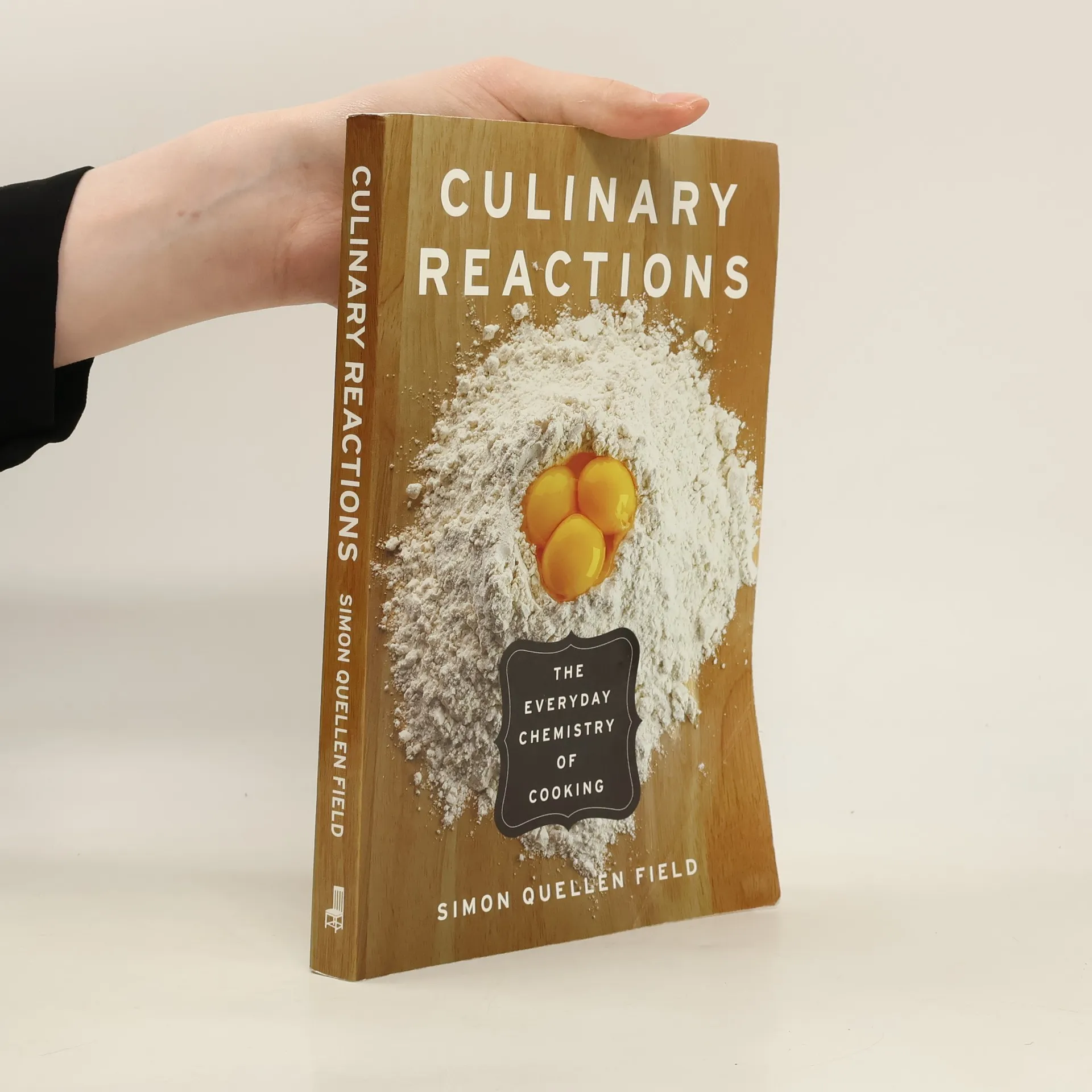
Culinary Reactions: The Everyday Chemistry of Cooking
- 238 Seiten
- 9 Lesestunden
Publisher's description: Exploring the scientific principles behind everyday recipes, this informative blend of lab book and cookbook reveals that cooks are actually chemists. Following or modifying recipes is shown to be an experiment with acids and bases, emulsions and suspensions, gels and foams. This easy-to-follow primer includes recipes that demonstrate the scientific concepts, such as Whipped Creamsicle Topping (a foam), Cherry Dream Cheese (a protein gel), and Lemonade with Chameleon Eggs (an acid indicator). Also included in this fun, fact-filled companion are answers to various culinary curiosities, such as: How does altering the ratio of flour, sugar, yeast, salt, butter, and water affect how high bread rises? and Why is whipped cream made with nitrous oxide rather than the more common carbon dioxide?