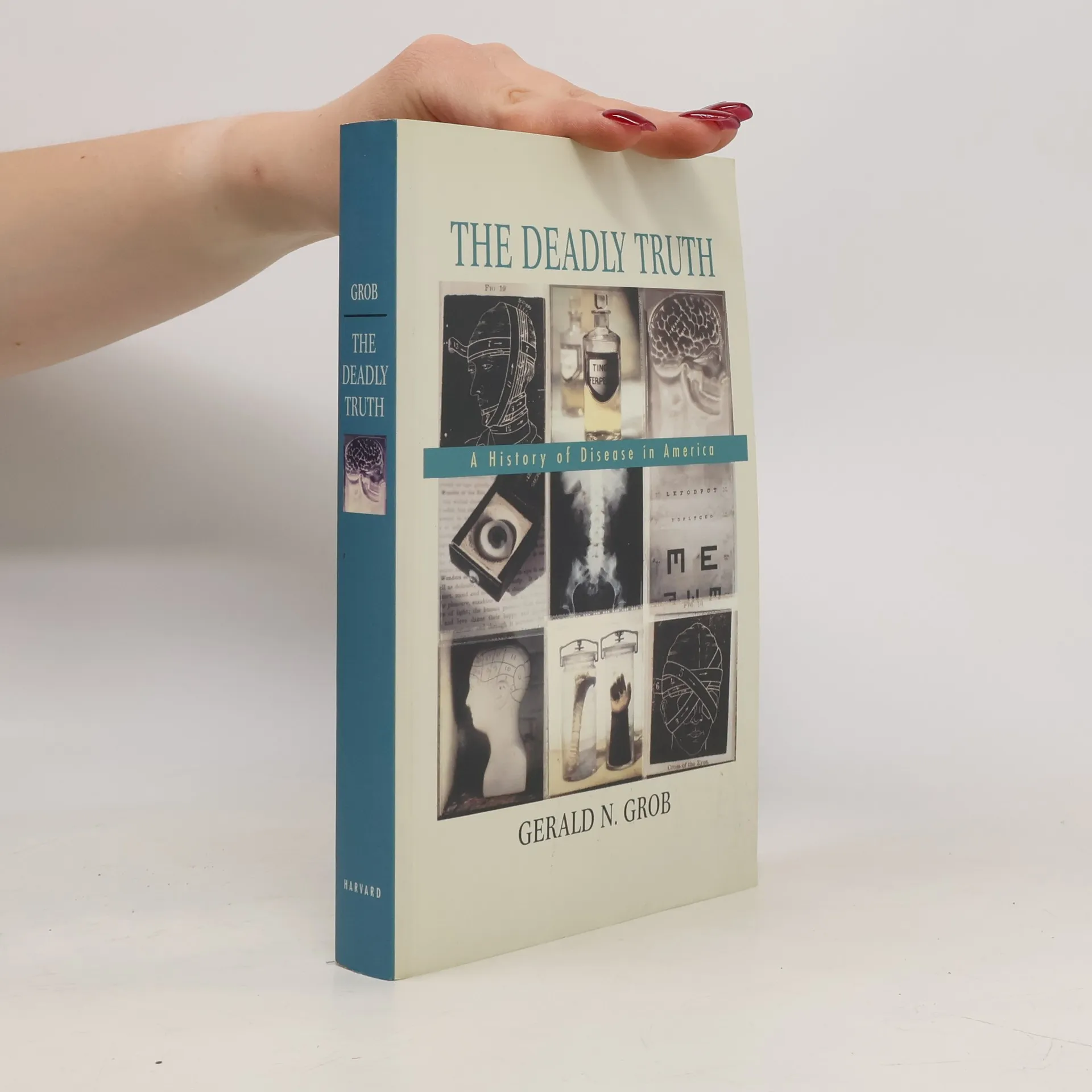
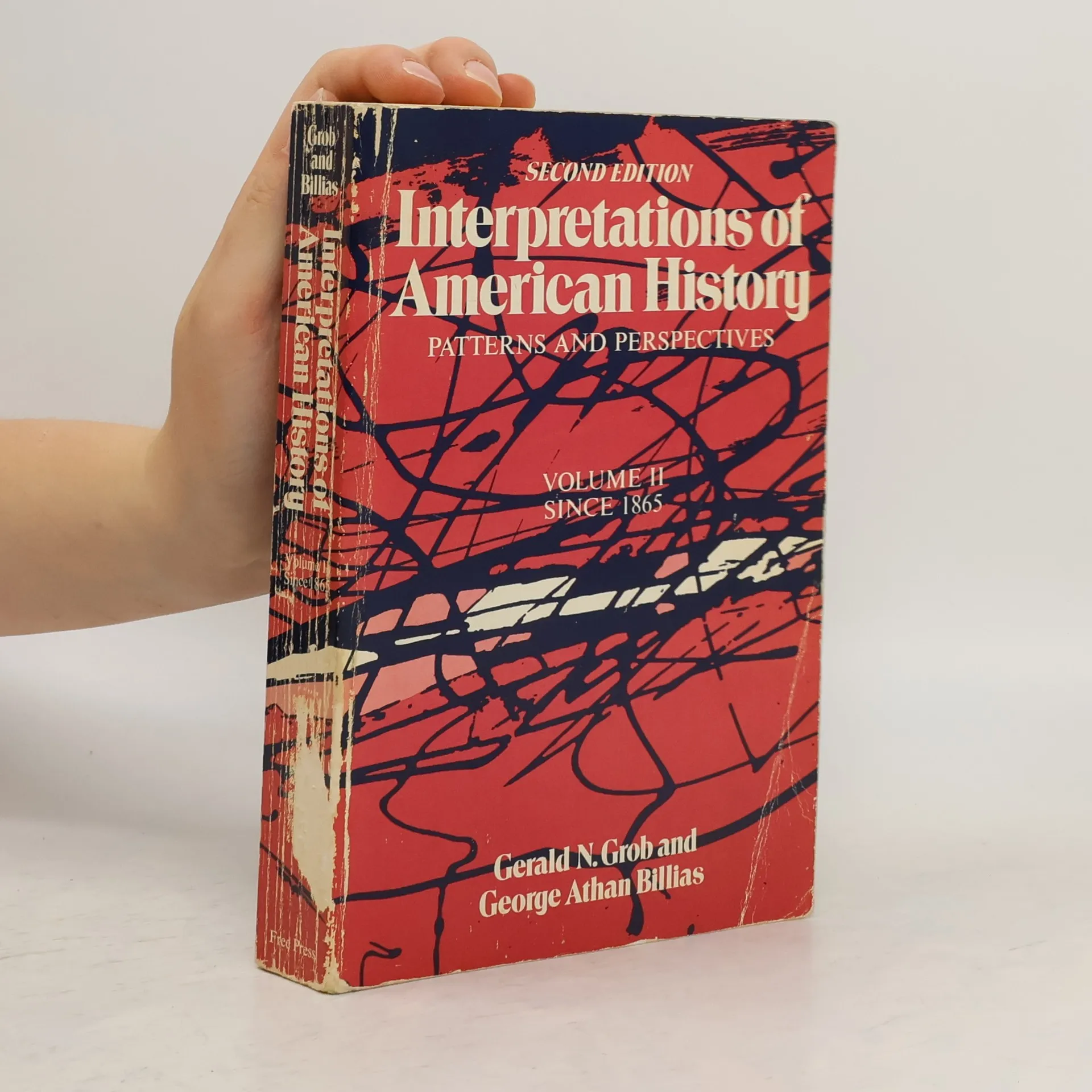
Gerald Grob, Sohn jüdischer Einwanderer aus Polen, absolvierte sein Studium am City College of New York und der Columbia University, bevor er seinen Doktortitel an der Northwestern University erwarb. Seine akademische Laufbahn widmete er der Lehre an der Clark University und später an der Rutgers University bis zu seiner Emeritierung. Seine wissenschaftliche Arbeit befasste sich hauptsächlich mit der Geschichte der Medizin und der psychischen Gesundheit und bot tiefe Einblicke in diese wichtigen Bereiche.
This collection of essays on American history reflects recent scholarship. Contributors new to this edition include Gary Nash, Arthur Schlesinger, Richard P. McCormick, Gerda Lerner, Ellen C. DuBois, Vicki L. Ruiz, Nathan I. Huggins, John Lewis Gaddis, Paul Kennedy and Kevin P. Philips.
This collection of essays on American history reflects recent scholarship. Contributors new to this edition include Gary Nash, Arthur Schlesinger, Richard P. McCormick, Gerda Lerner, Ellen C. DuBois, Vicki L. Ruiz, Nathan I. Huggins, John Lewis Gaddis, Paul Kennedy and Kevin P. Philips.
The Deadly Truth explores the intricate relationship between disease and the peoples of America from pre-Columbian times to today. Grob's key lesson is clear: there can be no ultimate victory over disease. Our ever-changing world introduces new health risks, leading to the emergence of new diseases even as we conquer others. He challenges the notion that disease is unnatural and its eradication achievable, emphasizing the biological persistence of illness.
Diseases like malaria and cancer have profoundly influenced the social landscape, manifesting through sudden outbreaks or gradual cycles of control and recurrence. Grob combines statistical data with specific populations and locations, revealing the broader patterns of disease over centuries. He illustrates how much of our history, culture, and nation-building has been shaped—often unnoticed—by environmental factors and the diseases they engender.
The way we live continues to influence the diseases we face. By acknowledging the ongoing presence of disease and its historical interactions with people and places, Grob sheds light on the complex forces that determine our health outcomes. He offers a nuanced understanding of the individual, social, environmental, and biological factors that contribute to human morbidity and mortality.