

Jon E. Lewis ist ein Historiker und Autor, dessen Werk die Vergangenheit erforscht. Als Herausgeber hat er zahlreiche Anthologien zusammengestellt, die fesselnde Erzählungen und vielfältige Stimmen vereinen. Seine Schriften werden für ihre Tiefe und ihr Engagement geschätzt und sprechen ein breites Lesepublikum an, das sich für historische Berichte und abenteuerliche Geschichten interessiert. Lewis' unverwechselbarer Ansatz bietet den Lesern neue Perspektiven auf bedeutende Ereignisse und menschliche Erfahrungen.
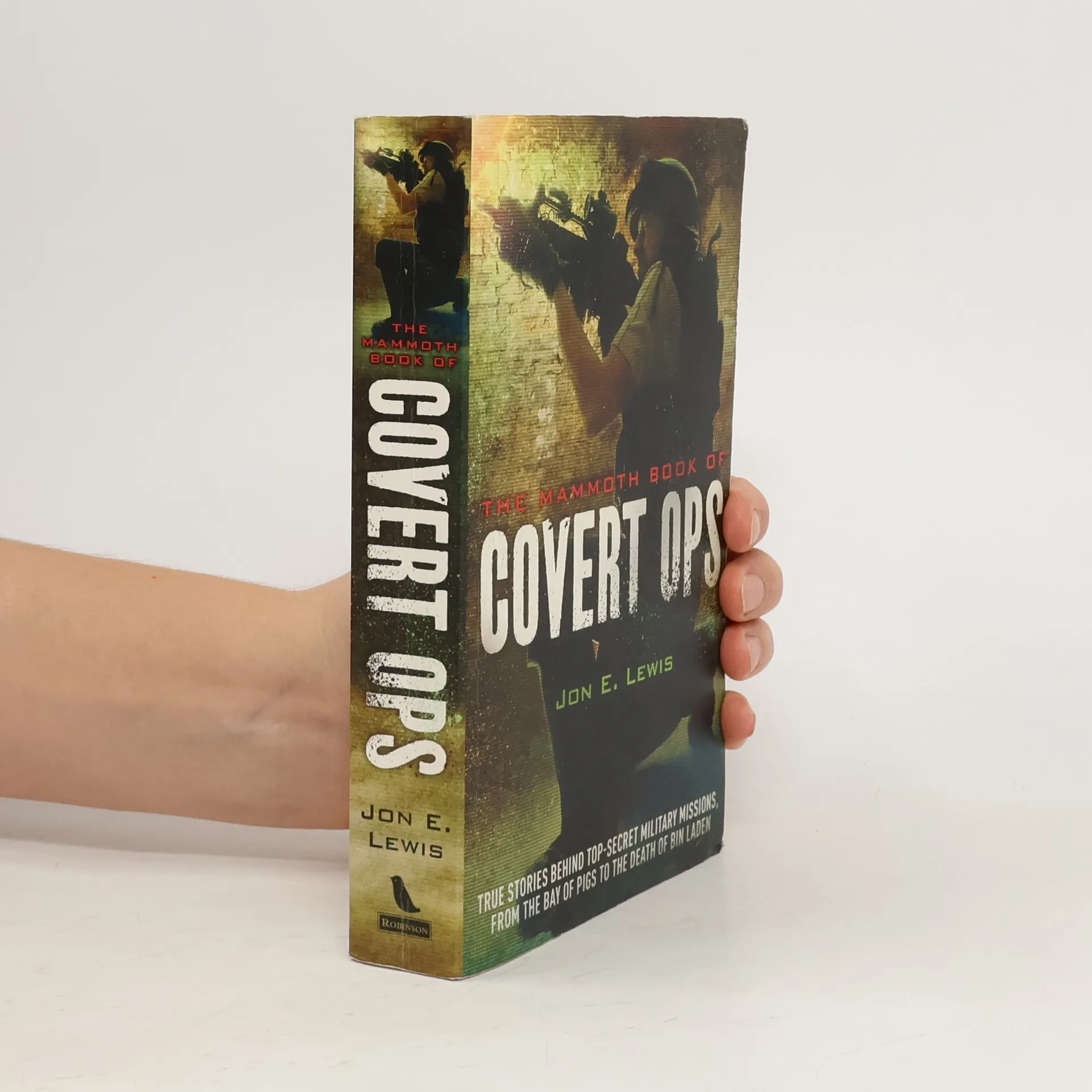
Twenty true stories of covert military operations, from raids into Laos by
elite unit MAC-V-SOG to cut the Ho Chi Minh trail during the Vietnam War to
the US Navy SEAL 6 operation Neptune's Spear in Abbottabad which resulted in
the death of Osama bin Laden.
Focusing on the intersection of American film and culture, this book delves into the iconic yet often overlooked characters of '60s cinema. It offers a fresh perspective on the clash between the counterculture movement and Hollywood's traditional industry, highlighting the era's significant cultural shifts. The author, known for his insightful critiques and engaging storytelling, enriches the narrative with detailed historical context, making it a vital contribution to film history and an essential read for enthusiasts of the genre.
Francis Ford Coppola's The Godfather, Part II (1974) is a magisterial cinematic work, a gorgeous, stylized, auteur epic, and one of the few sequels judged by many to be greater than its predecessor. This despite the fact that it consists largely of meetings between aspiring 'Godfather' Michael Corleone and fellow gangsters, politicians and family members. The meetings remind us that the modern gangster's success is built upon inside information and on strategic planning. Michael and his father Vito's days resemble those of the legitimate businessmen they aspire or pretend to be.Jon Lewis's study of Coppola's masterpiece provides a close analysis of the film and a discussion of its cinematic and political contexts. It is structured in three “The Sequel,” “The Dissolve,” and “The Sicilian Thing” – accommodating three avenues of inquiry, the film's importance in and to Hollywood history, its unique, auteur style and form; and its cultural significance. Of interest, then, is New Hollywood history, mise-en-scene, and a view of the Corleone saga as a cautionary capitalist parable, as a metaphor of the corruption of American power, post-Vietnam, post-Watergate.
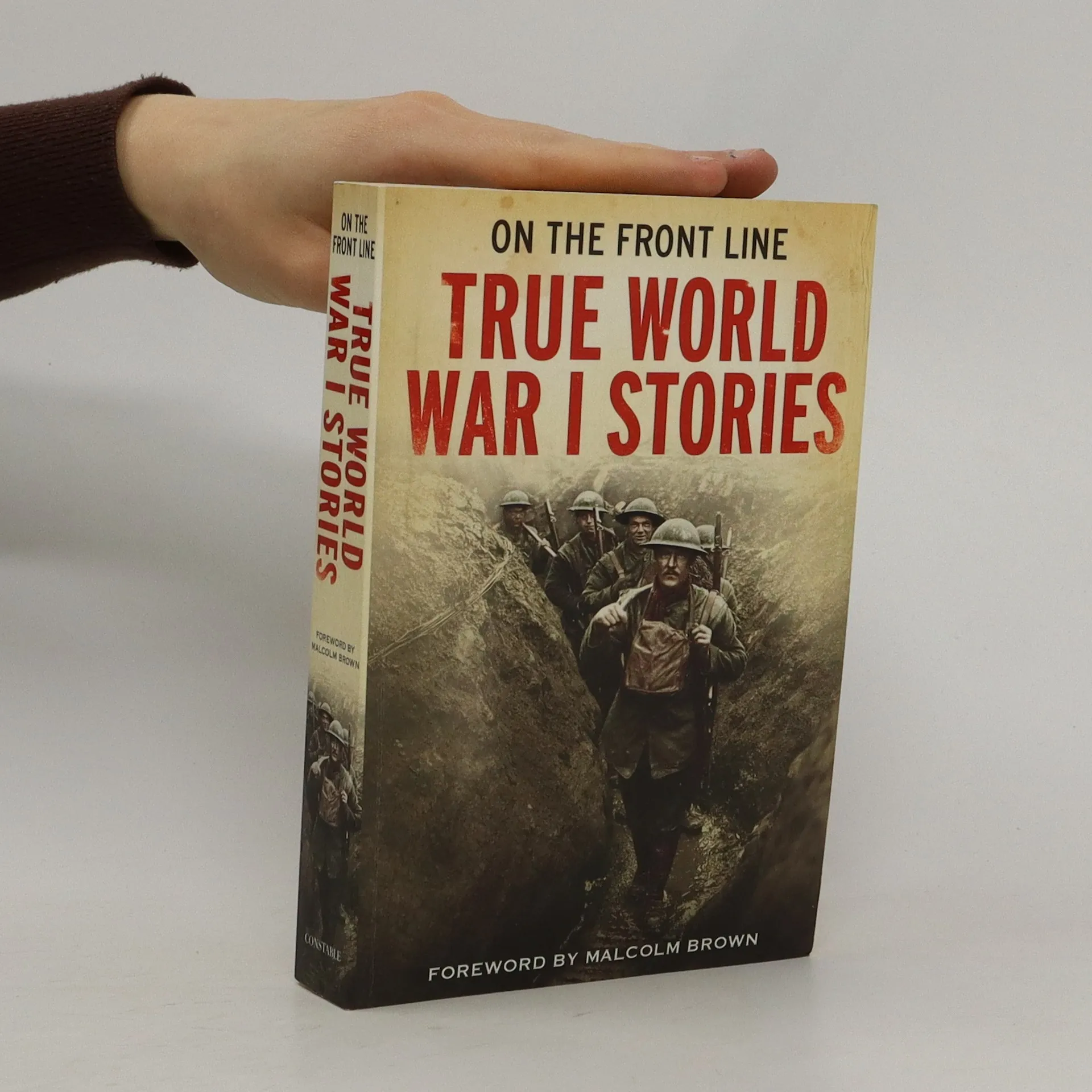
This collection contains 60 personal accounts of the war to end all wars, including the first gas attack, life in the trenches, Gallipoli, the war at sea, aerial dogfights and life as a prisoner of war.
Acknowledgements -- Foreword to the 2022 edition -- 1. Believe in America -- 2. I Believe in Hollywood -- 3. I Believe in the Mafia -- Notes -- Credits.
Exploring the themes of empathy and connection, this book follows a protagonist who embarks on a journey of self-discovery while helping others. Through a series of encounters, the character learns the impact of kindness and the importance of community. The narrative weaves together personal growth and the transformative power of reaching out, ultimately highlighting how small acts can lead to significant changes in both the helper and those they assist.
Exploring the evolution of a relationship, the narrative delves into the initial meeting of the characters, the development of their bond, and the factors that contributed to its strength. Through various experiences and challenges, the story highlights the depth of connection and emotional growth between them, showcasing the journey from acquaintances to a profound partnership. Themes of love, resilience, and the power of human connection are intricately woven throughout the tale.