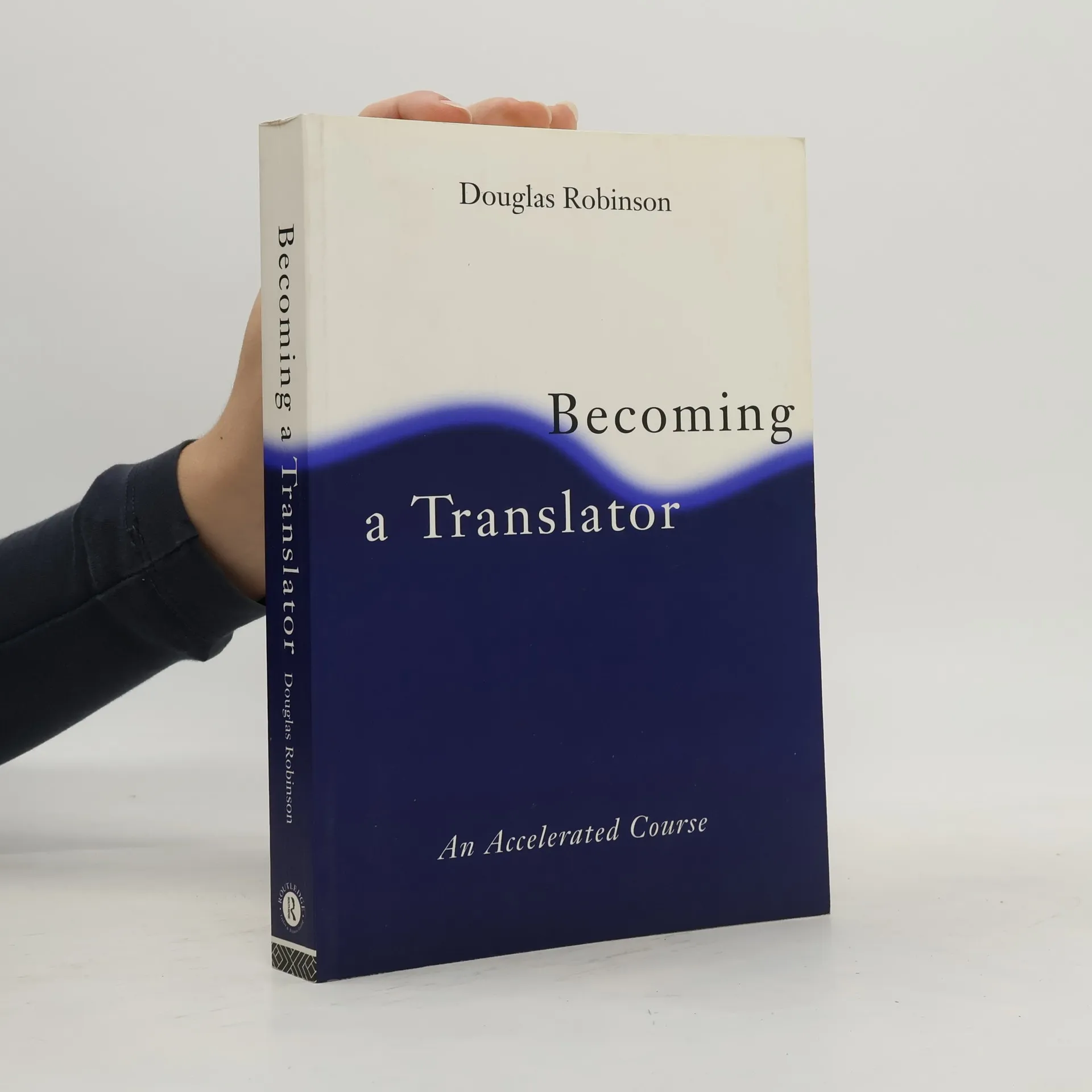
Douglas Robinson presents an innovative approach to translation by integrating translation theory and the practical skills required by the working translator. The book provides the type of information and advice that novice translators really need: * how to translate faster and more accurately * how to deal with arising problems and stress * how the market works * includes a wide variety of lively activities and exercises to facilitate the learning of both theory and practice * includes a detailed Teachers Guide - contains suggestions for discussion and activities and hints for the teaching of translation. Becoming a Translator has been specifically designed for introductory undergraduate courses in the theory and practice of translation. It will also be of interest to professional translators and students of translation and language.
Douglas Robinson Bücher


Building on Michael S. Gazzaniga's Interpreter Theory, this volume significantly broadens the theoretical and methodological landscape of translational priming research. It is particularly valuable for scholars in translation and interpreting studies, with a focus on cognitive aspects of translation and interpreting. The book offers innovative insights that will appeal to researchers seeking to deepen their understanding of cognitive processes in translation.
Translation as a Form
A Centennial Commentary on Walter Benjamin's "The Task of the Translator"
- 210 Seiten
- 8 Lesestunden
Focusing on Walter Benjamin's influential 1923 essay, this commentary offers in-depth analysis across 78 passages, making it essential for scholars and postgraduate students. It explores themes of translation, comparative literature, and critical theory, providing valuable insights into Benjamin's ideas and their implications for understanding translation's role in literature and culture.
The Experimental Translator
- 208 Seiten
- 8 Lesestunden
Exploring the innovative realm of experimental translation, this book delves into various translator archetypes, including the hypercyborg, collage, smuggler, and heteronymous translators. Each type is examined through a unique lens, highlighting their distinct approaches and contributions to the field. This celebration of translation as a creative and multifaceted practice encourages readers to rethink traditional notions of language and interpretation.
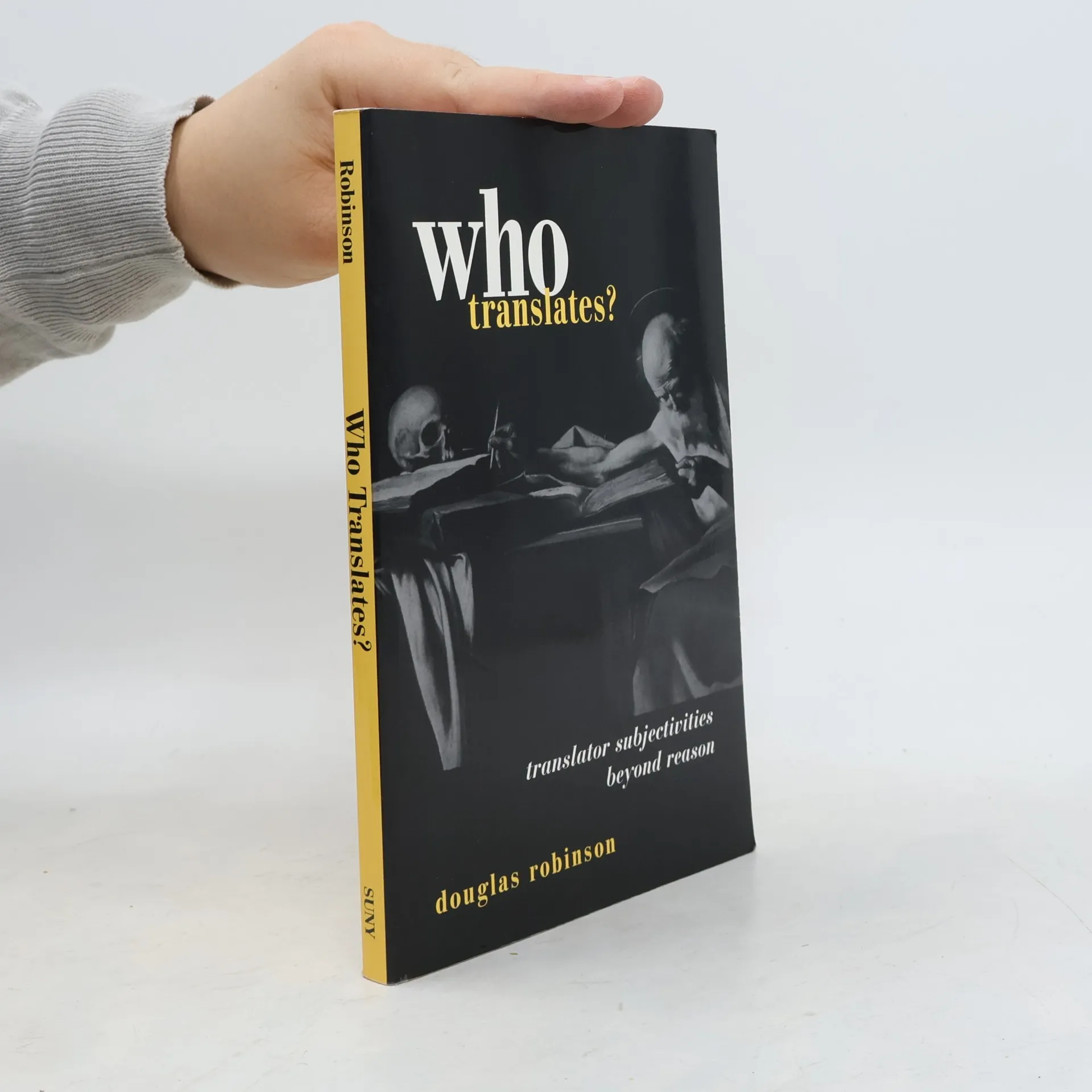
The book presents a postrationalist view of translation that emphasizes the dynamic interplay of voices and textualities rather than the translator's rational mastery over language. It explores how translation is shaped by a fluid exchange of meanings, suggesting that the act of translating is more about engaging with diverse expressions and interpretations than adhering to strict linguistic rules. This perspective invites a deeper understanding of the complexities involved in the translation process.