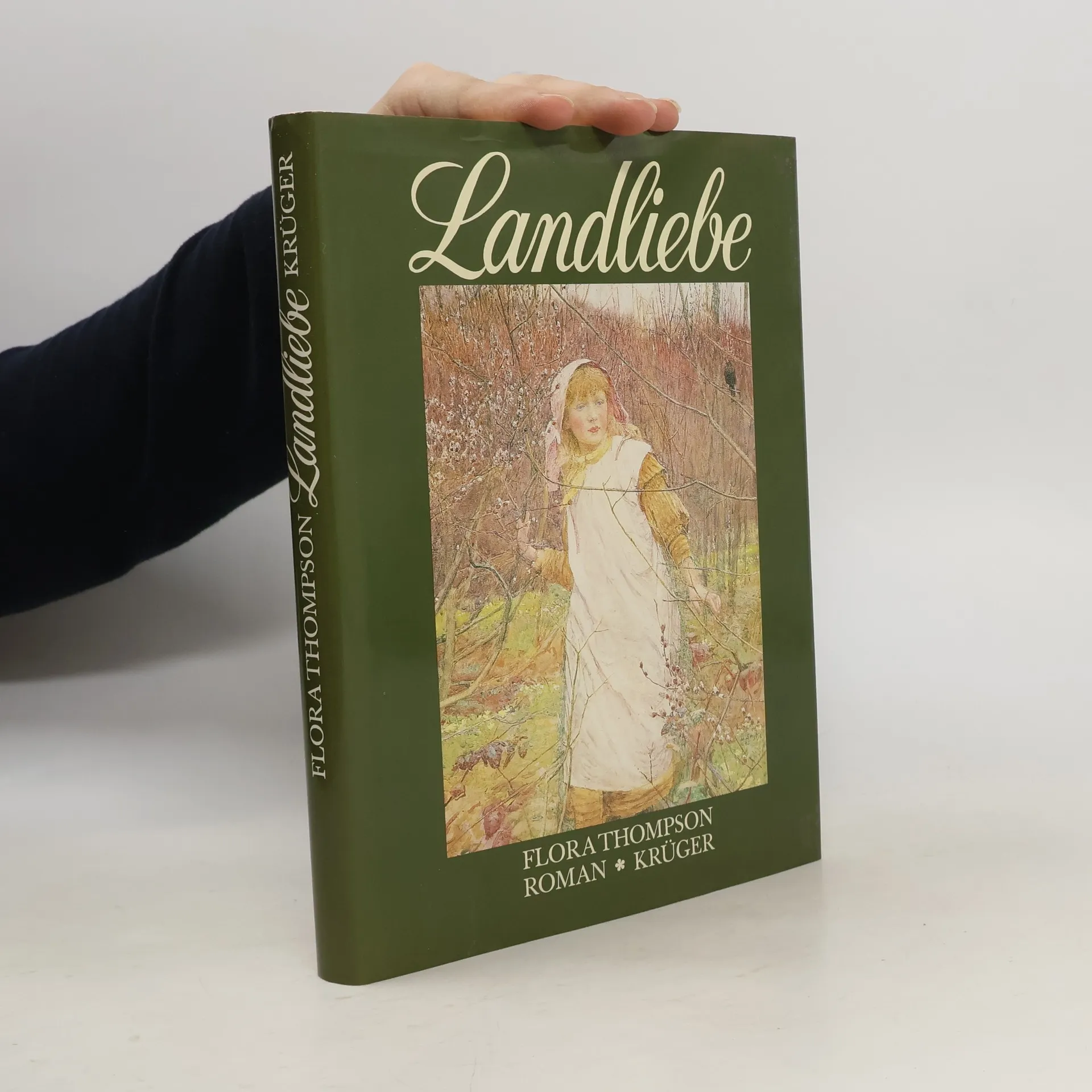
Landliebe
- 230 Seiten
- 9 Lesestunden


Flora Jane Thompson ist berühmt für ihre semi-autobiografische Trilogie, die das Wesen der englischen Landschaft einfängt. Ihre Werke, die heute als kleine Klassiker gelten, bieten eine fiktionalisierte und doch persönliche Sozialgeschichte des ländlichen englischen Lebens an der Wende zum 20. Jahrhundert. Als begeisterte autodidaktische Naturforscherin erstreckte sich Thompsons literarisches Talent auch auf Kurzgeschichten und Gedichte, wobei sie ihre Prosa mit detaillierten Beobachtungen durchdrang. Ihre unverwechselbare Stimme erweckt die Landschaften und das Leben einer vergangenen Ära lebendig zum Leben.

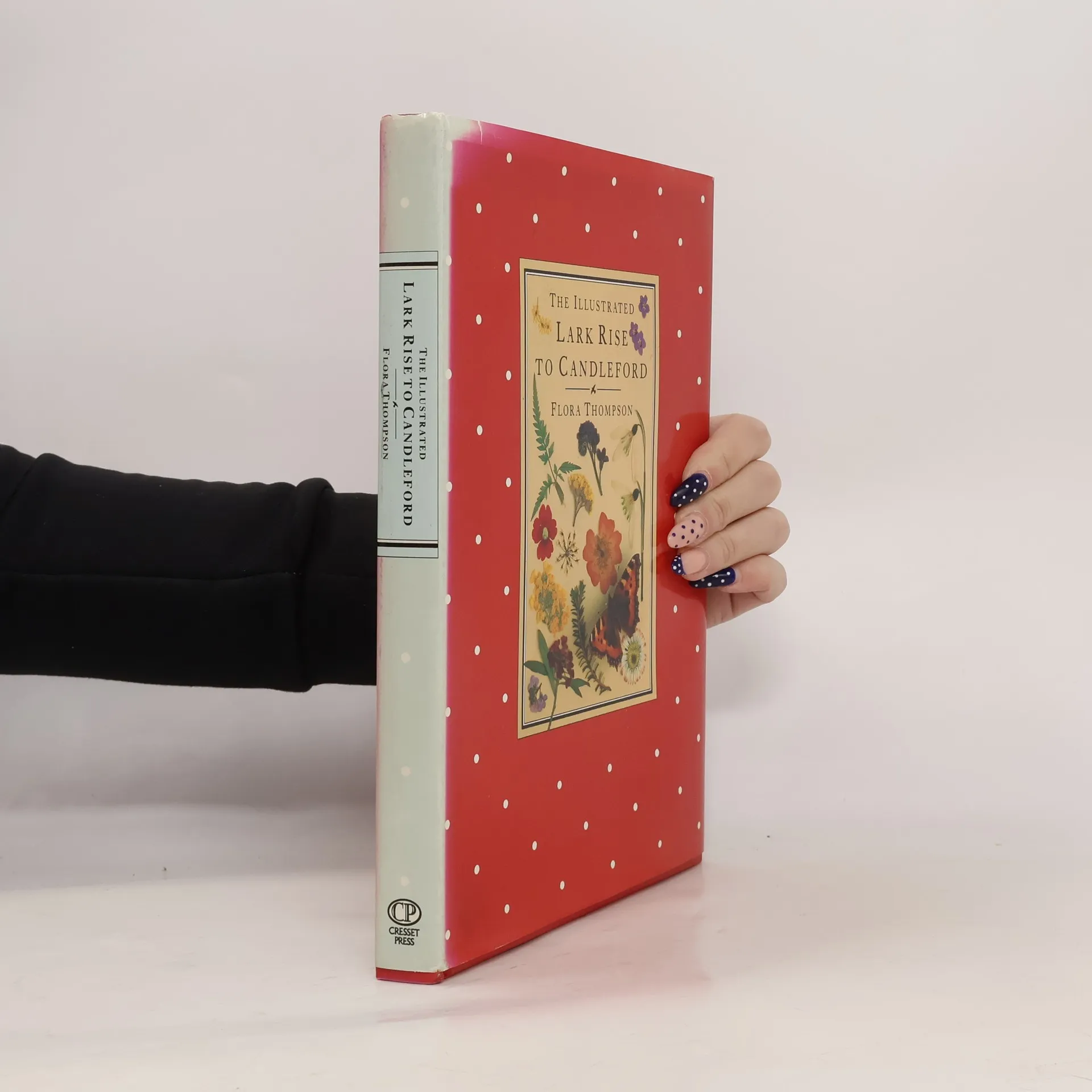
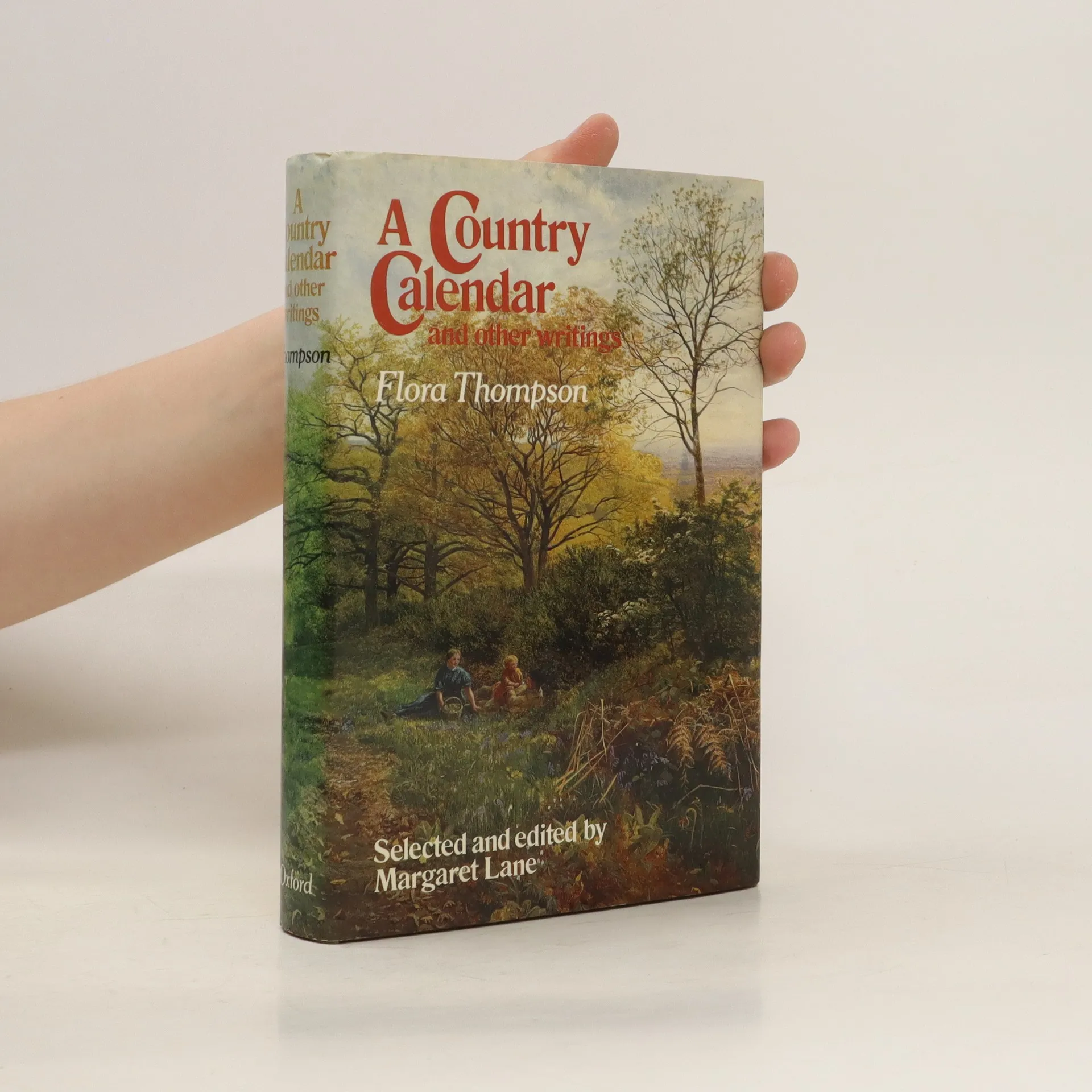
A collection of the articles Flora Thompson wrote for a small magazine, the Catholic Fireside, between 1916 and 1928, when she lived in Liphook in Hampshire as the postmaster's wife. Her interest was captured by many things, including a kestrel hunting in the January skies, the return of migrant birds in April, the skies of the elder tree, and the solitary life of the plowman. Flora Thompson is perhaps best-known as the author of the classic, Lark Rise to Candleford, and her remarkable observations about the countryside form a valuable part of the glory of rural England.
Flora Thompson's trilogy Lark Rise to Candleford is one of the best-loved of all books about the English countryside. It was published forty years ago, and the past it describes is now a century away. Yet it remains perhaps the most vivid, detailed and immediate portrait of country life ever written.
Set in late 19th century Oxfordshire, this trilogy offers a tender portrayal of rural life on the brink of change due to mechanization. The first volume focuses on Laura's childhood in the quaint hamlet of Lark Rise, capturing the essence of her small community and its traditions. As villagers seek better opportunities in towns, the narrative reflects on the beauty and simplicity of a vanishing way of life, highlighting the rich details and rituals that define Flora Thompson's formative experiences.
Set in the late 19th and early 20th century, this work provides a fictionalized, autobiographical glimpse into rural English life. Flora Jane Thompson, known for her evocative portrayals of the countryside, captures the essence of the era through rich social history. As a minor classic, it reflects her deep connection to the landscape and community, offering readers a nostalgic view of the past.