Roberts Davidsons Schriften sind tiefgreifend von seinem umfangreichen Hintergrund als Bauingenieur geprägt, eine vergangene Erfahrung, die seine einzigartige Perspektive auf die Welt formt. Seine Werke erforschen oft Themen, die in der Landschaft und der menschlichen Verfassung darin verwurzelt sind. Über seine eigene Autorschaft hinaus spielt Davidson als Gründer und Herausgeber eine bedeutende Rolle in der literarischen Gemeinschaft und fördert und beeinflusst die zeitgenössische schottische Literatur. Seine Ausflüge in die Poesie und Libretti unterstreichen zusätzlich die Breite seiner kreativen Talente.
Die Monographie bietet umfassende Einblicke in die Entwicklung und Praxis der Erlanger offenen Fürsorge. Sie untersucht die psychiatrischen und politischen Ansichten von Gustav Kolb, dem Begründer dieser Einrichtung, sowie dessen Einstellung zur psychiatrischen Eugenik, dem Nationalsozialismus und der erbbiologischen Forschung von Ernst Rüdin. Damit wird ein kritischer Blick auf die historischen Zusammenhänge und ethischen Fragestellungen innerhalb der Psychiatrie geworfen.
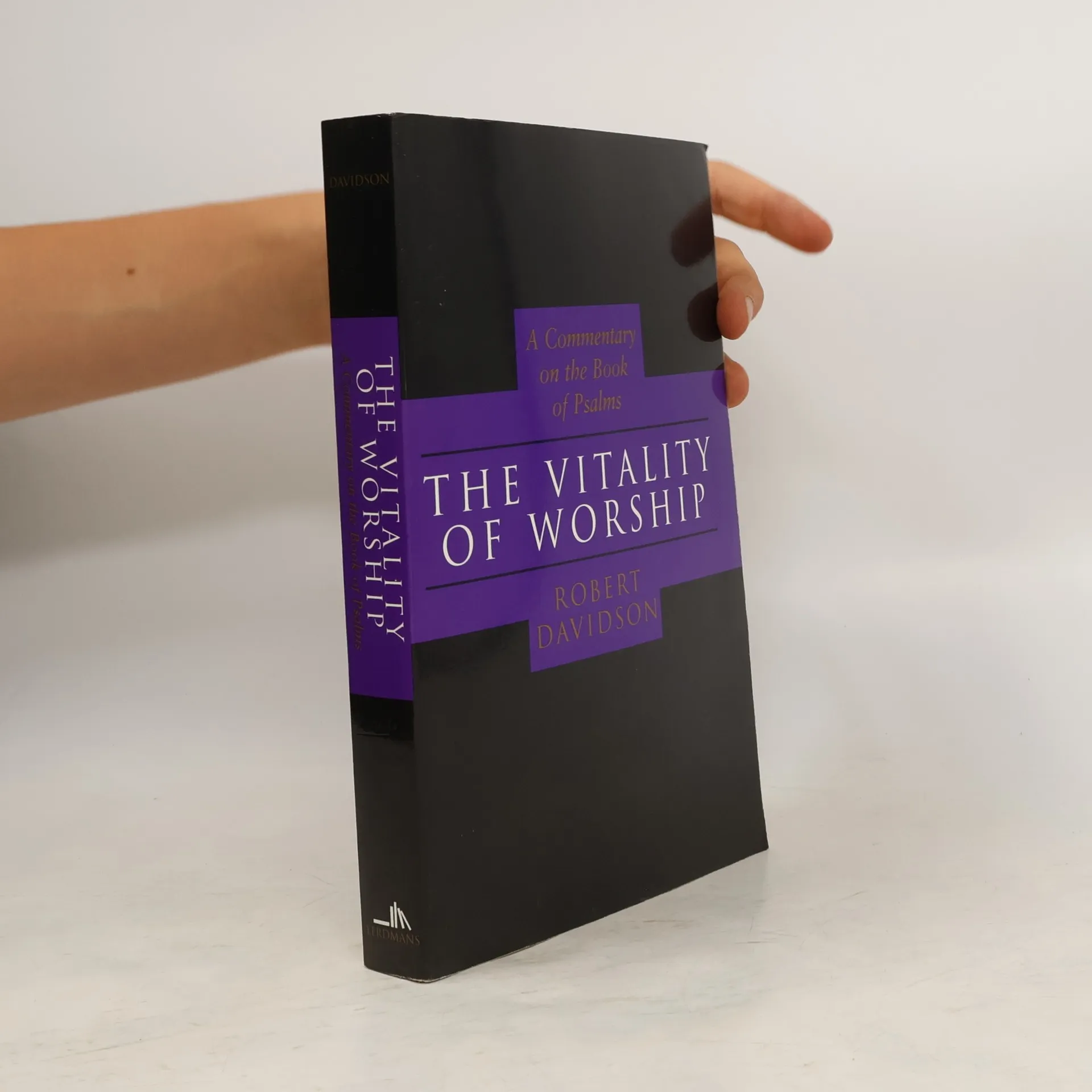
For centuries the Psalms have been central to Jewish and Christian tradition and spirituality. In them can be found echoes of the whole range of human experience and need, from praise to protest, from ringing certainty to unanswered questions, from quiet confidence to the dark night of the soul. This commentary by Robert Davidson shows how a contemporary critical approach to the Psalms can throw light not only on their meaning in their original context in the life of ancient Israel, but on their continuing relevance for worship today. Taking primarily a theological approach to the Psalms, Davidson shows how the vitality and richness of the Psalms-a richness that reflects our own life experiences today-can be significantly more helpful to our private spiritual lives and our public worship than many of the hymnbooks currently being used. In drawing on contemporary worship sources, both Jewish and Christian, this commentary will appeal as much to general readers and worship leaders as to scholars, students, and pastors.
This autobiography recounts the life of Robert Davidson, famed for his iconic photograph of Frank Zappa on the toilet, chatting with his wife. Known as the ‘Zappa Krappa,’ these images achieved cult status, with Zappa humorously noting, “I’m probably more famous for sitting on the toilet than for anything else.” On August 16, 1967, at The Royal Garden Hotel, Robert was present for a press call for Zappa’s concert at the Royal Albert Hall. Amidst the sweltering heat and bustling press, Zappa retreated to the bathroom. Exploring the penthouse, Robert stumbled upon Zappa in a candid moment, and with permission, captured the unforgettable shot. This photograph became a worldwide bestseller, yet Robert never received royalties. The narrative chronicles his quest to reclaim copyright and ownership of the negatives, weaving through the drug-fueled Swinging Sixties in London. Notable figures like the Krays and models Twiggy and Kate Moss populate the story. More than a tale of copyright struggles, it reflects Robert’s personal journey, balancing family life with mental health challenges. This account is one of serendipity and redemption, showcasing Robert's resilience and humanity, seen through the lens of his camera.
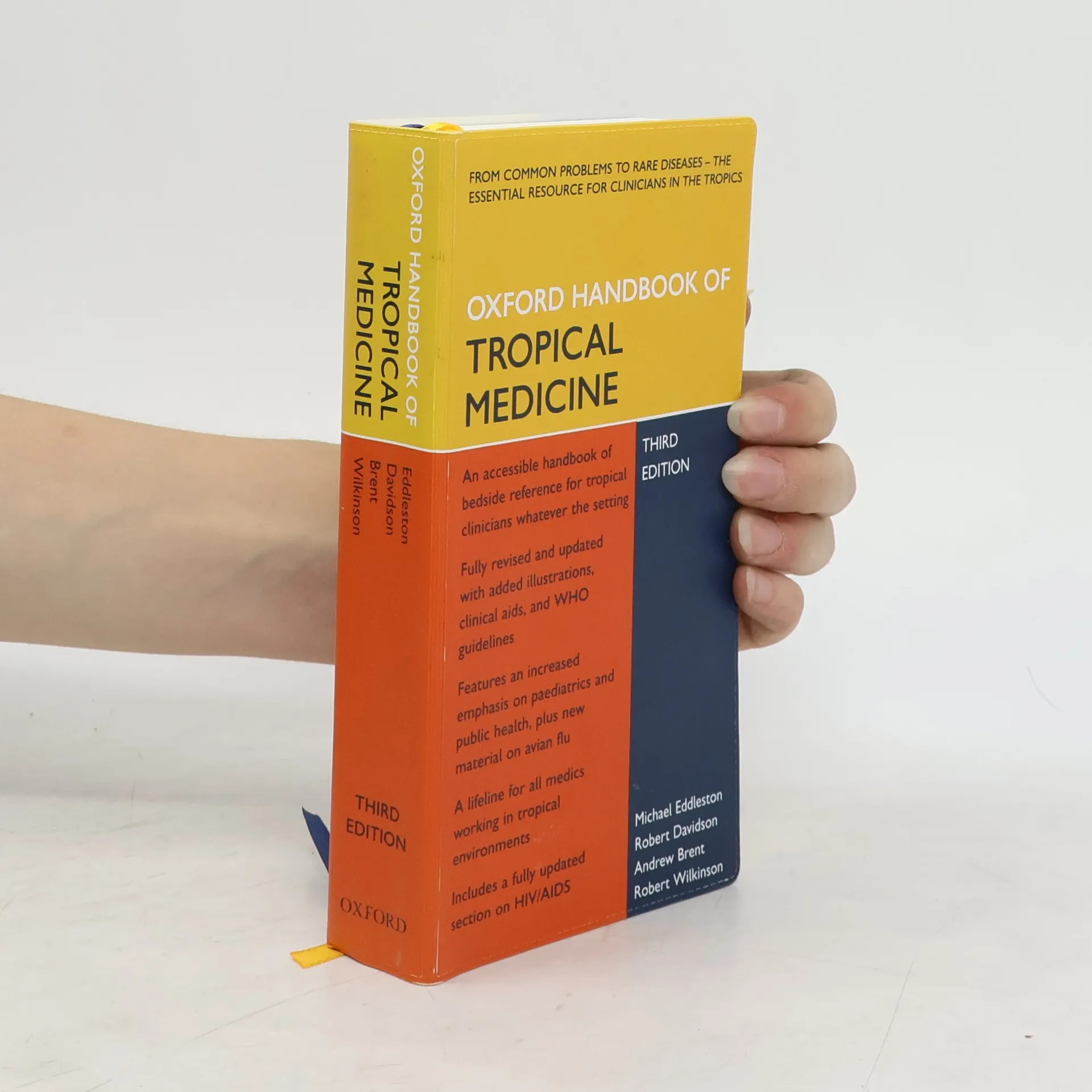
From Common Problems to Rare Diseases - The Essential Resource for Clinicians in the Tropics - Third Edition
872 Seiten
31 Lesestunden
Delivering the facts to your fingertips, the Oxford Handbook of Tropical Medicine provides an accessible and comprehensive, signs-and-symptoms-based source of information on medical problems commonly seen in the tropics. A handy guide which can fit in the coat pocket and be used easily at the bedside, it has been designed to be as practical as possible with illustrations of blood films and stool smears, which are useful for diagnosis, as well as clinical features, diagnosis, and management. Medical conditions are ordered by system except for the five major tropical conditions - malaria, HIV/STIs, tuberculosis, diarrhoeal diseases, and acute respiratory infections - and fevers. In this new edition the sections on malaria, cardiology, chest medicine, gastroenterology, mental health and dermatology have undergone major revision, and there is new material on altitude sickness, heat stroke, avian flu and fuller poisoning. There is a greater emphasis on pediatric medicine and public health throughout, and new illustrations and photographs have been included to aid with diagnosis. Small enough to throw in your rucksack, this unique handbook is the ultimate quick reference guide for all those working in the tropics.
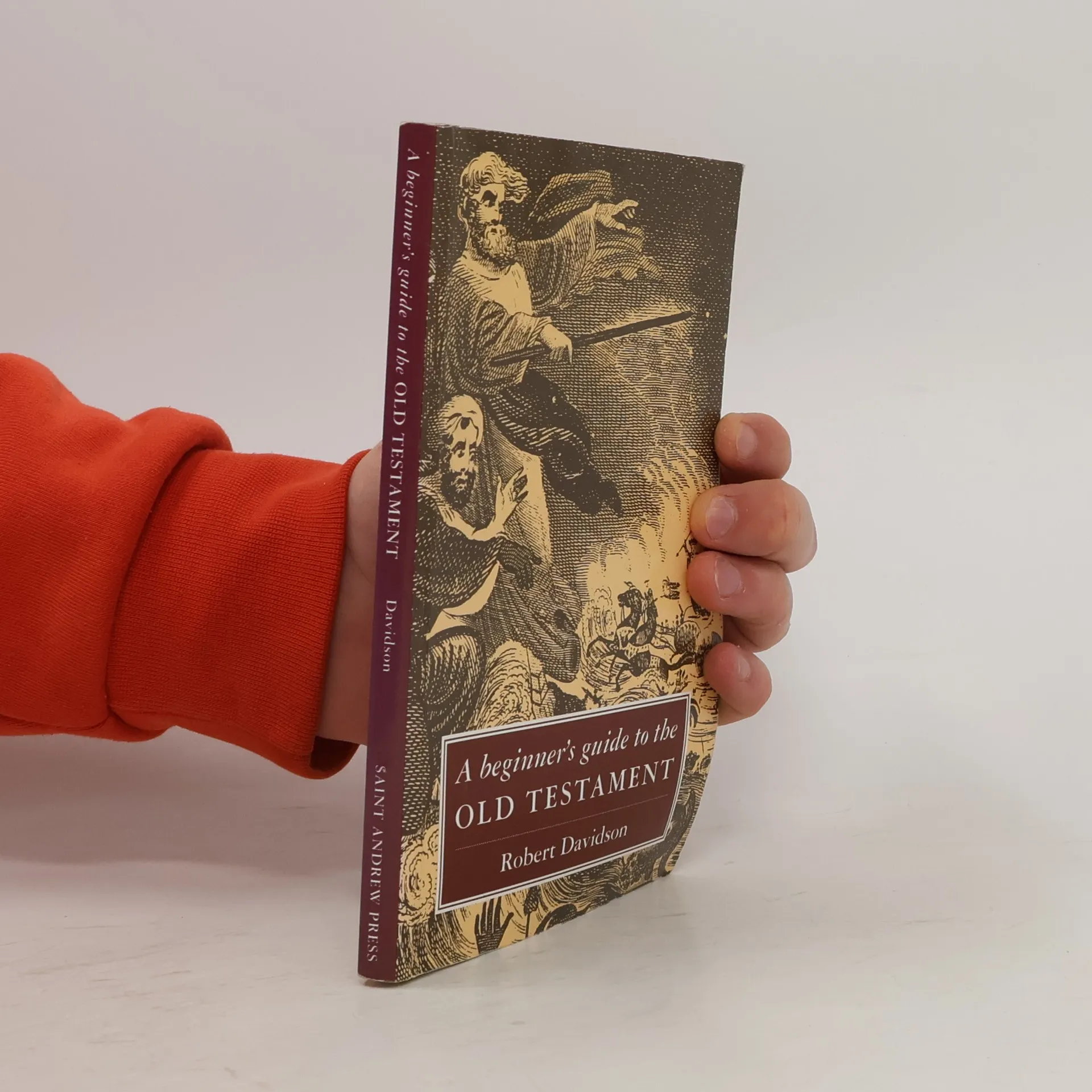
A companion volume to Robert Davidson's Guide to the New Testament, this book provides a very useful means for many to open this rather closed, often puzzling collection of books which are known as the Old Testament.
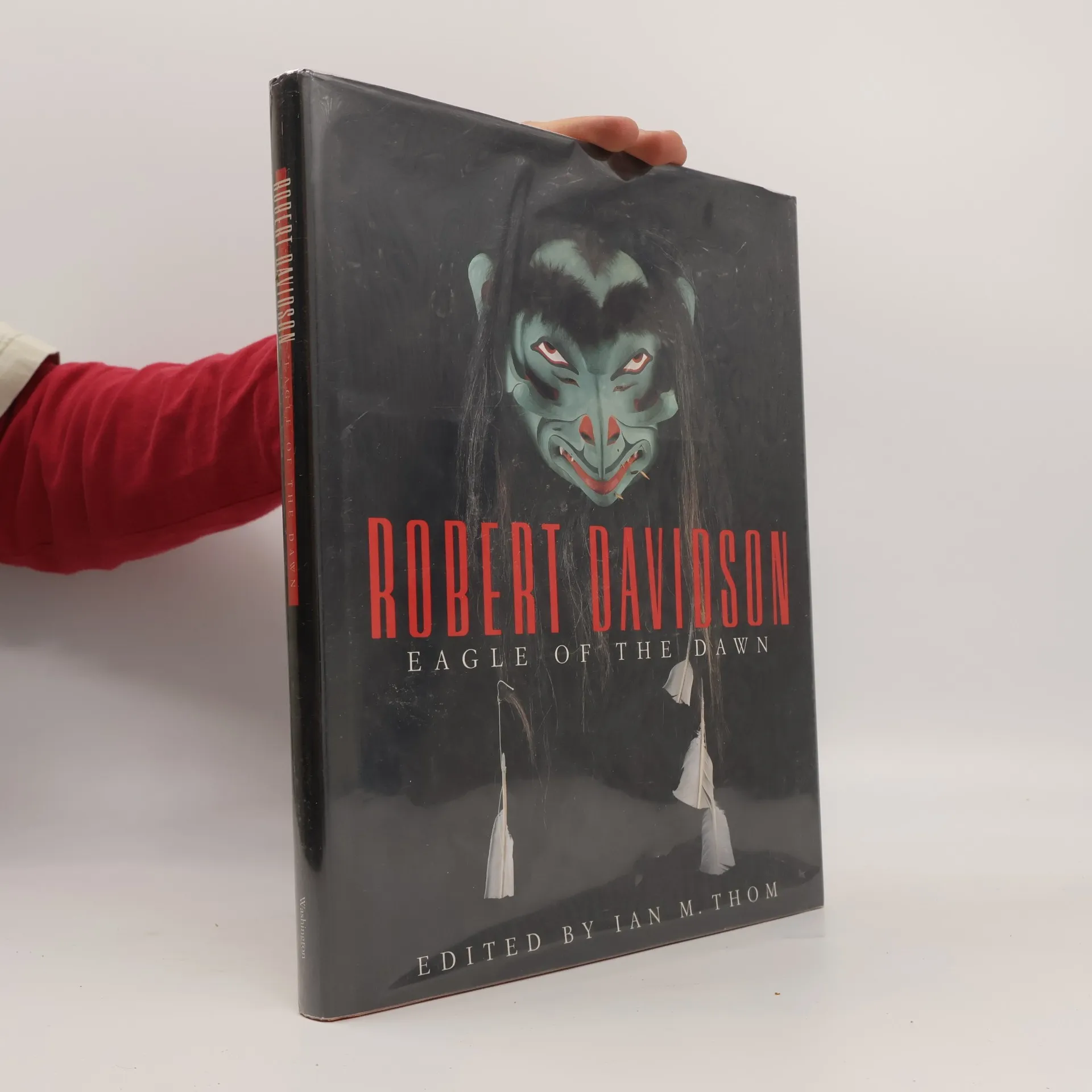
Photographs and discussion of the work of Native American artist Robert Davidson. Supplies a good overview of the artist's sculptures, paintings, drawings, and jewelry. Annotation copyright Book News, Inc. Portland, Or.
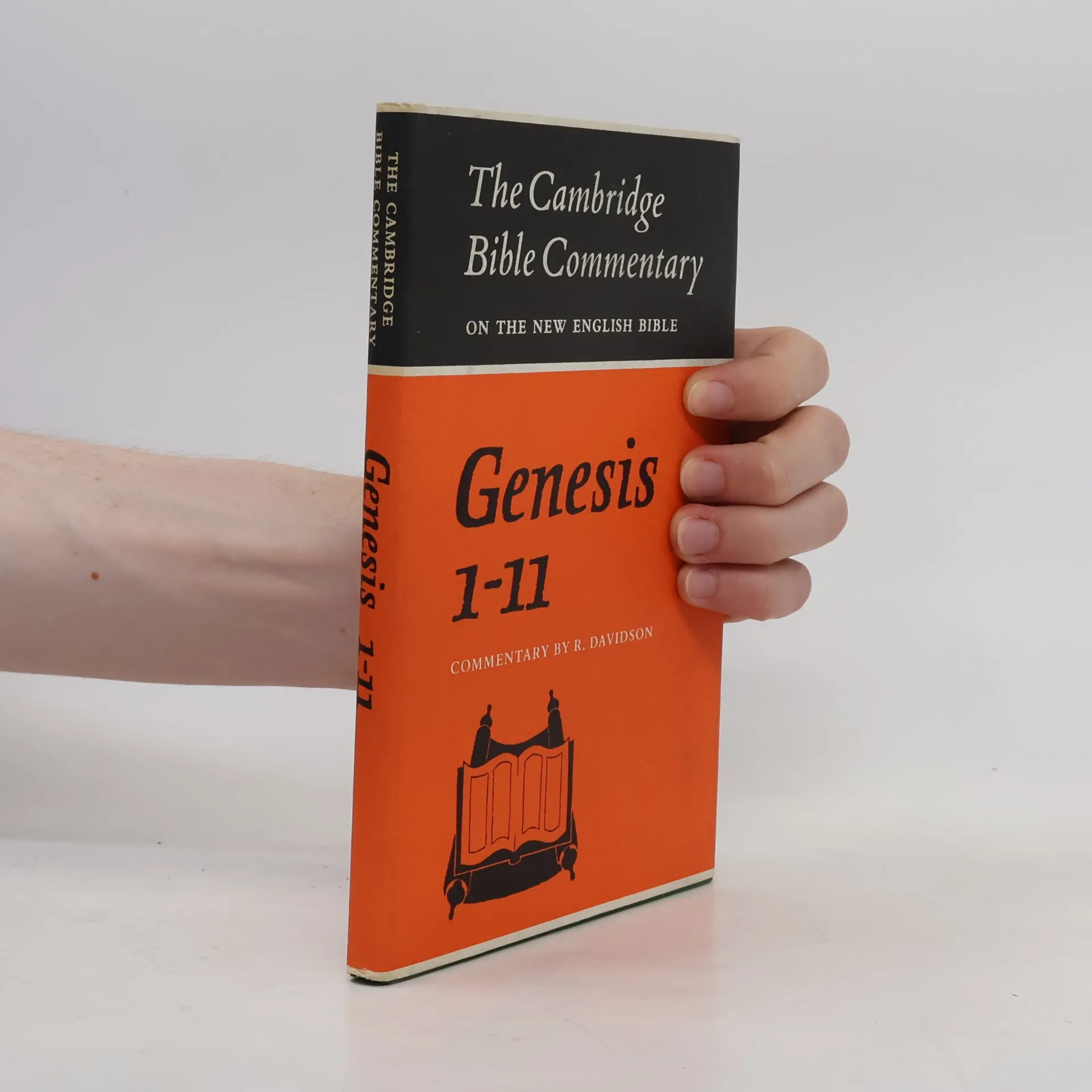
Chapters 1 11 of Genesis are like a poetic prologue to the early history of the Jewish people and to their religion. For Christianity also they later fulfil a similar purpose. Professor Davidson takes these chapters as a separate unity, comments on them, and explains their religious significance and their place in the Bible as a whole. Introductory sections on the sources and purpose of the book, and the meaning of myth, lead straight into the text and commentary which alternate with each other in the style of the series.