
Bookbot

Hiroshi Hirata

    Hiroshi Hirata ist ein Manga-Künstler, der sich auf den Gekiga-Stil, auch bekannt als „dramatische Bilder“, spezialisiert hat, der für seine realistische und wirkungsvolle Zeichenkunst bekannt ist. Sein einzigartiger Ansatz integriert kunstvolle Kalligrafie für Dialoge und verleiht seinen Samurai-Erzählungen eine unverwechselbare visuelle und textliche Ebene. Hiratas Kunstfertigkeit hat sowohl bei Kritikern als auch bei Kollegen von Manga-Schöpfern Bewunderung hervorgerufen und wird für ihre detailreiche und fesselnde Ästhetik geschätzt.

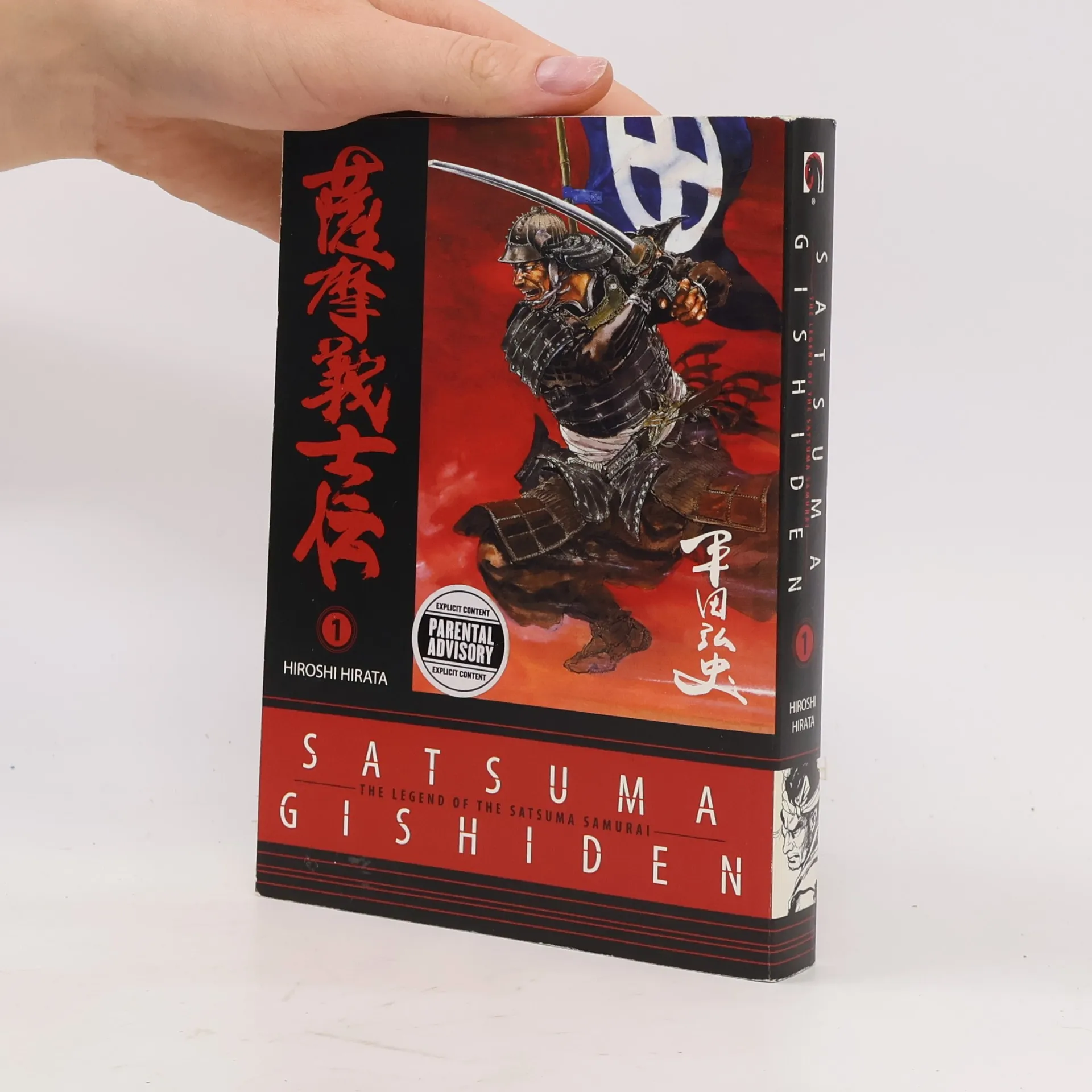
    Satsuma Gishiden
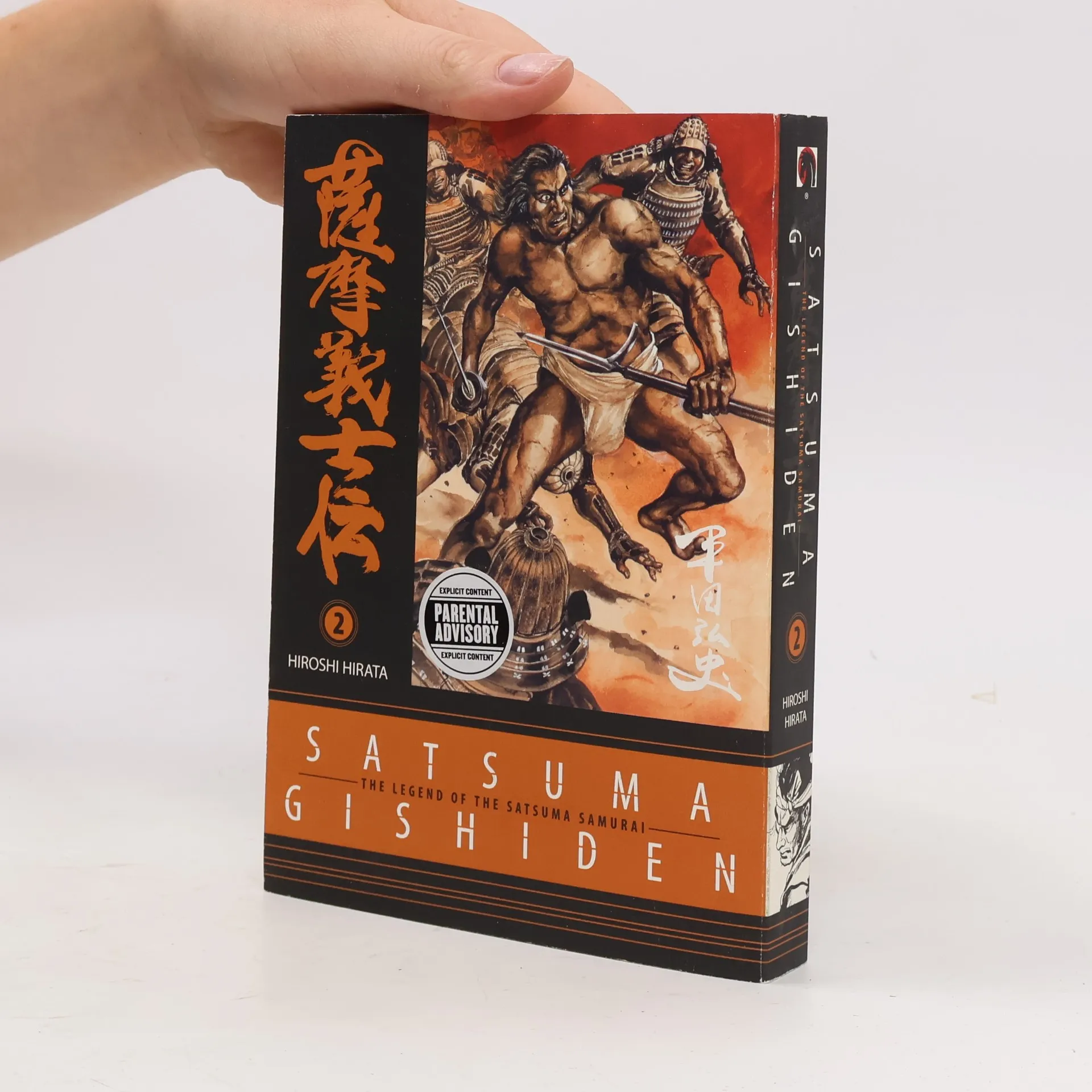
    Satsuma Gishiden Volume 2
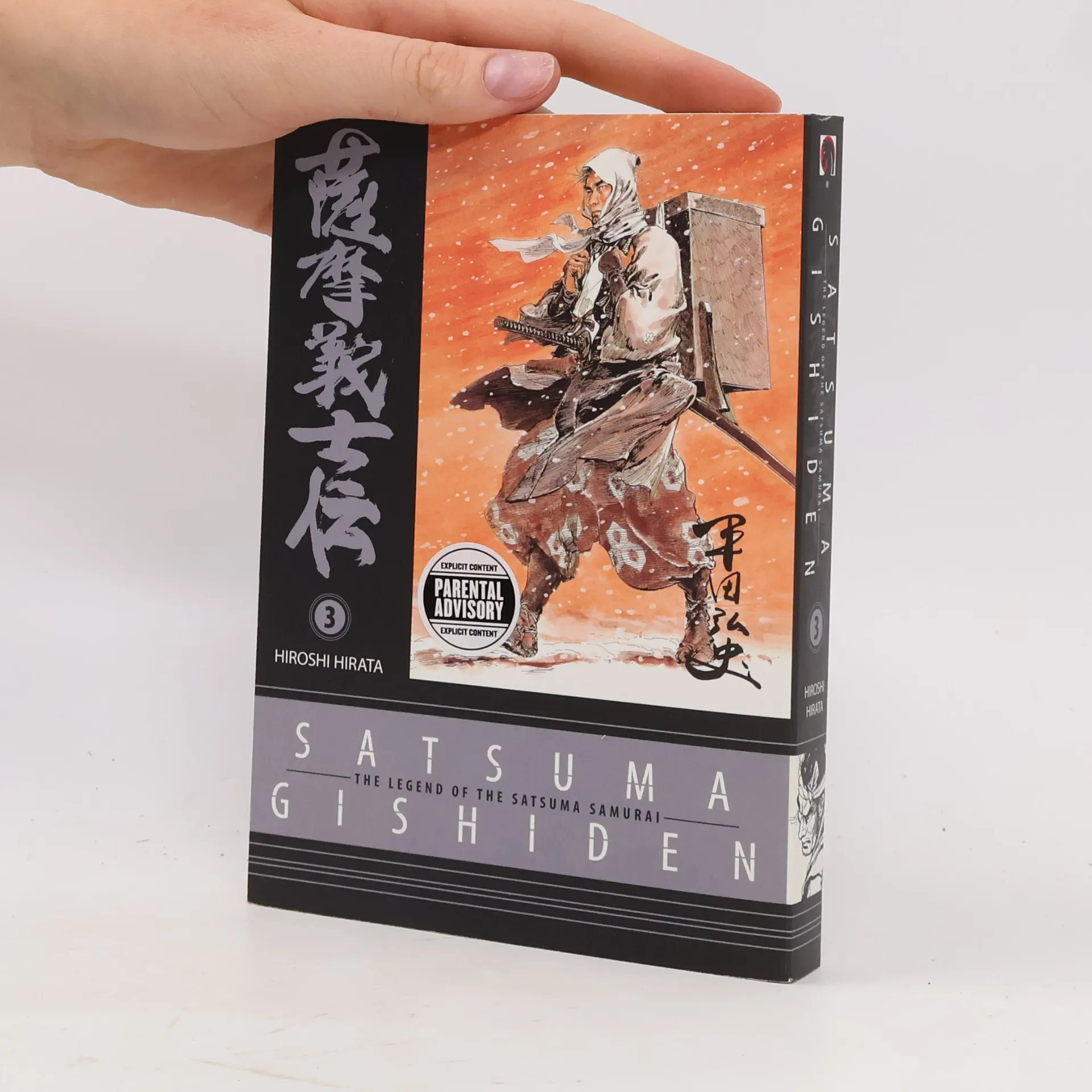
    Satsuma Gishiden Volume 3
    Bloody Stumps Samurai
    • Bloody Stumps Samurai

      • 168 Seiten
      • 6 Lesestunden

      THIS. IS. GEKIGA. Idolized by creators across the arts, from Akira's Otomo Katsuhiro to novelist Mishima Yukio, Hirata Hiroshi (b. 1937) is widely considered one of the most talented and influential artists of the comics medium in Japan. Known to English readers through such titles as Satsuma Gishiden (Dark Horse Comics), Hirata has been killing the samurai genre since the late 1950s with manga of jaw-dropping draftsmanship and heart-stopping cruelty. His work is essential, unforgettable, unparalleled, and in the case of Bloody Stumps Samurai (1962) also too radical for its own good. With this book, published here for the first time in any Western language, Hirata set out to draw a passionate critique of discrimination against the Japanese outcaste community known as the burakumin, around the character of Gennosuke, a burakumin youth whose mission to avenge and uplift his peoples through the sword goes horribly and gorily wrong. Though clearly intended as an anti-racist broadside, Bloody Stumps Samurai rubbed the Buraku Liberation League the wrong way, leading to copies being confiscated and burned and Hirata temporarily blacklisted. With essays explaining the history and politics of the work by critic Kure Tomofusa and translator Ryan Holmberg, this edition will blow your mind and turn your stomach. It is essential reading for all fans of Japanese history or pop culture.

      Bloody Stumps Samurai
      3,7
    • Satsuma Gishiden Volume 3

      • 256 Seiten
      • 9 Lesestunden

      Water is a force to be reckoned with. It can berak metal in an instant, or over time. And it surely can shatter a society crippled by politics and fear. This is the story of Edo-era Japan, of a nation divided by social strata and infighting. A few bold samurai must force many disparate and poor regions to sacrifice their very lives for the future - in order to hold back the nation's raging rivers. In this original tale of blood, guts, brutality and anger, the history of Japan unflolds in true period drama.

      Satsuma Gishiden Volume 3
    • Satsuma Gishiden Volume 2

      • 280 Seiten
      • 10 Lesestunden

      Japan's samurai past is riddled with stories of great fighting prowess and deeply ingrained systems of honor and discipline. But behind the stern demeanor was a society coming apart at the seams. Clashes in class systems and the need for a nation to come together threaten to break up the old ways of warring samurai - these are tales of such struggles. This is the story of Japan's history and the beginning of the end of the samurai era.

      Satsuma Gishiden Volume 2
    • Satsuma Gishiden

      • 264 Seiten
      • 10 Lesestunden

      This is the Edo-era samurai guts. Controversial, tough, angry, highly skilled and lost in a time of peace, the characters of Satsuma Gishiden tell a quasi-historical tale of social caste and brutal reprisal. Readers with a taste for Kazuo Koike's gritty Lone Wolf & Cub will go nuts for master gekiga artist Hiroshi Hirata's tome of samurai struggle. Hirata's art and calligraphy leap off the page during scenes of action, only to unfold upon a full bleed that looks like a fine plate print. It's art at is most expressive, accentuating the classic stoic samurai characters you've come to know, only with a little more true society thrown in to help the reader understand what it was really like to be a warrior without a war.

      Satsuma Gishiden