

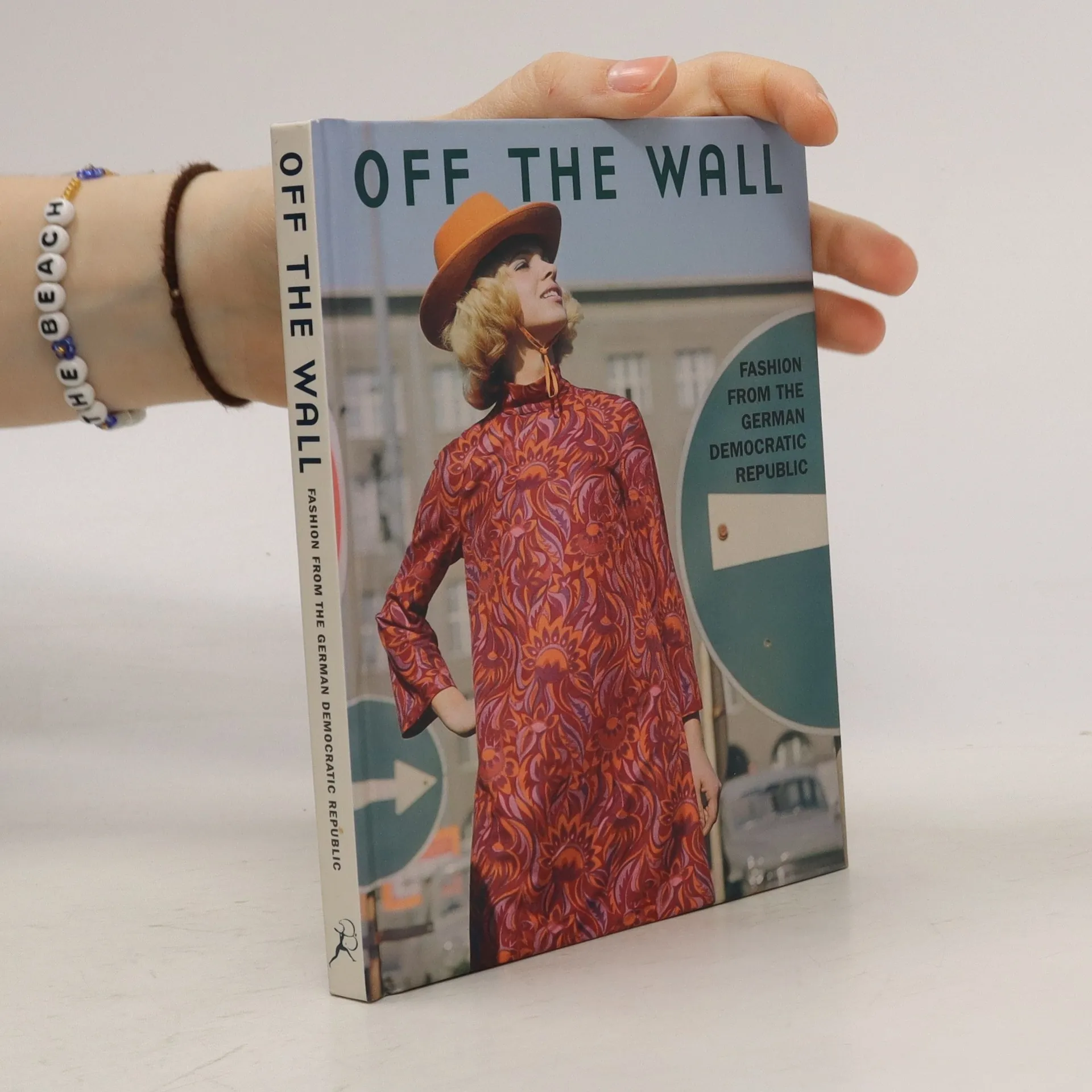
Off the wall
- 96 Seiten
- 4 Lesestunden
For a vague period somewhere in the 1970s the notoriously repressive bureaucrats who ran the Deutsche Demokratische Republik dedicated to bring some colour to their otherwise drab lives. A cuninng and original use of tartan? We have it. A little hat giving madam that indefinable flight hostess air? Check. And the chic Herr is not far behind with his jaunty cap. The DDR commissioned two photographs, Gunter Rubitzsh and Staube (he/she only used the one name), hired St Pauli Girl models, chose the locations that most inspired them - oil factories, worker canteens, concrete office blocks - and set about creating their own unique and daring style. From blindingly bright mod go-go girls to demure country peasant girls posed with that most German of animals, the llama, these images run counter to everything we imagined went on behind the Berlin Wall. Was it intended as propaganda? A move to counter bourgeois Western values? Aspirational worker wear? We'll never know. What is certain, though, is that what was produced in earnest is now a catagloue of camp that its creators never intended. Until recently, these alarming examples of a zeitgeist unleashed have been unearthed and are offered to the world in Off the Wall.