

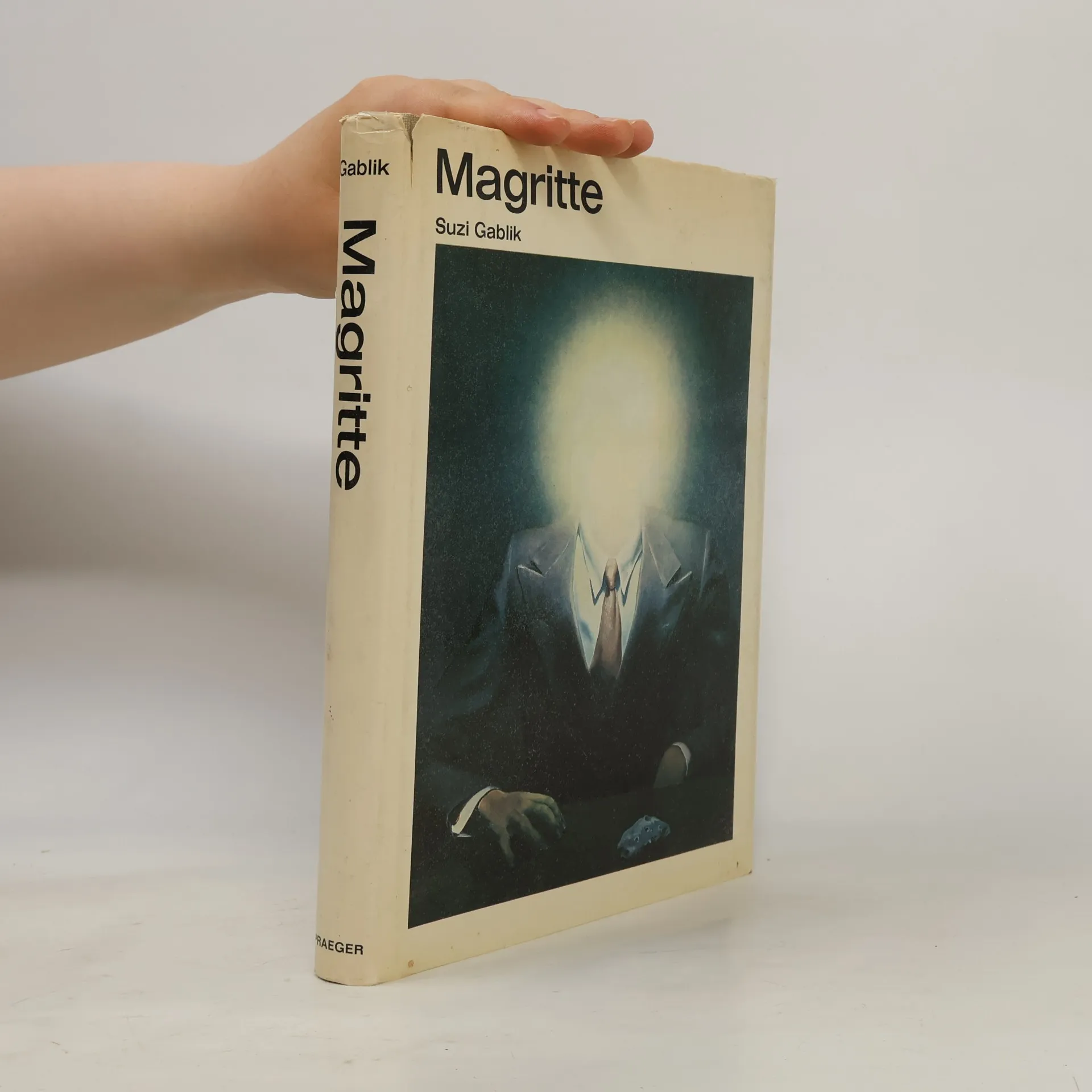
Durch Schock, Paradoxe und unerwartete Juxtapositionen von Objekten stellt René Magritte eine bewusste Herausforderung an den gesunden Menschenverstand und offenbart die geheimnisvolle Natur des Denkens. In diesem Studium klärt Suzi Gablik die zentralen Themen des Werks des belgischen Malers und analysiert sie in verwandten Bildgruppen: Jedes Gemälde gewinnt, zusätzlich zu seinem inneren Wert, eine Position in einer Sequenz. Die Autorin zeigt unter anderem, dass Magritte sich nie auf die experimentellen Techniken und stilistischen Innovationen anderer Surrealisten verlassen hat und dass sein Werk daher reichhaltigere Möglichkeiten für die Zukunft bietet. Diese Monografie dient auch als Leitfaden zur Erkundung der weitreichenden Probleme, die der Malerei unseres Jahrhunderts zugrunde liegen.
Suzi Gablik Bücher

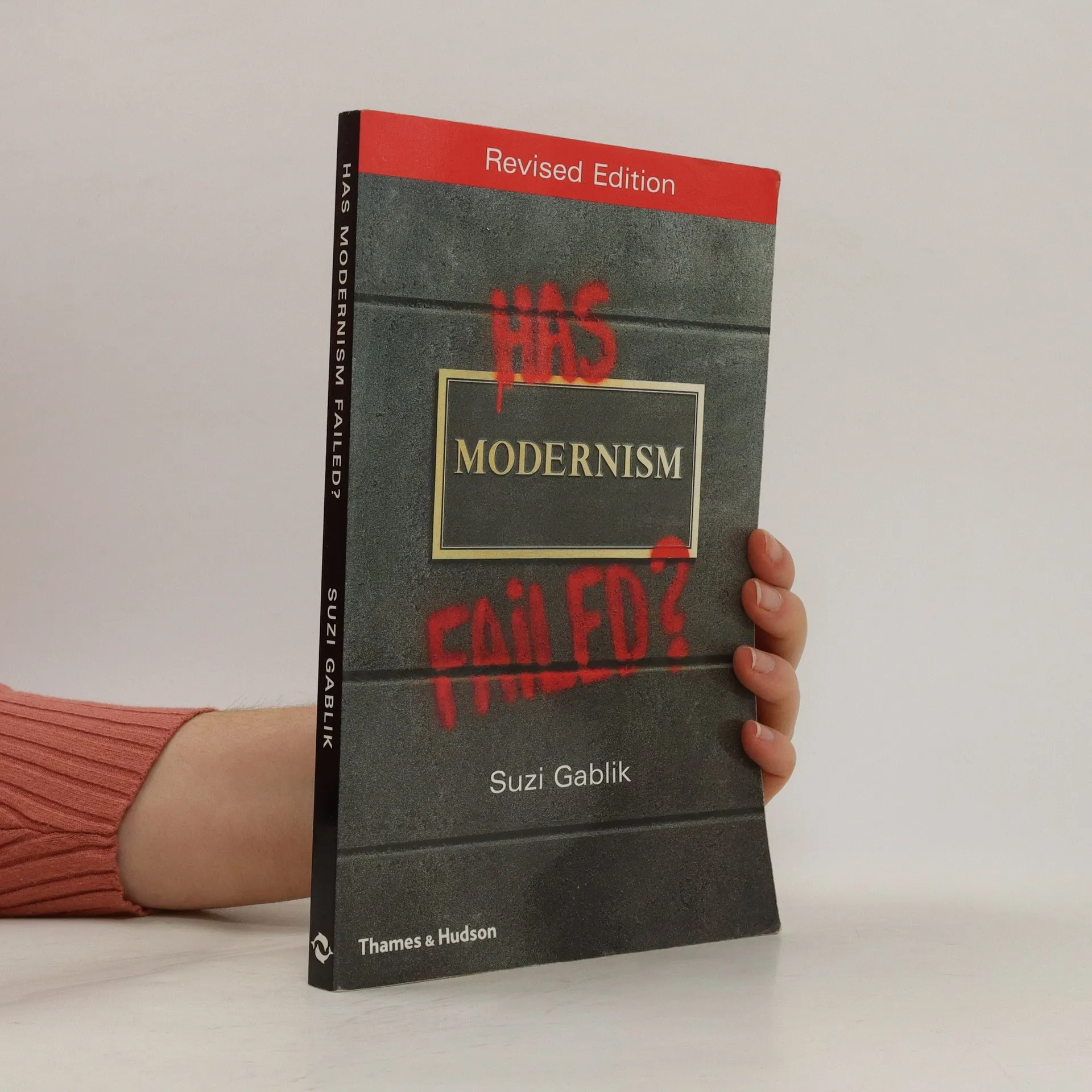
In 1984, Suzi Gablik's Has Modernism Failed? was one of the first books to confront the social situation of contemporary art. In describing a world whose central aesthetic paradigm of modernism had lost its vitality, with an "avant-garde" that reflected the culture of consumerism, her book struck a chord in an audience that had once responded to the heroic idealism of modernism. Reprinted many times, Has Modernism Failed? became one of the most popular and influential works of contemporary art criticism. Now Gablik has revised and expanded her work to encompass developments over the last two decades. A new prologue looks at changes in the cultural context of art, especially at the radical split between artists who still proclaim the self-sufficiency of art, "in defiance of the social good," and artists who want art to have some worthy agenda outside of itself. In a new chapter, "Globalization," she looks at the ruthless cultural homogenization of a universal consumer society and how a number of artists and curators are challenging it. And in a passionate new chapter called "Transdisciplinarity" she offers a way forward for individuals to break free of the limiting ideologies of modernism and consumerism and shows how some artists are reflecting both spiritual and social concerns in their art.