Benjamin M. FriedmanReihenfolge der Bücher (Chronologisch)
Benjamin Morton Friedman ist ein führender amerikanischer politischer Ökonom, der sich tiefgehend mit der komplexen Beziehung zwischen wirtschaftlichen Bedingungen und gesellschaftlichen Ergebnissen befasst. Seine Arbeit untersucht akribisch, wie wirtschaftliche Kräfte politische und soziale Landschaften prägen und wie die Gesellschaft umgekehrt wirtschaftliche Trends beeinflusst. Friedmans Ansatz zeichnet sich durch analytische Strenge und ein ausgeprägtes Bewusstsein für historischen Kontext aus, wodurch er den Lesern tiefe Einblicke in komplexe wirtschaftliche Phänomene bietet. Seine Beiträge liefern wertvolle Perspektiven zur Bewältigung gegenwärtiger Herausforderungen.
The author demonstrates that the foundational transition in thinking about what is now called economics, beginning in the 18th century, was decisively shaped by the hotly contended lines of religious thought within the English-speaking Protestant world.
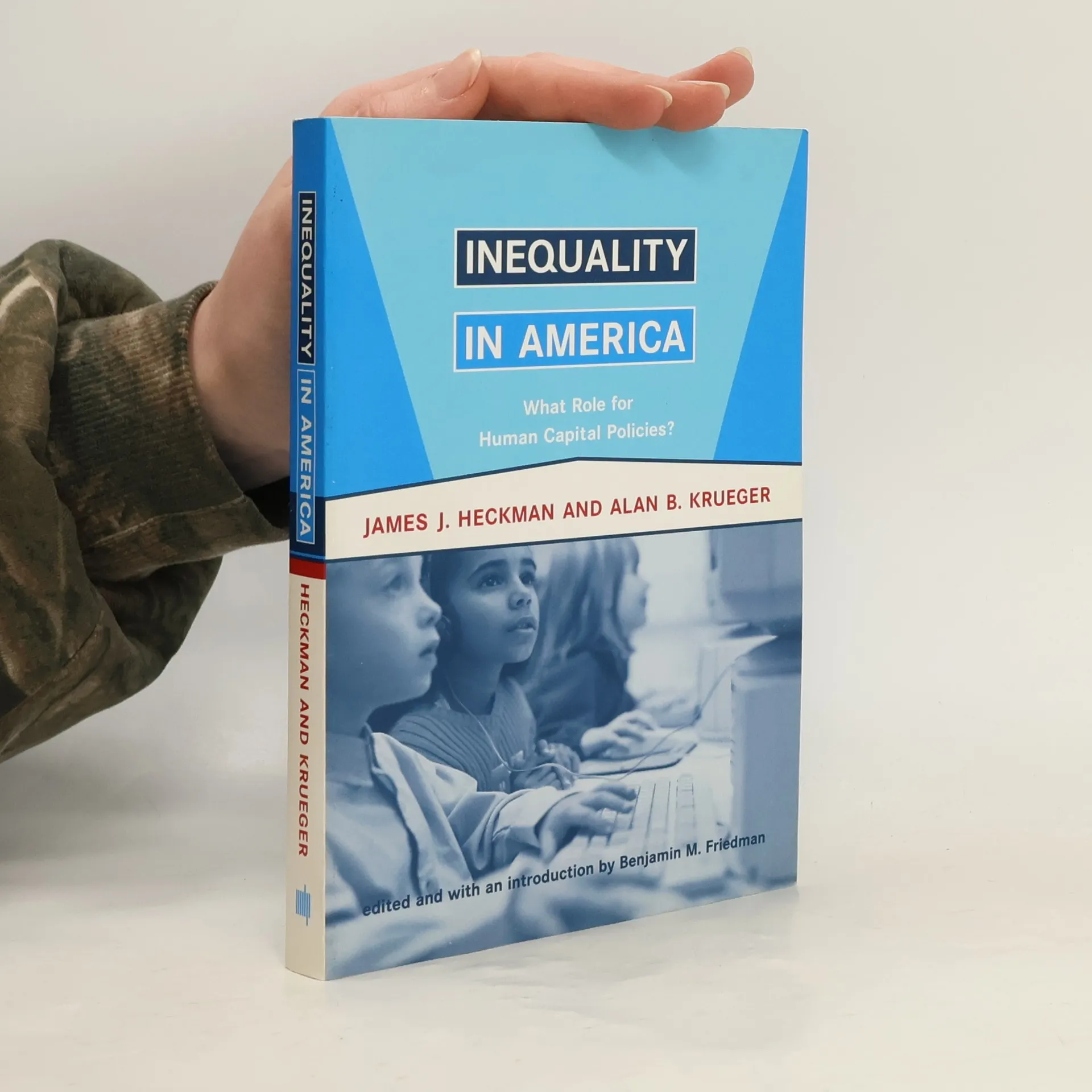
The surge of inequality in income and wealth in the United States over the past twenty-five years has reversed the steady progress toward greater equality that had been underway throughout most of the twentieth century. This economic development has defied historical patterns and surprised many economists, producing vigorous debate. Inequality in What Role for Human Capital Policies? examines the ways in which human capital policies can address this important problem. Taking it as a given that potentially low-income workers would benefit from more human capital in the form of market skills and education, James Heckman and Alan Krueger discuss which policies would be most effective in providing should we devote more resources to the entire public school system, or to specialized programs like Head Start? Would relaxing credit restraints encourage more students to attend college? Does vocational training actually work? What is the best balance of private and public sector programs? The book preserves the character of the symposium at which the papers were originally presented, recreating its atmosphere of lively debate. It begins with separate arguments by Krueger and Heckman (writing with Pedro Carneiro), which are followed by comments from other economists. Krueger and Heckman and Carneiro then offer separate responses to the comments and final rejoinders.
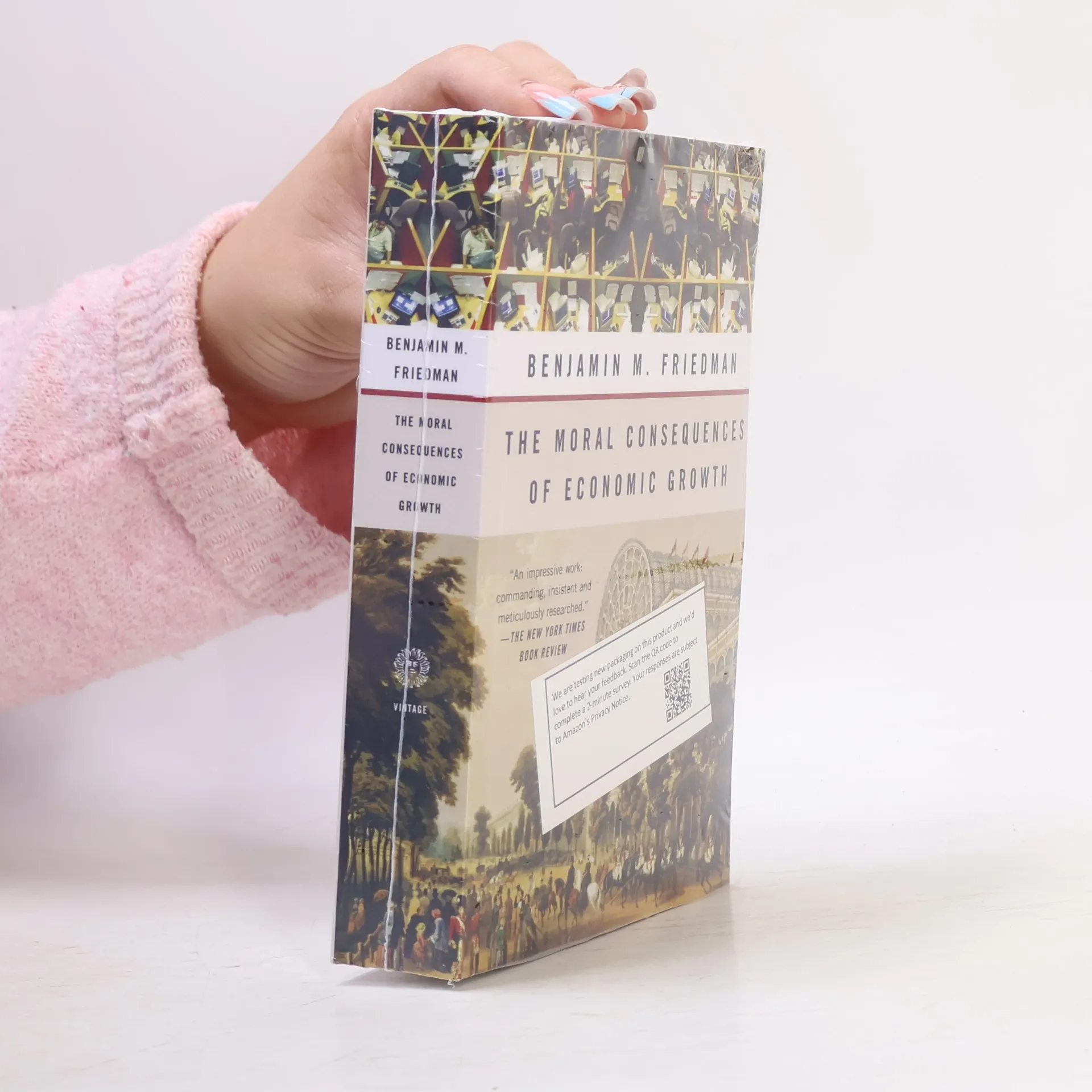
From the author of Day of Reckoning , the acclaimed critique of Ronald Reagan’s economic policy (“Every citizen should read it,” said The New York Times ): a persuasive, wide-ranging argument that economic growth provides far more than material benefits.In clear-cut prose, Benjamin M. Friedman examines the political and social histories of the large Western democracies–particularly of the United States since the Civil War–to demonstrate the fact that incomes on the rise lead to more open and democratic societies. He explains that growth, rather than simply a high standard of living, is key to effecting political and social liberalization in the third world, and shows that even the wealthiest of nations puts its democratic values at risk when income levels stand still. Merely being rich is no protection against a turn toward rigidity and intolerance when a country’s citizens lose the sense that they are getting ahead.With concrete policy suggestions for pursuing growth at home and promoting worldwide economic expansion, this volume is a major contribution to the ongoing debate about the effects of economic growth and globalization.