Glossy
- 304 Seiten
- 11 Lesestunden
The astonishing story of the billion-dollar brand and the iconic CEO who has transformed American retail.


Marisa Meltzer ist eine Autorin, deren Werk sich häufig kulturellen Phänomenen und der Geschichte der Popmusik widmet. Mit einer Faszination für bestimmte Epochen erforscht sie, wie Musik und Subkulturen ganze Generationen prägten und beeinflussten. Ihr Schreibstil ist direkt und aufschlussreich und bietet den Lesern einen fesselnden Einblick in die Themen, die sie am meisten interessieren.


The astonishing story of the billion-dollar brand and the iconic CEO who has transformed American retail.
Melzer shows us, through honesty, rawness and deep vulnerability, the complexities of living in a body that doesn't adhere to society's narrow beauty standards in an era that holds up body positivity as gospel.
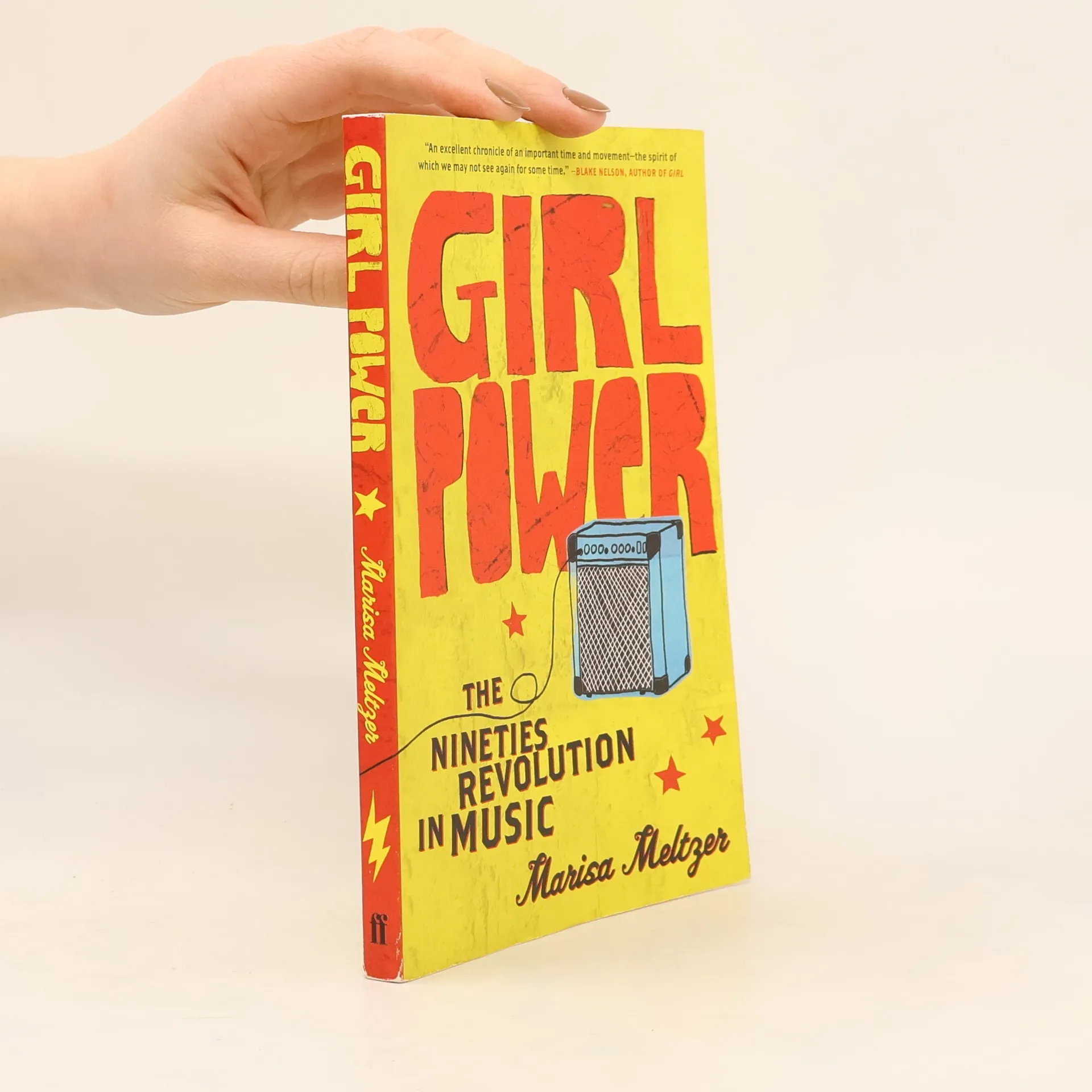
In the early nineties, riot grrrl exploded onto the underground music scene, inspiring girls to pick up an instrument, create fanzines, and become politically active. Rejecting both traditional gender roles and their parents' brand of feminism, riot grrrls celebrated and deconstructed femininity. The media went into a titillated frenzy covering followers who wrote "slut" on their bodies, wore frilly dresses with combat boots, and talked openly about sexual politics.The movement's message of "revolution girl-style now" soon filtered into the mainstream as "girl power," popularized by the Spice Girls and transformed into merchandising gold as shrunken T-shirts, lip glosses, and posable dolls. Though many criticized girl power as at best frivolous and at worst soulless and hypersexualized, Marisa Meltzer argues that it paved the way for today's generation of confident girls who are playing instruments and joining bands in record numbers.Girl Power examines the role of women in rock since the riot grrrl revolution, weaving Meltzer's personal anecdotes with interviews with key players such as Tobi Vail from Bikini Kill and Amy Ray of the Indigo Girls. Chronicling the legacy of artists such as Bratmobile, Sleater-Kinney, Alanis Morissette, Britney Spears, and, yes, the Spice Girls, Girl Power points the way for the future of women in rock.