

Gratis Versand ab € 16,99. Mehr Infos.
Bookbot

Overy Richard

    Richard James Overy ist ein renommierter britischer Historiker, dessen Werke sich auf entscheidende Momente der modernen Geschichte konzentrieren, insbesondere auf den Zweiten Weltkrieg und das Dritte Reich. Seine Analysen werden für ihre Fähigkeit gelobt, Mythen rigoros zu entkräften und originelle, wichtige Perspektiven zu bieten. Overy's Forschungsansatz gilt als bahnbrechend und vermittelt den Lesern tiefe Einblicke in komplexe historische Epochen und Motivationen.

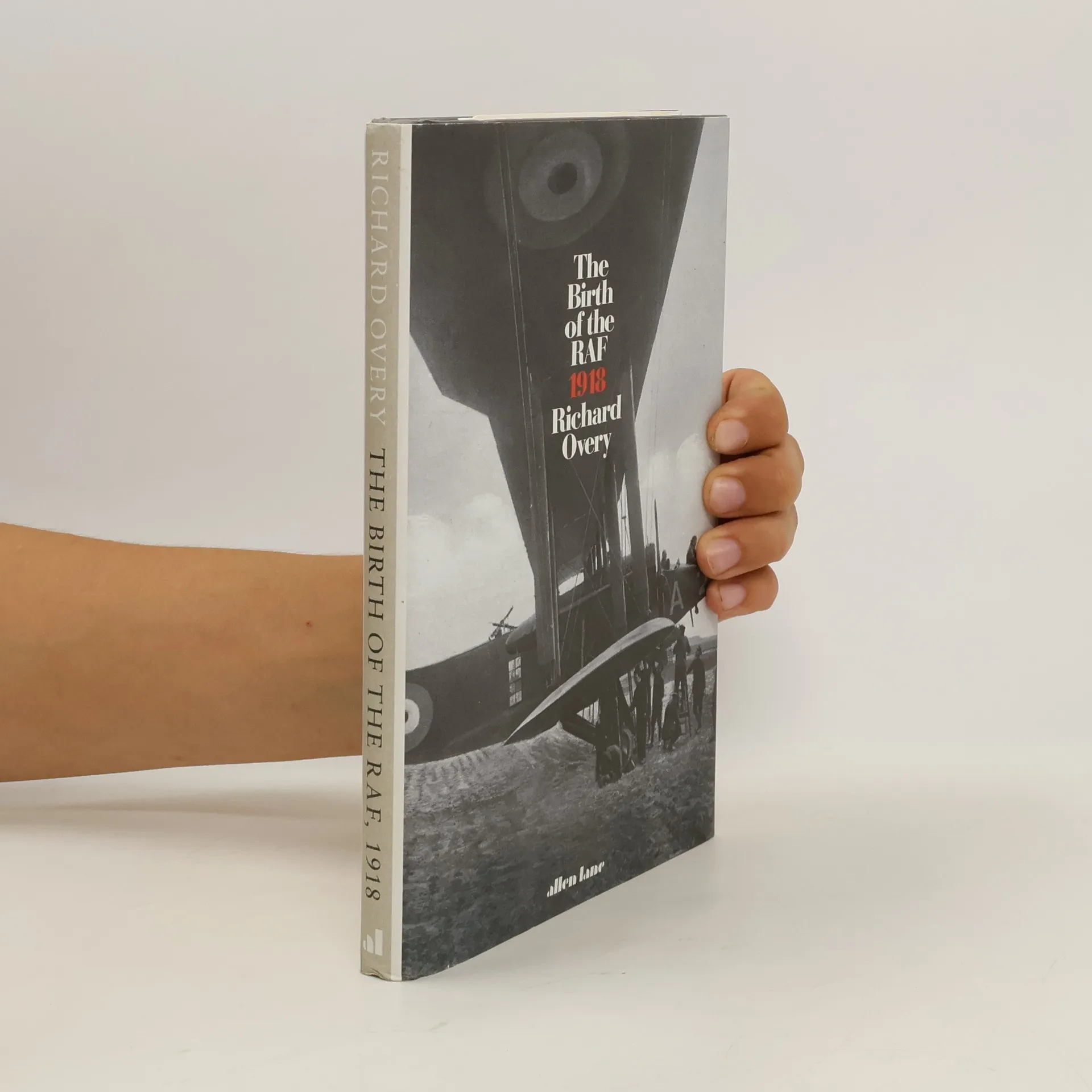
    The Birth of the RAF, 1918
    Why War?
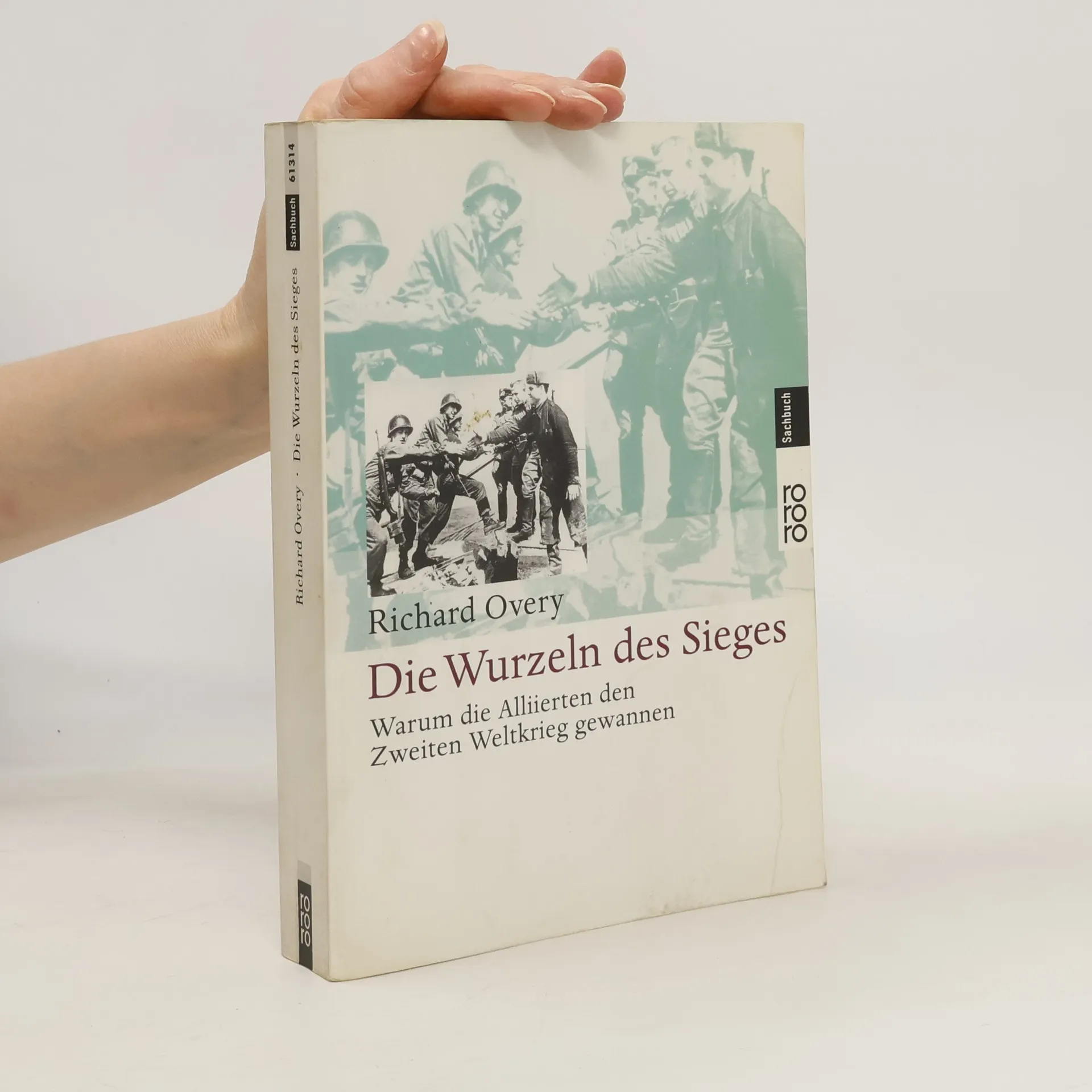
    Die Wurzeln des Sieges
    Blood and Ruins
    Blood and Ruins: The Last Imperial War, 1931-1945
    • "A thought-provoking and original reassessment of World War II, from Britain's leading military historian. Richard Overy sets out in Blood and Ruins to recast the way in which we view the Second World War and its origins and aftermath. As one of Britain's most decorated and respected World War II historians, he argues that this was the 'last imperial war,' with almost a century-long lead-up of global imperial expansion, which reached its peak in the territorial ambitions of Italy, Germany and Japan in the 1930s and early 1940s, before descending into the largest and costliest war in human history and the end, after 1945, of all territorial empires. Overy also argues for a more global perspective on the war, one that looks broader than the typical focus on military conflict between the Allied and Axis states. Above all, Overy explains the bitter cost for those involved in fighting, and the exceptional level of crime and atrocity that marked the war and its protracted aftermath--which extended far beyond 1945. Blood and Ruins is a masterpiece, a new and definitive look at the ultimate struggle over the future of the global order, which will compel us to view the war in novel and unfamiliar ways. Thought-provoking, original and challenging, Blood and Ruins sets out to understand the war anew".-- Provided by publisher

      Blood and Ruins: The Last Imperial War, 1931-1945
      4,3
    • Richard Overy sets out in Blood and Ruins to recast the way in which we view the Second World War and its origins and aftermath. He argues that this was the 'great imperial war', a violent end to almost a century of global imperial expansion which reached its peak in the 1930s and early 1940s, before descending into the largest and costliest war in human history and the end, after 1945, of all territorial empires. How war on a huge scale was fought, paid for and morally justified forms the heart of this new account. Above all, Overy explains the bitter cost for those involved in fighting, and the exceptional level of crime and atrocity that marked these imperial projects, the war and its aftermath. This war was as deadly for civilians as it was for the military, a war to the death over the future of the global order. Blood and Ruins is a masterpiece from of one of the most renowned historians of the Second World War, which will compel us to view the war in novel and unfamiliar ways. Thought-provoking, original and challenging, Blood and Ruins sets out to understand the war anew.

      Blood and Ruins
      4,2
    • Die Wurzeln des Sieges

      • 496 Seiten
      • 18 Lesestunden

      Richard Overy, geboren 1947 in London, zählt zu den bedeutendsten Zeithistorikern unserer Tage. Er lehrt Geschichte an der University of Exeter und lebt in London. Mehrere seiner Bücher, darunter «Russlands Krieg» (2003) und «Die Diktatoren» (2005), gelten als Standardwerke. «Weltenbrand», Overys große Geschichte des Zweiten Weltkriegs, wurde zum «New York Times»-Bestseller; das Buch stand auf der Shortlist des Gilder Lehrman Prize und wurde mit der Duke of Wellington Medal for Military History ausgezeichnet.

      Die Wurzeln des Sieges
      4,2
    • Why War?

      • 400 Seiten
      • 14 Lesestunden

      Why has war been a consistent presence throughout the human past? A leading historian explains through rich examples and keen insight.

      Why War?
      3,3
    • The Birth of the RAF, 1918

      • 160 Seiten
      • 6 Lesestunden

      A short account of the birth of the RAF for the centenary of its founding. The dizzying pace of technological change in the early 20th century meant that it took only a little over ten years from the first flight by the Wright Brothers to the clash of fighter planes in the Great War. A period of terrible, rapid experiment followed to gain a brief technological edge. By the end of the war the British had lost an extraordinary 36,000 aircraft and 16,600 airmen.The RAF was created in 1918 as a revolutionary response to this new form of warfare - a highly contentious decision (resisted fiercely by both the army and navy, who had until then controlled all aircraft) but one which had the most profound impact, for good and ill, on the future of warfare. Richard Overy's superb new book shows how this happened, against the backdrop of the first bombing raids against London and the constant emergency of the Western Front. The RAF's origins were as much political as military and throughout the 1920s still provoked bitter criticism

      The Birth of the RAF, 1918
      3,5