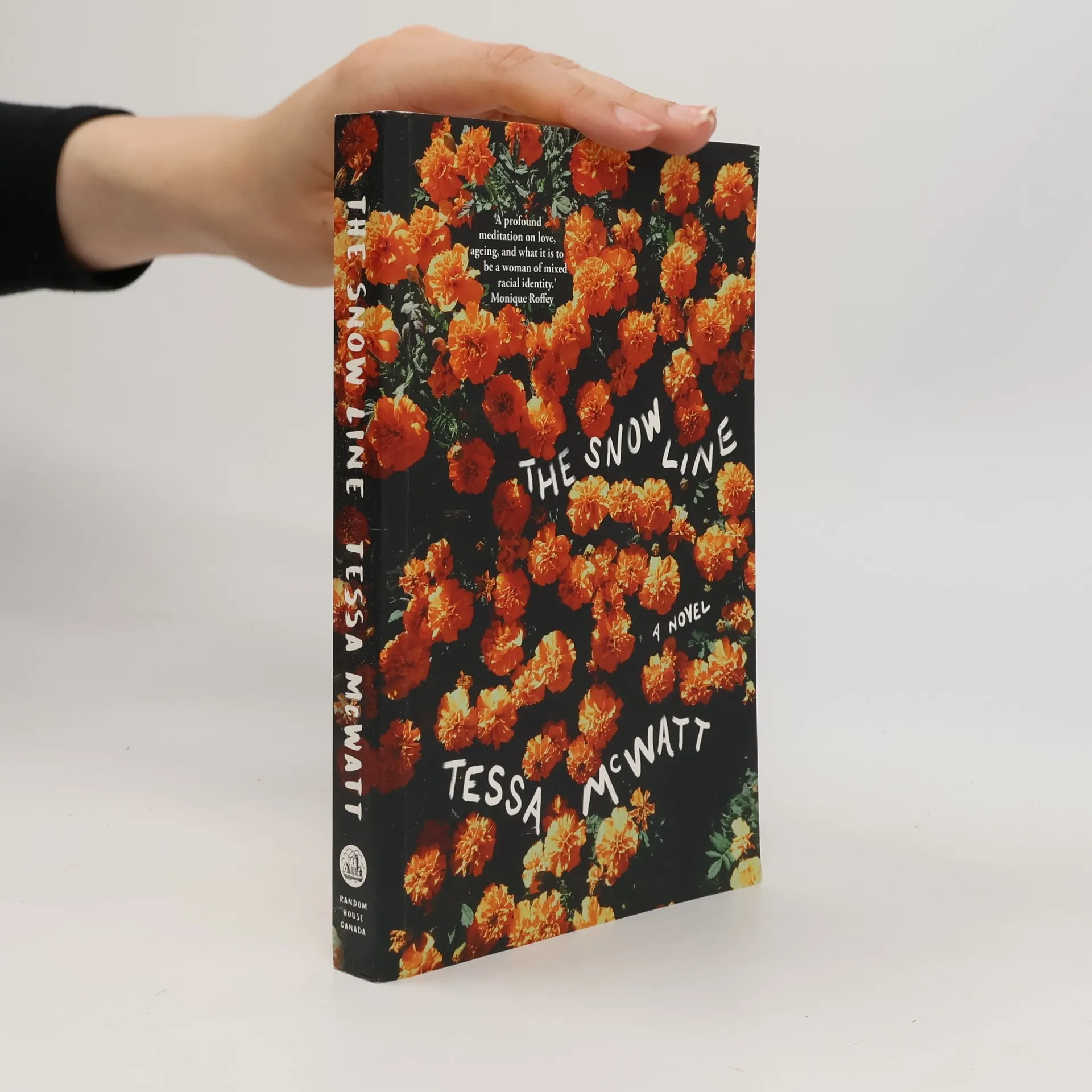
Tessa McWatt, eine aus Guyana stammende und in Kanada lebende Schriftstellerin, befasst sich in ihrem literarischen Schaffen mit den komplexen Themen Identität und Zugehörigkeit. Ihre Romane, die für mehrere renommierte Preise nominiert wurden, untersuchen die Vielschichtigkeit kultureller Begegnungen und die Suche nach dem eigenen Platz in der Welt. Durch ihre vielfältigen literarischen Bestrebungen, einschließlich interdisziplinärer Projekte und gemeinschaftsbasierter Lebensgeschichten, versucht sie, zutiefst persönliche Erzählungen zu entschlüsseln und zu teilen. McWatts unverwechselbare Stimme bietet den Lesern tiefe Einblicke in die menschliche Erfahrung der Suche nach Zugehörigkeit.
How do you belong when you don't know who you are? All her life, Tessa McWatt has been asked, 'What are you?' Born in Guyana to a family with African, Chinese, Indian, and Native American heritage, she grew up in a white suburb, her brown skin sticking out like a sore thumb. In this deeply personal reckoning with race and belonging, Tessa interweaves her own experiences as a mixed-race woman with a stark and unvarnished history of slavery and indenture, as well as observations on literature and popular culture. This powerful memoir of being mixed race in a predominantly white society is a necessary exploration of who and what we truly are.
A King Lear story for brown girls, Tessa McWatt's breathtaking new novel explores love and endurance in the face of change and violence, and how people find wholeness and belonging when their own identities feel shattered. Northern India, 2009. Four travellers disembark from the Dhauladhar Express at the Pathankot train station, having arrived in Punjab to attend a wedding. Yosh, 30, a yoga teacher from Vancouver; Monica, 30, the bride's cousin from Toronto; Reema, 26, the bride's childhood friend, a mixed-heritage Londoner in search of her Indianness; and Jackson, 86, who is returning to India after a long hiatus in Boston, and who carries with him a small tea canister in which he has placed his wife Amelia's ashes. As they gather with other guests at the traditional Indian wedding, Jackson and Reema develop a reluctant, unlikely friendship that grows through mutual need and a slowly developing trust, and together with Yosh and Monica, they embark on a post-wedding journey to the Himalayas, seeking the perfect place to scatter Amelia's ashes. As they travel together, secrets are revealed, and each of them is opened up to more questions than answers. These intergenerational and intercultural relationships are a meeting of the past and the future, a reconciliation of past wrongs and a possibility that the future might be less violent, less selfish, less segregated. But can it be?