

"The Treasury of the Eye of True Teaching (Chinese Zhengfayanzang) stands as among the greatest classics of Chan (Chinese Zen) Buddhism, combining speeches, stories, dialogues, poems, and commentaries that the influential master Dahui (1089-1163) extracted from Chan lore. Compiled by Dahui's students during Song Dynasty China, this work is replete with the enigmatic, paradoxical wisdom for which Zen Buddhism is so well known. Central to this collection is the notion of "Great Doubt" in matters of language, conceptual thinking, and how we conceive of our existence. By working with Great Doubt through koan introspection and other meditative practices, a practitioner can push themself to the limits of ideas and concepts until a breakthrough to enlightenment is achieved. In the words of Dahui, "Within great doubt, there necessarily exists great enlightenment." A fascinating compendium of literary and spiritual puzzles, Treasury of the Eye of True Teaching will challenge and inspire readers to work with Great Doubt themselves and to discover their inborn potential for enlightenment. Masterfully translated by Thomas Cleary, one of America's foremost translators of Chinese classics into English, it is a captivating window into the literary world of Chinese Zen and essential reading for students of all Zen schools"-- Provided by publisher
Dahui Bücher
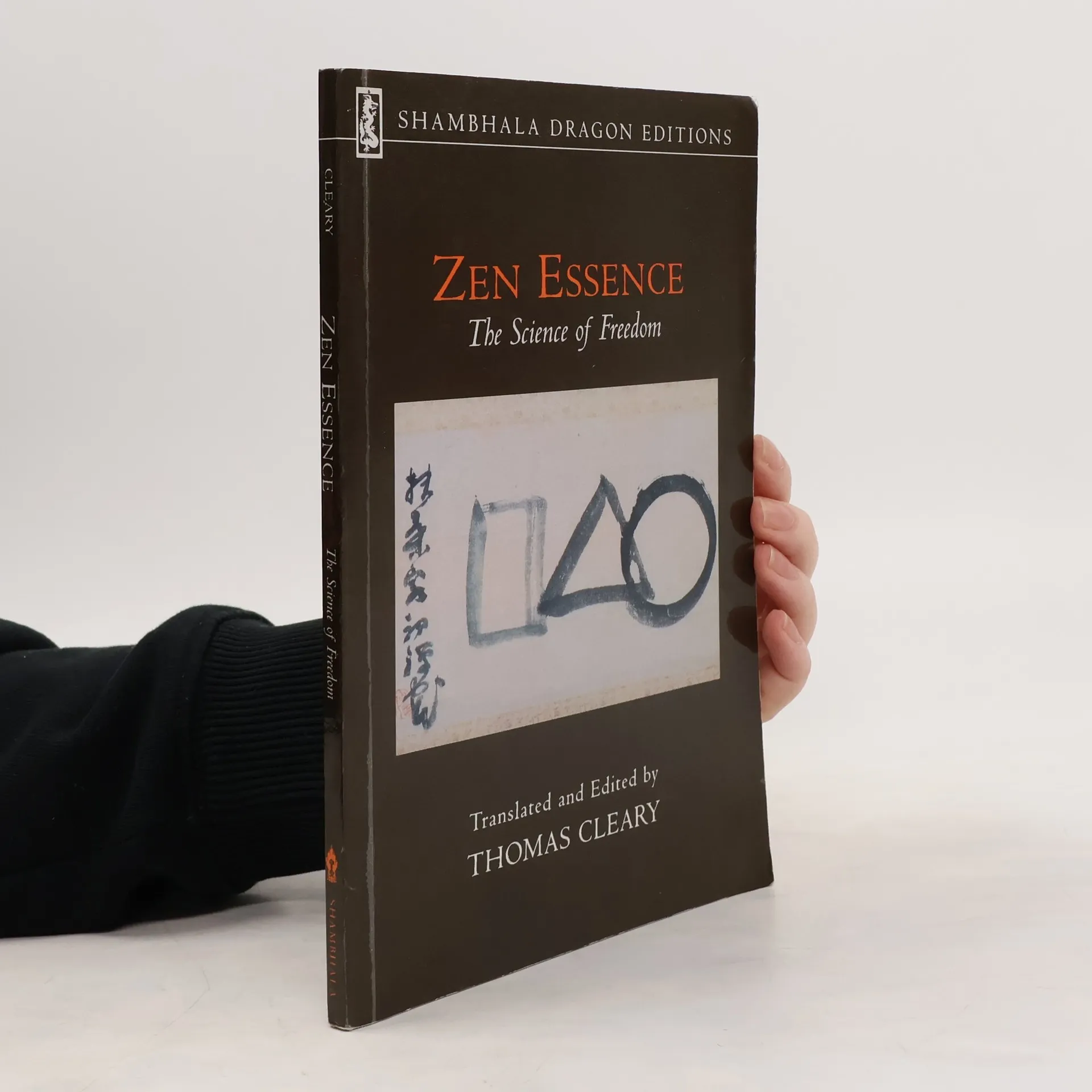

Drawn from the records of Chinese Zen masters of the Tang and Song dynasties, this collection may surprise some readers. In contrast to the popular image of Zen as an authoritarian, monastic tradition deeply rooted in Asian culture, these passages portray Zen as remarkably flexible, adaptive to contemporary and individual needs, and transcending cultural boundaries. The readings contained in Zen Essence emphasize that the practice of Zen requires consciousness alone and does not depend on a background in Zen Buddhism and Asian culture. The true essence of Zen resides in the relationship between mind and culture, whatever that culture might be. This unique collection of writings creates a picture of Zen not as a religion or philosophy, but as a practical science of freedom.