

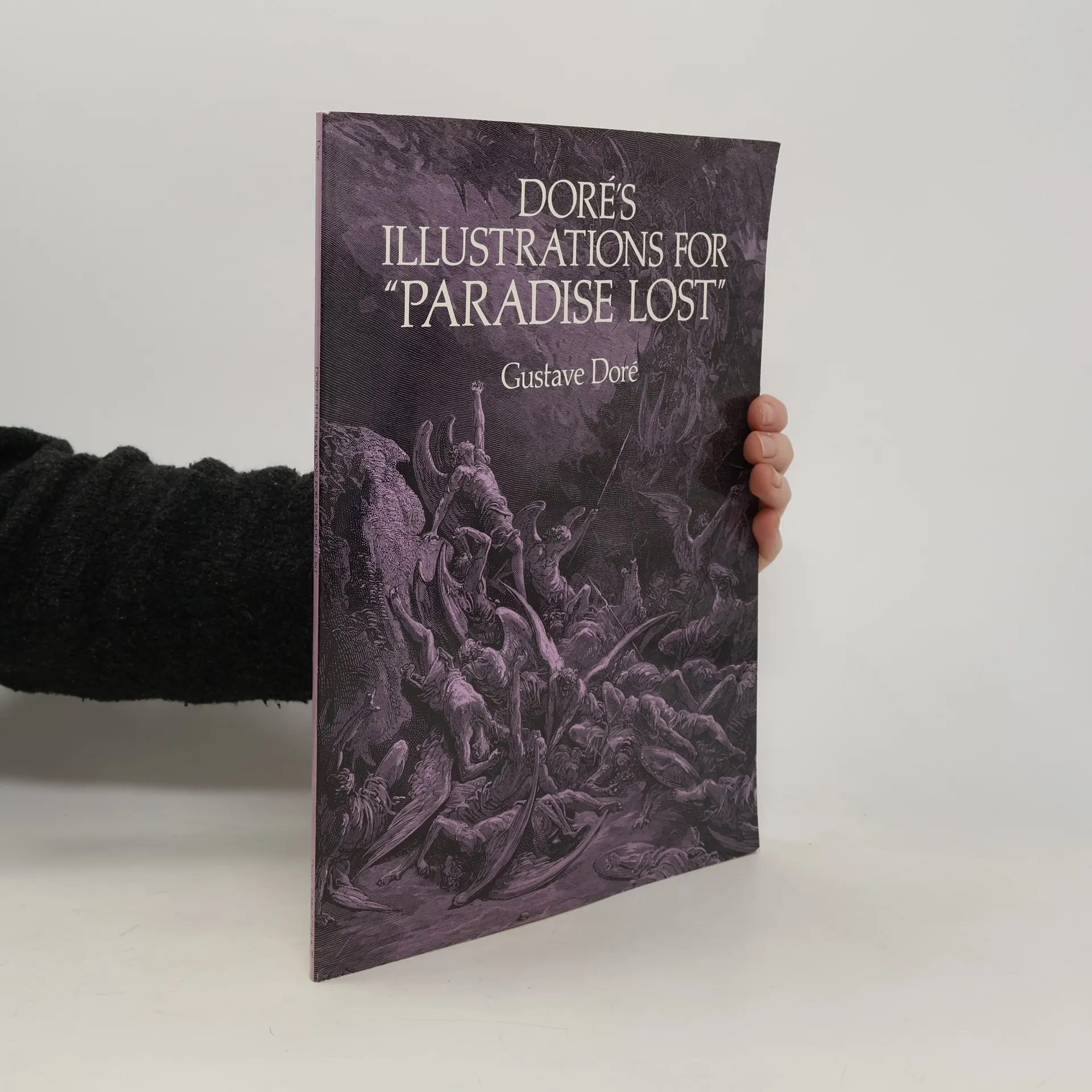
Gustave Doré's Romantic style of illustration, supremely imaginative and richly detailed, was ideally suited to literary subjects. His wood-engraved illustrations for John Milton's monumental epic poem Paradise Lost, recounting mankind's fall from the grace of God through the work of Satan, were among his finest and most dramatic works. This volume presents superb reproductions of all 50 plates drawn by Doré and engraved in his studios for the original edition of Paradise Lost.Artists and art lovers will find in these pages supreme examples of the illustrator's art. Among the events the expulsion of Satan from heaven, Adam and Eve in Paradise, the nine-day fall of Lucifer's legions to Hell, the Creation, the temptation of Eve, the Flood, Moses holding up the Ten Commandments, and the fearsome creatures Milton referred to as "Gorgons, and Hydras, and Chimeras dire."The dreamlike, otherworldly quality Doré often brought to his work seems especially appropriate for Paradise Lost with its lofty spirit and epic events. Indeed, Doré's grand conception seems to realize perfectly Milton's own poetic version. Appropriate quotes from the text of Paradise Lost are printed alongside each illustration. A plot summary of the entire poem is also included.
Doré Gustave Bücher
Gustave Doré war der populärste und erfolgreichste französische Buchillustrator Mitte des 19. Jahrhunderts. Seine Arbeit zeichnet sich durch eine eher naive, aber sehr lebendige Vorliebe für das Groteske aus und stellt eine Kommerzialisierung des romantischen Geschmacks für das Bizarre dar. Doré wurde weithin bekannt für seine Illustrationen zu Werken wie Dantes Inferno, Don Quijote und der Bibel, womit er das großformatige illustrierte Buch in Europa etablierte. Seine Darstellungen von London aus den Jahren 1869-71, die van Goghs Aufmerksamkeit erregten, waren nüchternere Studien der ärmeren Stadtviertel.

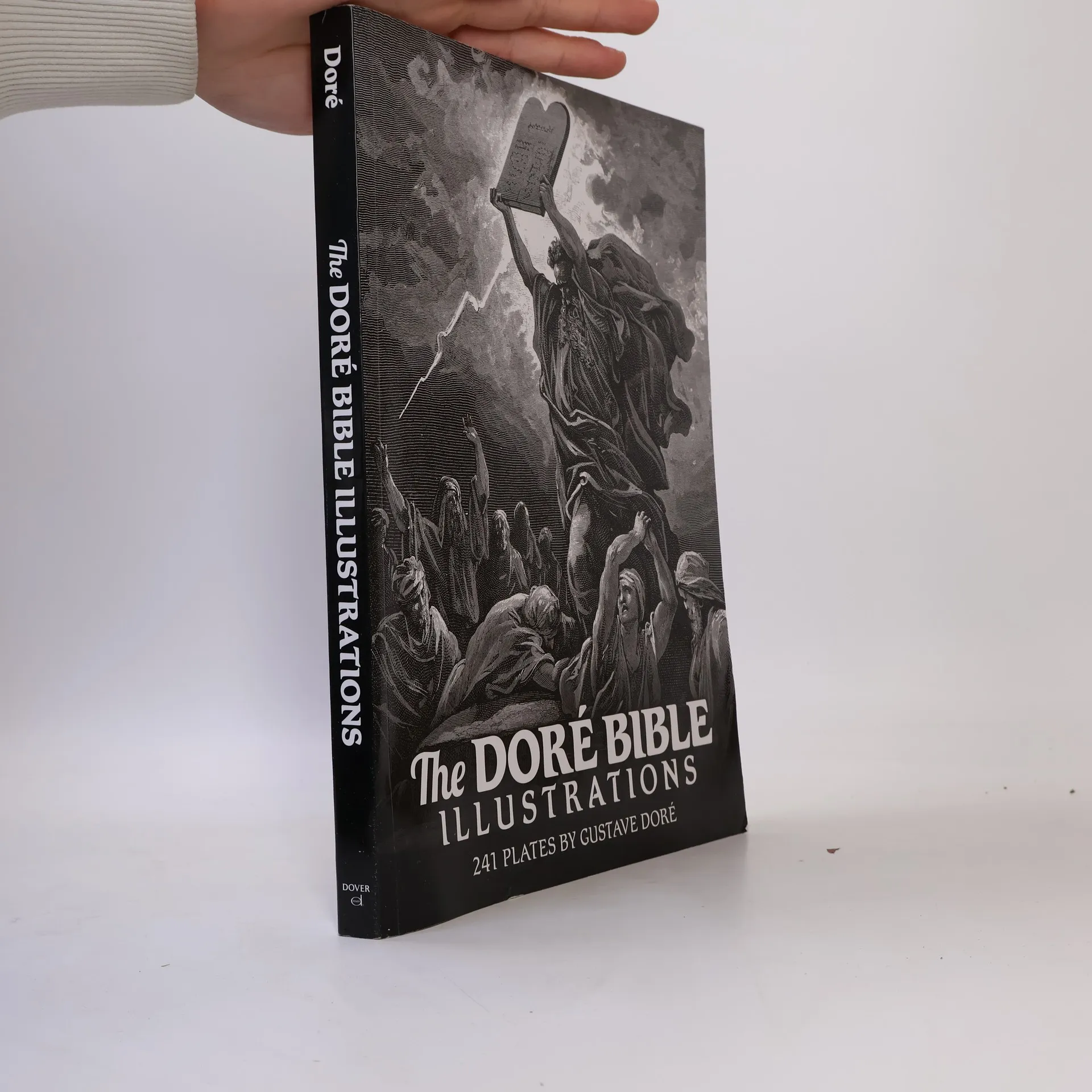
Nowhere but in the Bible were dramatic textual material and the artistry of Gustave Doré more perfectly matched. The Book of Books seemed to unleash a new power of creation in Doré not apparent in his previous work. In the Creation scenes, the horrifying visions of the Flood, the battle sequences with their monumental crowds, the plates depicting the life of Jesus — many of which have now become the standard iconography — and finally the vision of the New Jerusalem, Doré reached the fullest expressions of his extraordinary talent.This book collects all 241 plates — long out of print — that Doré executed for the Bible. In these plates, reproduced from outstanding early editions, the artist not only captures the dramatic intensity of the Scriptures, but sustains it longer than any other single artist was able to do. In addition, Doré reimagined all the scenes, so that what he produced was not a mere reworking of what centuries of other artists had already done, but a new and fresh visual interpretation of the Bible.Each plate is accompanied by the verses from the Authorized (King James) Version of the Bible that the scene depicts, and an Introduction by Millicent Rose covers Doré's life and art in general. This is a sumptuous book that everyone, from those interested in Scripture to lovers of great art, will be proud to possess.
Kniha kníh v sprievode pôsobivých ilustrácií majstra Gustava Dorého Biblia alebo Sväté písmo je predovšetkým kódexom kresťanskej filozofie a morálky, je však aj jedinečným a neprekonateľným literárnym dielom. Biblické príbehy fascinujú jednoduchých ľudí i vzdelancov, inšpirujú spisovateľov a básnikov, no ich dramatický náboj, obraznosť a extatickosť sú výzvou najmä pre výtvarných umelcov. Túto knihu biblických príbehov z domácich a zo zahraničných biblických prameňov zostavil Pavel Plesník. Dopĺňajú ich reprodukcie 241 drevorytov všestranne nadaného Paula Gustava Louisa Christopha Dorého. Umelcove technické majstrovstvo, nápaditosť a zmysel pre dramatickosť dali jeho ilustráciám klasických diel svetovej literatúry neprekonateľnú kvalitu, ktorá očarúva ďalšie a ďalšie generácie čitateľov. Dorého Svätá Biblia (La Grande Bible de Tours) vyšla prvý raz v roku 1866 a zaznamenala mimoriadny úspech.