

T. J. Pempel Bücher
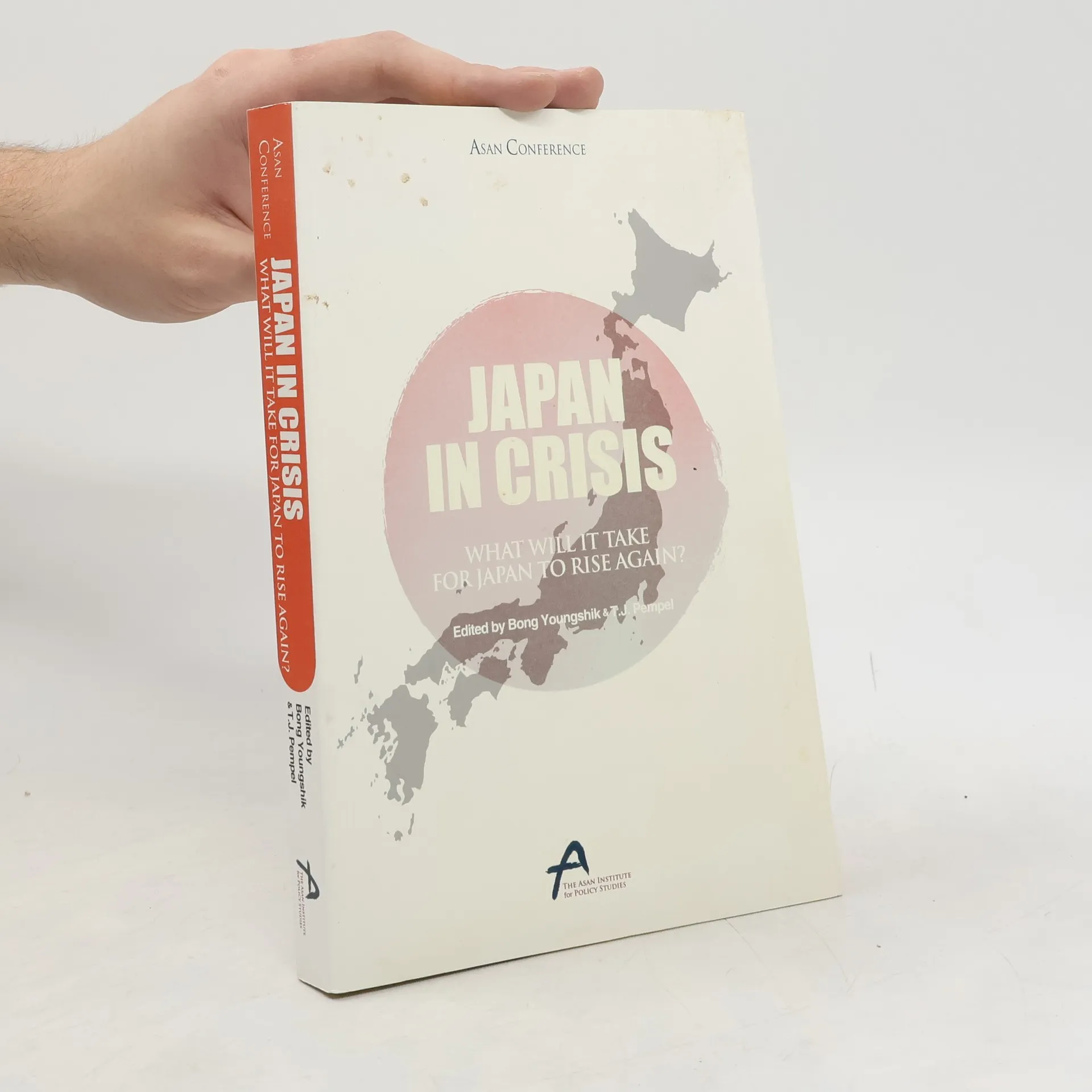
"This volume is the result of a conference held by the Asan Institute for Policy Studies in November, 2011. Organized in the aftermath of the crisis presented by the triple disaster that struck the Tohoku region of Japan on March 11 of the previous year: an earthquake, a tsunami, and a nuclear meltdown. The conference had as its overarching theme 'Japan in Crisis: What Will It Take for Japan to Rise Again?' Authors began by addressing the question of what it would take for Japan to 'recover' from not only from 3/11 but also more than 20 years of nearly unilateral economic stagnation, political fumbling, and deterioration in the country's regional and global influence.The Asan Institute for Policy Studies is an independent think tank located in Seoul, South Korea, that provides innovative policy solutions and spearheads public discourse on many of the core issues that Korea, East Asia, and the global community face. The goal of the institute is not only to offer policy solutions but also to train experts in public diplomacy and related fields in order to strengthen Korea's capacity to better tackle some of the most pressing problems affecting the country, the region and the world today. "--Provided by publisher.