

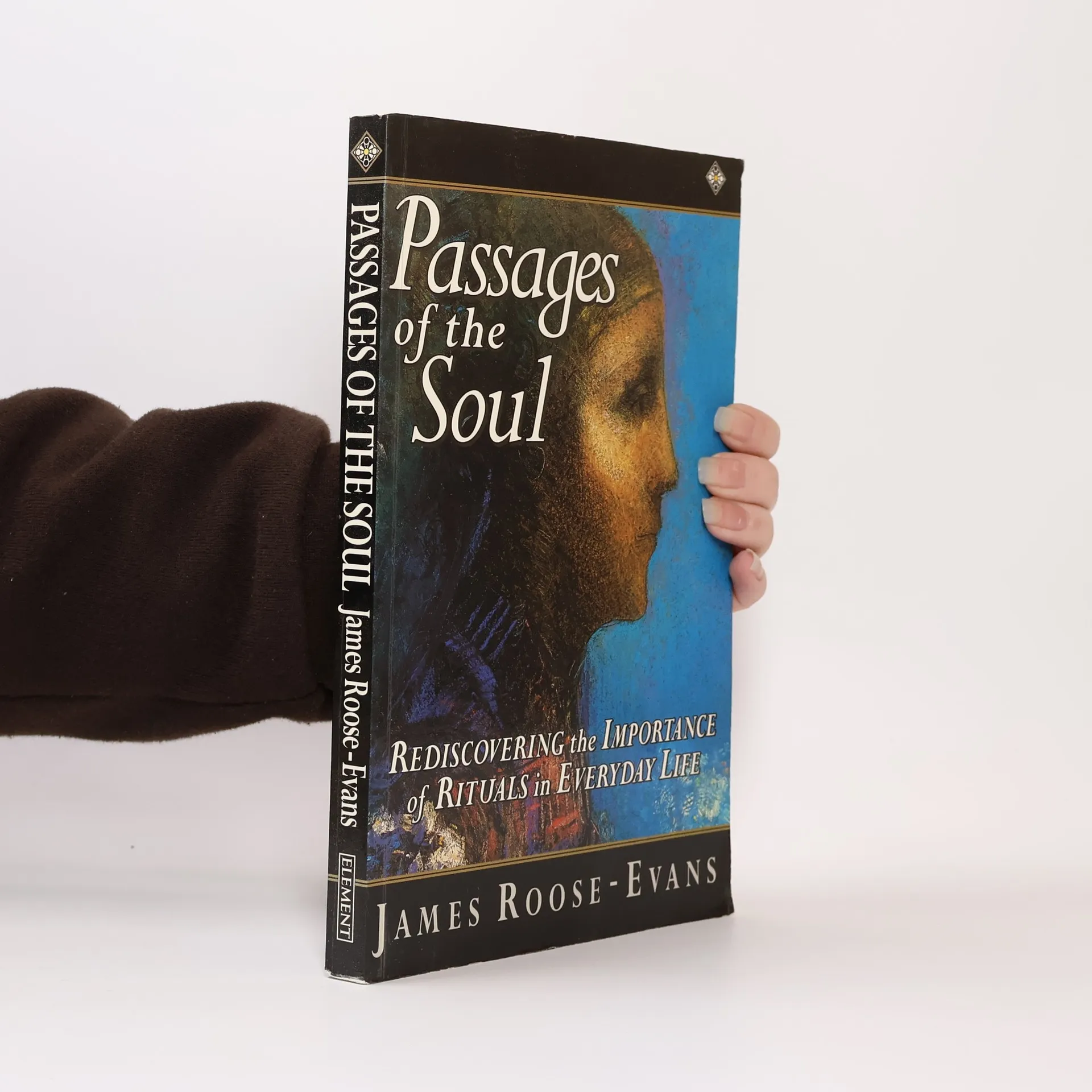
Birth, puberty, marriage, death... down the centuries civilizations have used the power and vitality of rituals to celebrate primal events in life. Yet today, in our material world, we have forgotten the value of rituals to mark significant rites of passage such as these. Drawing on moving accounts from participants in his workshops throughout the UK and USA, James Roose-Evans argues passionately that we must rediscover rituals if we wish to enjoy balanced, meaningful lives. In this profound, inspiring and highly readable book, he shows you how you can revive the rituals of the past as well as create new meaningful rituals for your life in the busy modern world - whatever your culture or religion Rediscover spiritual rituals Create rituals appropriate to your life Read moving accounts by participants in rituals conducted by the author James Roose-Evans is a distinguished theatre director and writer. He founded the Hampstead Theatre in London as a centre for new drama, and is the founde
James Roose-Evans Bücher
James Roose-Evans ist ein herausragender Theaterregisseur und Autor, dessen Werk tief in der Erforschung und Innovation theatralischer Formen verwurzelt ist. Seine Karriere war geprägt von der Gründung einflussreicher Theaterräume und experimenteller Workshops, was sein tiefes Engagement für die Erweiterung künstlerischer Grenzen zeigt. Durch seine Schriften und Inszenierungen taucht er in das Wesen des Theaters und sein sich entwickelndes Potenzial ein.
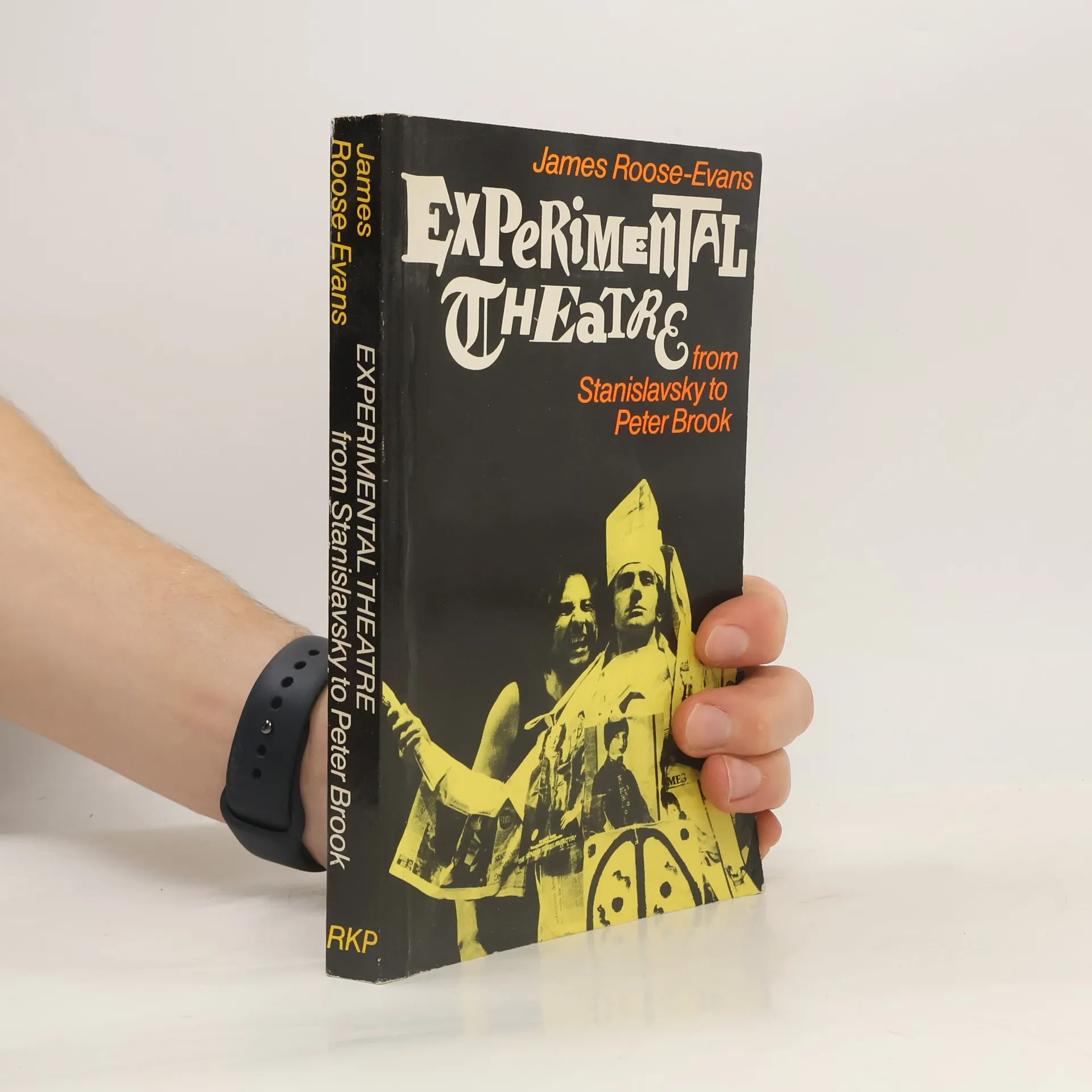
Experimental Theatre from Stanislavsky to Peter Brook
- 210 Seiten
- 8 Lesestunden
James Roose-Evans, one of Britain's most experienced and innovative directors, and founder of the Hampstead Theatre (which celebrated its twenty-fifth anniversary in 1984), surveys the history of the avant-garde in the theatre. He traces its origins through such key figures as Stanislavsky, Meyerhold, Craig, Appia, Copeau, Piscator, Brecht, Grotowski and up to the most recent experiments of Peter Brook's "Mahabharata," This is a second, enlarged edition of a highly successful and widely-used book. As James Roose-Evans himself writes: 'I am convinced that if one is a practitioner of theatre it is an essential part of one's task to see and know what is going on in all of the arts. We have much to learn from one another as well as from the lessons of history.'