Eric J. Sundquist ist Professor für Literatur, dessen Werk sich mit den komplexen Zusammenhängen zwischen Rasse, Identität und der Entwicklung der amerikanischen Literatur und Kultur beschäftigt. Er untersucht kritisch, wie literarische Werke komplexe Beziehungen zwischen Gruppen widerspiegeln und die nationale Identität prägen. Sundquists wissenschaftliche Arbeit bietet tiefe Einblicke in die kulturellen und historischen Kontexte, die die amerikanische Literaturtradition beeinflusst haben. Sein Ansatz beleuchtet die anhaltende Kraft der Literatur, die amerikanische Erfahrung zu erforschen und zu definieren.
02 A unique supplement to one of the most important African American novels of this century. As Invisible Man chronicles the major moments of African American life during the first half of the twentieth century, this volume illuminates and contextualizes the novel with a collection of speeches, essays, folktales, historical analyses, photographs, and other cultural and historical documents.
Increased interest in the role of women and minorities in establishing the canon of American literature has led to renewed interest in Uncle Tom's Cabin. The essays in this volume set out to provide contemporary readers with a critical and historical interpretation of the novel that reflects the best of recent scholarship. In his introduction Eric J. Sundquist attempts to show that Uncle Tom's Cabin boldly takes issue with both proslavery arguments and prevailing prejudices among abolitionists, employing the forms of popular melodrama and heated rhetoric to carry its complex argument. The individual essays examine the influence of Stowe's novel on the characterization of women in the American novel and on later women writers, the role of women in the antislavery movement, the literary exchanges between Stowe and her contemporaries; Uncle Tom's Cabin and the tradition of the Gothic novel, and the characterizations of blacks in this novel and in later works.
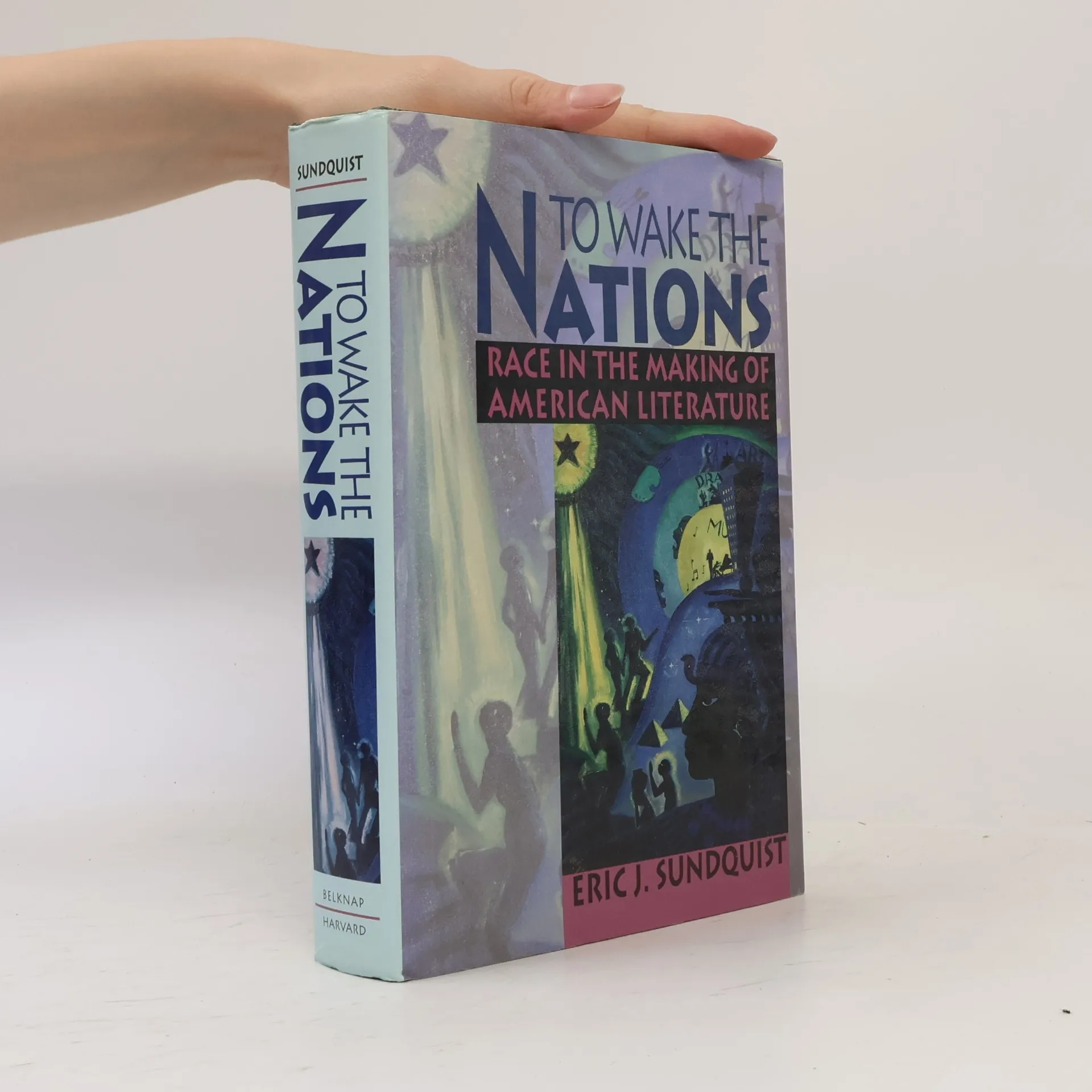
This powerful book argues that white culture in America is inseparable from black culture, highlighting the collision between the rights of man and the system of slavery that has shaped the nation. It emphasizes the need to integrate not only buses, schools, and factories but also the canon of American literature. Eric Sundquist undertakes this task, exploring the intersection of politics and literature, from Uncle Remus to African American spirituals. A significant reevaluation of American literature from 1830 to 1930 reveals how white and black literature are intertwined. Sundquist examines African America's complex relationship with white intellectual and literary forms, reconstructing the American literary tradition from the pre-Civil War era to the early twentieth century. The discussion begins with Nat Turner's "Confessions," recorded by Thomas Gray, setting the stage for the nuanced meanings found in American texts. Sundquist analyzes works by Frederick Douglass, Herman Melville, Martin Delany, Mark Twain, Charles Chesnutt, and W.E.B. Du Bois, contextualizing each within a rich tapestry of history, law, politics, religion, folklore, music, and dance. These readings provide insights into broader cultural themes, including the intersection of slavery with revolutionary ideology, literary depictions of segregation, and the transformation of African and antebellum folk consciousness into American literature.