

Gratis Versand ab € 14,99. Mehr Infos.
Bookbot

Philippe Le Billon

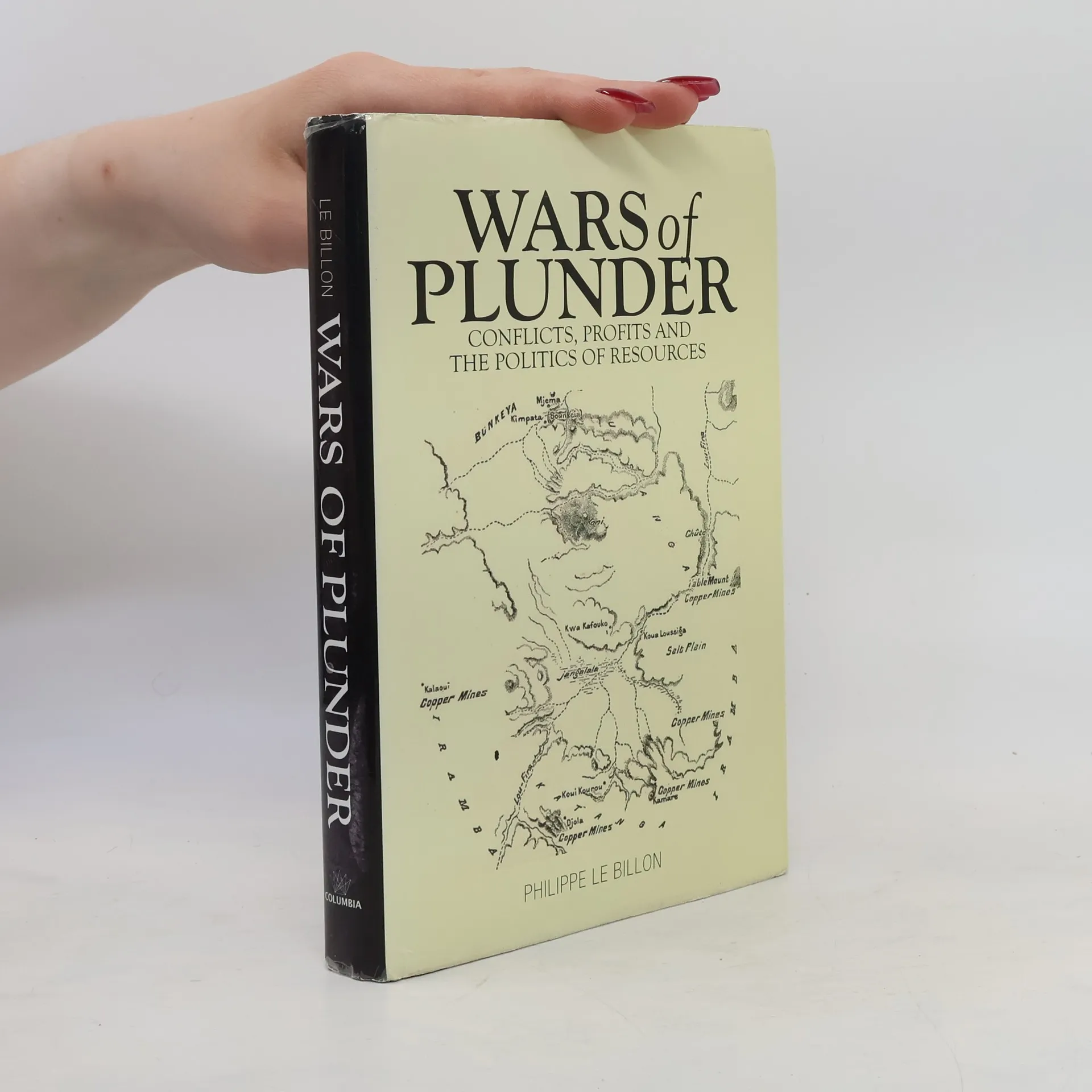
    Wars of Plunder
    Oil
    The Geopolitics of Resource Wars
    • The Geopolitics of Resource Wars

      Resource Dependence, Governance and Violence

      • 284 Seiten
      • 10 Lesestunden

      Exploring the paradox of resource-rich nations, the book delves into the 'resource curse' that hinders economic and social progress despite abundant natural wealth. It highlights how exploitative commercial practices, corrupt governance, and conflict have devastated the lives of millions in regions like the Persian Gulf and West Africa. By analyzing the intricate dynamics of misgovernance and the violent geopolitics surrounding raw materials, it challenges conventional views on resource competition and sheds light on the complexities faced by these countries.

      The Geopolitics of Resource Wars
      4,0
    • Oil

      • 288 Seiten
      • 11 Lesestunden

      Oil pulses through our daily lives. It is the plastic we touch, the food we eat, and the way we move. Oil politics in the twentieth century was about the management of abundance, state power, and market growth.

      Oil
      3,8
    • Wars of Plunder

      Conflicts, Profits and the Politics of Resources

      • 240 Seiten
      • 9 Lesestunden

      From Angola and Iraq to Liberia and the Democratic Republic of Congo, resource-rich countries with high incidences of poverty are prone to devastating outbreaks of war. The character of these conflicts is highly idiosyncratic, and the response of the international community is fascinatingly complex. Philippe Le Billon traces the specific burden of owning the world's most precious resources and the effect of resource politics on the development of war. He also takes a frank look at the international context surrounding such conflicts and its possible underlying motives. Le Billon focuses on three key resources----oil, diamonds, and timber----and the circumstances that link their abundance to war. He discusses the role of resource revenue in financing belligerent forces, a trend that has grown more conspicuous with the withdrawal of Cold War foreign sponsorship. While the War on Terror has altered the terms of military assistance and the nature of war's internationalization, many belligerent actors continue to rely on the profits of conflict resources to survive. Le Billon also examines the exploitation of resources and its creation of unrest.

      Wars of Plunder