

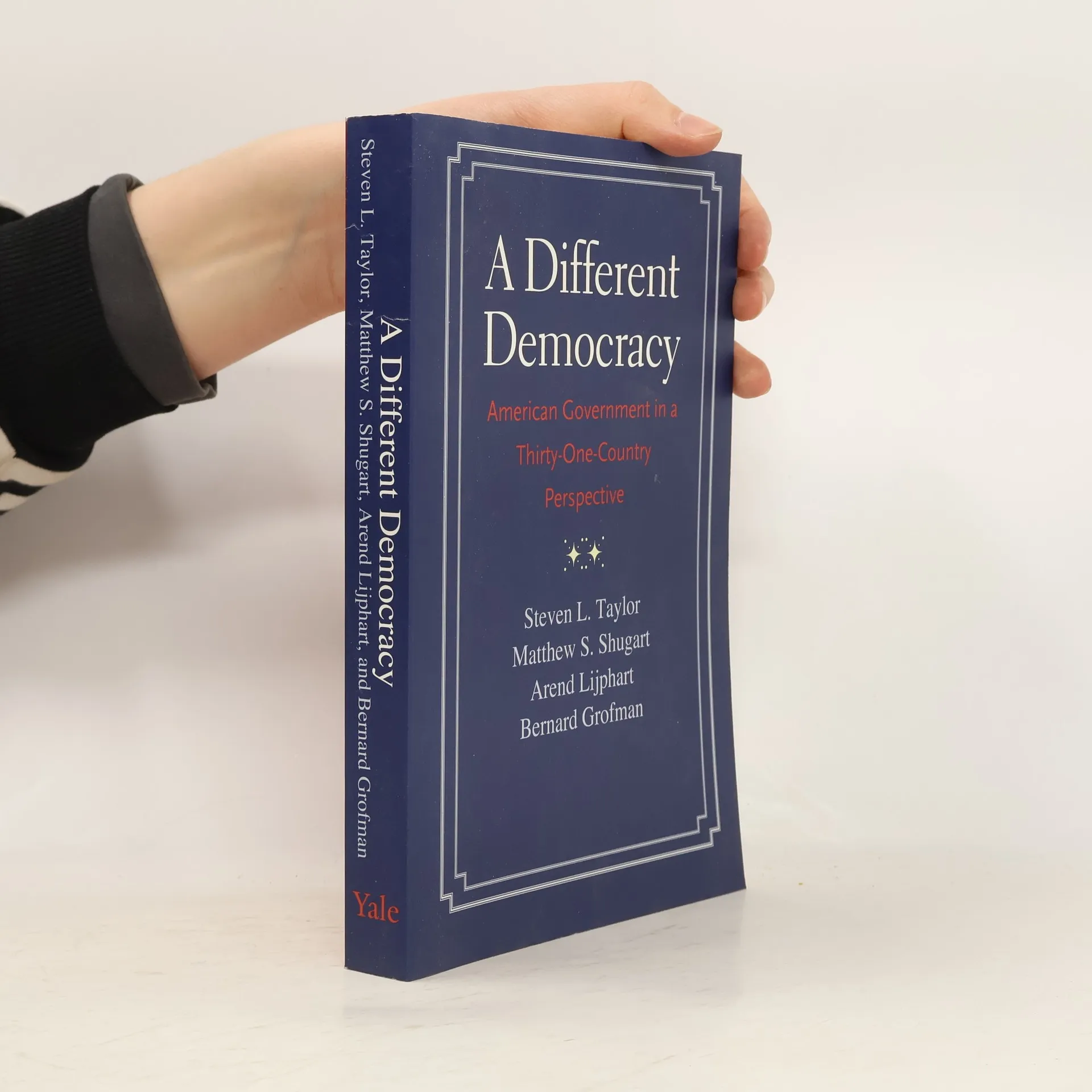
American democracy differs greatly from other democracies around the world. But is the American way more or less efficacious than comparable democracies in Asia, Latin America, or Europe? What if the United States had a prime minister instead of (or in addition to) a president, or if it had three or more parties in Congress instead of two? Would there be more partisan animosity and legislative gridlock or less? These are the kinds of questions that thinking about U.S. government in comparative perspective helps us to analyze. This valuable contribution to political studies takes a unique approach to a much-studied subject, looking at the U.S. government from a comparative point of view. Four distinguished scholars in the field examine the Constitution, the two-party system, the division of power between state and federal governments, and other major features of the American political system in terms of how they differ from other democracies, and they explore what those differences ultimately mean for democratic performance. By merging two important fields of study, American government and comparative political systems, this essential text offers a new and refreshingly insightful view of American exceptionalism.
Bernard Grofman Reihenfolge der Bücher (Chronologisch)
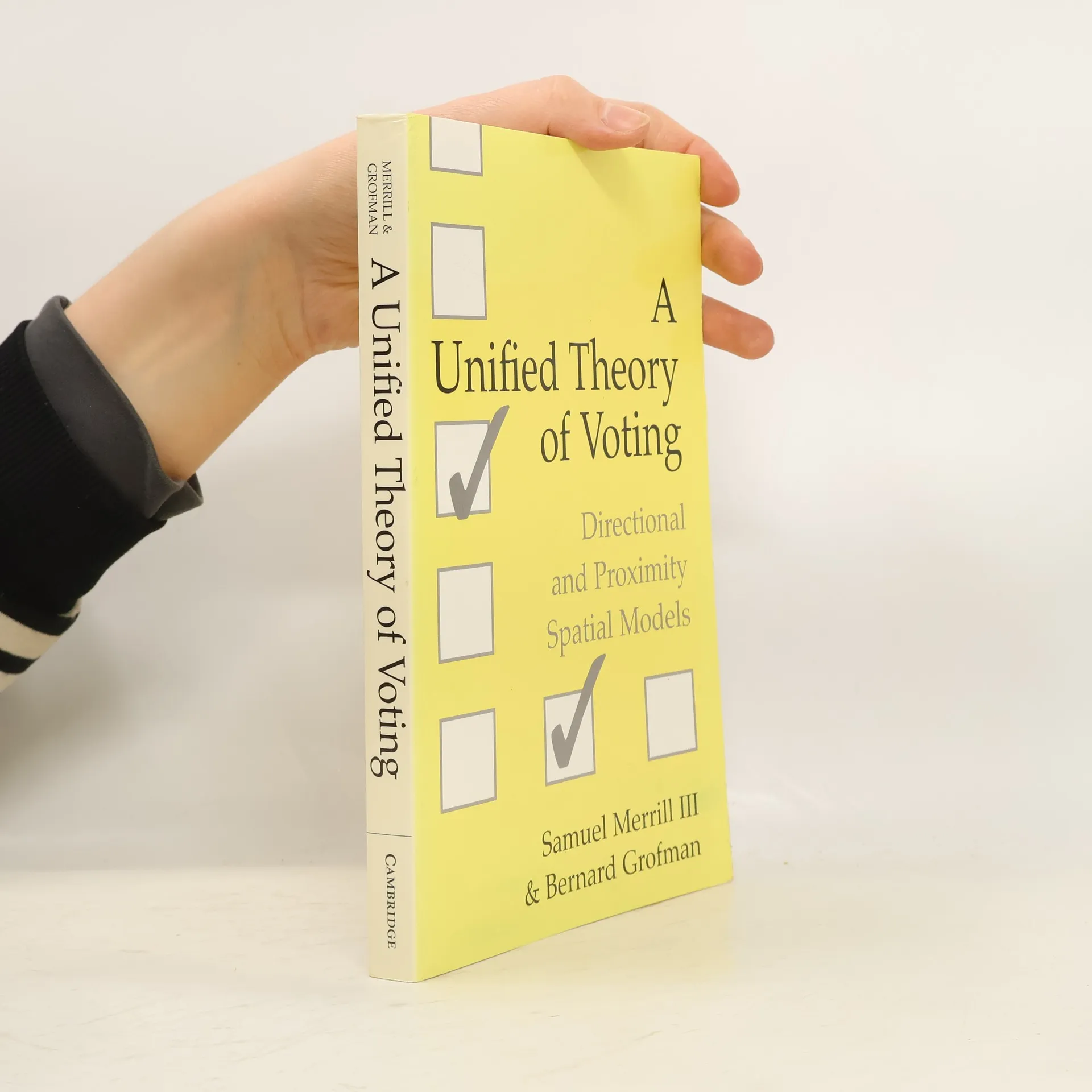
Professors Merrill and Grofman develop a unified model that incorporates voter motivations and assesses its empirical predictions--for both voter choice and candidate strategy--in the United States, Norway, and France. The analyses show that a combination of proximity, direction, discounting, and party ID are compatible with the mildly but not extremely divergent policies that are characteristic of many two-party and multiparty electorates. All of these motivations are necessary to understand the linkage between candidate issue positions and voter preferences.
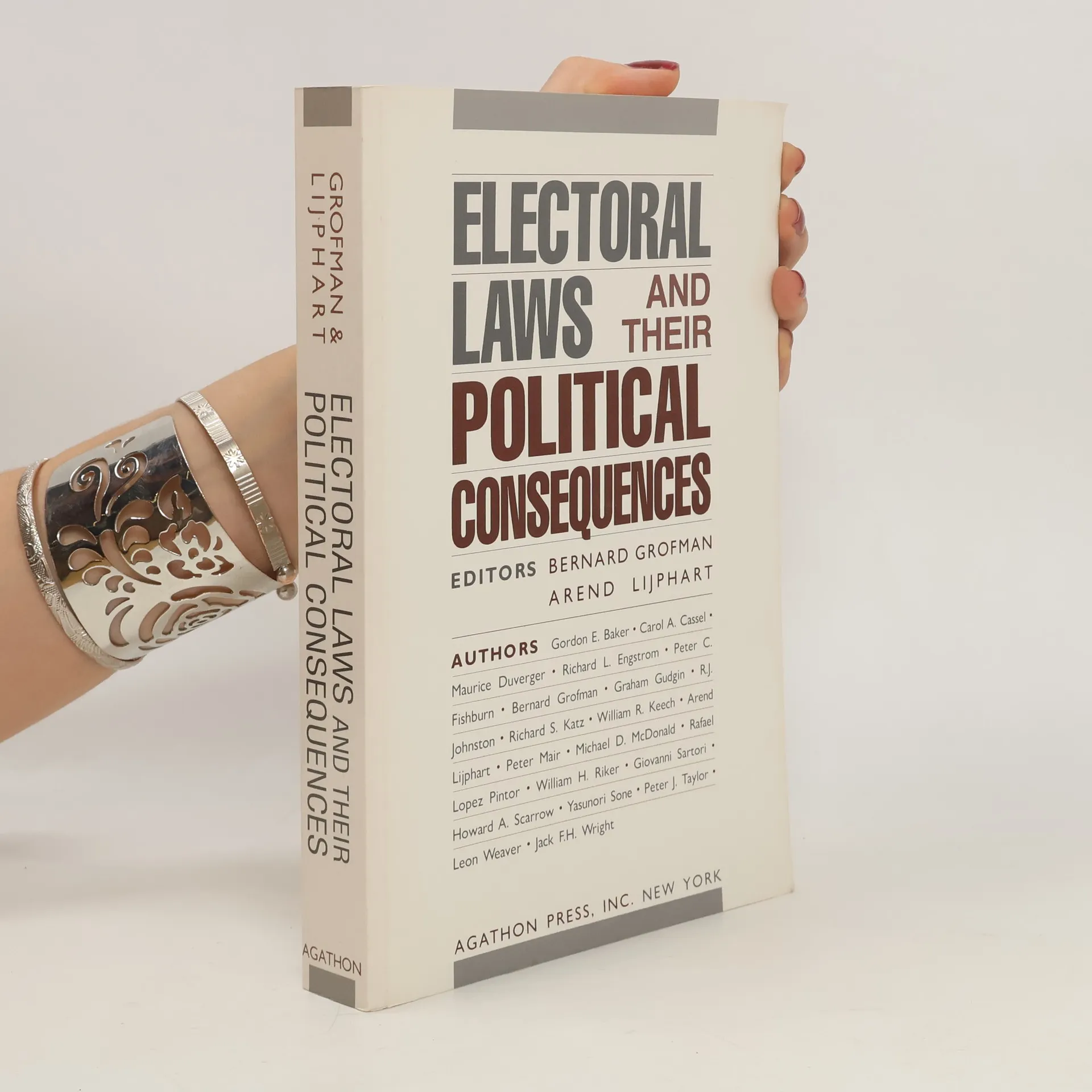
Electoral Laws and Their Political Consequences
- 352 Seiten
- 13 Lesestunden
The aim of this book is to provide an overview of recent research on electoral laws and their political consequences by scholars who have helped shape the field.