
Gratis Versand ab € 9,99
Bookbot

Arturo Sangalli

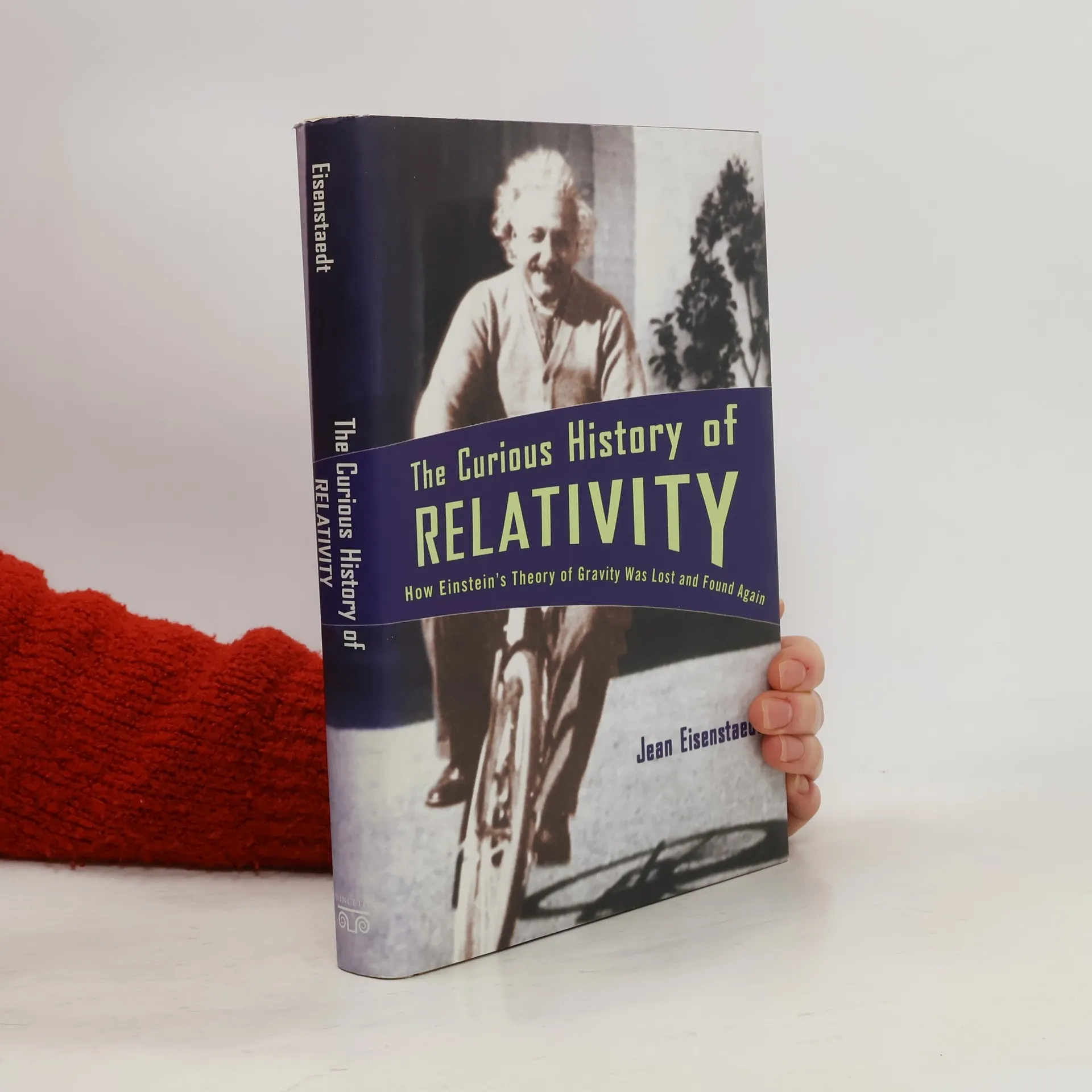
    The Curious History of Relativity
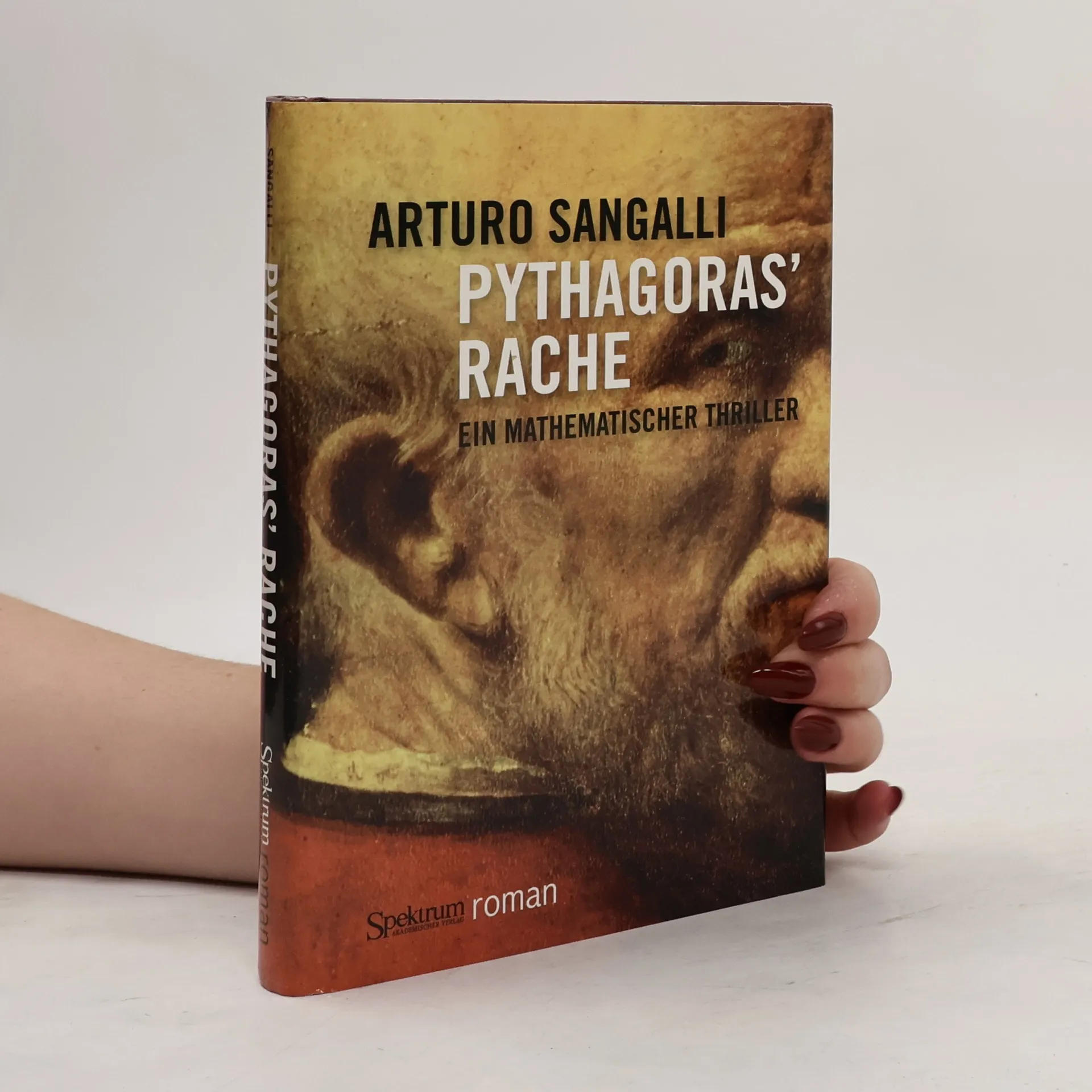
    Pythagoras' Rache
    • Pythagoras' Rache

      • 236 Seiten
      • 9 Lesestunden

      Vorwort.- Danksagungen.- Liste der Hauptpersonen.- Prolog.- TEIL I Eine Zeitkapsel?.- 1 Das Fünfzehn-Puzzle.- 2 Das unmögliche Manuskript.- 3 'Game over'.- 4 Ein Abstecher nach London.- 5 Ein Brief aus der Vergangenheit.- 6 Gefunden und verloren.- 7 Ein Todesfall in der Familie.- TEIL II Ein außergewöhnlich begabter Mensch.- 8 Die Mission.- 9 Norton Thorp.- 10 Zufallszahlen.- 11 Zufälligkeit überall.- 12 Verschwunden.- TEIL III Eine Sekte von Neupythagoreern.- 13 Der Auftrag.- 14 Der Leuchtturm.- 15 Das Team.- 16 Die Suche.- 17 Das Schlangensymbol.- 18 Eine professionelle Arbeit.- 19 Mit etwas Hilfe von deiner Schwester.- TEIL IV Pythagoras' Mission.- 20 Alle Wege führen nach Rom.- 21 Entführt.- 22 Das letzte Teil des Puzzles.- Epilog.- Anhang 1 Jules Lösung.- Anhang 2 Unendlich viele Primzahlen.- Anhang 3 Zufallsfolgen.- Anhang 4 Ein einfacher Beweis des Pythagoreischen Leersatzes.- Anhang 5 Vollkommene und figurierte Zahlen.- Anmerkungen, Nachweise und bibliographische Quellen

      Pythagoras' Rache2010
      3,5
    • The Curious History of Relativity

      How Einstein's Theory of Gravity Was Lost and Found Again

      • 363 Seiten
      • 13 Lesestunden

      Black holes may obliterate most things that approach them, but they played a crucial role in revitalizing the theory of general relativity. After its 1915 publication, Einstein's theory was initially embraced but soon took a backseat to quantum mechanics, remaining largely dormant for decades. It wasn't until the 1960s, with the work of Stephen Hawking and Roger Penrose, that the existence of black holes breathed new life into the theory. Almost a century after general relativity supplanted Newton's gravitational theory, this narrative explores the events surrounding its development and the techniques used by Einstein and his contemporaries to grapple with the complexities of his groundbreaking work. Jean Eisenstaedt, a leading expert, delves into the evolution of general relativity within the context of twentieth-century physics. He outlines key phases in its development: its inception, the challenges it faced during Einstein's lifetime, and its resurgence in the 1960s, when it became essential for understanding black holes, exotic astronomical objects, and ultimately, the accelerating universe. The narrative captures Einstein's journey in constructing his theory, alongside the efforts of his intrigued yet often frustrated colleagues—physicists, mathematicians, and astronomers. Written with flair, it poses and answers the challenging questions that arise from Einstein's remarkable intellectual achievement.

      The Curious History of Relativity2006