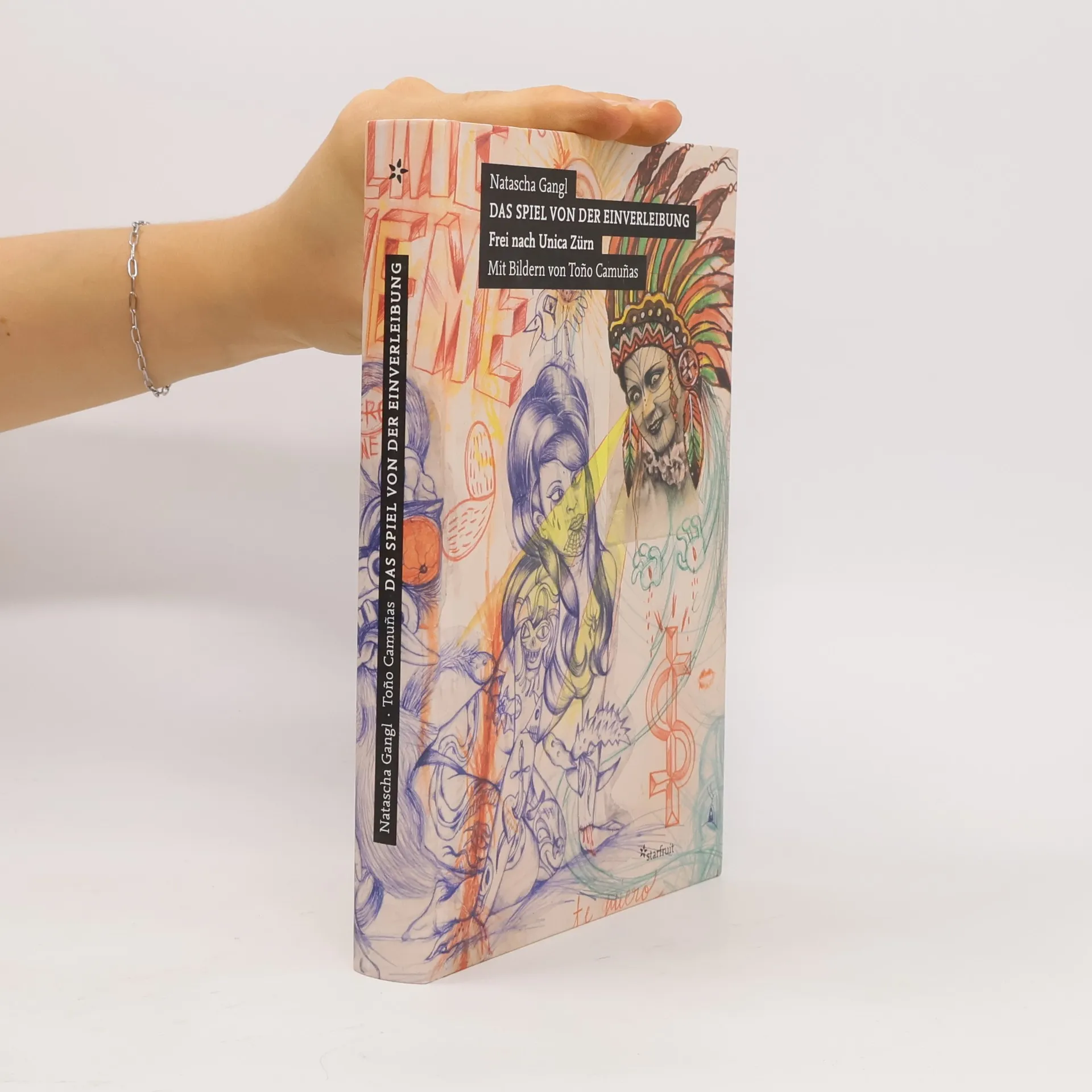
Unica Zürn Reihenfolge der Bücher (Chronologisch)
6. Juli 1916 – 19. Oktober 1970
Unica Zürn war eine deutsche Schriftstellerin und Malerin. Sie ist bekannt für ihre Werke der Anagramm-Poesie und Ausstellungen automatischer Zeichnungen. Ihre künstlerische Arbeit wurde auch durch fotografische Kollaborationen mit Hans Bellmer geprägt. Zürn verbindet auf einzigartige Weise bildende Kunst und literarische Experimente und bietet einen unkonventionellen Ausdruck.

The house of illnesses
- 96 Seiten
- 4 Lesestunden
A complete facsimile of the manuscript and illustrations, interleaved with a translation by Malcolm Green.00It is 25 years since Atlas Press first published Unica Zürn?s autobiographical account of the commencement of her long history of mental crises ('The Man of Jasmine', soon to be republished). In the meantime she has come to be recognised as a great artist at least the equal of her partner, the Surrealist Hans Bellmer. Zürn?s initial mental collapse was initiated when she encountered ?the Man of Jasmine? in the real world in the person of the writer Henri Michaux. Her meeting with him plunged her into a world of hallucination in which visions of her desires, anxieties and events from her unresolved past overwhelmed her present life. ?The House of Illnesses? was the first of her notebooks to confront this oncoming catastrophe which, paradoxically, she in part welcomed, since it gave her access to an inner existence essential to her artistic output.00In 1970 she committed suicide by throwing herself from the sixth-floor apartment that she shared with Bellmer
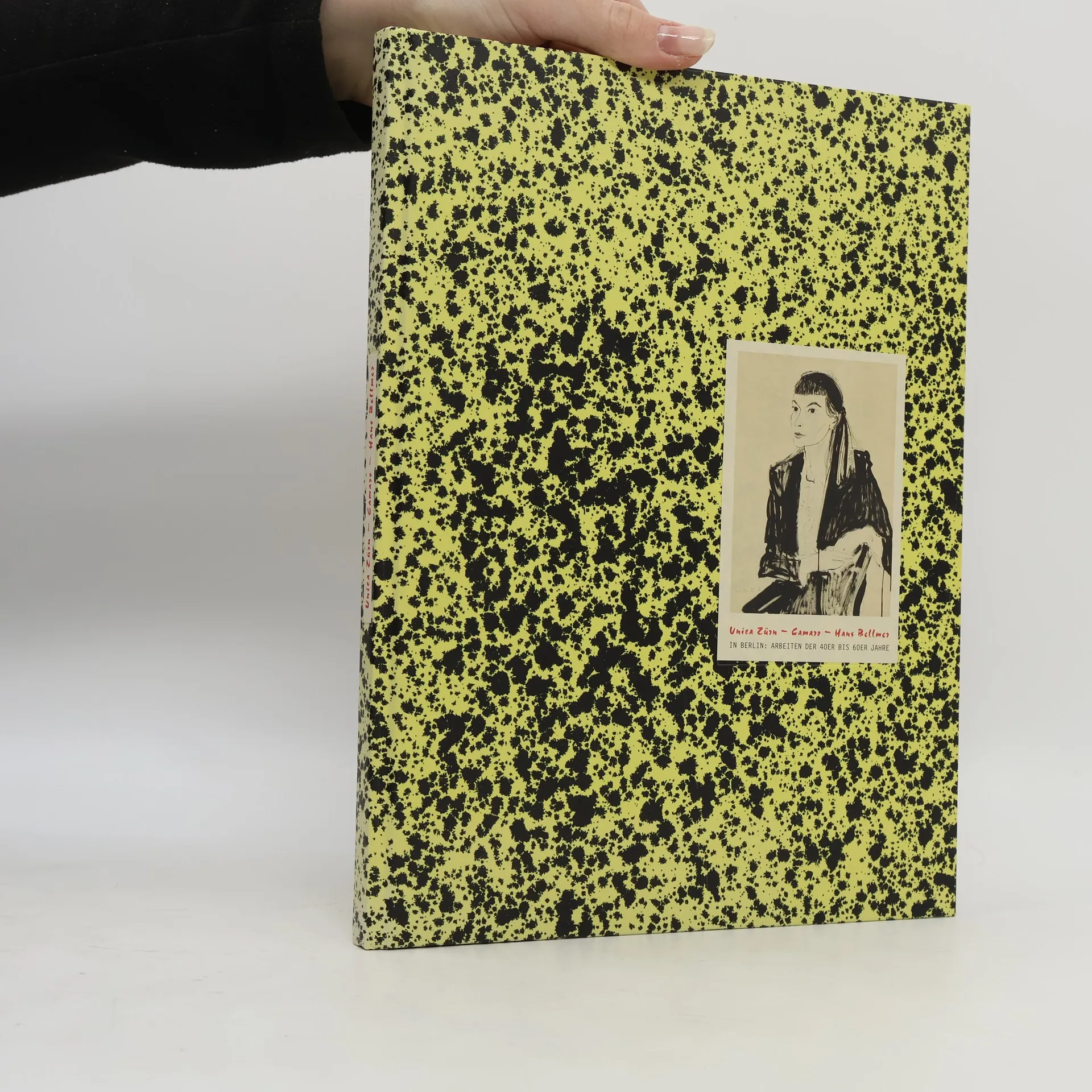
Unica Zürn - Camaro - Hans Bellmer in Berlin: Arbeiten der 40er bis 60er Jahre
- 125 Seiten
- 5 Lesestunden
The trumpets of Jericho
- 55 Seiten
- 2 Lesestunden
This fierce fable of childbirth by German Surrealist Unica Zürn was written after she had already given birth to two children and undergone the self-induced abortion of another in Berlin inthe 1950s. Beginning in the relatively straightforward, if disturbing, narrative of a young woman in a tower (with a bat in her hair and ravens for company) waging a psychic war against the parasitic son in her belly. The Trumpets of Jericho dissolves into a beautiful nightmare of hypnotic obsession and mythical language, stiched together with anagrams and private ruminations. Arguably Zürn's most extreme experiment in prose, and never before translated into English, this novella dramatizes the frontiers of the body--its defensive walls as well as it cavities and thresholds--animating a harrowing and painfully honest depiction of motherhood as a breakdown in the distinction between self and other, transposed into the language of darkest fairy tales. -- Provided by publisher
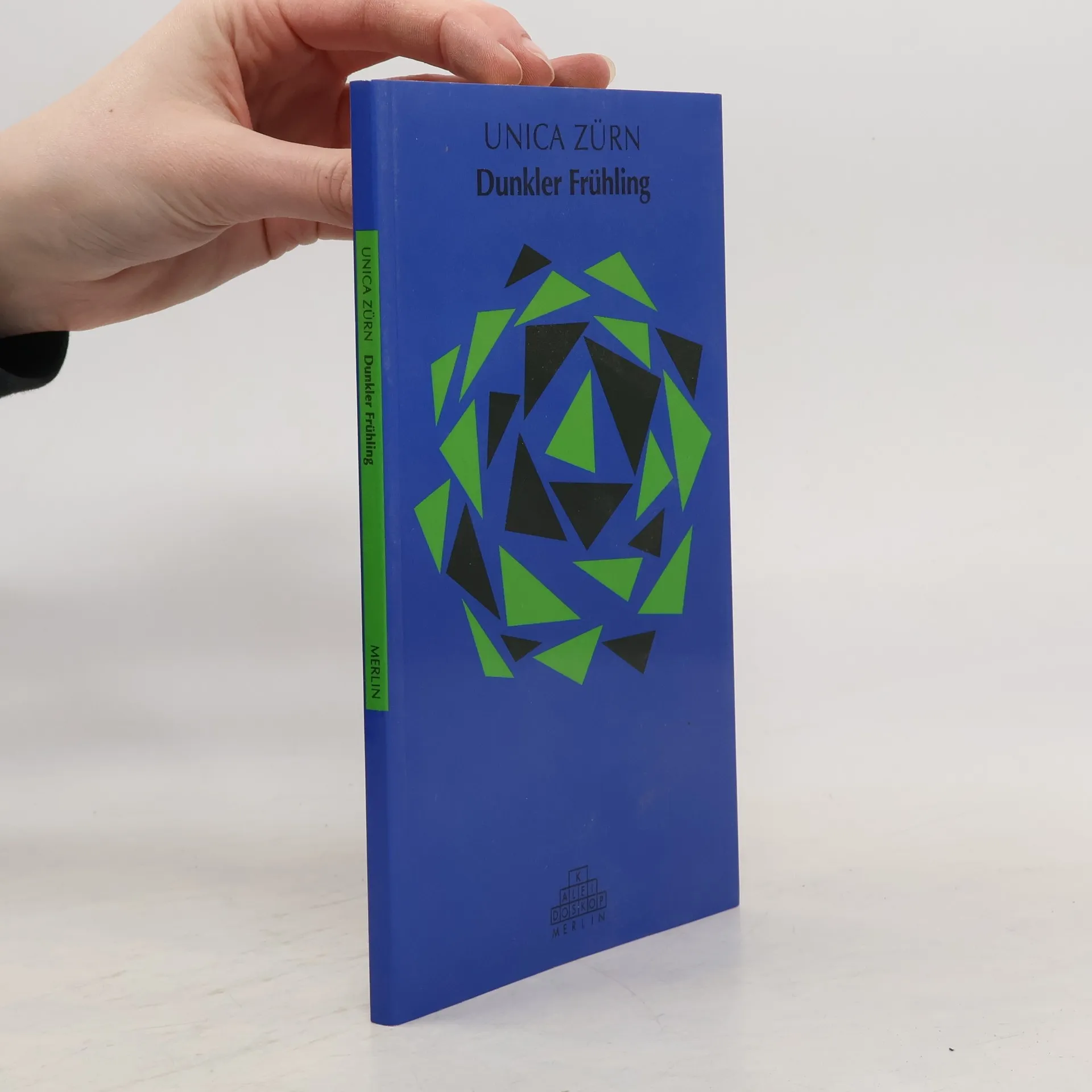
Dunkler Frühling
- 60 Seiten
- 3 Lesestunden
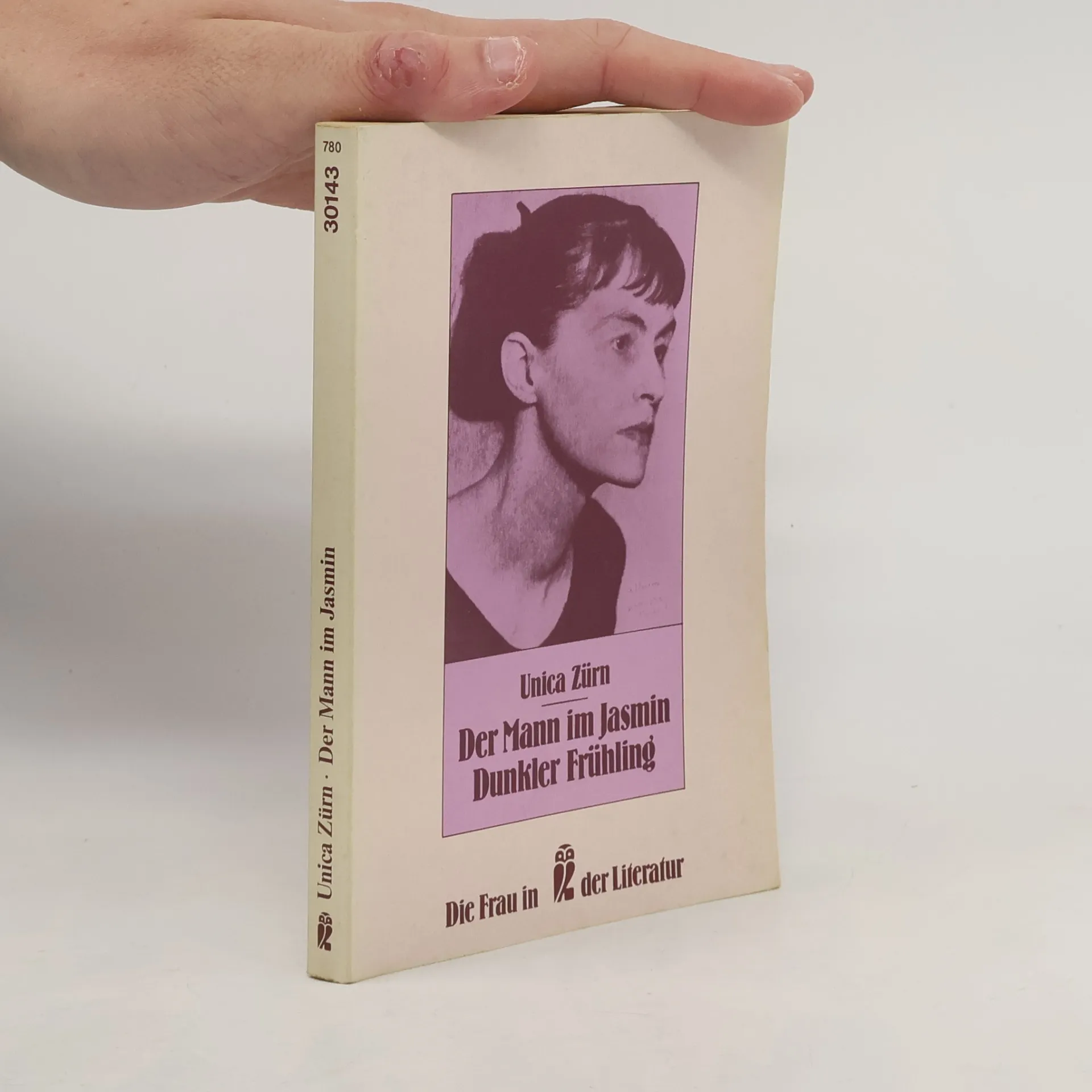
Dunkler Frühling ist die beklemmende Studie eines pubertierenden Mädchens auf dem Weg ins Erwachsensein. Die stets Kritik übende Mutter empfindet die Heranwachsende als feindlich, den brutal egoistischen Bruder verabscheut sie und in den zärtlichen Gesten des meist abwesenden Vaters entdeckt sie etwas entmutigend Gewohnheitsmäßiges. Alle ihre Träume münden in Enttäuschung und Schwermut. Unverstanden von den Eltern steuert das Leben des Mädchens auf eine Katastrophe zu. Dicht und bewundernswert feinfühlig gilt dieses zeitlos aktuelle letzte Werk von Unica Zürn als Kult-Roman!
Haus der Krankheiten
- 78 Seiten
- 3 Lesestunden
Ein vollständiges Faksimile des Manuskripts und der Illustrationen, durchsetzt mit einer Übersetzung von Malcolm Green. Es sind 25 Jahre vergangen, seit Unica Zürns autobiografischer Bericht über den Beginn ihrer langen Geschichte psychischer Krisen veröffentlicht wurde. In der Zwischenzeit wurde sie als große Künstlerin anerkannt, die ihrem Partner, dem Surrealisten Hans Bellmer, in nichts nachsteht. Zürns anfänglicher psychischer Zusammenbruch wurde ausgelöst, als sie "den Mann aus dem Jasmin" in der realen Welt in der Person des Schriftstellers Henri Michaux traf. Ihre Begegnung mit ihm stürzte sie in eine Welt der Halluzinationen, in der Visionen ihrer Wünsche, Ängste und Ereignisse aus ihrer ungelösten Vergangenheit ihr gegenwärtiges Leben überwältigten. "Das Haus der Krankheiten" war das erste ihrer Notizbücher, das sich mit dieser bevorstehenden Katastrophe auseinandersetzte, die sie paradoxerweise teilweise begrüßte, da sie ihr Zugang zu einem inneren Dasein verschaffte, das für ihr künstlerisches Schaffen wesentlich war. 1970 beging sie Selbstmord, indem sie sich aus der sechsten Etage der Wohnung stürzte, die sie mit Bellmer teilte.
I Unica Zürns texter skildras möten med konstnärer, kärlek, märkliga sammanträffanden, sinnessjukdom och vistelser på sjukhus på ett sätt som kan föra tankarna till Sylvia Plaths "Glaskupan", Leonora Carringtons "Down Below" och Janet Frames och Anna Kavans verk. Zürns hallucinatoriska prosa målar upp bilden av ett mörkt medvetande med många hemligheter, ofta ångestdrabbat och besatt av att skriva anagram samt tolka siffror och teckens dolda betydelser.”Men när man inte längre står ut med det normala livet – väljer man ‘den andra sidan’.”Så skriver Unica Zürn i ”MistAKE” (1964) i ett första utkast till romanen Jasminmannen som, samman med Mörk vår, gavs ut i översättning av Helena Eriksson på Vertigo för tio år sedan. Semester på Maison Blanche kan ses som uppföljaren. I sitt efterord till dessa överväldigande prosatexter berättar översättaren Helena Eriksson om Zürns liv och verk.
Unica Zürn
- 223 Seiten
- 8 Lesestunden
TEXT IN GERMAN
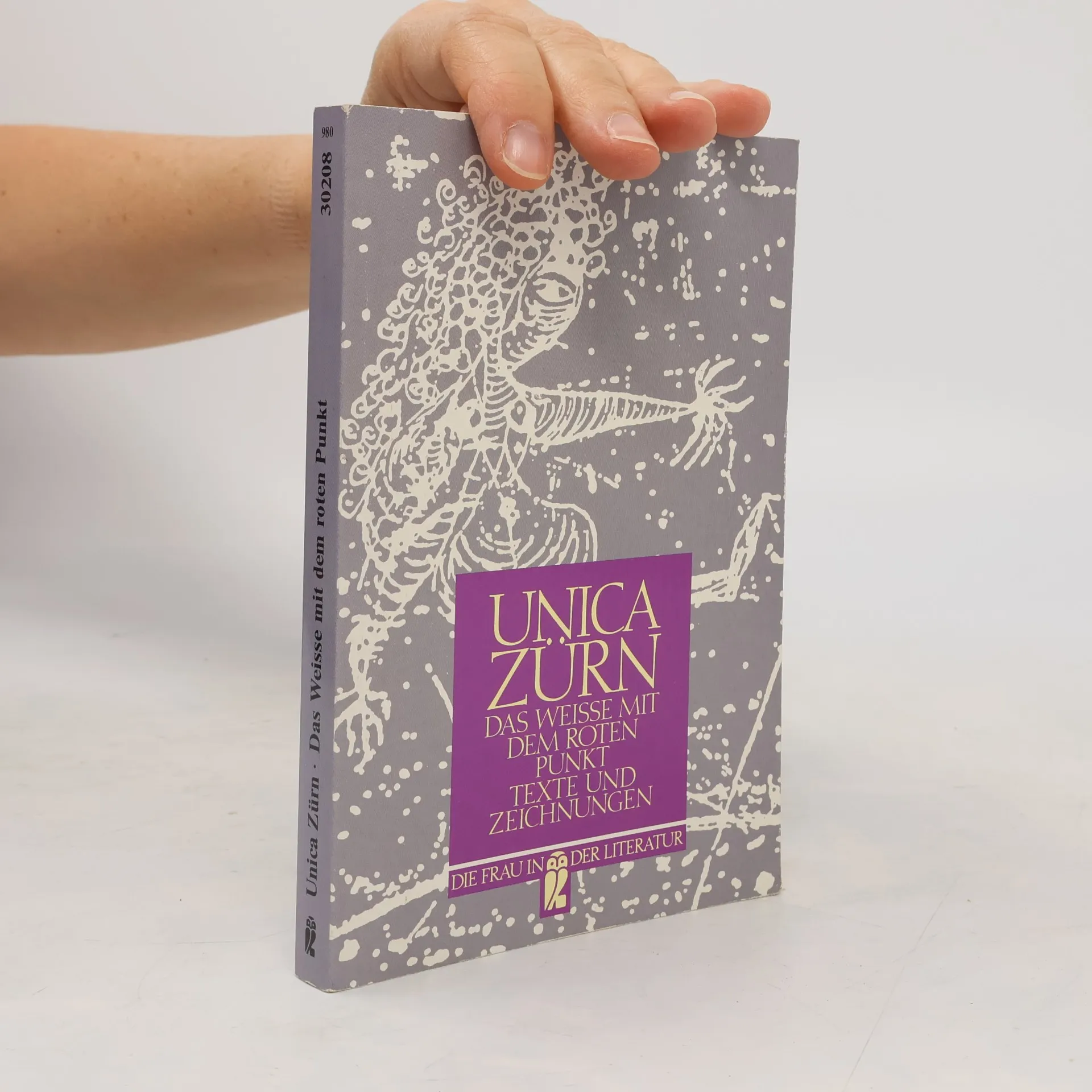
Das Weiße mit dem roten Punkt. Texte und Zeichnungen. Hrsg. v. Inge Morgenroth
- 231 Seiten
- 9 Lesestunden
Unica Zürn schreibt, schreibt und schreibt neu ihre „Legende des Lebens zu zweit“ – von den beiden Hälften, ihren Doppelungen, ihrem Paar, einem Angesicht zu Angesicht du & ich, sie & ich, sie & H B – das Gegenüber als Erscheinung des Anderen, des Doppelgängers. Notwendige Distanz, um die „sorgfältig seit langem zerbrochene Mosaik“ zu sehen und zu sammeln. Das Weiße mit dem roten Punkt und En embuscade sind zwei unveröffentlichte Texte.
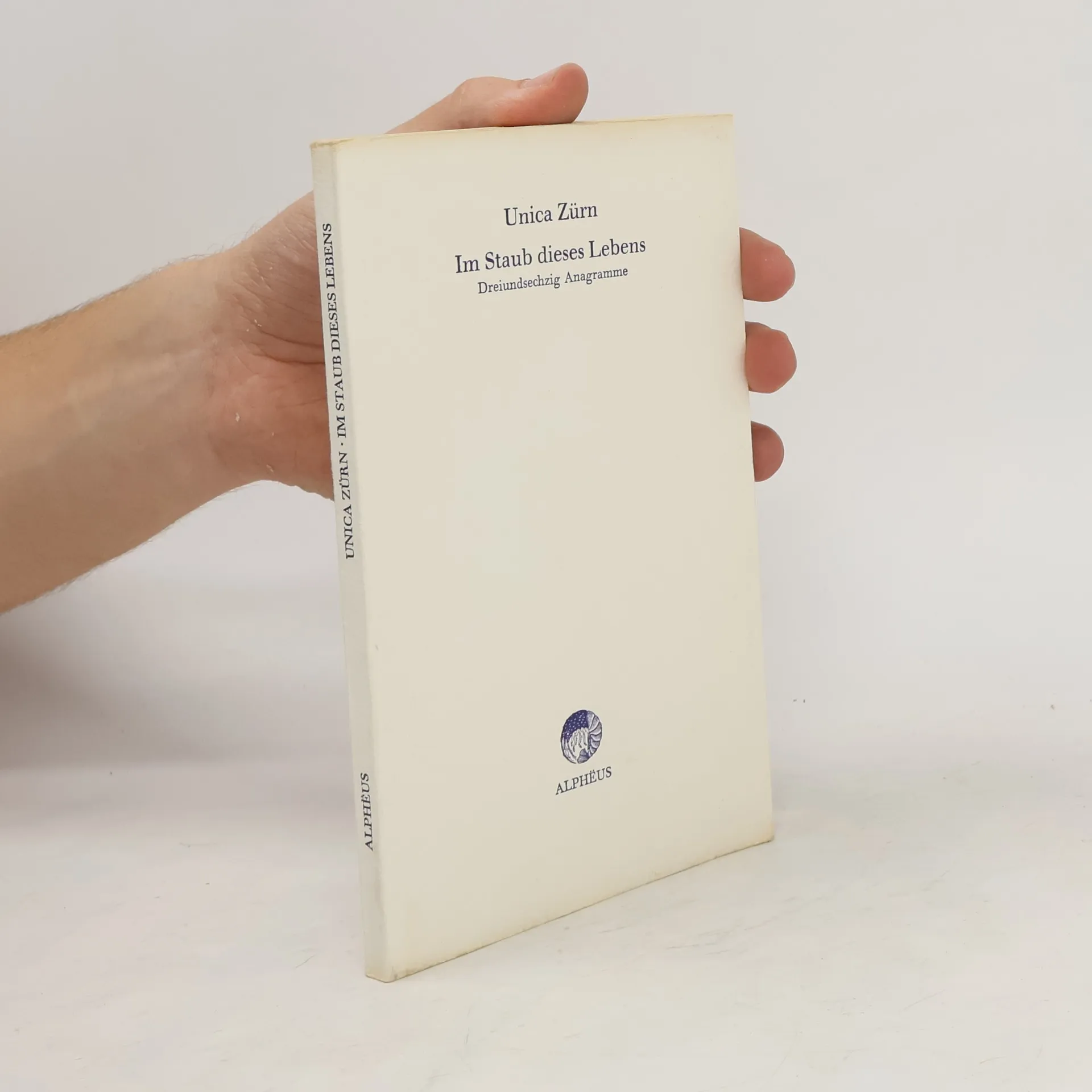
Im Staub dieses Lebens
- 70 Seiten
- 3 Lesestunden
Nachw. v. Henry, Ruth ; Rabain, Jean-Francois. ( Die Frau in der Literatur).