
Gratis Versand in ganz Österreich
Bookbot

Notting Hill Editions

    The Wrong Turning: Encounters with Ghosts
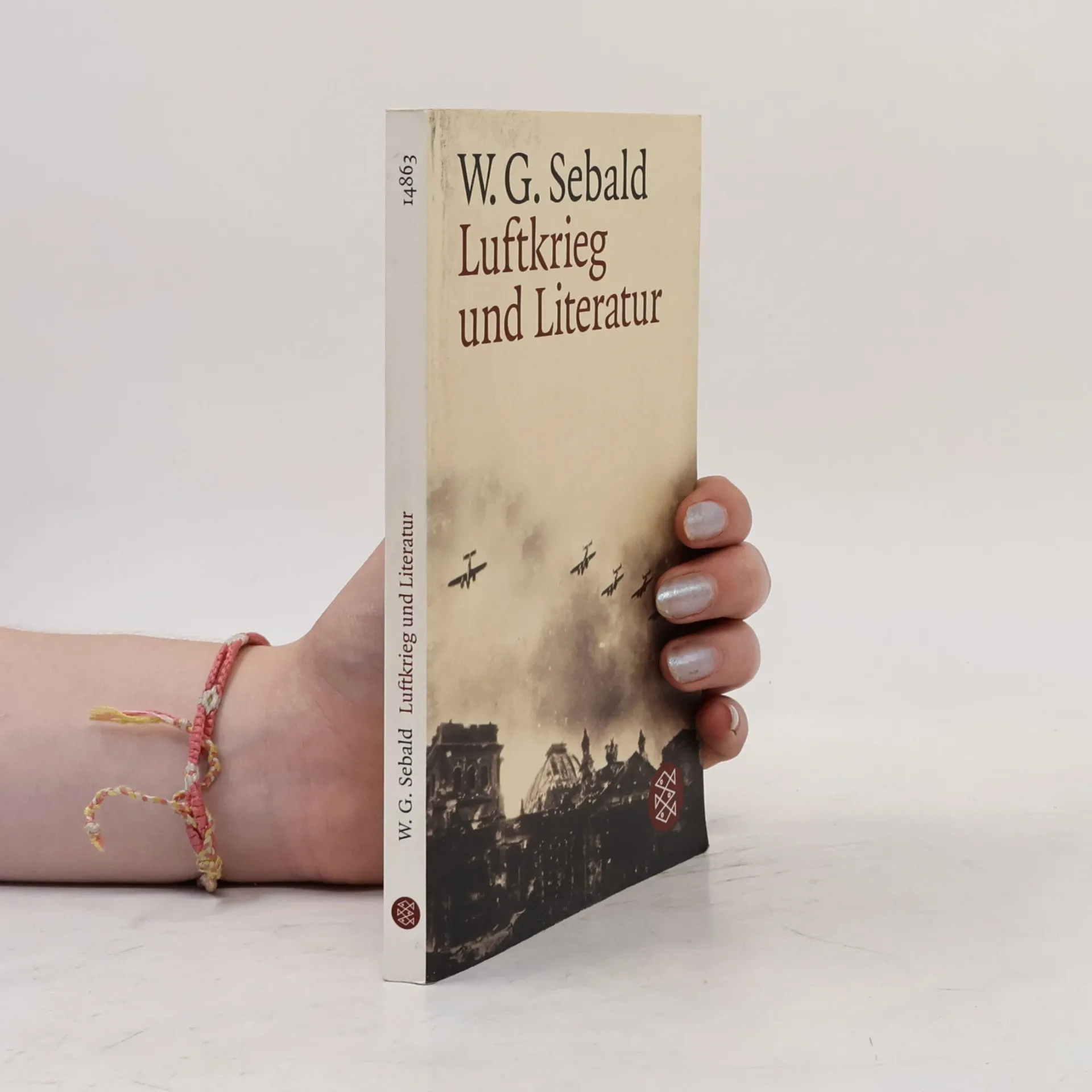
    Luftkrieg und Literatur
    On Cats
    • On Cats

      • 172 Seiten
      • 7 Lesestunden
      5,0(1)Abgeben

      For centuries, cats have been worshipped, adored and mistrusted in equal measure. This beautiful gift book contains a selection of essays, stories, and poems on cats by writers from across the ages. In these pages, writers reflect on the curious feline qualities that inspire such devotion in their owners, even when it seems one-sided. Cats’ affections are hard-won and often fickle. Freud considered his cat an embodiment of true egoism; Hilaire Belloc found peace in his feline companion’s complacency; and Hemingway—a famous cat-lover—wrote of drinking with his eleven cats and the pleasant distraction they gave him. Edward Gorey can’t turn down a stray despite the trouble they cause him, and admits he has no idea what they’re thinking about; Muriel Spark gives practical advice on how to teach a cat to play ping-pong; Nikola Tesla, who helped design the modern electricity supply system, describes a seminal experience with a cat that first sparked his fascination with electricity; and Caitlin Moran considers the unexpected feelings of loss after the death of her family cat. These writers, and many others (including Mary Gaitskill, Alice Walker, Ursula K. Le Guin, John Keats, James Bowen, Lynne Truss, and more), paint a joyful portrait of cats and their mysterious and loveable ways. As Hemingway wrote, “one cat leads to another.” The book features six black-and-white cat portraits by photographer Elliot Ross.

      On Cats
    • Als W. G. Sebald im Herbst 1997 seine Thesen zu Luftkrieg und Literatur an der Züricher Universität vortrug, war das Echo unerhört. Sebald sprach über »die Unfähigkeit einer ganzen Generation deutscher Autoren, das, was sie gesehen hatten, aufzuzeichnen und einzubringen in unser Gedächtnis«. Wichtiger als die Schilderung der realen Verhältnisse sei ihnen die Wiederherstellung ihres eigenen Selbstverständnisses gewesen. W. G. Sebalds provozierender Angriff erscheint hier zum ersten Mal, ergänzt durch einen Essay, mit dem der Autor auf die erregten Diskussionen antwortet.

      Luftkrieg und Literatur
    • Why do people love ghost stories, even if they don’t believe (or say they don’t believe) in ghosts? Is it simply the adrenaline rush that comes from being mesmerized and terrified by a great storyteller, or do these tales yield deeper meanings—telling us things about our own inner shadows? Stephen Johnson brings together some of the most memorable encounters with ghosts in world literature, from Europe, Russia, the United States, and China. Recurring themes and imagery are noted, interpretations suggested—but only suggested, since ambiguity and resistance to rational interpretation are key elements in the best ghost stories. As the writer Robert Aickman observed, often the decisive moment comes when someone, somehow, makes a “wrong turning”—literally, perhaps, but at the same time psychologically, even morally—and some mysterious nemesis takes over.Old favorites by M. R. James, Ambrose Bierce, and Charlotte Perkins Gilman are interlaced with extracts from longer works by Emily Brontë, Henry James, Alexander Pushkin, along with slightly left-field apparitions from Tove Jansson, and Flann O’Brien. With such expert guides, who knows what we will be led to encounter in the haunted chambers of our minds?

      The Wrong Turning: Encounters with Ghosts