Daniel WoolfReihenfolge der Bücher (Chronologisch)
Dieser britisch-kanadische Historiker konzentriert sich auf die komplexe Sozial- und Politikgeschichte Englands und Großbritanniens. Seine Arbeit taucht tief in die Feinheiten der frühneuzeitlichen Gesellschaft ein und untersucht die Dynamiken von Macht, Kultur und Identität. Durch sorgfältige Recherche und aufschlussreiche Analysen erweckt er die Vergangenheit für die Leser zum Leben, enthüllt ihre Nuancen und zeigt ihre bleibenden Auswirkungen auf die Gegenwart. Sein Schreibstil ist sowohl gelehrt als auch zugänglich, was seine historischen Darstellungen zu fesselnder Lektüre für alle macht, die sich für die britische Geschichte interessieren.
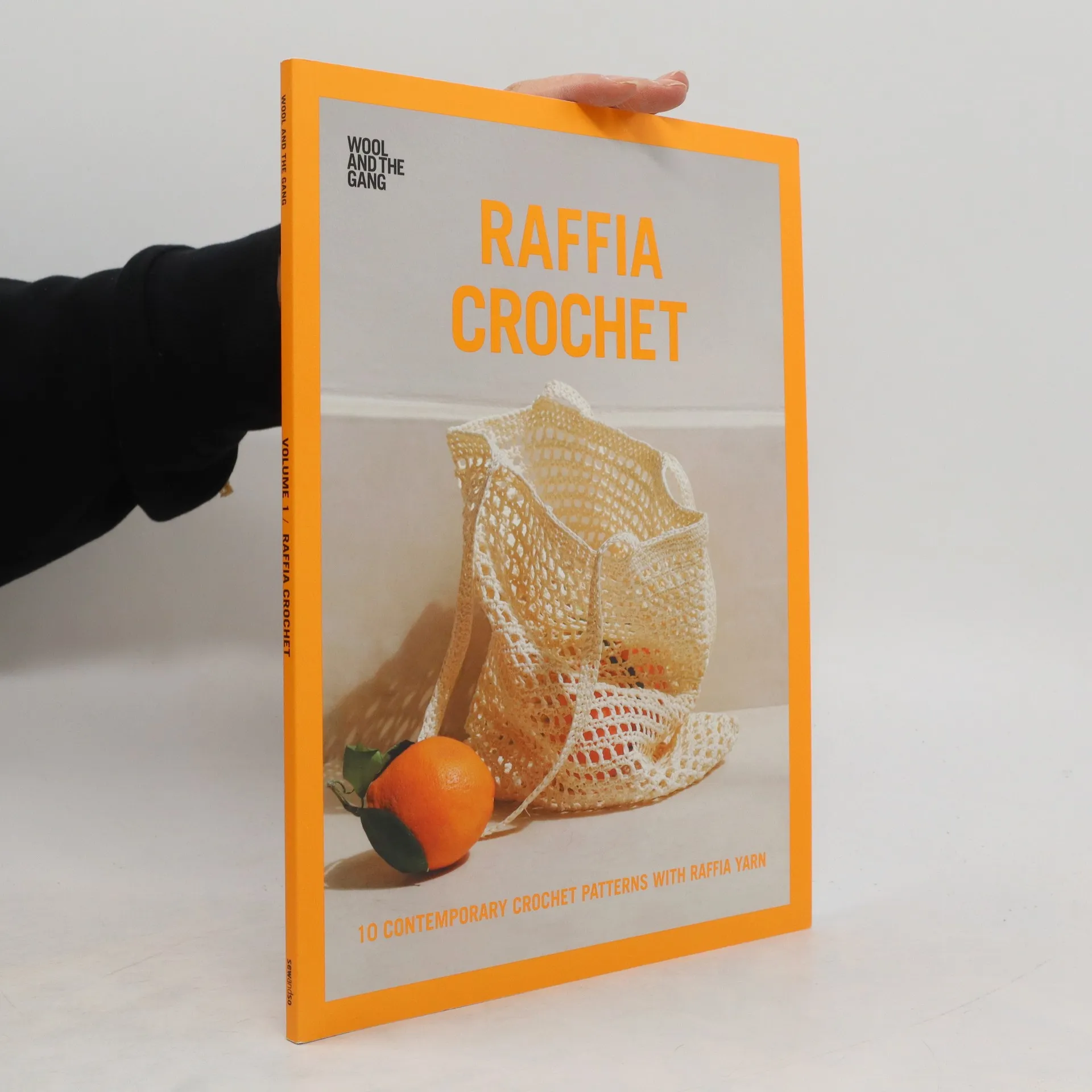
Wool and the Gang introduce you to the craft of crocheting with raffia, a
breakthrough new yarn that is great for a wide range of summery projects. This
book includes patterns for 10 on-trend raffia items such as bags, hats and
baskets, which are then further embellished with embroidery in raffia yarn.
This short history of history is an ideal introduction for courses on the
historian's craft, historical theory and method, and historiography. It spans
the earliest known forms of historical writing in the ancient near East right
through to the present and covers developments in Europe, Asia, Africa and the
Americas.
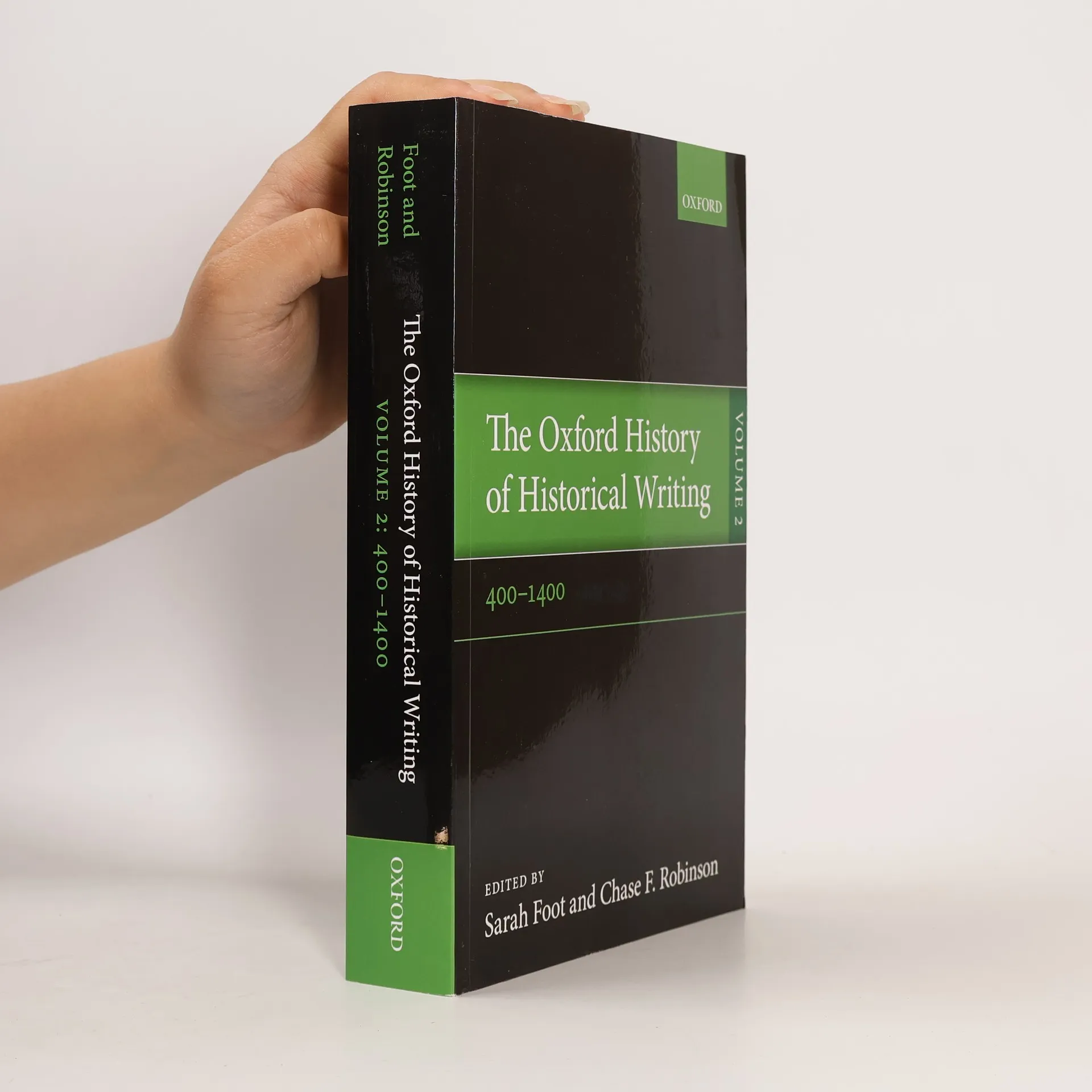
How was history written in Europe and Asia between 400-1400? How was the past understood in religious, social and political terms? And in what ways does the diversity of historical writing in this period mask underlying commonalities in narrating the past? The volume, which assembles 28 contributions from leading historians, tackles these and other questions. Part I provides comprehensive overviews of the development of historical writing in societies that range from the Korean Peninsula to north-west Europe, which together highlight regional and cultural distinctiveness. Part II complements the first part by taking a thematic and comparative approach; it includes essays on genre, warfare, and religion (amongst others) which address common concerns of historians working in this liminal period before the globalizing forces of the early modern world.