

Focusing on the anthropology of peace and reconciliation, this book provides a comparative, case-study approach that explores various cultural contexts and practices. It examines how different societies understand and implement peace-building efforts, highlighting the complexities and nuances of reconciliation processes. Through a diverse range of examples, the text aims to deepen the reader's understanding of the social dynamics involved in achieving peace.
Nigel Eltringham Reihenfolge der Bücher (Chronologisch)

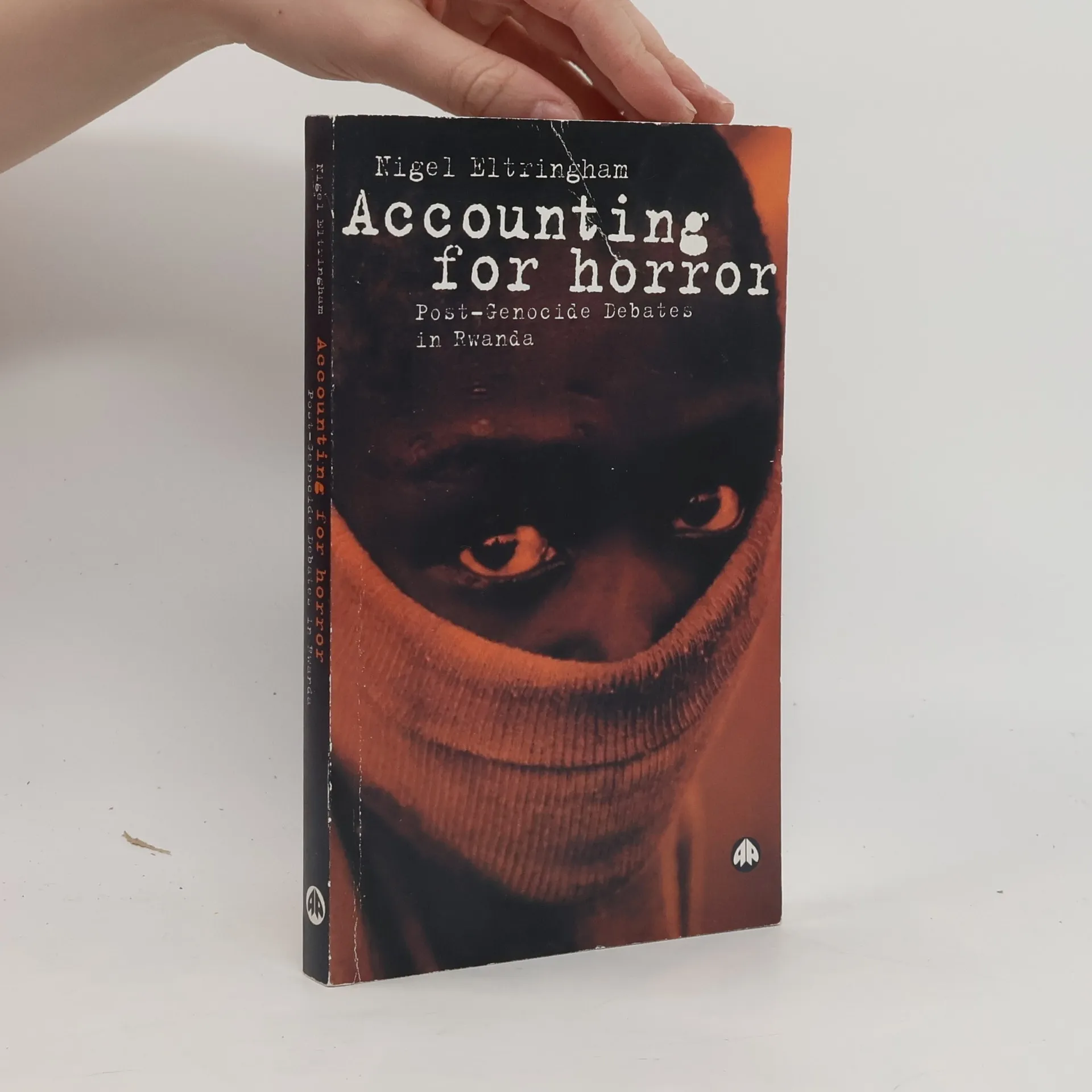
The 1994 Rwandan genocide was a monumental atrocity in which at least 500,000 Tutsi and tens of thousands of Hutu were murdered in less than four months. Since 1994, members of the Rwandan political class who recognise those events as genocide have struggled to account for it and bring coherence to what is often perceived as irrational, primordial savagery.Most people agree on the factors that contributed to the genocide -- colonialism, ethnicity, the struggle to control the state. However, many still disagree over the way these factors evolved, and the relationship between them. This continuing disagreemnt raises questions about how we come to understand historical events -- understandings that underpin the possibility of sustainable peace.Drawing on extensive research among Rwandese in Rwanda and Europe, and on his work with a conflict resolution NGO in post-genocide Rwanda, Nigel Eltringham argues that conventional modes of historical representation are inadequate in a case like Rwanda. Single, absolutist narratives and representations of genocide actually reinforce the modes of thinking that fuelled the genocide in the first place. Eltringham maintains that if we are to understand the genocide, we must explore the relationship between multiple explanations of what happened and interrogate how -- and why -- different groups within Rwandan society talk about the genocide in different ways.