
Gratis Versand in ganz Österreich
Bookbot

Pauline Elizabeth Hopkins

    Pauline Elizabeth Hopkins war eine bedeutende afroamerikanische Autorin, die als Pionierin des Romans hervortrat. In ihrem Werk verband sie meisterhaft romantische Elemente mit einer tiefgründigen Erforschung sozialer und rassistischer Themen und ebnete damit den Weg für zukünftige Generationen. Ihre Schriften zeichnen sich nicht nur durch literarische Qualität aus, sondern auch durch eine mutige Auseinandersetzung mit zeitgenössischen gesellschaftlichen Problemen. Der Einfluss von W. E. B. Du Bois ist in ihrem Werk spürbar und verleiht ihren Texten eine weitere Ebene intellektueller Tiefe und historischer Bedeutung.

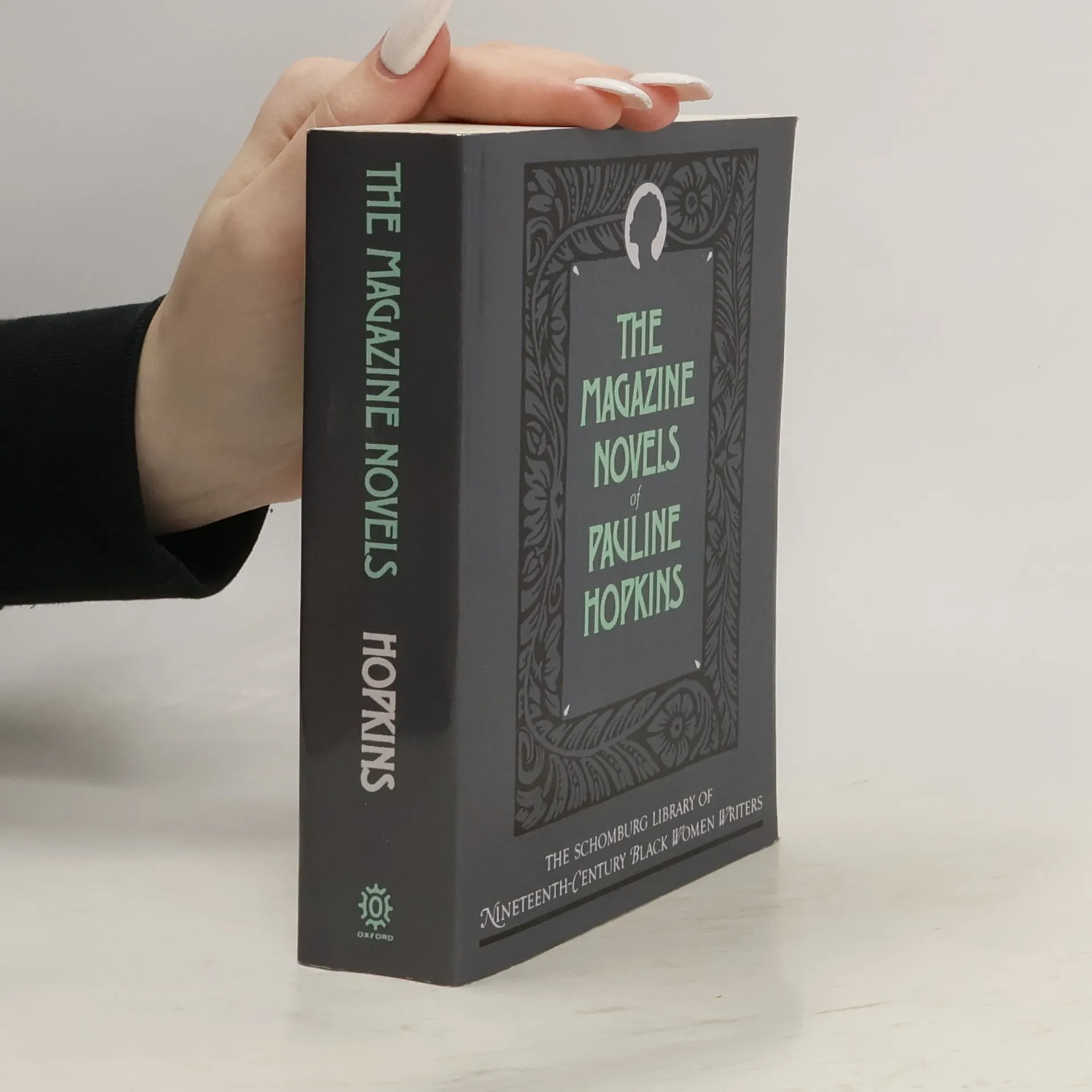
    The Schomburg Library of Nineteenth-Century Black Women Writers: The Magazine Novels of Pauline Hopkins
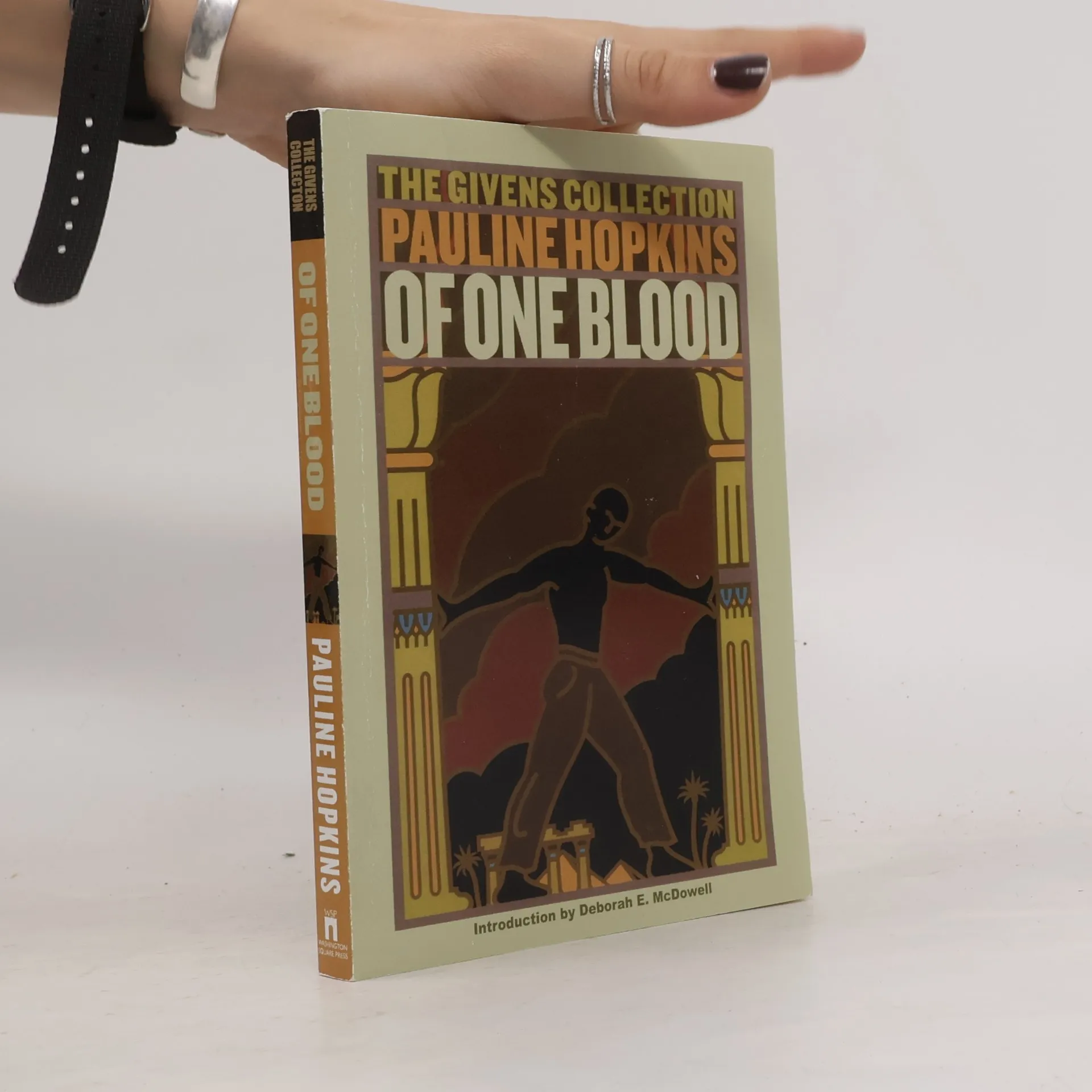
    Of One Blood: Or, The Hidden Self
    • 2021

      Of One Blood: Or, The Hidden Self

      • 288 Seiten
      • 11 Lesestunden
      4,0(3)Abgeben

      A lost worlds thriller written in 1902 by the pioneering black writer of black fiction. The story of Reuel is fuelled by love, betrayal and a heavy undertow of the supernatural; an impulsive medical student he travels from Boston to Ethiopia, discovers a hidden city, ancient treasure and his own heritage. New edition with a new introduction.

      Of One Blood: Or, The Hidden Self
    • 1988

      The Schomburg Library of Nineteenth-Century Black Women Writers: The Magazine Novels of Pauline Hopkins

      (Including Hagar's Daughter, Winona, and Of One Blood)

      • 672 Seiten
      • 24 Lesestunden

      First published in May 1900, the Colored American Magazine provided a pioneering forum for black literary talent previously stifled by lack of encouragement and opportunity. Not only a prolific writer for the journal, Pauline Hopkins also served as one of its powerful editorial forces. This volume of her magazine novels, which appeared serially in the journal between March 1901 and November 1903, reveals Hopkins' commitment to fiction as a vehicle for social change. She weaves important political themes into the narrative formulas of nineteenth-century dime-store novels and story papers, which emphasize suspense, action, complex plotting, multiple and false identities, and the use of disguise. Offering both instruction and entertainment, Hopkins' novels also expose the limitations of popular American narrative forms when telling the stories of black characters.

      The Schomburg Library of Nineteenth-Century Black Women Writers: The Magazine Novels of Pauline Hopkins