Describes the process by which the brain acts as an endocrine organ to control hormonal functions, maintain homeostasis, and regulate behaviour. The text describes basic neuroendocrine processes and presents them in a manner relative to clinical settings.
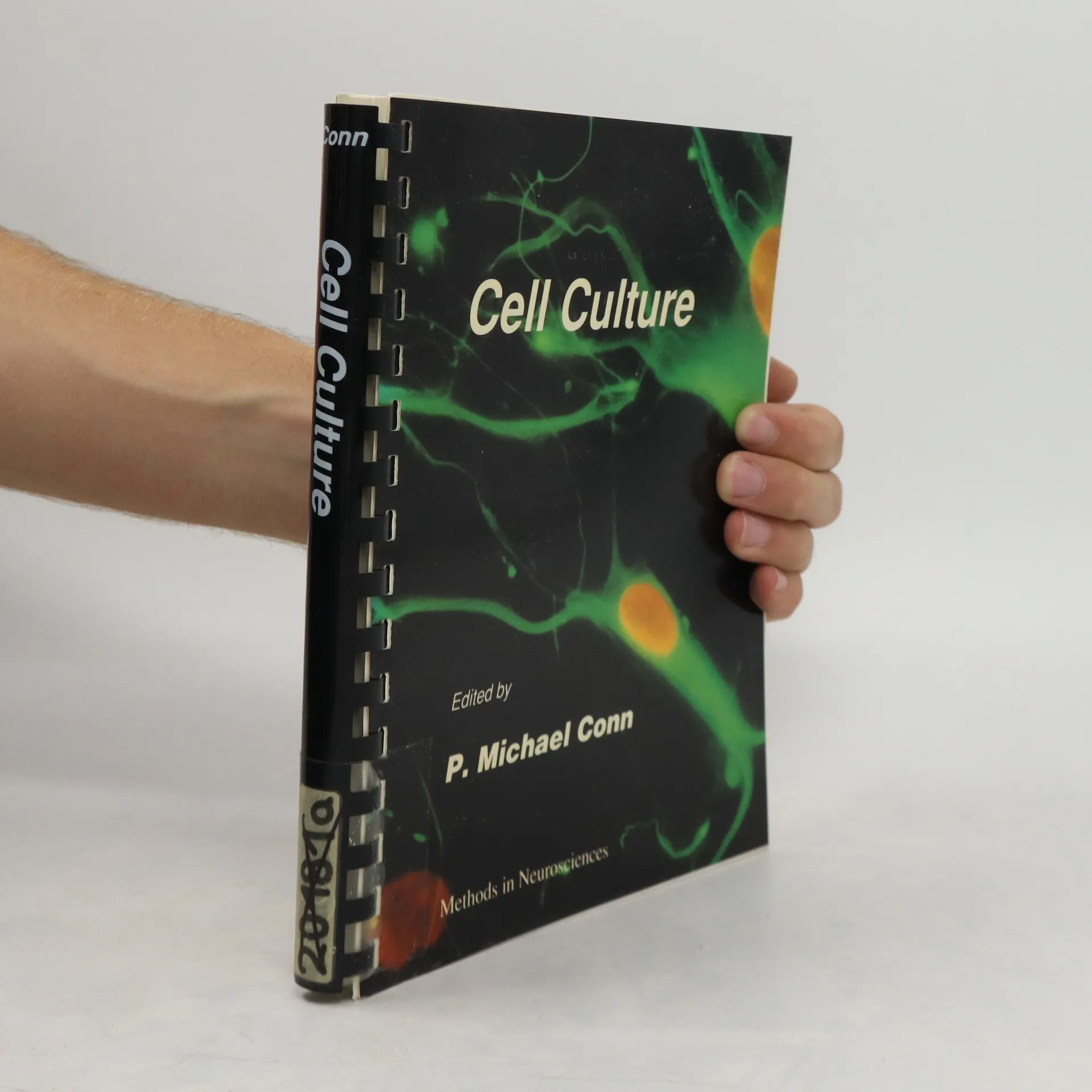
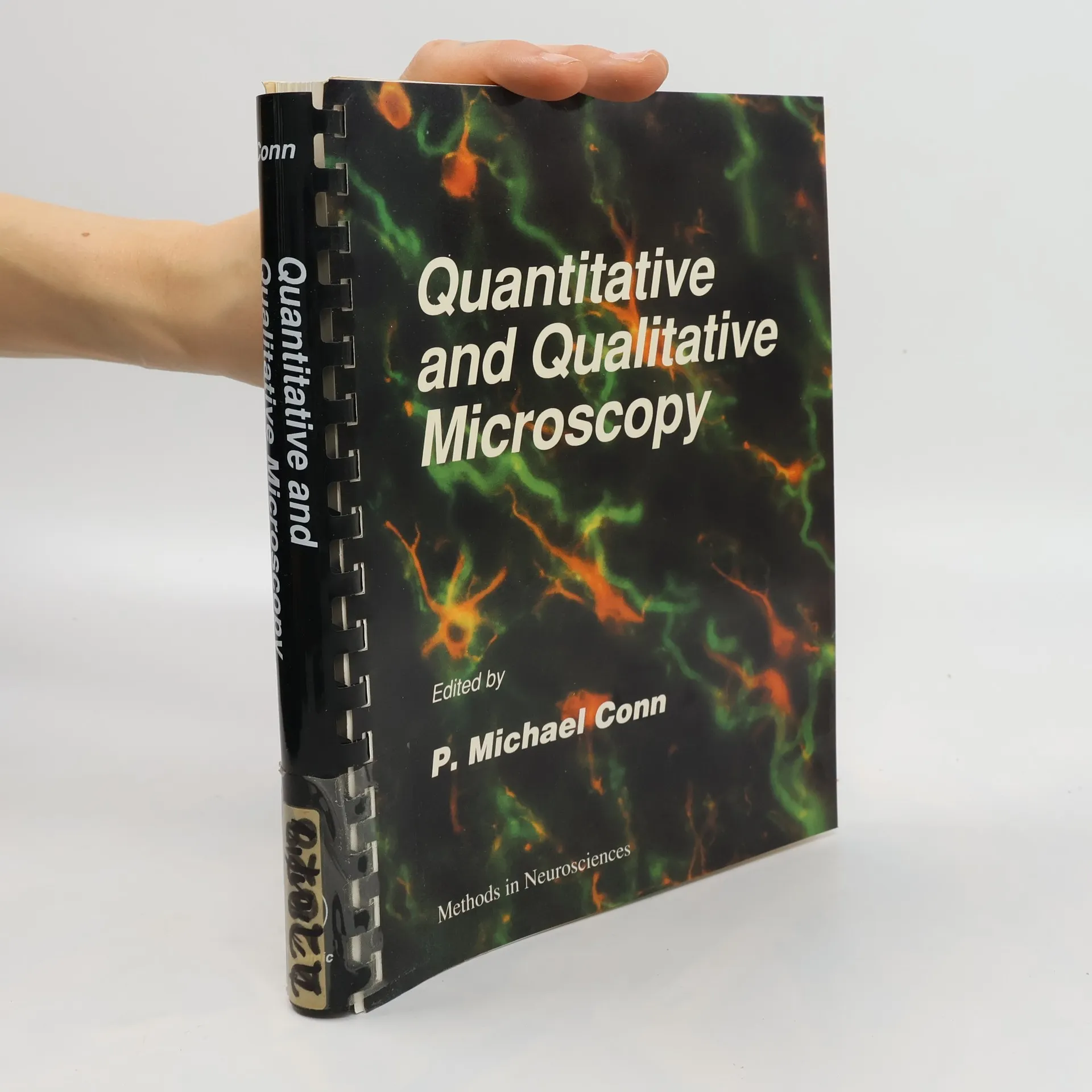
The ability to assess the response of neural cells is an important goal of research in the neurosciences. The means to measure responses in a chemically defined medium is a positive feature of the use of cell culture and is the major reason its use is so important in this discipline. Techniques for the purification of cells for culture, for large-scale isolation, for assessing differentiated function, and for tracing lineage are included. Many of the methods can easily be adapted to other systems.
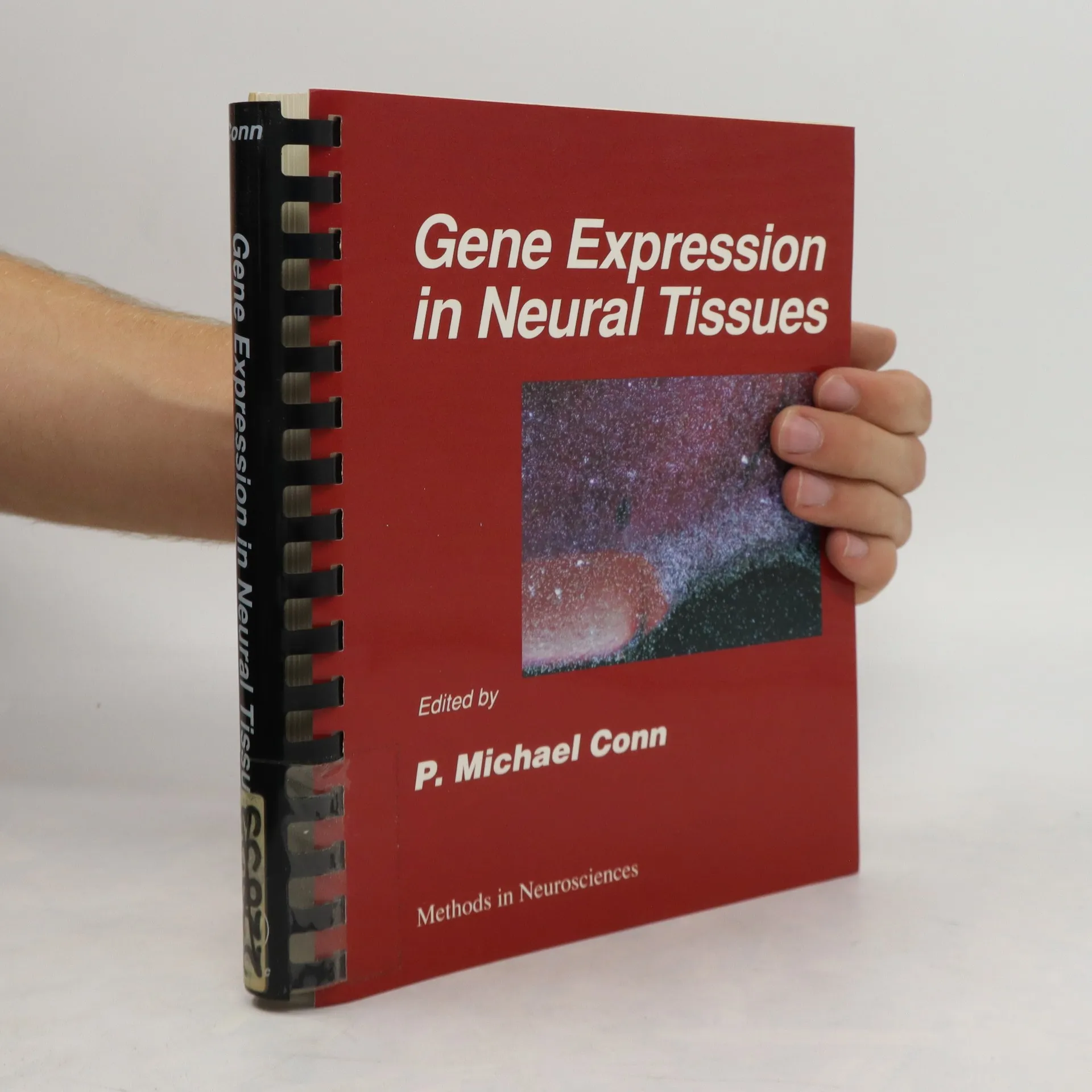
The study of gene expression in neural tissue brings to bear some of the newest and most productive scientific technology to one of the most exciting and fastest growing areas. This volume describes methods for the study of the expression of specific genes frequently found in very low abundance.Key Features* Convenient benchtop format* Methods presented for easy adaptation to new systems* Comprehensive protocols included for* In situ hybridization* Comparison of in situ and immunochemical methods for the study of regulatory molecules* Gene transfer* The study of the regulation of gene expression* The enhancer trap method* Quantifying rare mRNAs* Isolation and use of cell lines* The homology approach for receptor cloning* Trouble Shooting
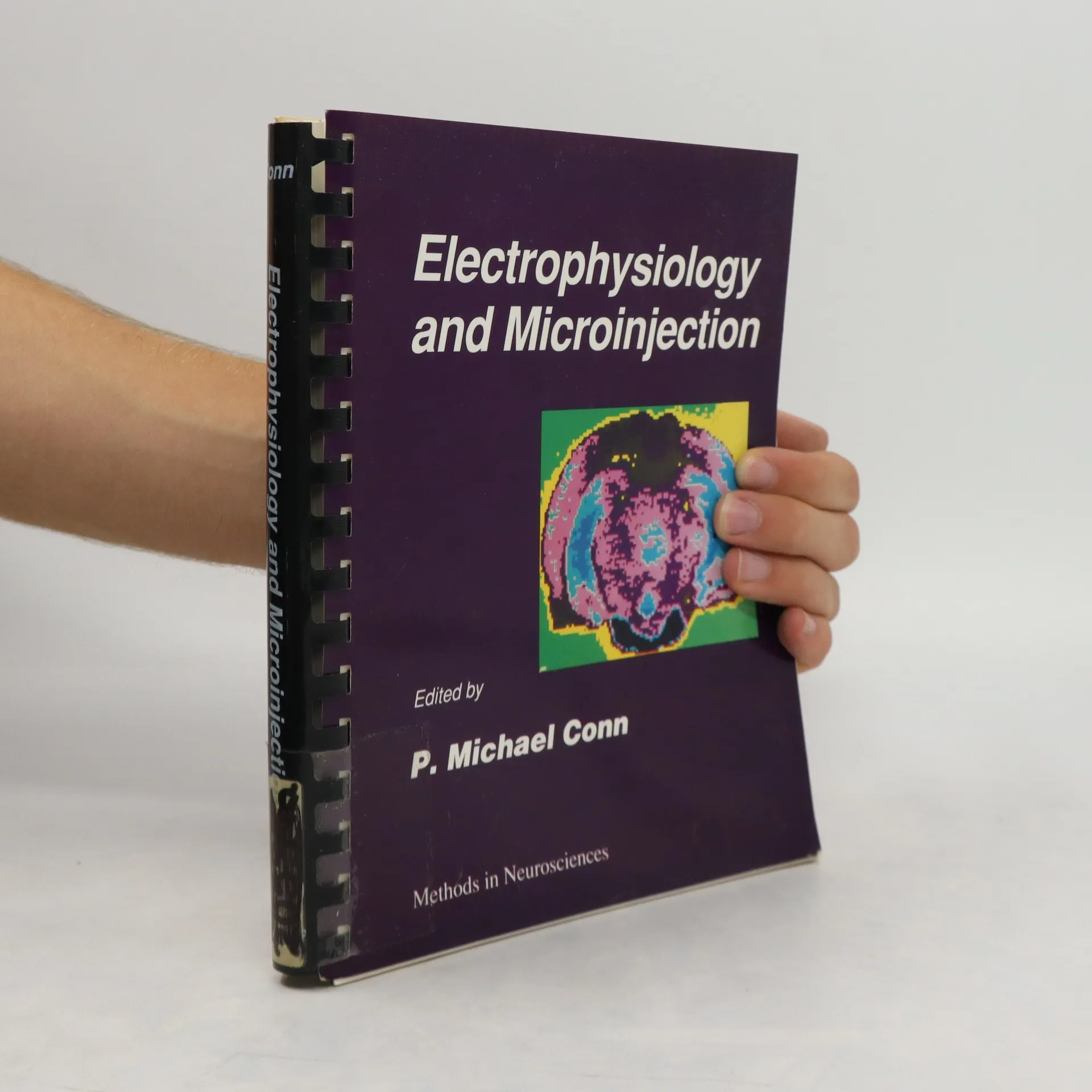
Electrical activity is central to the functioning and nature of neural cells and representative examples of useful techniques that have made this area a productive component of the neurosciences are provided here.
Methods in Neurosciences, Volume 6: Neuropeptide Synthesis, Assay, Purification, and Processing describes procedures and tools of assay useful for the identification, purification, and quantification of neuropeptides and their receptors. This volume is divided into four sections— chemical synthesis and biosynthesis; measurement of neuropeptides; purification and characterization; and neuropeptide degrading and processing enzymes. In these sections, this book specifically discusses the synthesis of peptide substrates for protein kinase C; synthesis of glycosyl neuropeptides; and ultrastructural localization of peptides. The measurement of neurokinin B by radioimmunoassay; purification and characterization of neuroendocrine peptides from rat brain; and preparation of glia maturation factor ß are also elaborated. This text likewise covers the assays for arginine/lysine carboxypeptidases and enzymes that metabolize atrial natriuretic peptide. This publication is beneficial to neuroscientists and students researching on the synthesis, assay, purification, and processing of neuropeptides.
This volume describes recent techniques used in neuropeptide technology, for example, in the identification and purification of neuropeptides, in neuropeptide synthesis, the identification of neuropeptide antiserum generation and in immunoassay and enzyme assay.
Preparation chemical probes; Equipment and technology; Preparation and maintinance of biological materials; Use of chemical probes; Quantitation of neuroendocrine substances; Localization of neuroendocrine substances
The critically acclaimed laboratory standard for more than forty years, Methods in Enzymology is one of the most highly respected publications in the field of biochemistry. Since 1955, each volume has been eagerly awaited, frequently consulted, and praised by researchers and reviewers alike. Now with more than 300 volumes (all of them still in print), the series contains much material still relevant today--truly an essential publication for researchers in all fields of life sciences. Major Sections Include: * Basic Principles, Specialized Uses, and Genetic Applications* LCM and its application in genomics and proteomics * Fluorescence in situ hybridization of LCM isolated nuclei from paraffin sections* Noncontact laser catapulting for the functional genomics and proteomics * Use of LCM for clonal analysis, in carcinoma analysis, to assess development, in complex tissue, in pathology, gene discovery, and more.
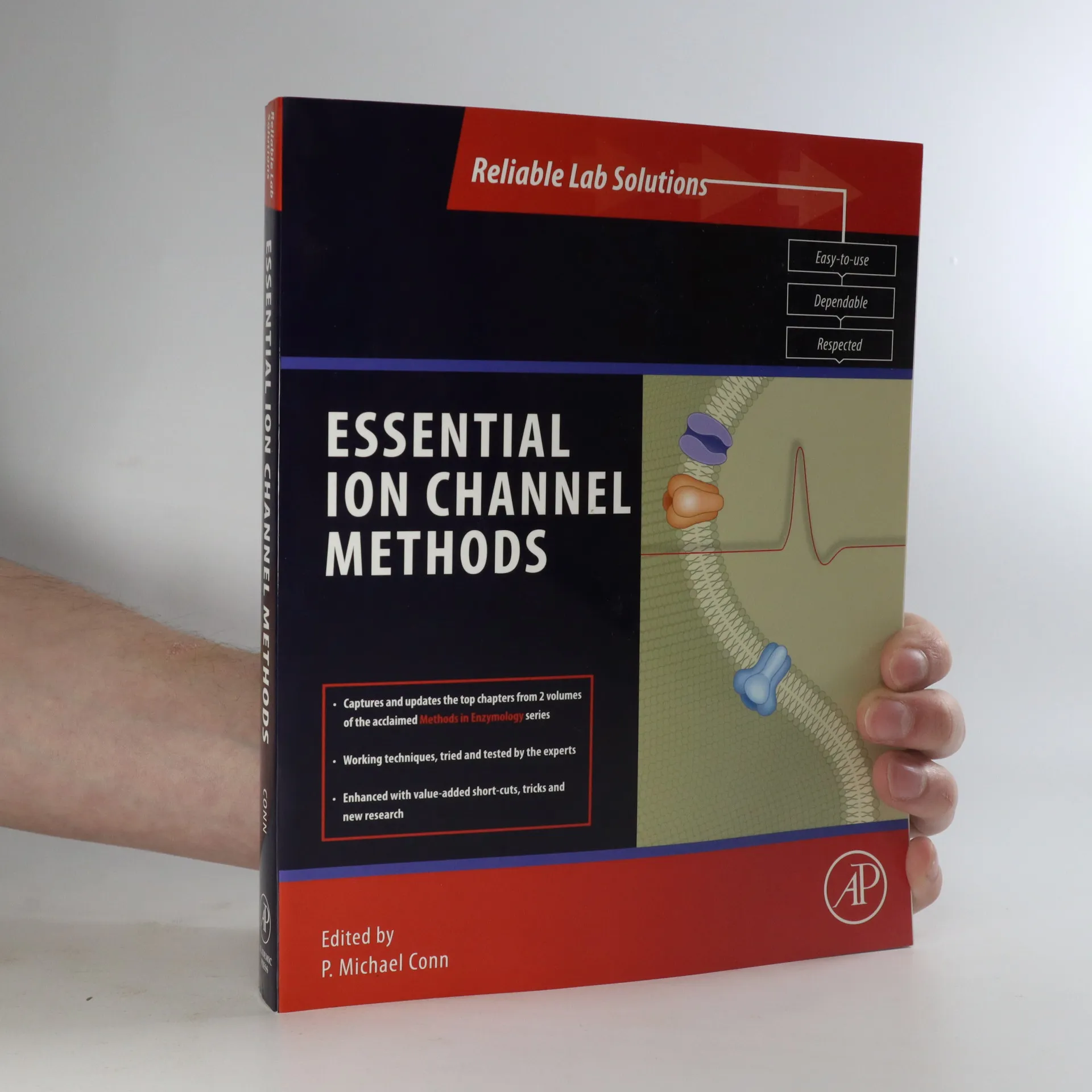
The rapid growth of interest and research activity in ion channels is indicative of their fundamental importance in the maintenance of the living state. This volume was prepared with a view toward providing a sampling of the range of molecular and physical methods that are significant for the study of ion channels. As part of the Reliable Lab Solutions series, Essential Ion Channel Methods brings together chapters from volumes 293 and 294 of Methods in Enzymology. The chapters have been selected by the editor and updated, when possible, by their original authors to include new research and references. The result is a set of chapters which make use of graphics, comparisons to other methods, and provide tricks and approaches that make it possible to adapt methods to other systems. Methods are presented in a fashion that allows their replication by individuals new to the field, yet providing valuable information for seasoned investigators. Highlights top downloaded and cited chapters, authored by pioneers in the field and enhanced with graphics and easy to follow methods Loaded with detailed protocols developed and used by leaders in the field Refines, organizes and updates popular methods from one of our top selling series, Methods in Enzymology