J. J. GrandvilleReihenfolge der Bücher (Chronologisch)
J.J. Grandville war ein französischer Illustrator und Karikaturist, dessen Werk sich durch außerordentliche Erfindungsgabe und satirischen Scharfsinn auszeichnet. Er erlangte Berühmtheit mit seiner Serie 'Les Métamorphoses du jour', in der er menschliche Figuren mit tierischen Zügen darstellte, um auf brillante Weise menschliche Natur und gesellschaftliche Phänomene zu kommentieren. Seine Kunst liegt in der geschickten Übertragung menschlicher Emotionen und Charakteristika auf tierische Gesichter, wodurch ein eindringlicher visueller Kommentar entsteht. Grandvilles Werk erforscht die feine Linie zwischen Menschlichkeit und Tierhaftigkeit.
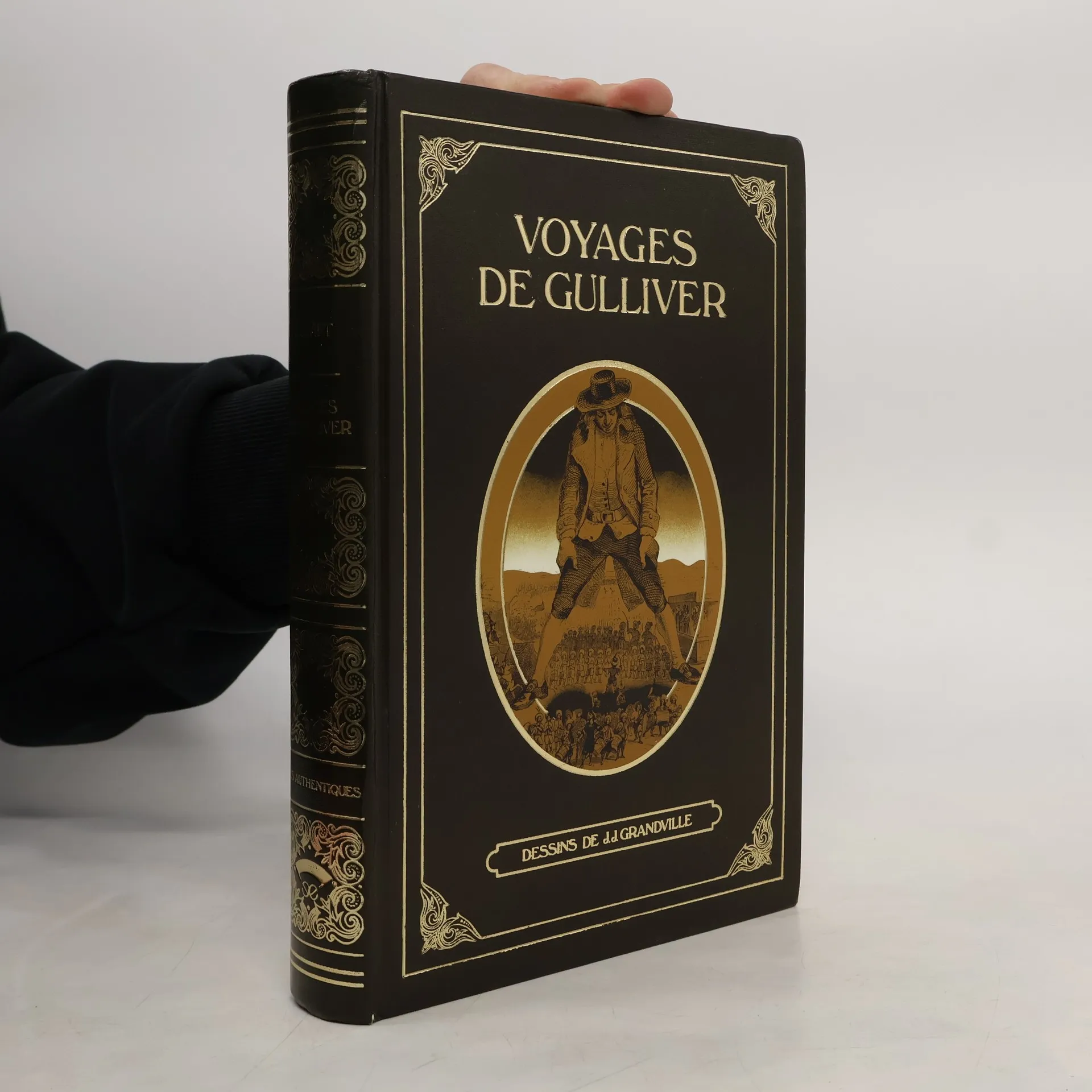
Celebrated for its historical significance, this classic work has been meticulously preserved and republished in a modern format by Alpha Editions. The book has been reformatted and typeset to ensure clarity and readability, distinguishing it from mere digital reproductions of the original. This effort aims to keep the literary legacy alive for both contemporary readers and future generations.
The second volume of this classic work has been preserved and modernized for contemporary and future readers. The publishers at Alpha have reformatted and redesigned the text to ensure clarity and readability, moving away from mere digital copies of the original. This effort highlights the book's significance throughout human history, ensuring its legacy continues.
"Robinson Crusoe" is a novel that explores themes of survival, self-reliance, and the human spirit through the story of its titular character, who is shipwrecked on a deserted island for 28 years. Crusoe faces numerous challenges as he learns to fend for himself, building shelter, growing food, and ultimately confronting his isolation. The narrative delves into the philosophical and religious implications of his experiences, reflecting on the nature of civilization and the individual's relationship with God. The story is rich with allegorical elements, drawing on Puritan traditions and biblical references. It also examines the impact of colonialism and the human condition, as Crusoe encounters a native man, whom he names Friday, leading to a complex exploration of friendship and cultural differences. The novel has inspired a vast array of literary criticism, highlighting its significance in the development of the novel as a form and its enduring relevance in discussions of identity and society.
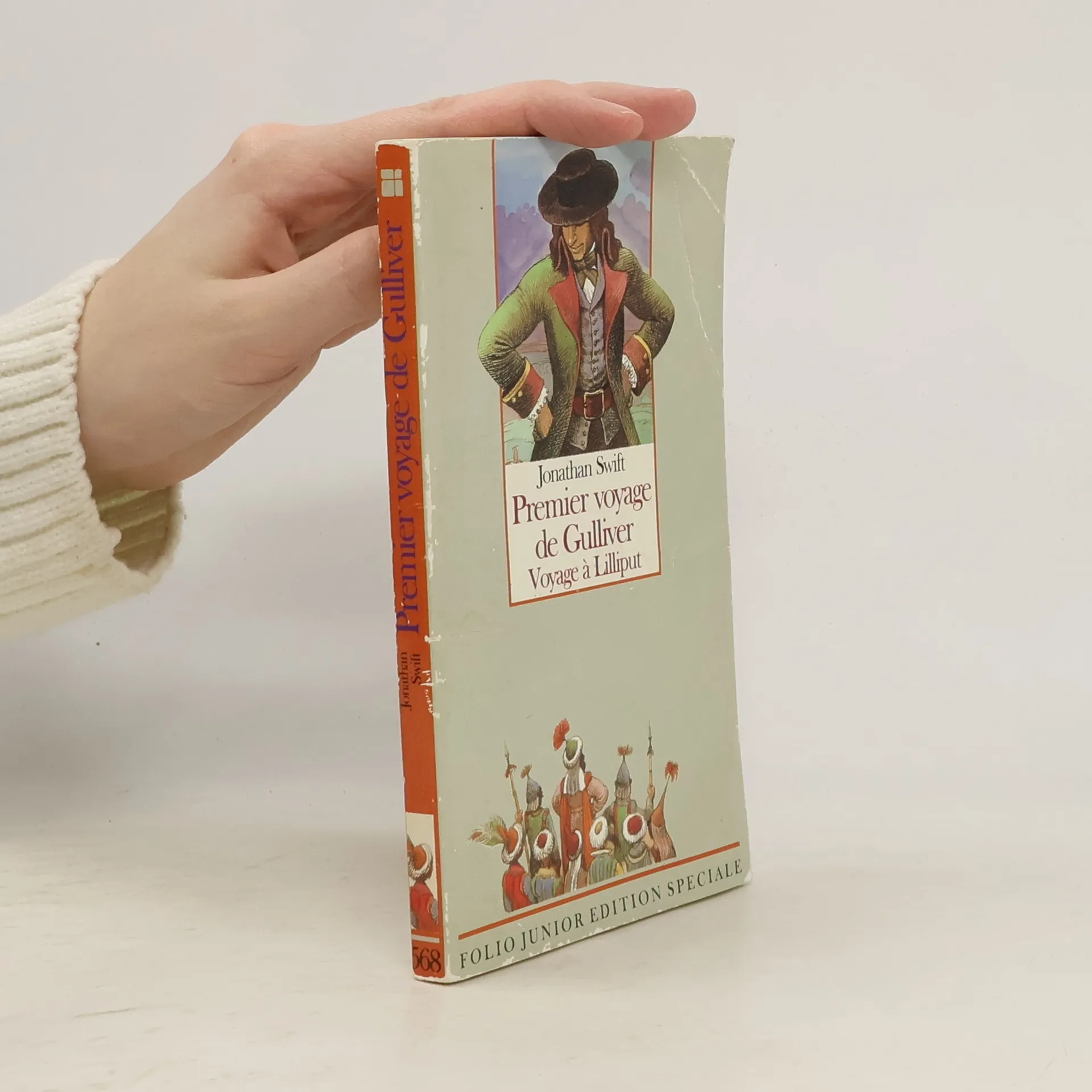
Depuis 250 ans, les gens aiment lire les voyages de Lemuel Gulliver dans les pays étranges de Lilliput et de Brobdingnag. Les habitants de ces pays, avec tous leurs défauts curieusement humains, prennent vie dans les illustrations vives de Martin Aitchison. Voici une histoire qui vous fera rire, mais qui vous fera aussi réfléchir.
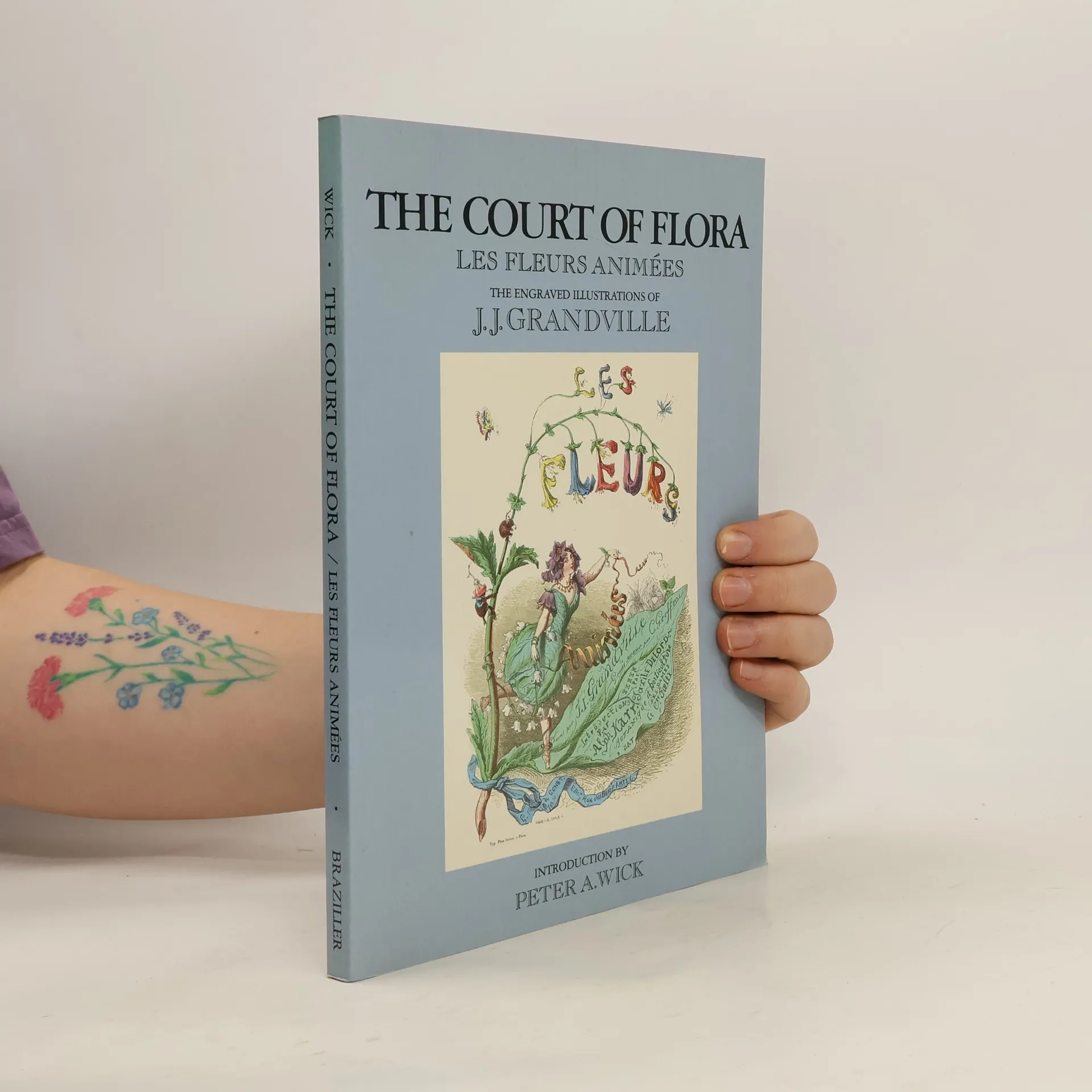
A reproduction of Grandville's original steel engravings from the last of the artist's illustrated books represents a collection of floral tableaux evocative of the sentimental spirit of nineteenth-century French Romanticism
This extraordinary and curious book, originally published in 1847, features chapters with personified flower illustrations paired with tales rooted in the flower's mythology and folklore. A charming collection that delights both children and adults, it is available in high-quality modern reprints that preserve the original text and art.
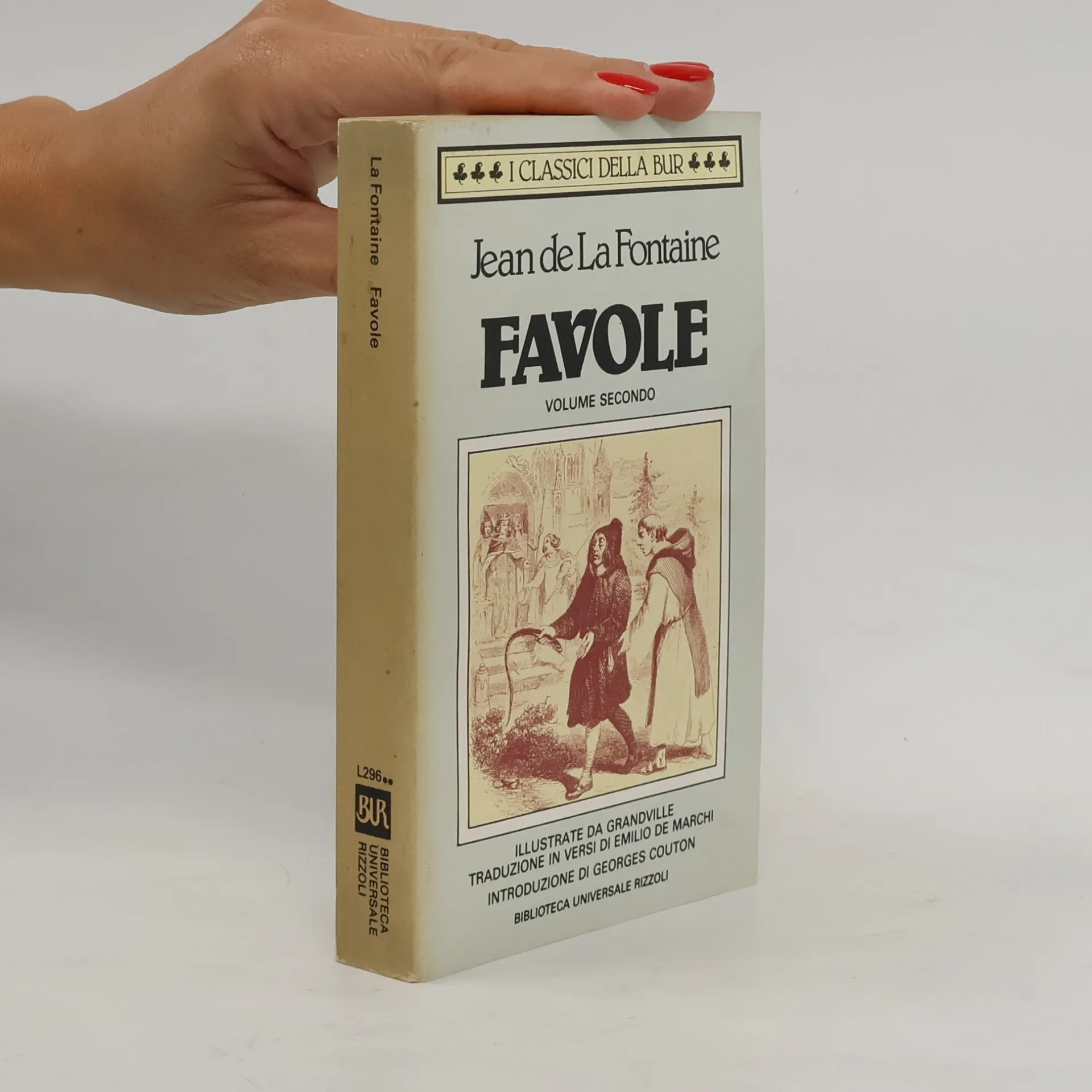
La Fontaine rinnova un genere letterario che ha lontanissimi e molto autorevoli esponenti. Con grazia, intelligenza e sensibilità ironizza sui piccoli grandi difetti dell'umanità e sulla vita e la società della sua epoca. Questa edizione, illustrata da 156 incisioni di Grandville, è preceduta dall'introduzione di Georges Couton, apparsa nell'edizione francese dei Classiques Garnier, che aiuta a comprendere a fondo l'opera e l'arte di La Fontaine, i suoi rapporti con la società e la letteratura contemporanea e la sua collocazione in una tradizione di grande prestigio.
Von Le Corbeau et le Renard und Le Lièvre et la Tortue bis La Cigale et la Fourmi finden Sie in diesem Buch 25 illustrierte Fabeln in vereinfachtem Französisch. In den berühmtesten Fabeln und auch in den weniger bekannten entdeckst du, wie La Fontaine sich über die die französische Gesellschaft des 18. Jahrhunderts und den Hof des Sonnenkönigs lustig macht.