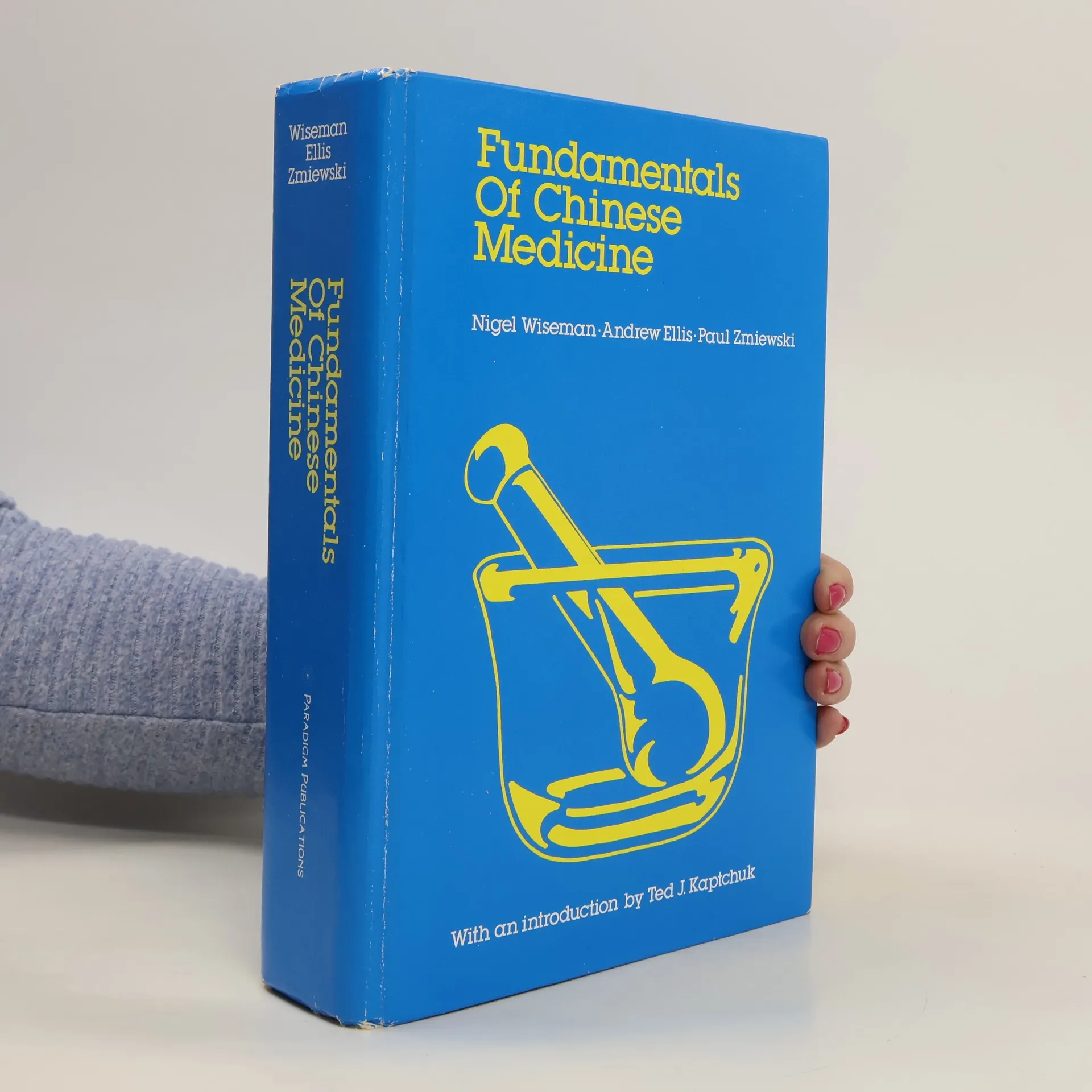
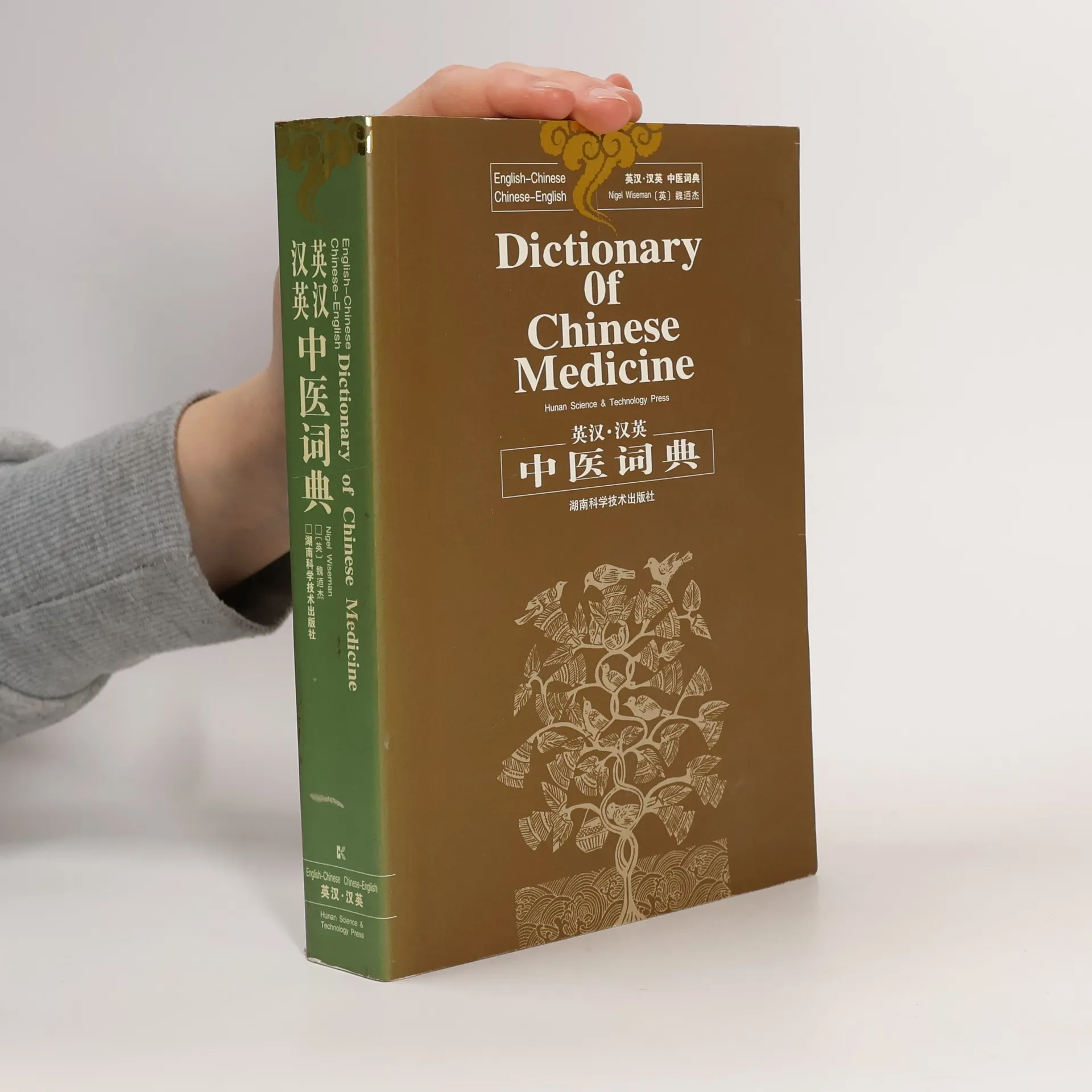
Presents clinical definitions for ideas used by Chinese doctors. Where student texts differentiate clinical observations to the level required to distinguish the principal patterns of traditional Chinese medicine, this dictionary distinguishes these observations to the level required to choose acupoints or medicinals in clinical practice.
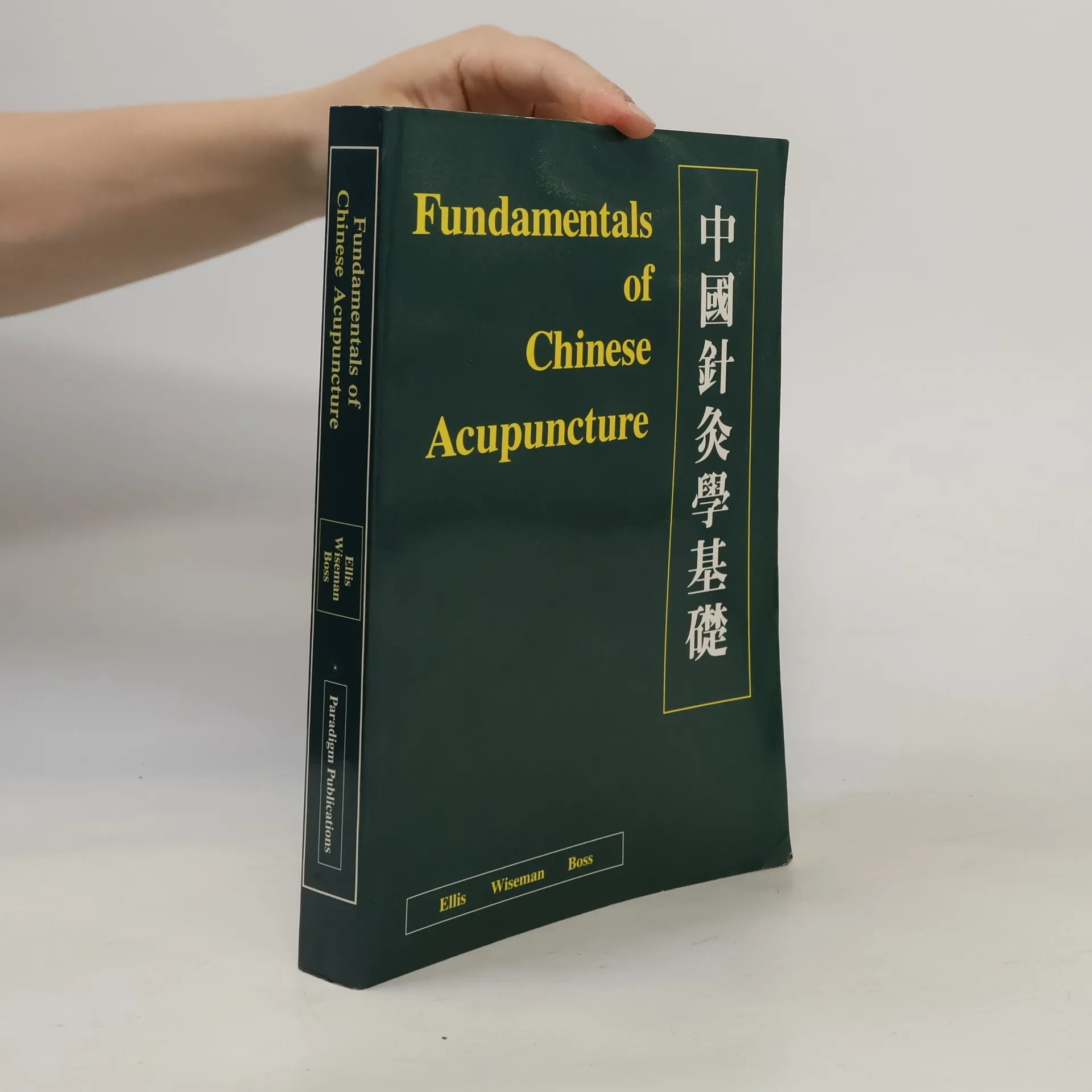
This authentic, revised companion to Fundamentals of Chinese Medicine is a central teaching text in many top acupuncture and post-graduate physician courses. Its extensive referencing, glossary, and back matter elevate it above books that are twice the cost.
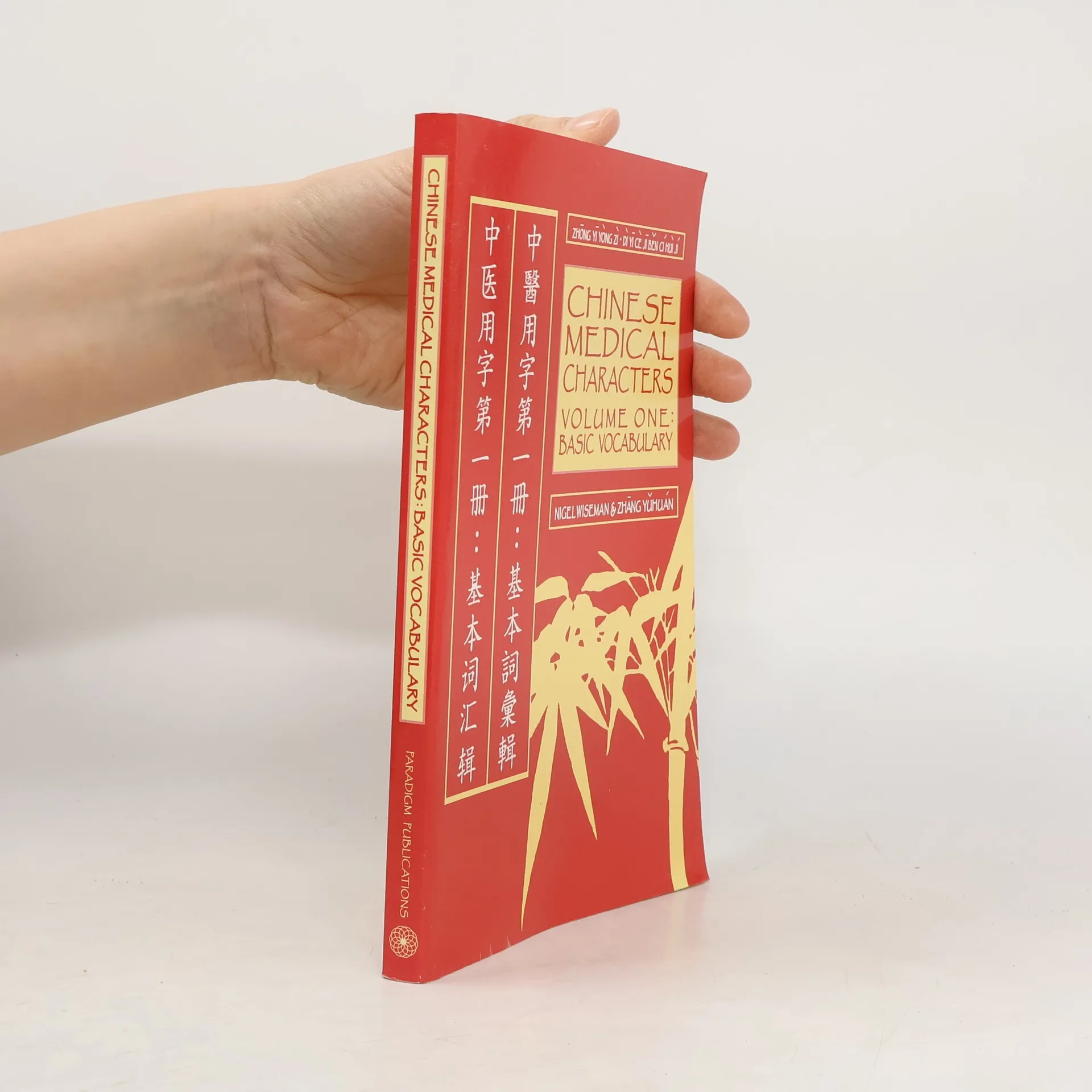
This work is an integral part of the Chinese Medicine Language series for students and practitioners. It presents the first 100 characters based upon frequency of use in medical texts, as well as an overall program designed to help the student acquire the necessary tools for building a thorough vocabulary. This first volume presents the basics of Chinese characters along with the etymologies of the 100 most commonly seen characters. Designed as a workbook, it offers students practice in learning to read, recognize, and write the characters and provides the basic tools that students need to become familiar with the written language of Chinese medicine and thereby enrich their studies.
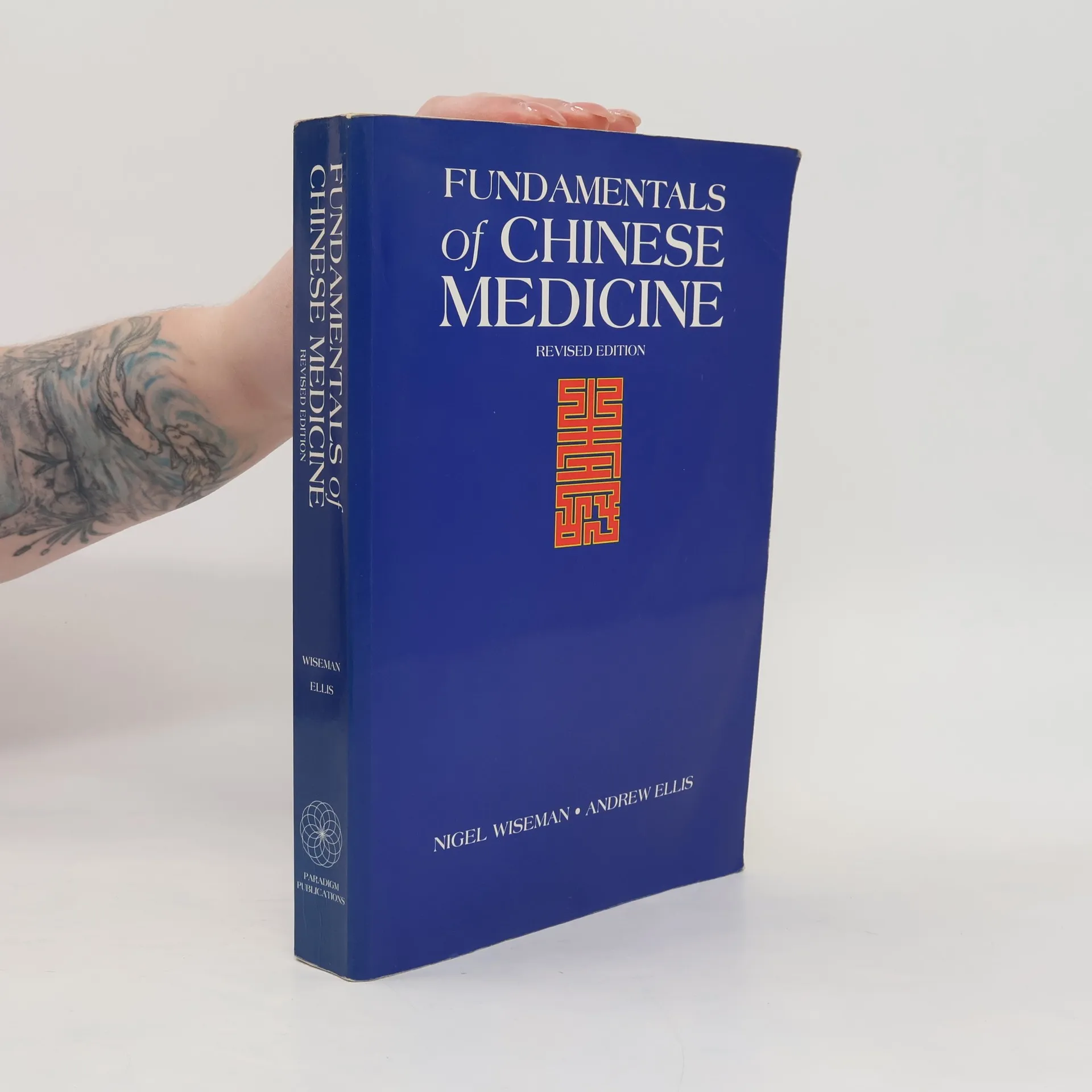
This updated edition sets a new standard for English translations of traditional Chinese medical texts, distinguishing itself from existing works by meeting rigorous sinology standards. The collaboration with Chinese-speaking clinicians ensures an accurate and nuanced portrayal of TCM practices, allowing English-speaking students to appreciate details accessible to their Chinese counterparts. Used as a coursebook in both the West and China, it features simplified yet precise English terminology, thousands of source Chinese characters, and hundreds of clinical definitions previously unavailable in English. Readers gain insight into Chinese medicine as taught in China, rather than through a Western perspective. The text includes explanations of terms, a materia medica, and a formulary, making it a self-contained and affordable study resource for those seeking a deeper understanding of TCM. Topics covered include yin and yang, the five phases, qi, blood, essence, fluids, channels, organs, and diseases with their causes. Detailed discussions on pattern identification and treatment methods, including eight-parameter, organ, qi-blood, pathogens, and exogenous heat conditions, are provided. Acumoxa therapy is included for Western acupuncturists, bridging scholars and clinicians across cultures. This text is an essential resource for anyone wishing to deepen their understanding of Chinese medicine.
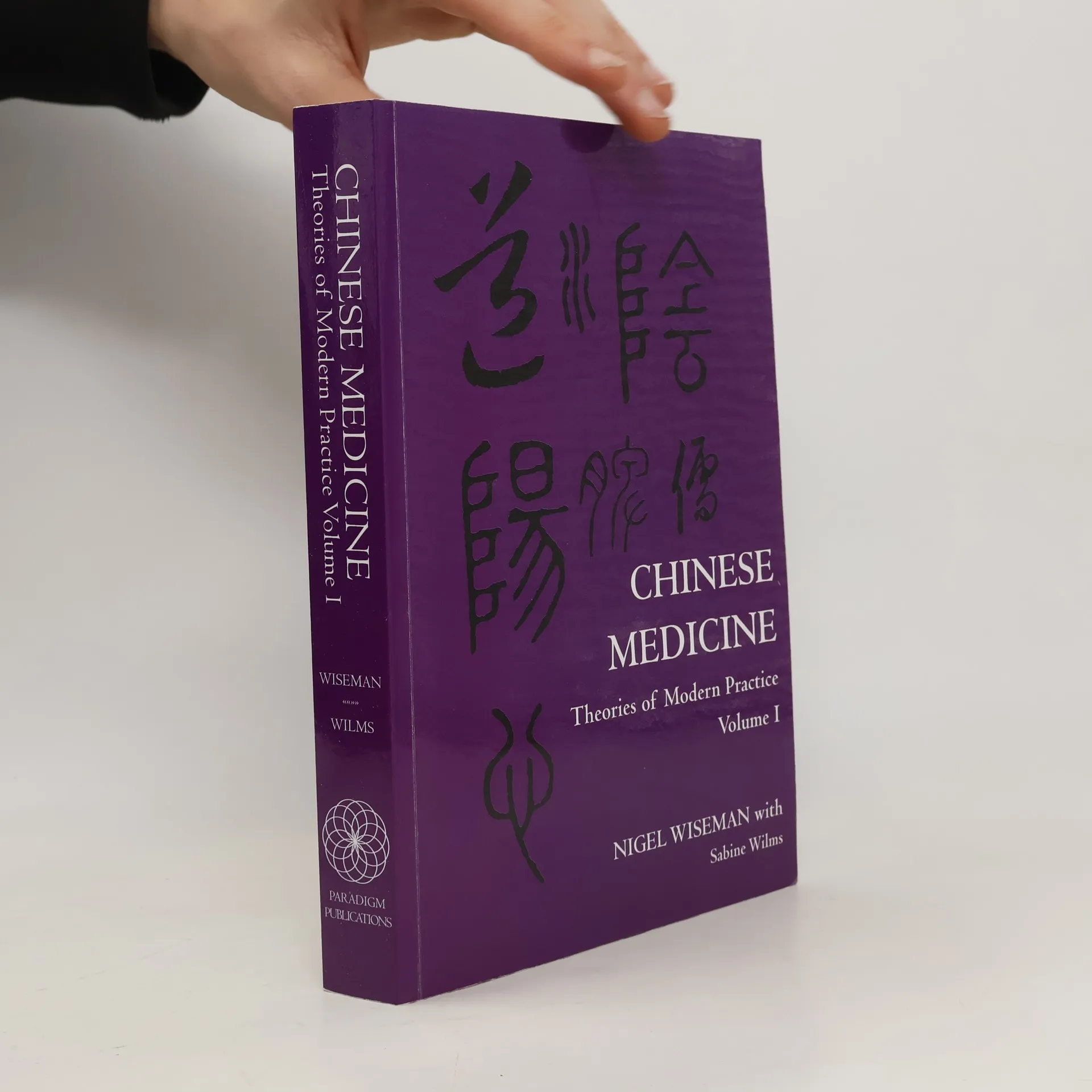
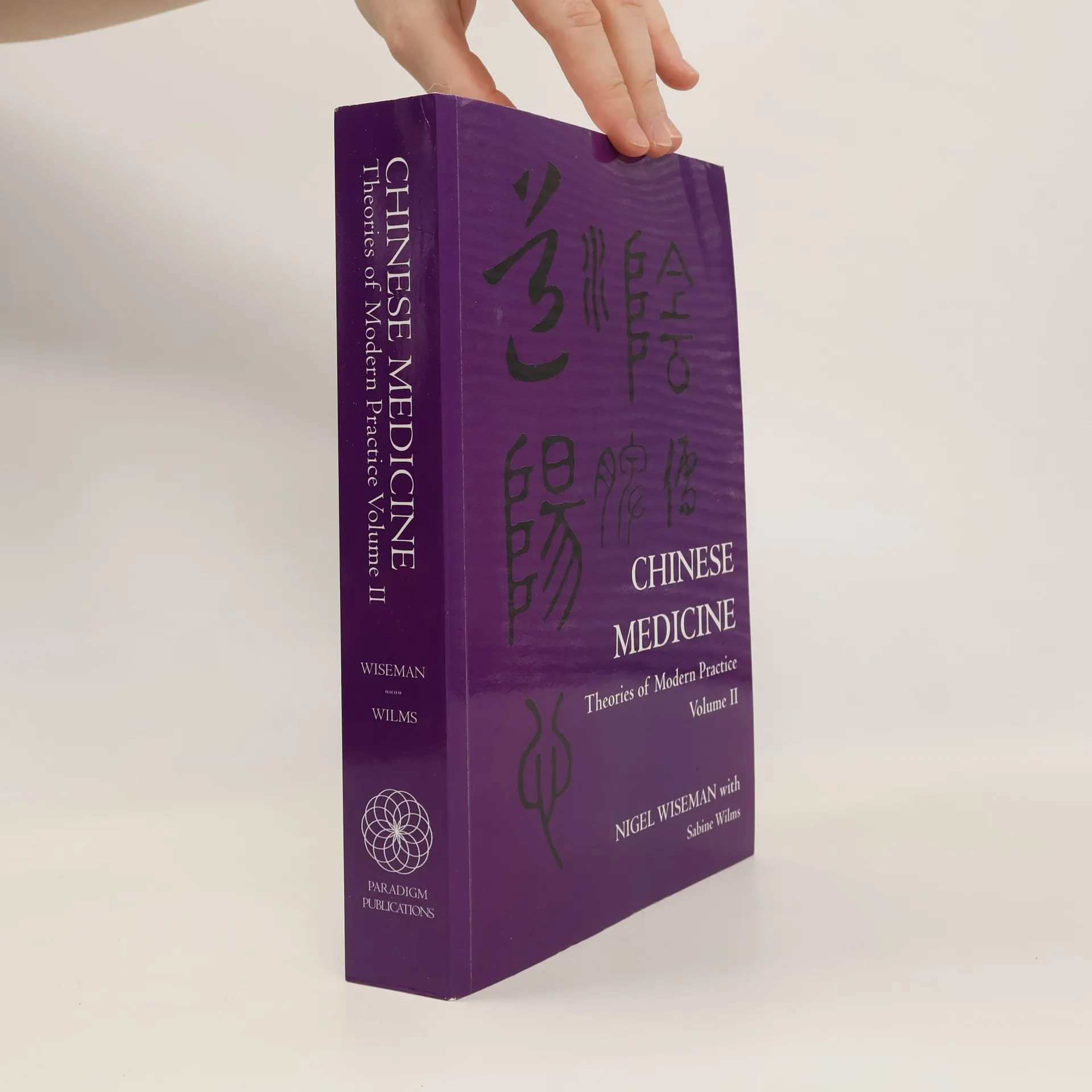
"Chinese Medicine: Theories of Modern Practice describes the foundational doctrines, physiology, pathology, diagnostics, and therapeutics of Chinese medicine at the same breadth and depth as the basic-theory textbooks used in the People’s Republic of China. If you have ever wanted to know what a Chinese professor would say about a theory, pattern or clinical case this is the book for you. Built to enhance learning, it is ideal for self-study or to fill in the information missing from simplified texts. Chinese Medicine: Theories of Modern Practice comes as two practical volumes, well below the price of less thorough books. The authors are addressing people who want to understand Chinese medicine from the Chinese viewpoint. It is also for anyone who requires a practical professional reference at the level of detail required in the professional courses taught in the People’s Republic of China. This is enhanced by an included eBook version that is easily searched." -- back cover
From the simple and common to the complex and rare, this book contains subtleties, distinctions and nuances of Chinese medicine never found in beginners' texts. Whether for translational or clinical application, it presents the concepts of Chinese medicine exactly as they would come to the mind of a Chinese physician speaking or writing in their native language