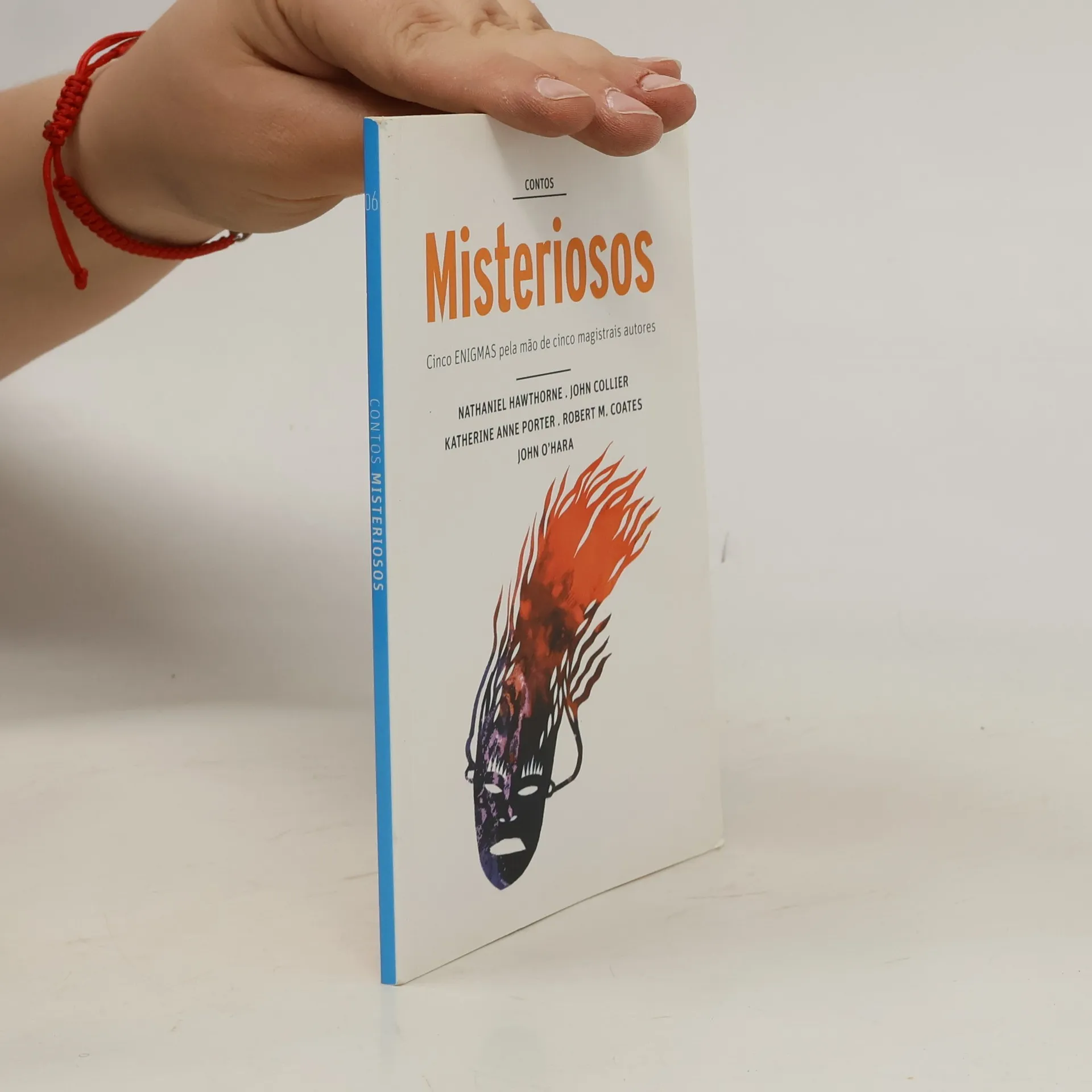
Contos Misteriosos
Cinco enigmas pela mão de cinco magistrais autores


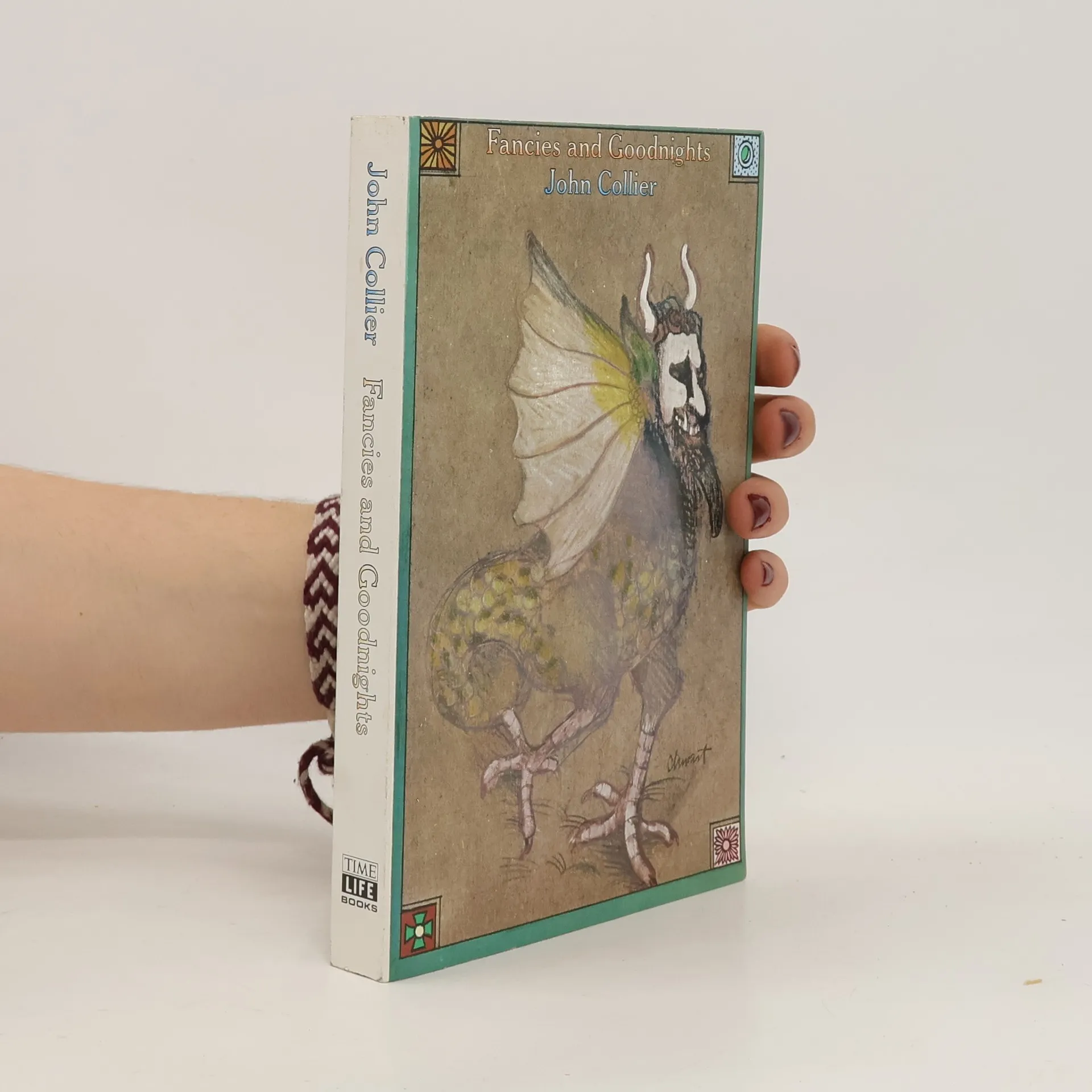
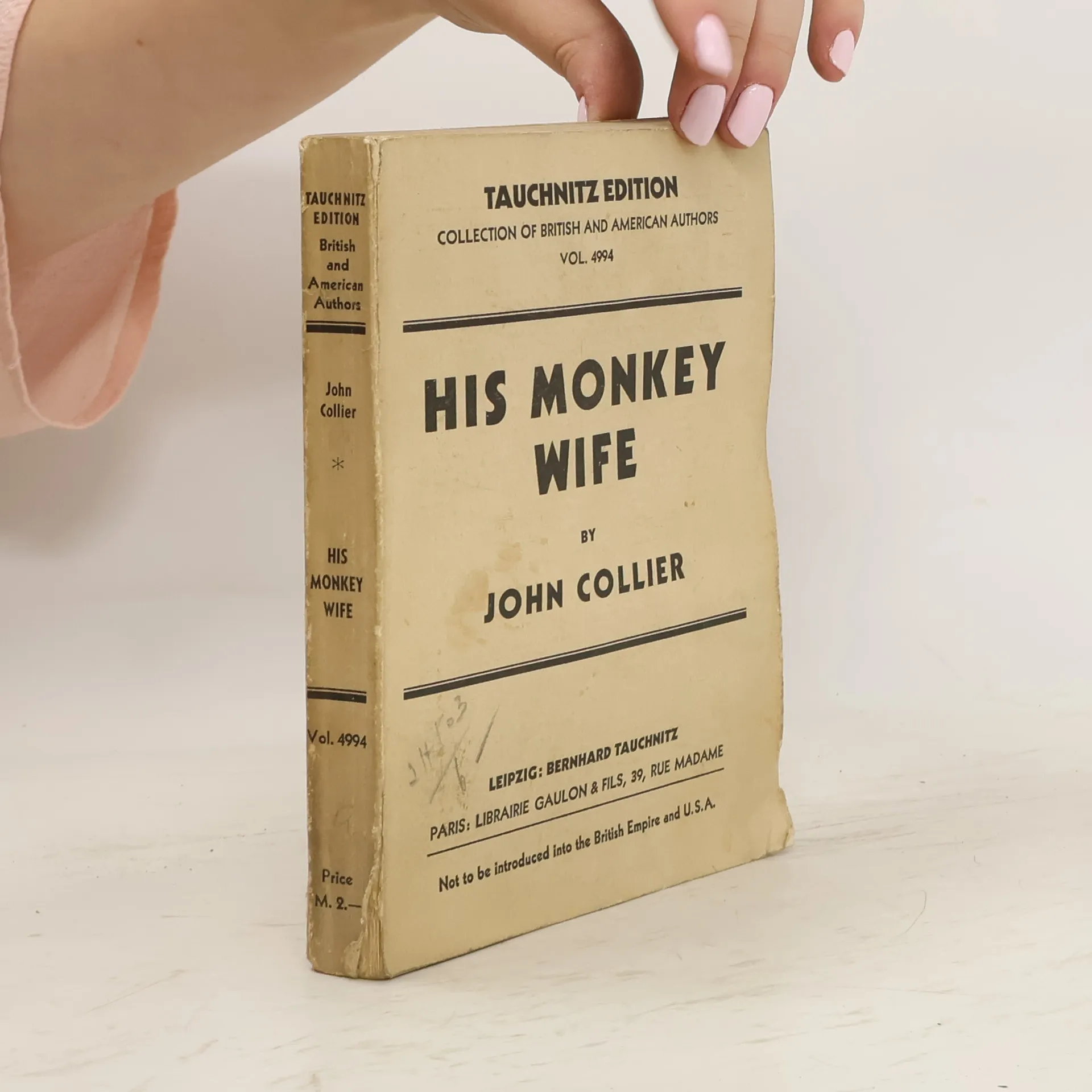
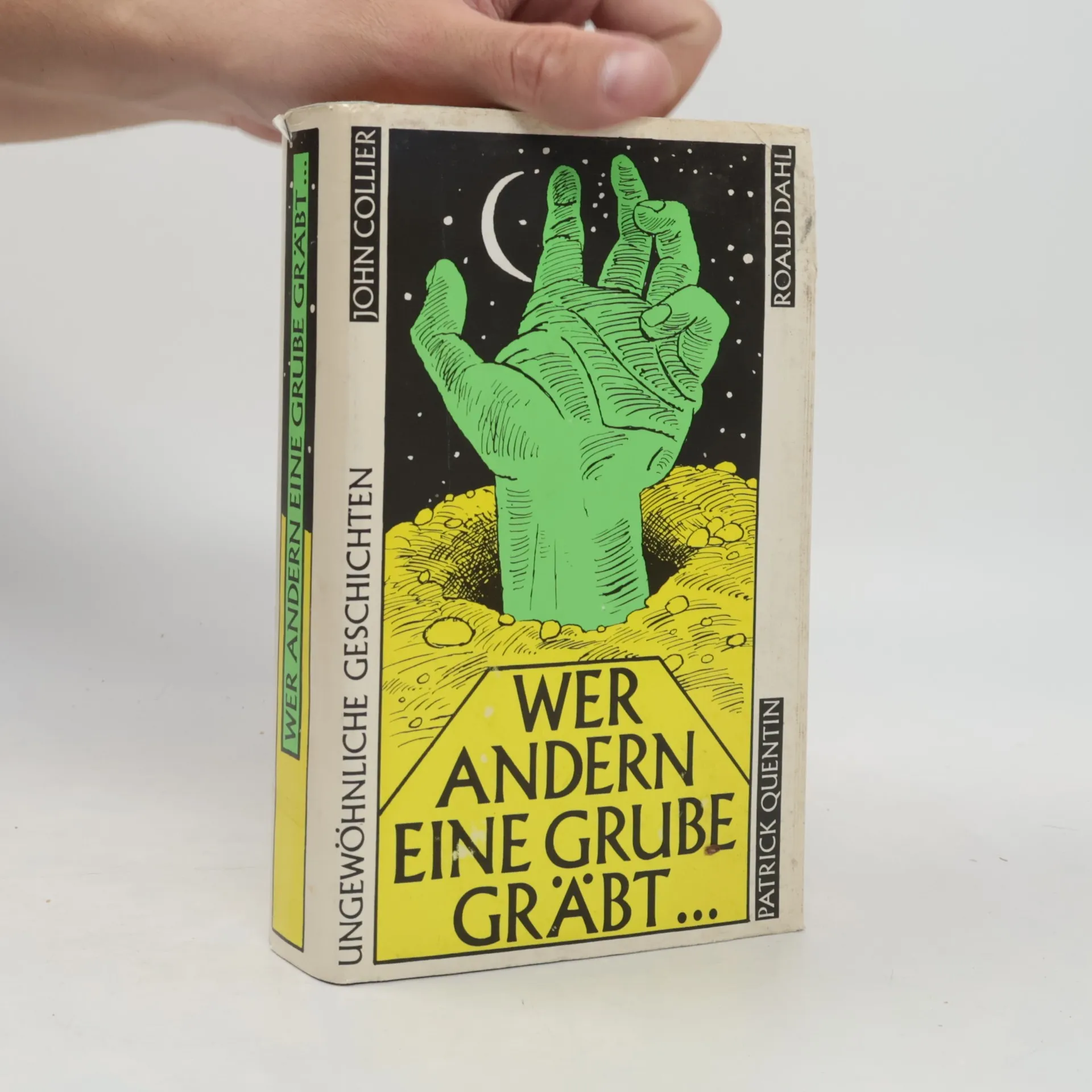
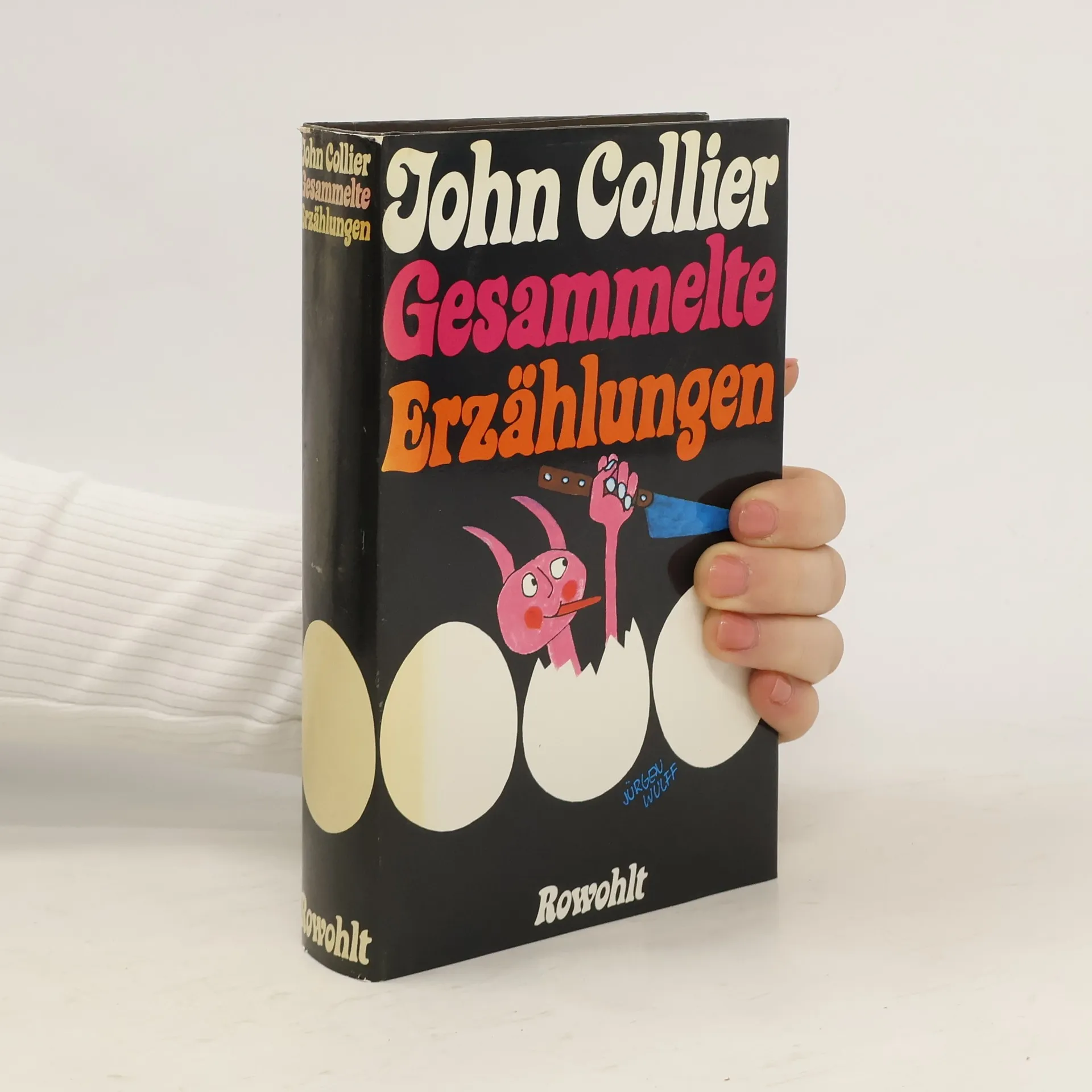
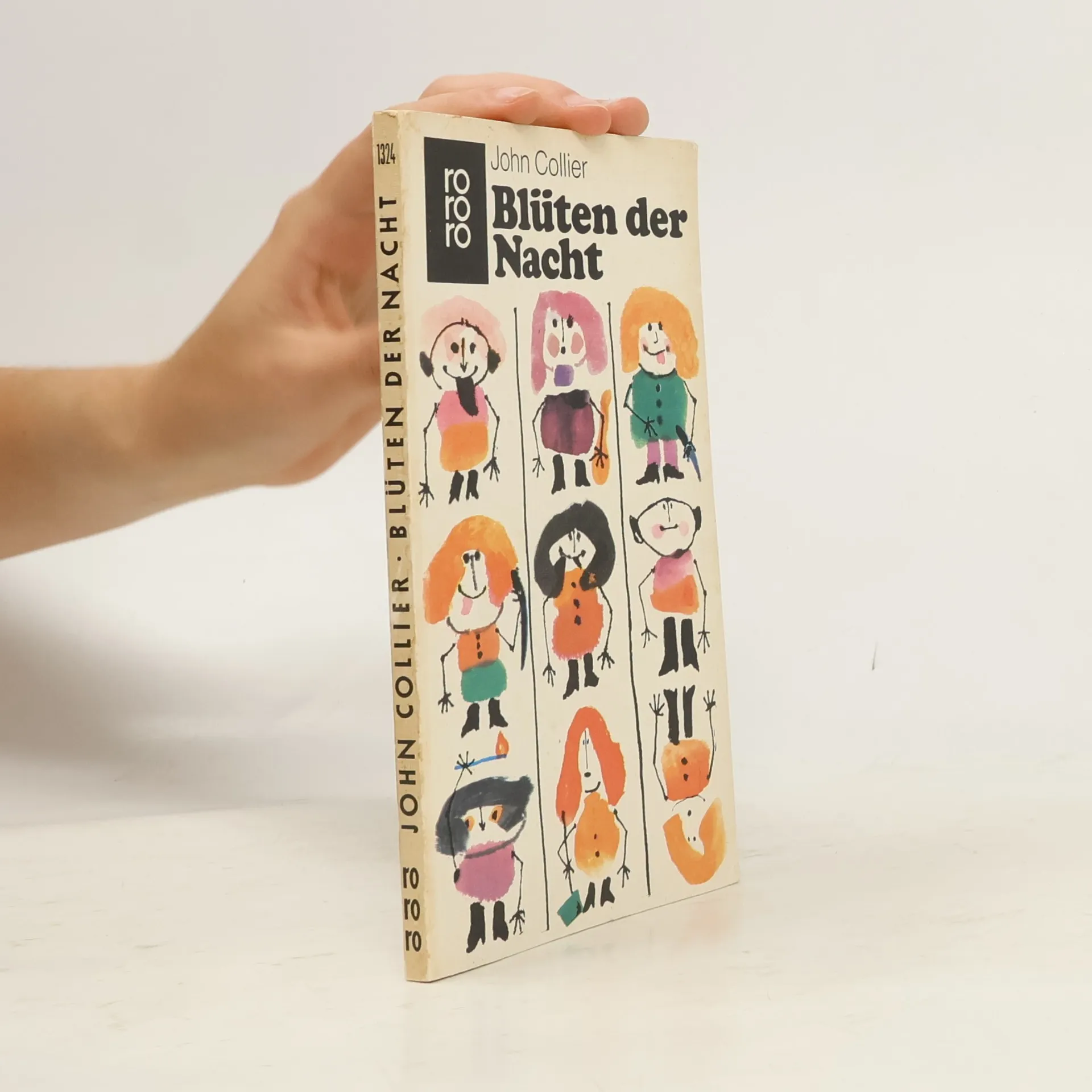
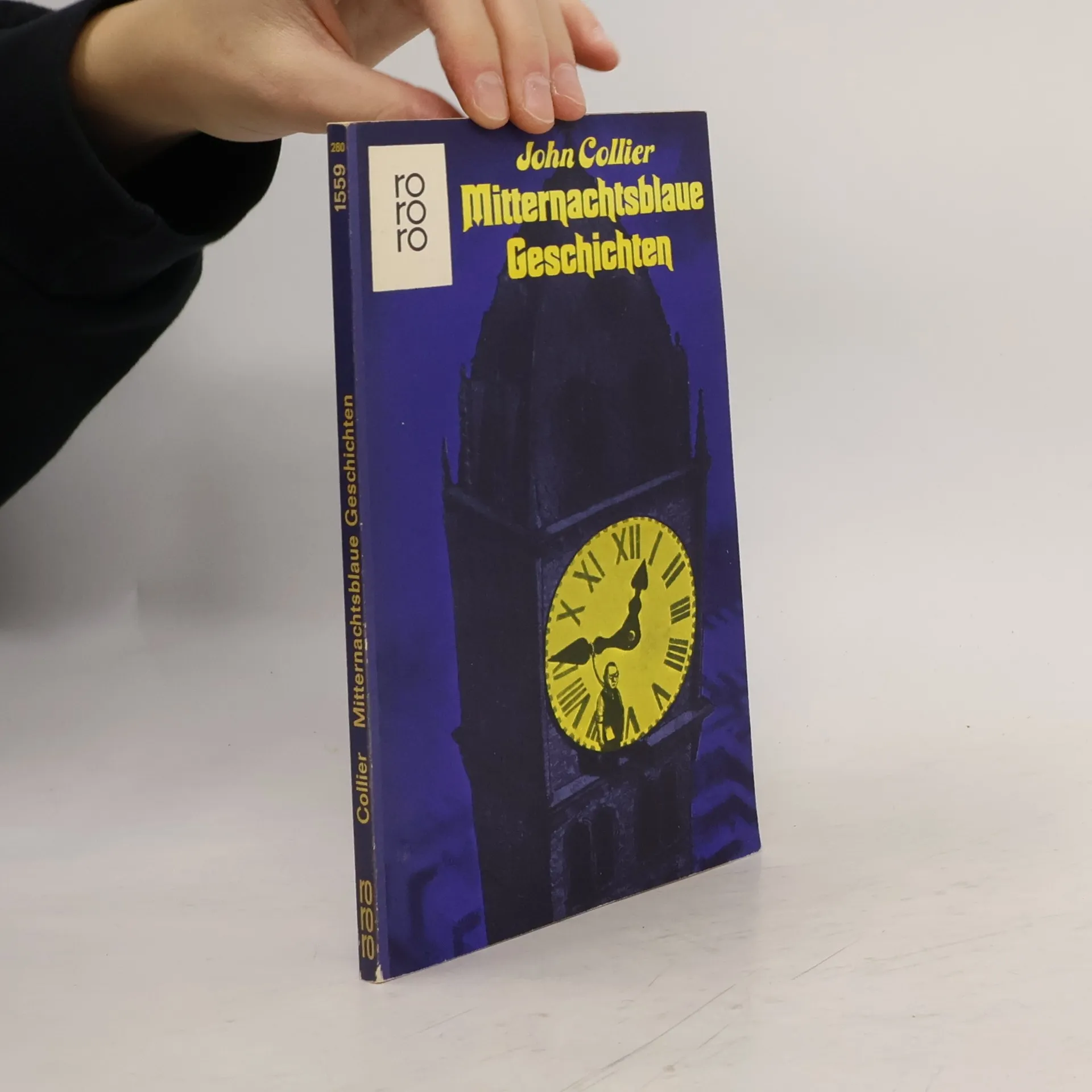
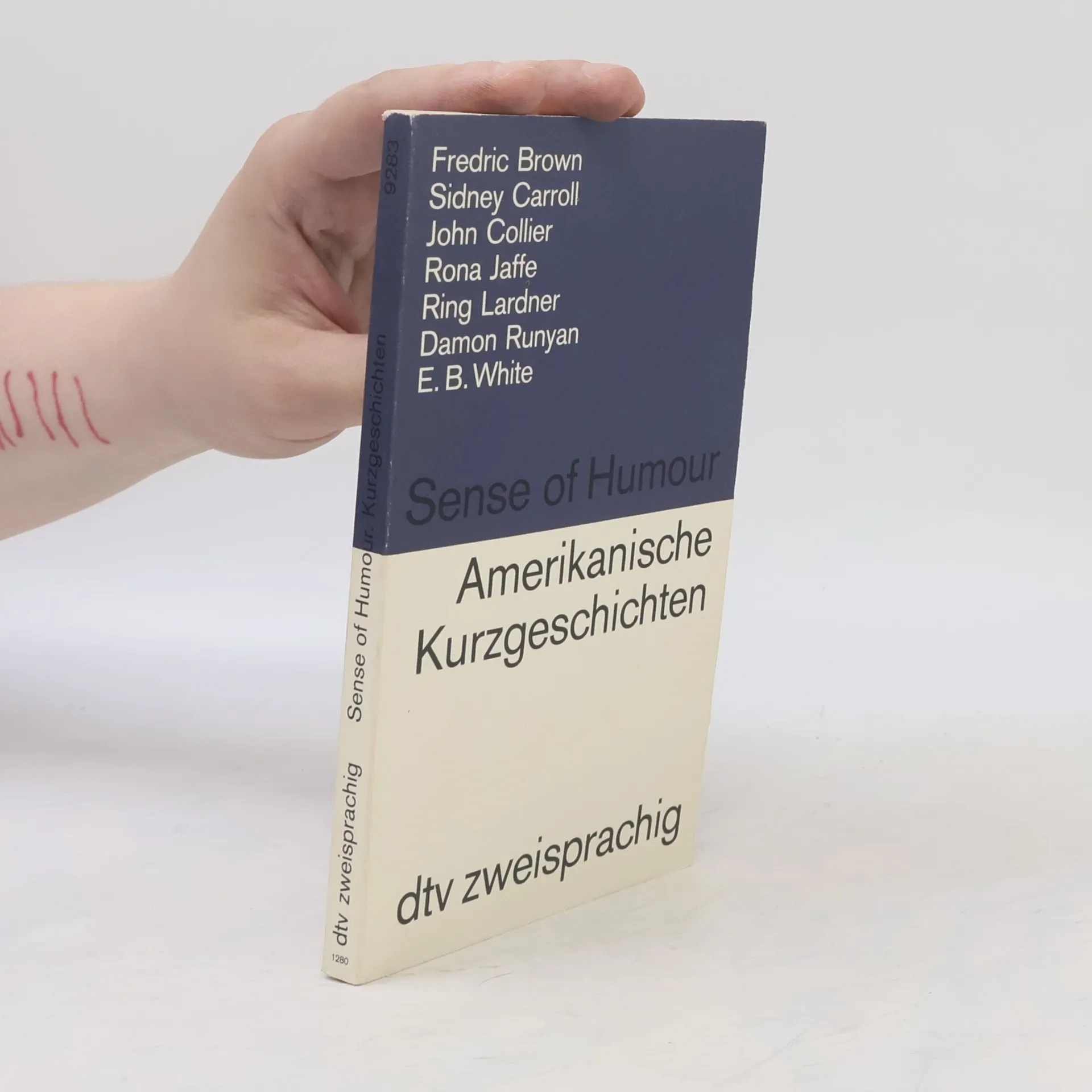
John Collier war ein britischer Autor und Drehbuchautor, der für seine meisterhaften Kurzgeschichten gefeiert wurde, von denen viele in The New Yorker erschienen. Seine Erzählungen sind bekannt für ihre scharfe psychologische Tiefe und einen dunklen, oft satirischen Witz, der verborgene Motivationen und die Perversitäten der menschlichen Natur aufdeckt. Collier verwebt gekonnt Elemente der Fantasie, des Horrors und des Grotesken und schafft so Geschichten, die sowohl unvergesslich als auch beunruhigend sind. Seine anspruchsvolle Prosa und reiche Sprache bieten den Lesern ein tiefgründiges und zum Nachdenken anregendes literarisches Erlebnis.


Cinco enigmas pela mão de cinco magistrais autores
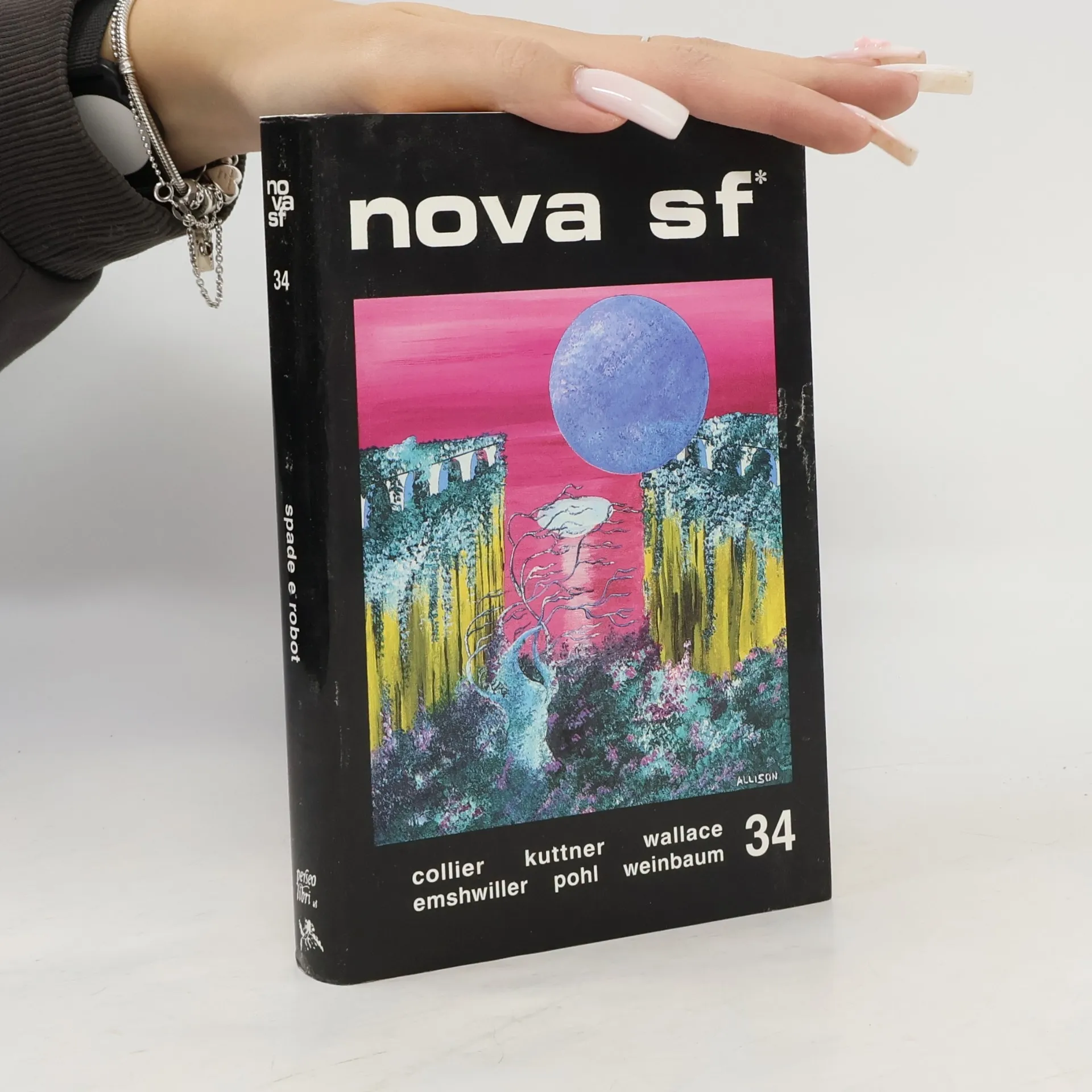
spade e robot
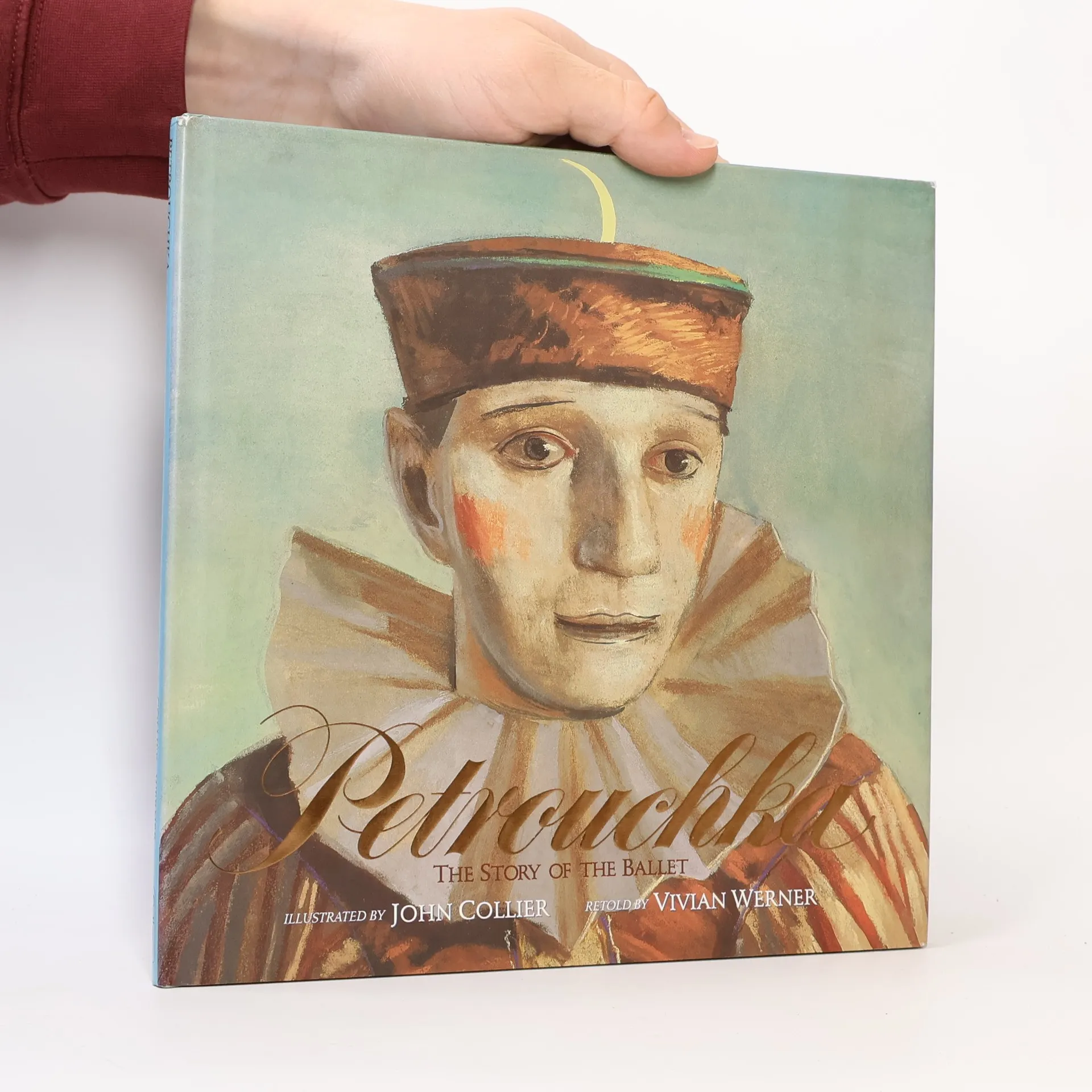
On Shrove Tuesday, the annual Shrovetide Fair in St. Petersburg features a booth labeled 'Living Theatre.' An old magician appears, playing a haunting tune on his flute, commanding three life-size puppets to dance: the beautiful Ballerina, the powerful Moor, and the limp Petrouchka. As the performance unfolds, the audience senses something deeper than mere puppetry. The dolls, though stiff and seemingly lifeless, evoke emotions that suggest they possess their own lives and passions. Stravinsky's classic ballet has captivated audiences since Vaslav Nijinsky's debut in 1911. Petrouchka, a tragicomic figure from Russian folklore, embodies the essence of a clown—ridiculous yet profoundly human. His heart-wrenching story of longing for freedom resonates with all, making him more than just a puppet. This interpretation of the tale is vividly illustrated by renowned American artist John Collier, while Vivian Werner's lyrical text invites readers of all ages to immerse themselves in one of the most compelling narratives in twentieth-century ballet.
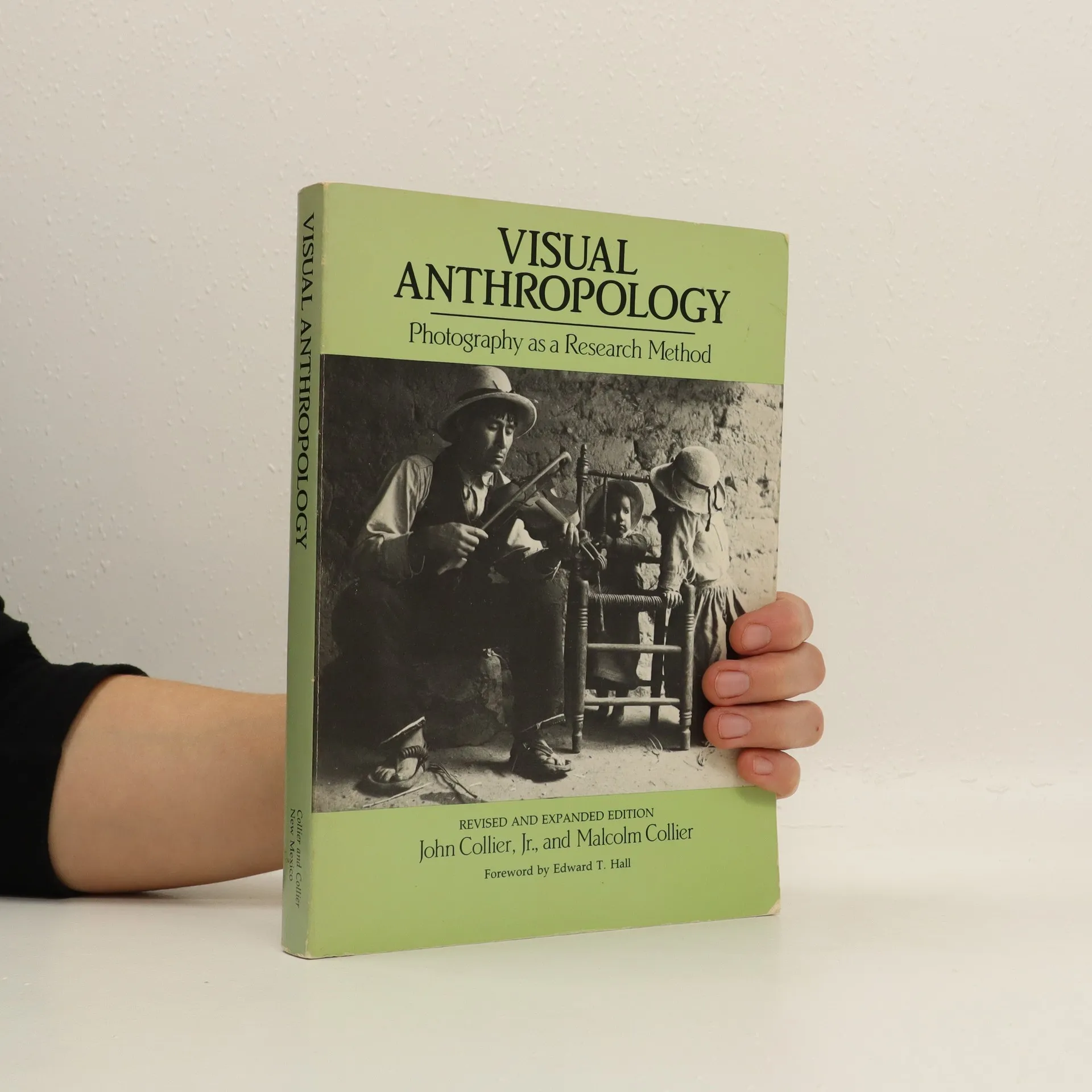
This book provides reliable research methods from the systematic gathering of data through analysis of photographic records to transfer of insights to ethnographic records, with an emphasis on developing the skills of thorough observation rather than on technical skill.
13 neue mitternachtsblaue Geschichten
Murder Most A Collection of Great Crime Stories
Collier's stories feature a diverse cast, including man-eating plants, disgruntled devils, and suburban salarymen, blurring the lines between the ordinary and the bizarre. His edgy and sardonic style delves into the absurdity of life, showcasing a surreal landscape filled with unexpected twists. These tales, rich in wit and curious insight, resonate with the tradition of weird writing alongside literary giants like Borges and Dahl, making them a unique exploration of lunacy and the complexities of human experience.
Neblahá i šťastná dobrodružství jednoho srdce.
Neblahá i šťastná dobrodružství jednoho srdce.