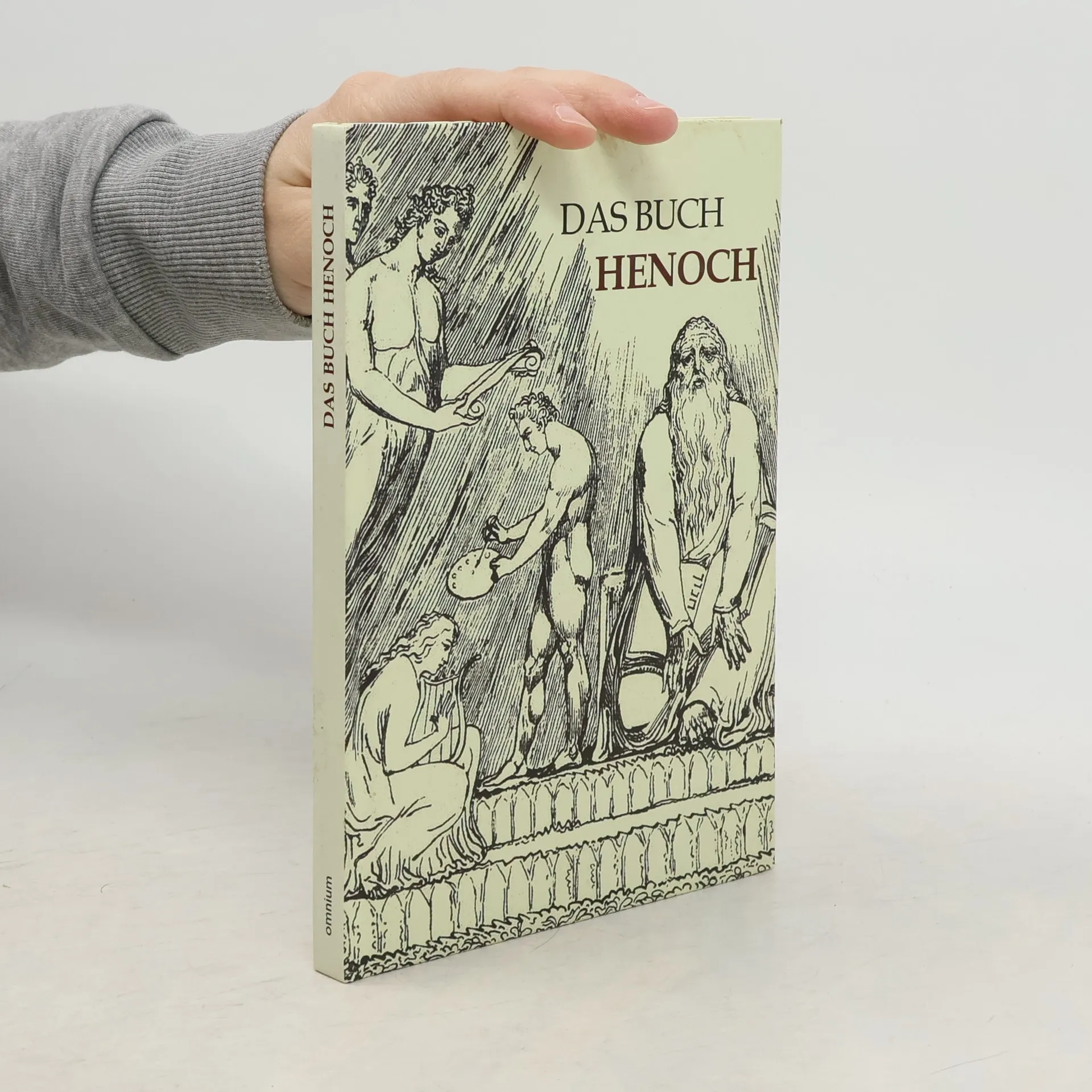
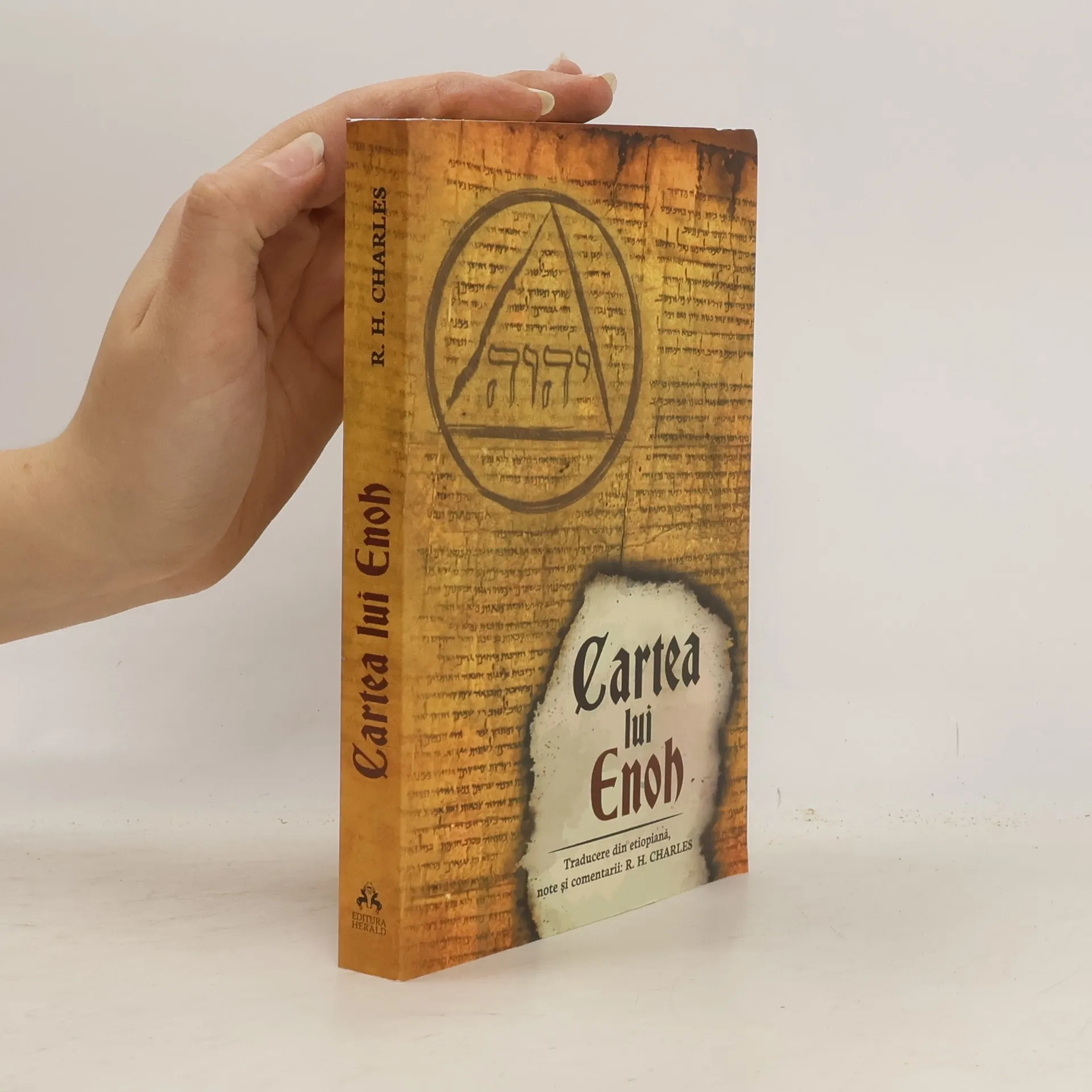
Das Buch Henoch wird in vielen anderen Werken der Geschichte erwähnt. Es gehört zur apokalyptischen jüdischen Literatur und umfasst größtenteils von der Kirche nicht anerkannte Bücher (apokryphe Schriften). Die Struktur des Buches ist folgendermaßen: Ein bekannter Weiser oder biblischer Prophet, wie Adam, Esra oder Enoc selbst, erhält während eines Traums eine Reihe von Visionen, die von einem Engel interpretiert werden.
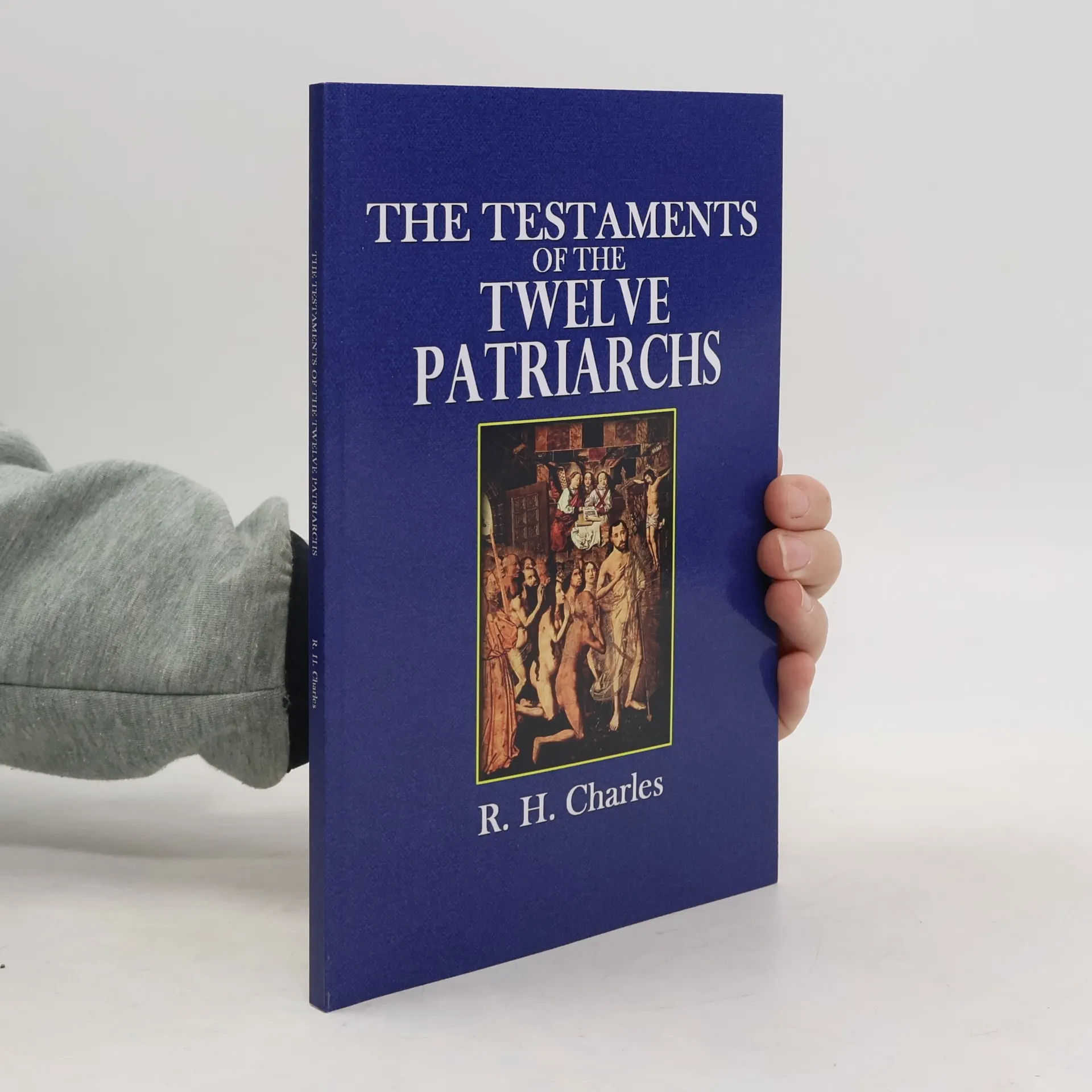
An excerpt from the INTRODUCTION - General Character of the Book: This work presents the final words of each of the twelve patriarchs to their sons, inspired by Jacob's last words in Genesis 49. Each patriarch reflects on his character and prophesies the fate of his descendants in the last days, giving the text a prophetic-apocalyptic tone. Six testaments—those of Reuben, Simeon, Judah, Dan, Naphthali, and Joseph—show a notable alignment with Genesis 49 regarding the patriarchs' traits, while the other six do not. Each testament generally consists of three parts: (a) An autobiographical sketch detailing the patriarch's defining vice or virtue, often enhanced by haggadic embellishments; (b) A warning against the identified sin or an exhortation to embrace the specific virtue; (c) A prophecy about the patriarch's descendants, typically predicting their eventual downfall and misfortune, often manifested as captivity among Gentiles. Additionally, some testaments include unique sections unrelated to these main themes, such as visions and hymns, which are intriguing and merit further exploration. The original language of the text was likely Hebrew, though the earliest known version is a Greek translation.
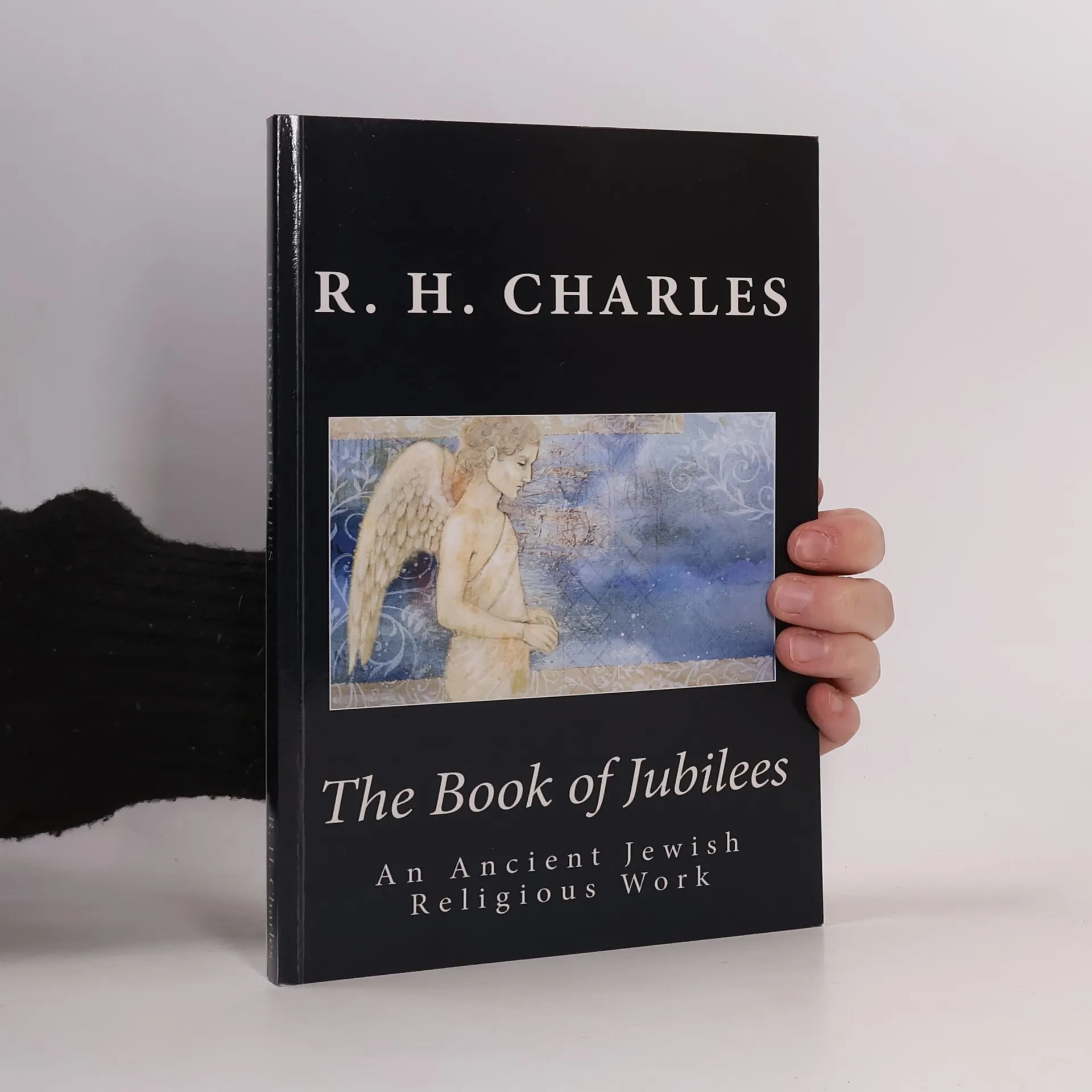
The Book of Jubilees, often referred to as "the little Genesis," claims to be a divine revelation to Moses via an angel, detailing a history divided into jubilee-periods of forty-nine years, from creation to Moses' time. The narrative extends only to Moses' birth and early life but reflects events relevant to the author's context, likely during the late second century B.C., possibly under Maccabean prince John Hyrcanus. While it differs from the Pentateuch, it serves as a supplement, incorporating material from Genesis and part of Exodus. The legal regulations presented are based on other Pentateuch sections, particularly the "Priest's Code," and some narrative details likely relate to the author's contemporary events. The author anticipates the imminent arrival of the Messianic Age, aligning his perspective with Apocalyptic writers, though his work is primarily narrative rather than typical apocalyptic literature. It weaves together historical narratives from Genesis and Exodus with legends and emphasizes specific legal practices. A central aim is to advocate for a reform of the calendar and festivals, rejecting the intercalated lunar calendar in favor of a solar calendar with 12 months and 364 days.
Recognized for its cultural significance, this work contributes to the foundational knowledge of civilization. It has been chosen by scholars for its importance, reflecting key themes and insights that shape our understanding of history and society.
The book presents a significantly revised and enhanced version compared to its first edition, featuring updated translation and commentary. This new work offers a deeper exploration and understanding, making it a substantial advancement over the original, catering to both new readers and those familiar with the earlier version.