

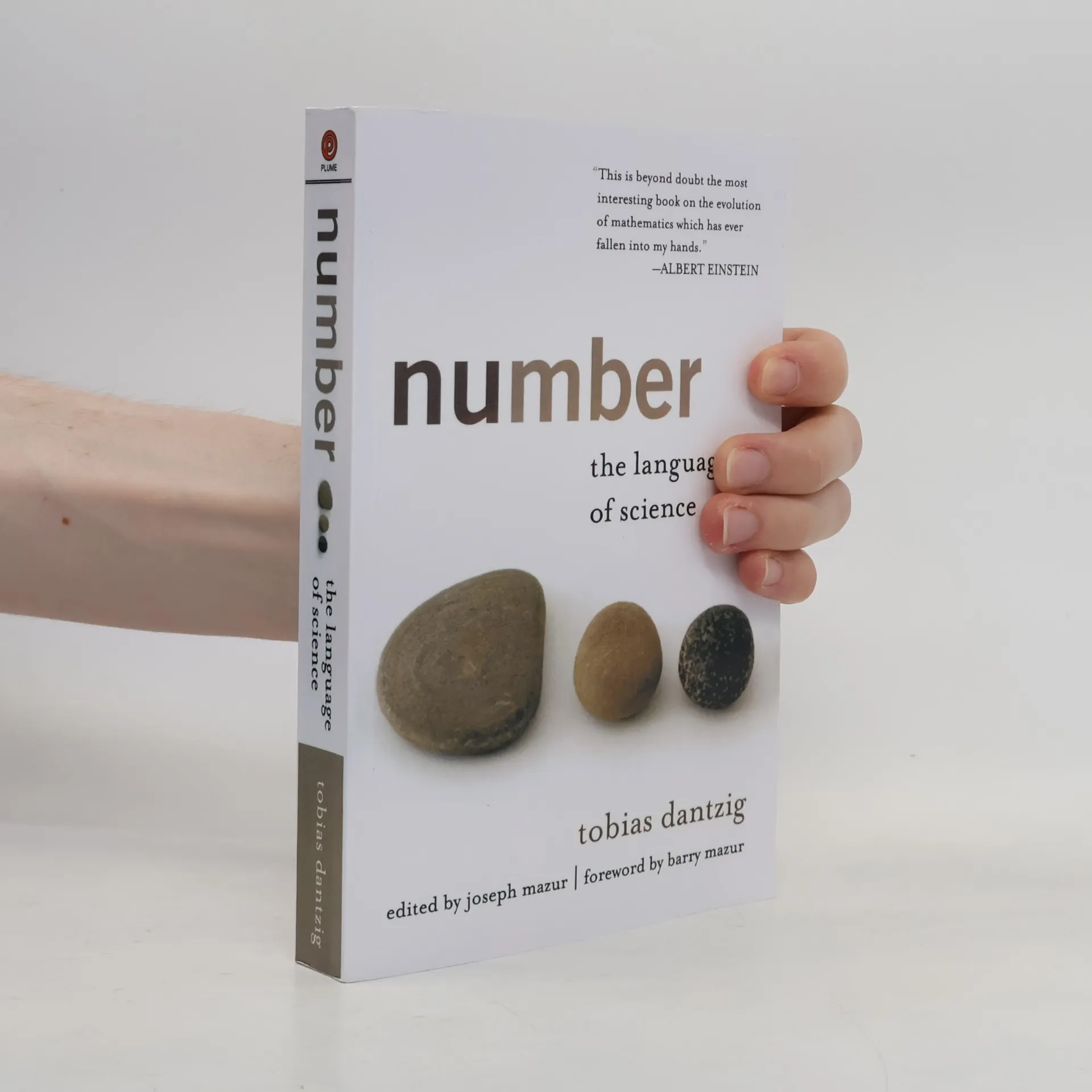
Number is an eloquent, accessible tour de force that reveals how the concept of number evolved from prehistoric times through the twentieth century. Tobias Dantzig shows that the development of math—from the invention of counting to the discovery of infinity—is a profoundly human story that progressed by “trying and erring, by groping and stumbling.” He shows how commerce, war, and religion led to advances in math, and he recounts the stories of individuals whose breakthroughs expanded the concept of number and created the mathematics that we know today.
Barry Mazur Bücher

This book demystifies the art of mathematical imagining, showing that anyone can learn to visualize 'imaginary numbers,' which puzzled mathematicians since the 16th century.
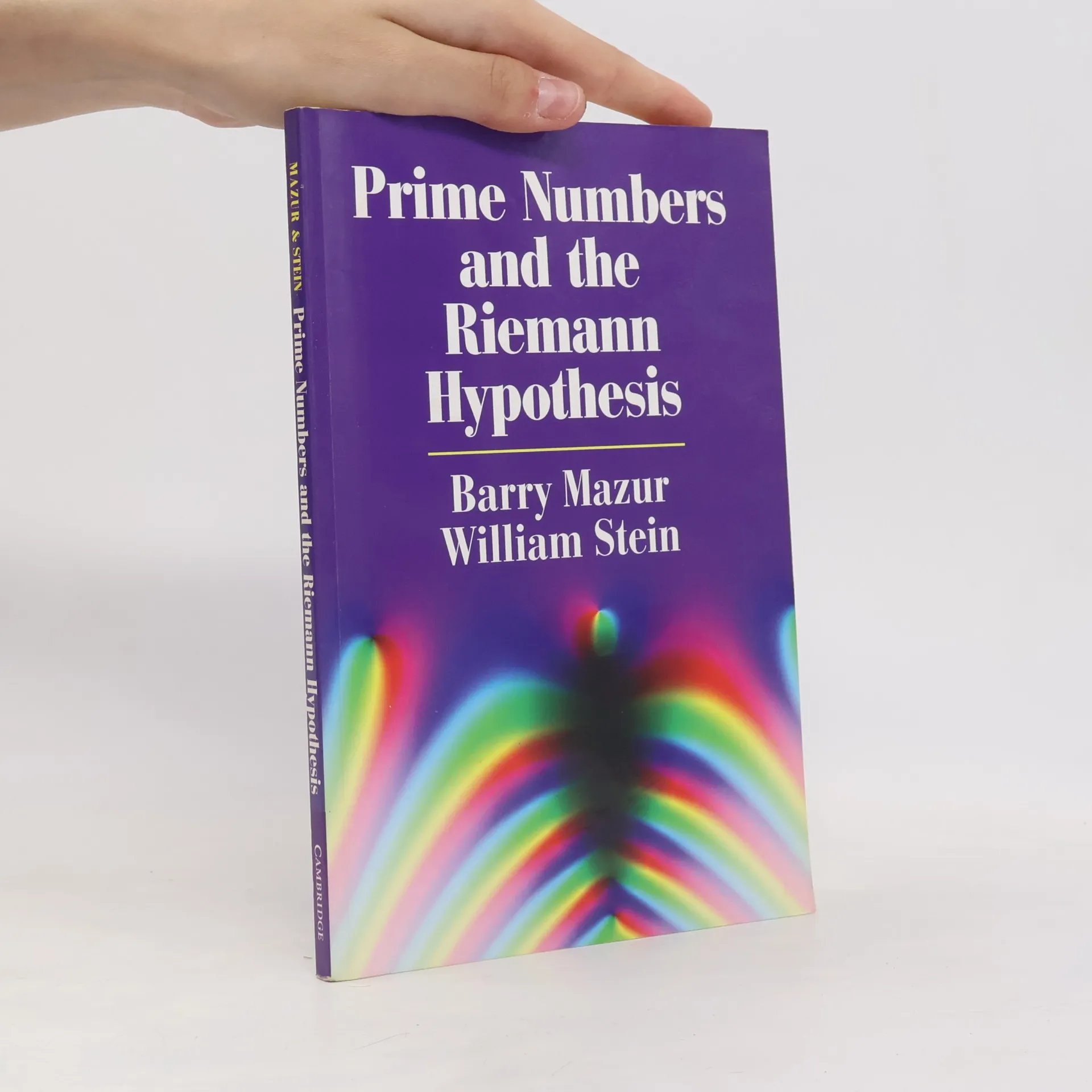
Prime Numbers and the Riemann Hypothesis
- 156 Seiten
- 6 Lesestunden
Thoughts about numbers; 2. What are prime numbers?; 3. 'Named' prime numbers; 4. Sieves; 5. Questions about primes; 6. Further questions about primes; 7. How many primes are there?; 8. Prime numbers viewed from a distance; 9. Pure and applied mathematics; 10. A probabilistic 'first' guess; 11. What is a 'good approximation'?; 12. Square root error and random walks; 13. What is Riemann's hypothesis?; 14. The mystery moves to the error term; 15. Césaro smoothing; 16. A view of Li(X) - pi(X); 17. The prime number theorem; 18. The staircase of primes; 19. Tinkering with the staircase of primes; 20. Computer music files and prime numbers; 21. The word 'spectrum'; 22. Spectra and trigonometric sums; 23. The spectrum and the staircase of primes; 24. To our readers of part I; 25. Slopes and graphs that have no slopes; 26. Distributions; 27. Fourier transforms: second visit; 28. Fourier transform of delta; 29. Trigonometric series; 30. A sneak preview; 31. On losing no information; 32. Going from the primes to the Riemann spectrum; 33. How many thi's are there?; 34. Further questions about the Riemann spectrum; 35. Going from the Riemann spectrum to the primes; 36. Building pi(X) knowing the spectrum; 37. As Riemann envisioned it; 38. Companions to the zeta function.