Gratis Versand ab € 14,99. Mehr Infos.
Bookbot

Mick O. Hare

    Wie dick muss ich werden, um kugelsicher zu sein?
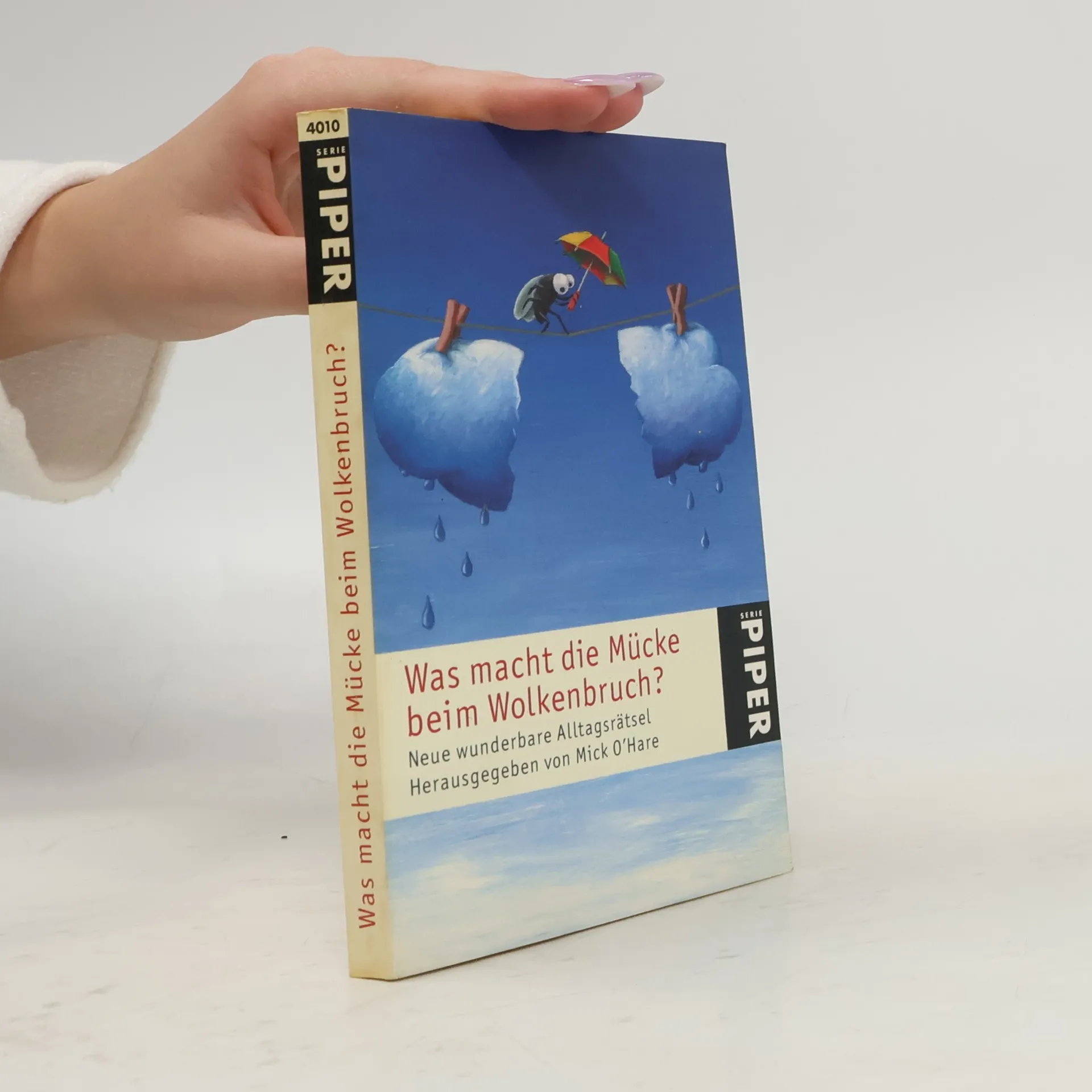
    Was macht die Mücke beim Wolkenbruch?
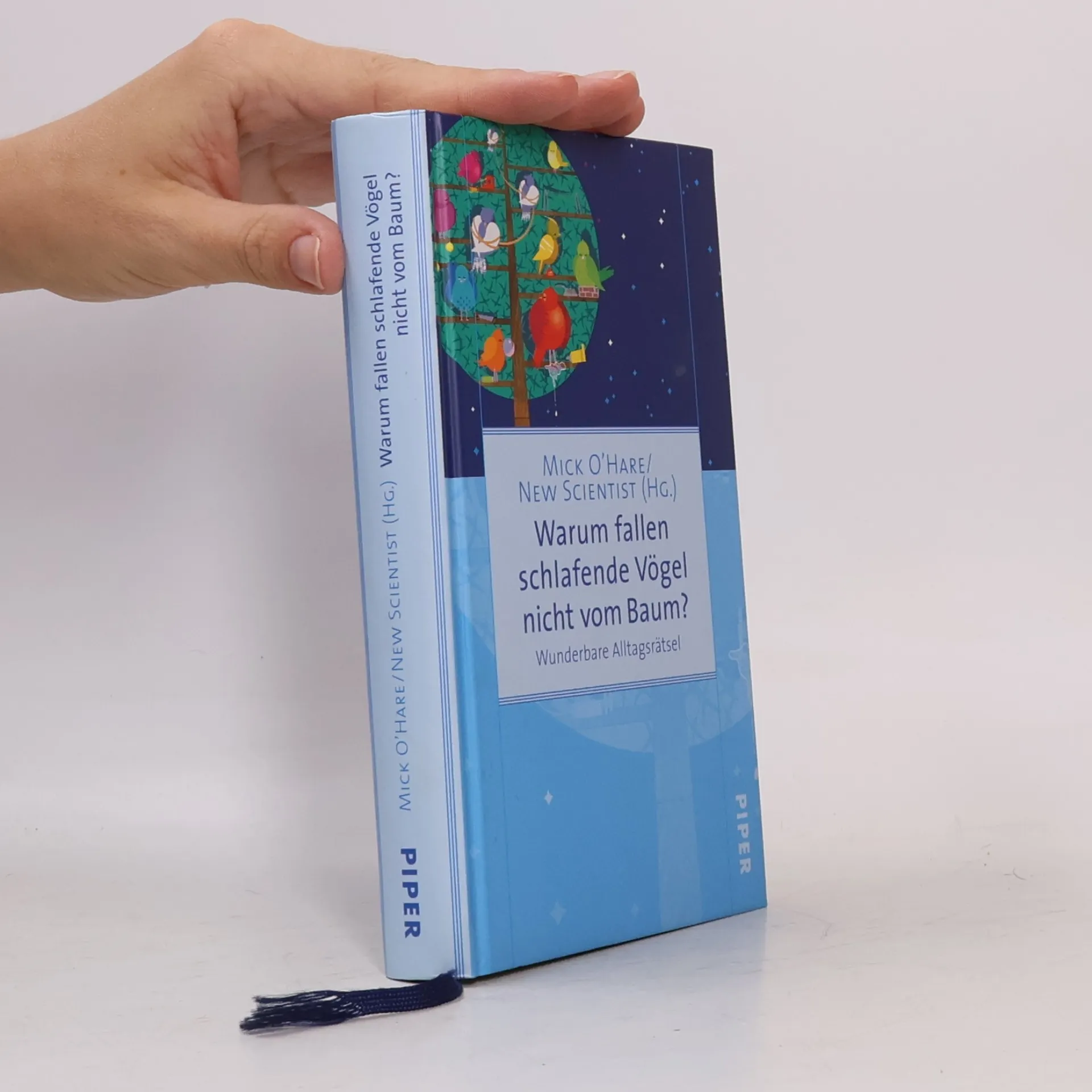
    Warum fallen schlafende Vögel nicht vom Baum?
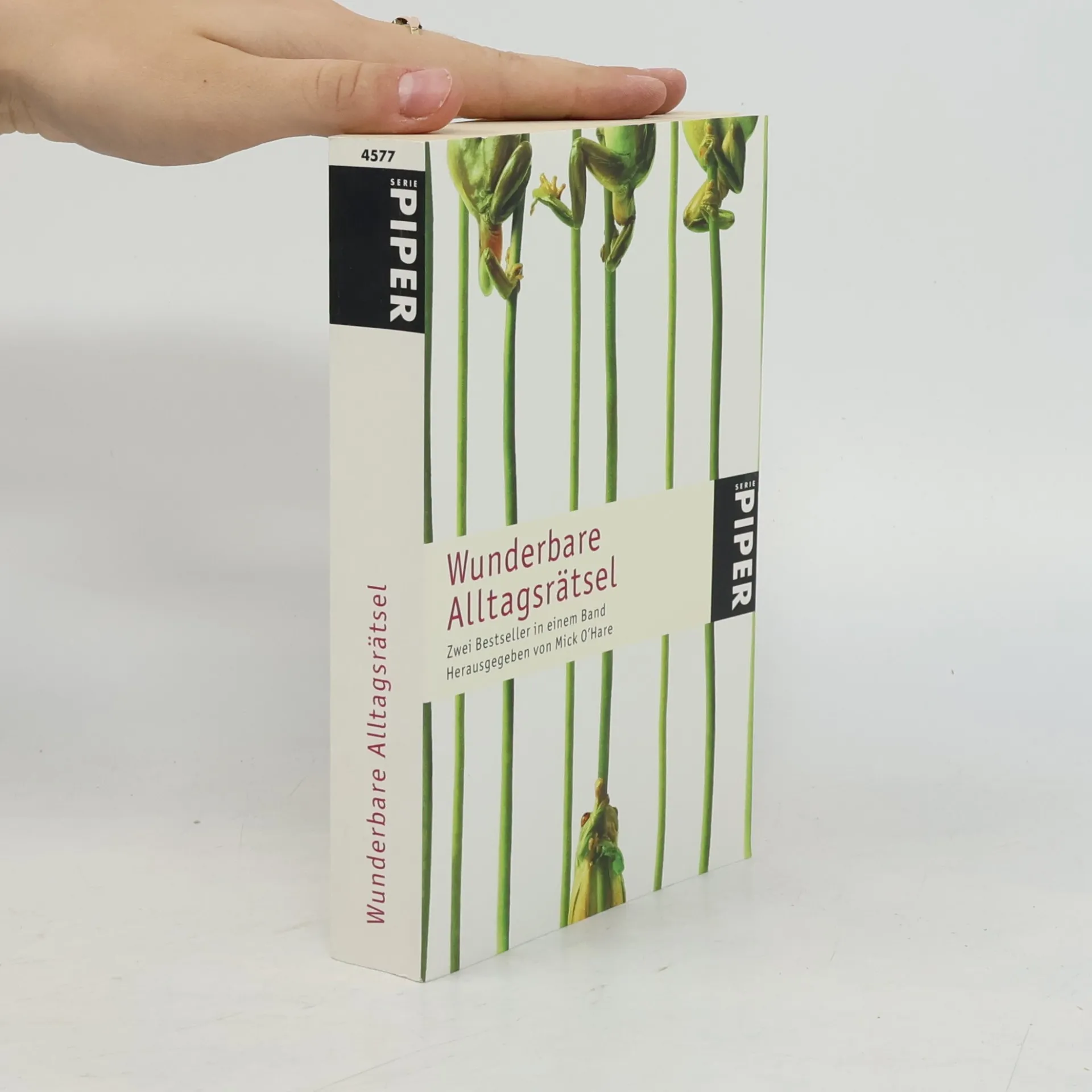
    Wunderbare Alltagsrätsel
    Warum sind Orang-Utans orange?
    Wie lange eine Kokosnuss braucht, um aus der Karibik nach Europa zu schwimmen und 101 neue Erkenntnisse aus der wunderbaren Welt der Wissenschaft
    • Yawns Freeze Your Brain

      More Mind-Blowing Facts From Science, History, Life and The Universe

      • 256 Seiten
      • 9 Lesestunden

      Exploring intriguing questions about life and the universe, this book delves into topics like yawning, the behavior of the sun, and the science behind everyday phenomena. It offers insightful answers to quirky queries such as the reason for cheese's odor and the seasonal height change of the Eiffel Tower. With a mix of humor and knowledge, readers can enhance their IQ and impress friends at trivia nights. This enlightening read is a delightful gift for curious minds eager to uncover the mysteries of existence.

      Yawns Freeze Your Brain2024
    • Want to challenge your brain, tickle your sides and turn your world upside down all at once? Then this is the book for you!

      Farts Aren't Invisible2023
    • A joy for science lovers, Know It All is your ticket to a grand meeting of curious minds! New Scientist magazine’s beloved “Last Word” column is a rare forum for “un-Google-able” queries: Readers write in, and readers respond! Know It All collects 132 of the column’s very best Q&As. The often-wacky questions cover physics, chemistry, zoology and beyond: When will Mount Everest cease to be the tallest mountain on the planet?If a thermometer was in space, what would it read?Why do some oranges have seeds, and some not?Many people suffer some kind of back pain. Is it because humans haven’t yet perfected the art of walking upright? And the unpredictable answers showcase the brainpower of New Scientist’s readers, like the anatomist who chimes in about back pain (“Evolution is not in the business of perfecting anything.”) and the vet who responds, “Quadrupeds can get backache too!”
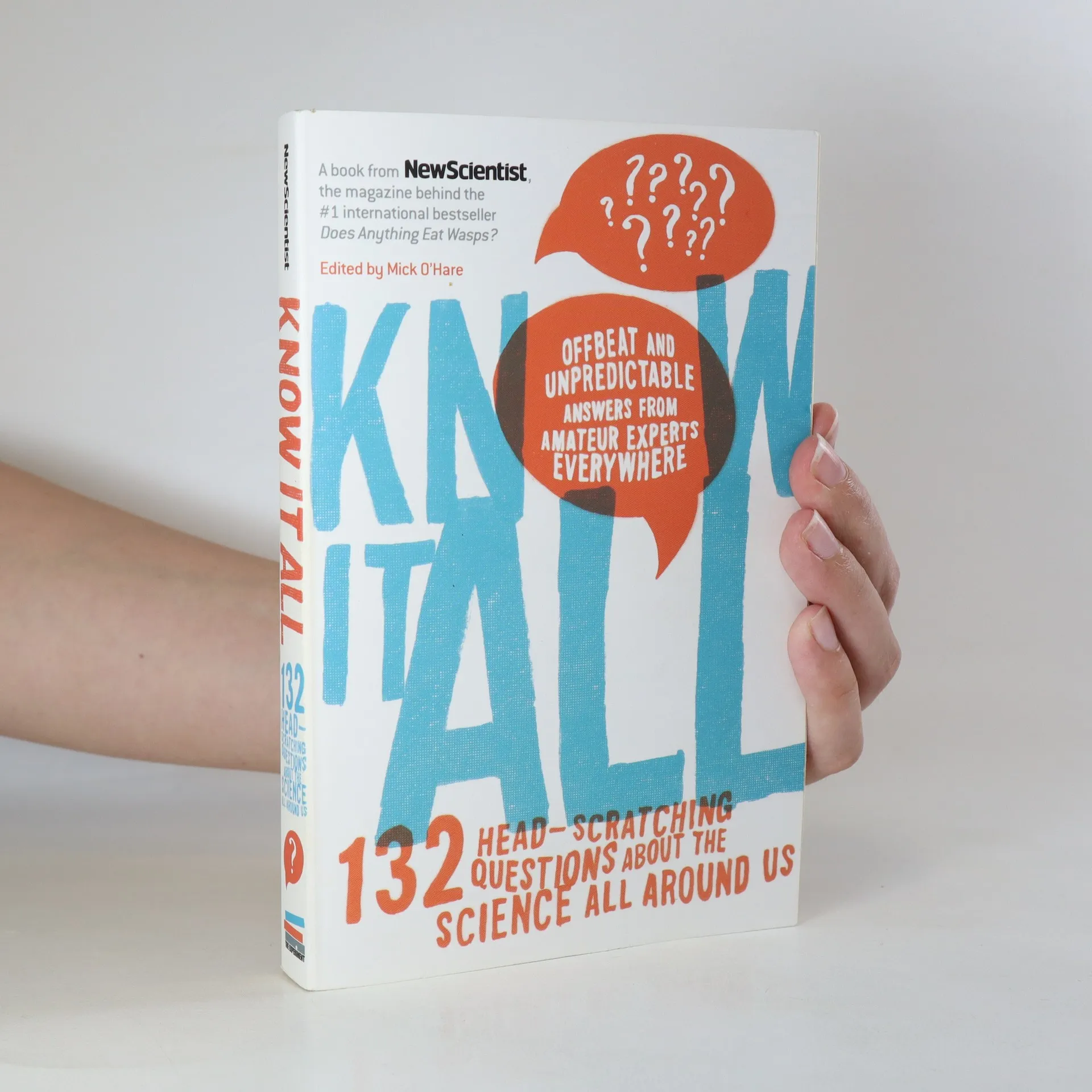
      Know it all. 132 Head-Scratching Questions About the Science All Around Us2015
      3,6
    • New Scientist: Question Everything

      • 256 Seiten
      • 9 Lesestunden

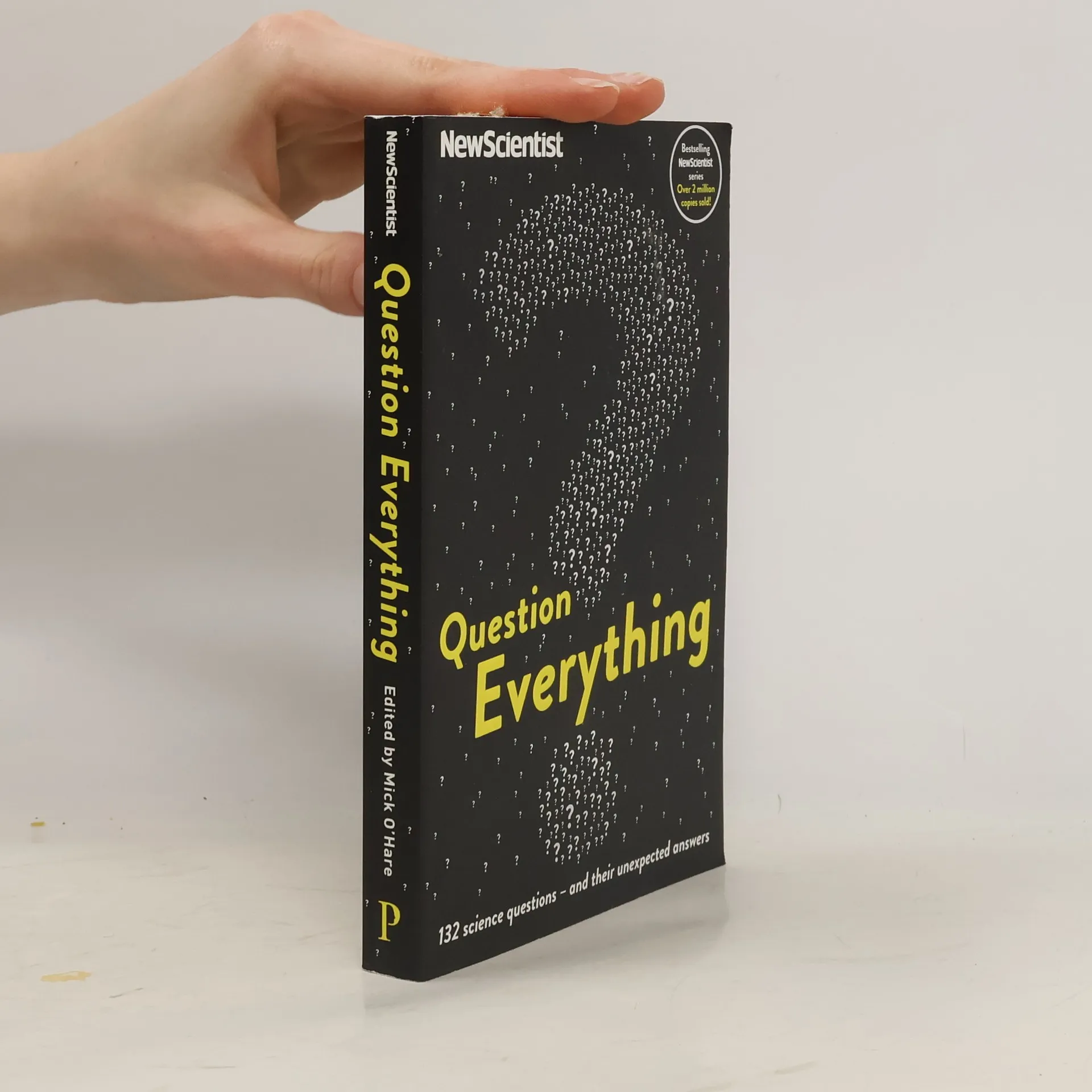
      The latest in the bestselling New Scientist Last Word seriesAll science begins with questions...- Why is the night sky black, even though it's full of stars? - How do pebbles skim on water? - Why doesn't your own snoring wake you up? - And why is the Large Hadron Collider so ... er ... large? And as these intriguing, imaginative and occasionally bonkers questions and answers drawn from New Scientist magazine's archives show: question everything and you might find your way to amazing, unexpected insights into our minds, bodies and the universe, and the science behind the scenes that keeps them ticking. As you would expect from New Scientist, this is top-flight science at its most accessible, unpredictable and entertaining. This latest mind-bending addition to the No. 1 bestselling series will fascinate 'Last Word' fans and new readers alike.The New Scientist books from Profile have become sure-fire Christmas bestsellers, now selling over two million copies through bookshops. Last year's Nothing was in the bestseller lists for six weeks. This new book is sure to be at least as successful.

      New Scientist: Question Everything2014
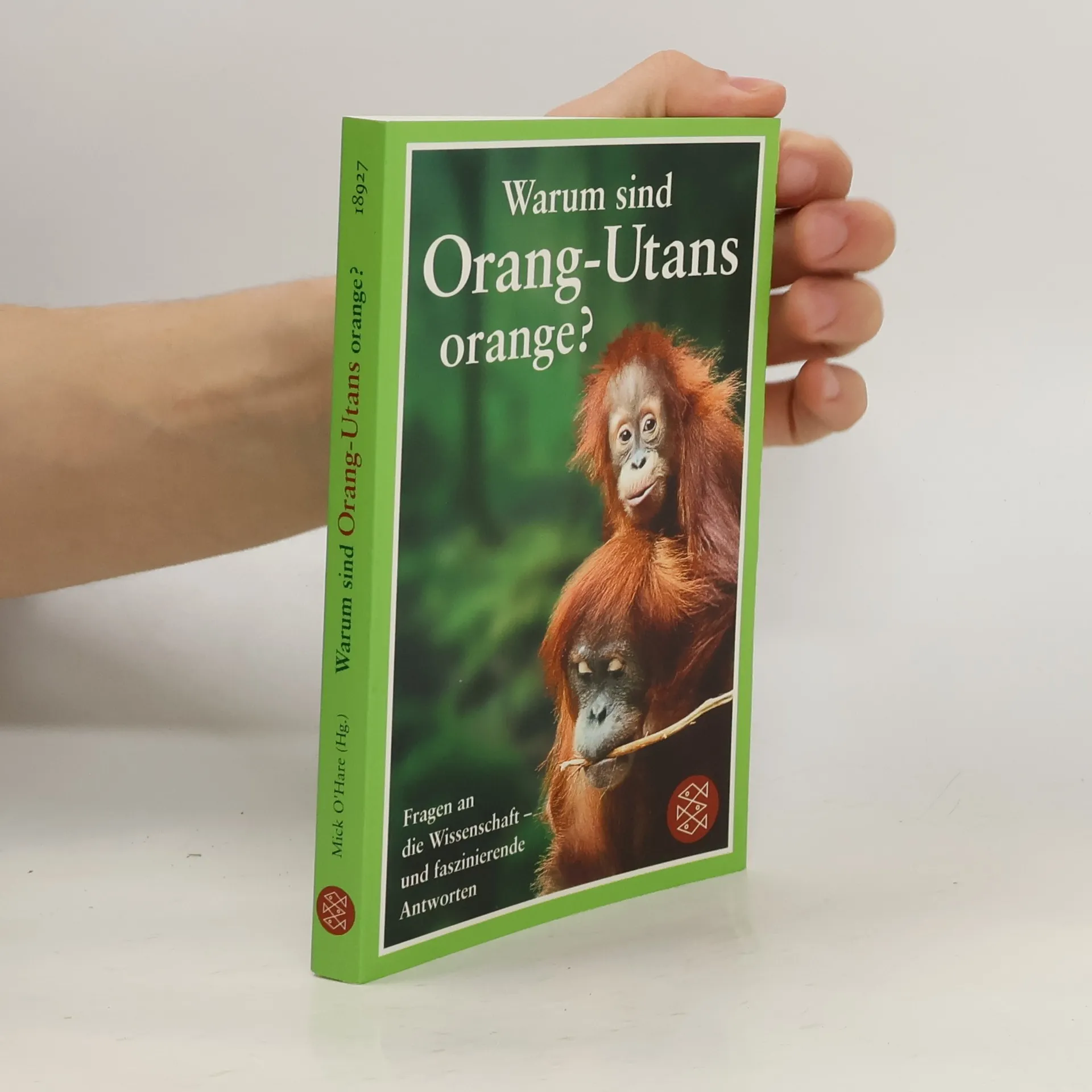
    • Warum sind Orang-Utans orange?

      Fragen an die Wissenschaft - und faszinierende Antworten

      Warum haben Tölpel blaue Füße? Warum haben Tiger Streifen und keine Punkte? Wie kommt der Berg zu einem Hut aus Wolken? Neue, spannende, pfiffige Fragen aus der beliebten Kolumne des New Scientist Magazine - erstmals farbig illustriert! Die zahlreichen Fotos zeigen die Schönheit, die Komplexität und die Mysterien der Welt um uns herum: Von blaufüßigen Vögeln, Hologrammen im Eis über bizarre Wolkenformationen bis hin zu merkwürdig deformierten Lebensmitteln. Die Wunder der Natur werden unterhaltsam und wissenschaftlich fundiert enträtselt.

      Warum sind Orang-Utans orange?2013
      3,0
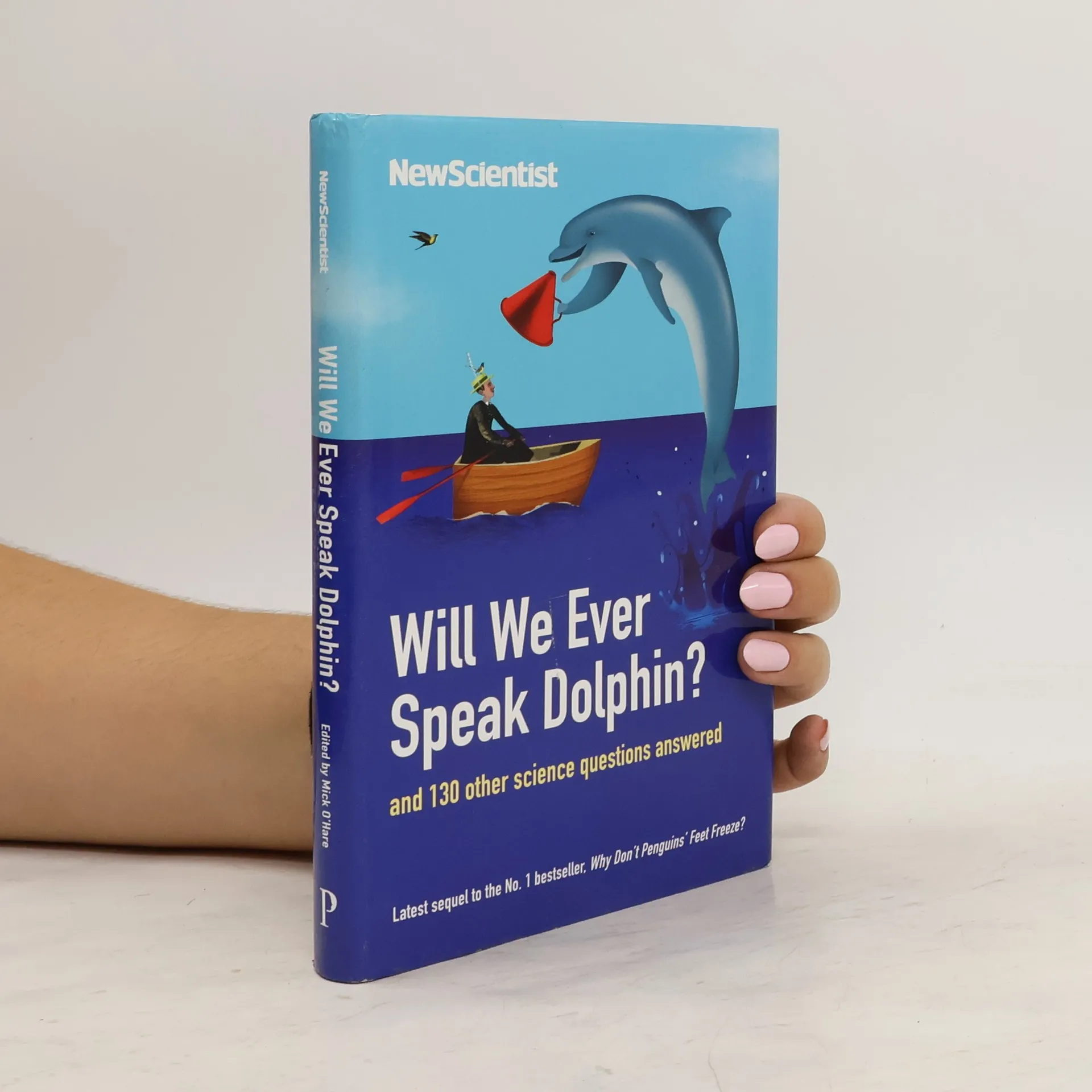
    • Will We Ever Speak Dolphin?

      And 130 More Science Questions Answers: More Questions and Answers from the Popular 'Last Word' Column

      • 225 Seiten
      • 8 Lesestunden

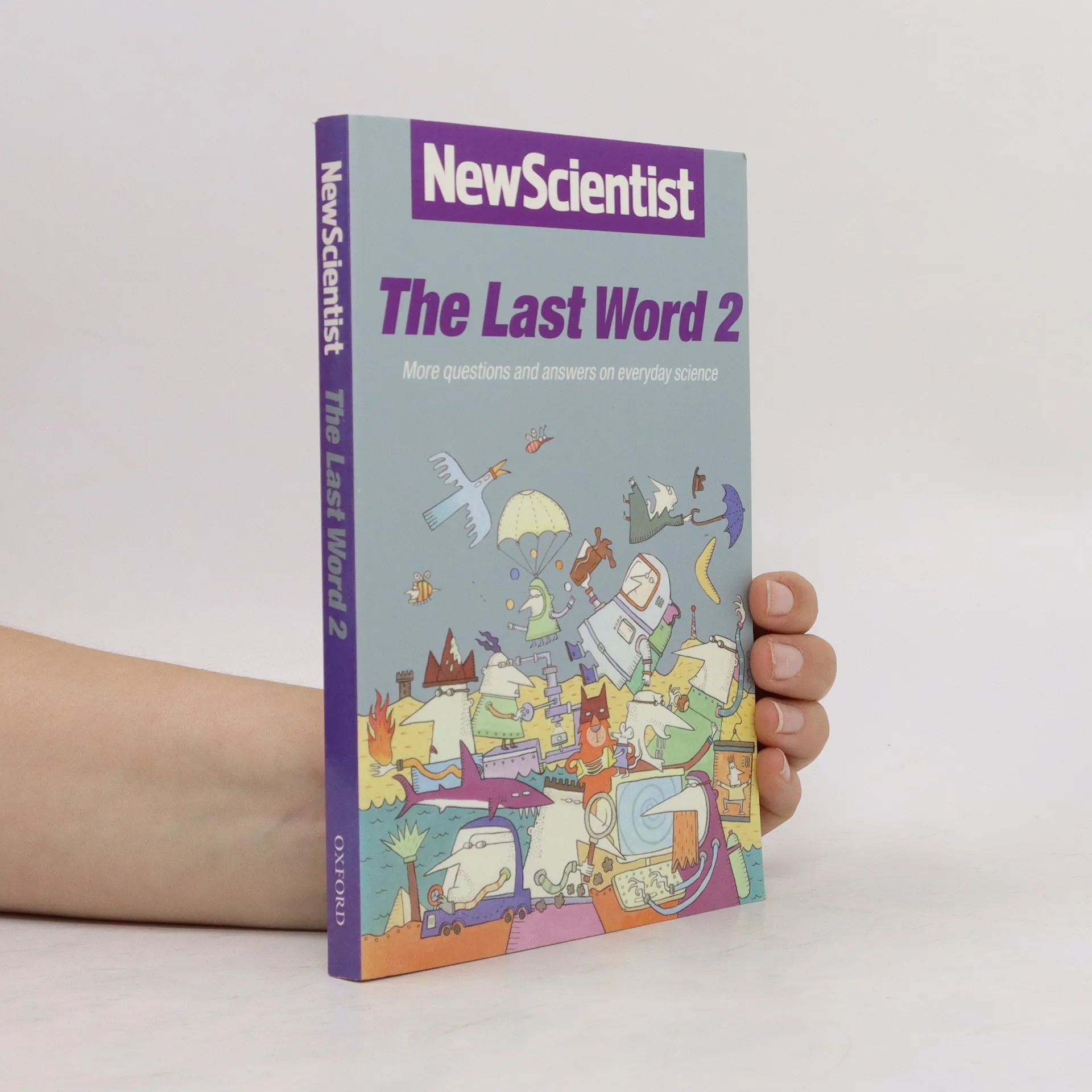
      The latest title in the bestselling 'Last Word' series from New Scientist magazine.

      Will We Ever Speak Dolphin?2012
      3,0
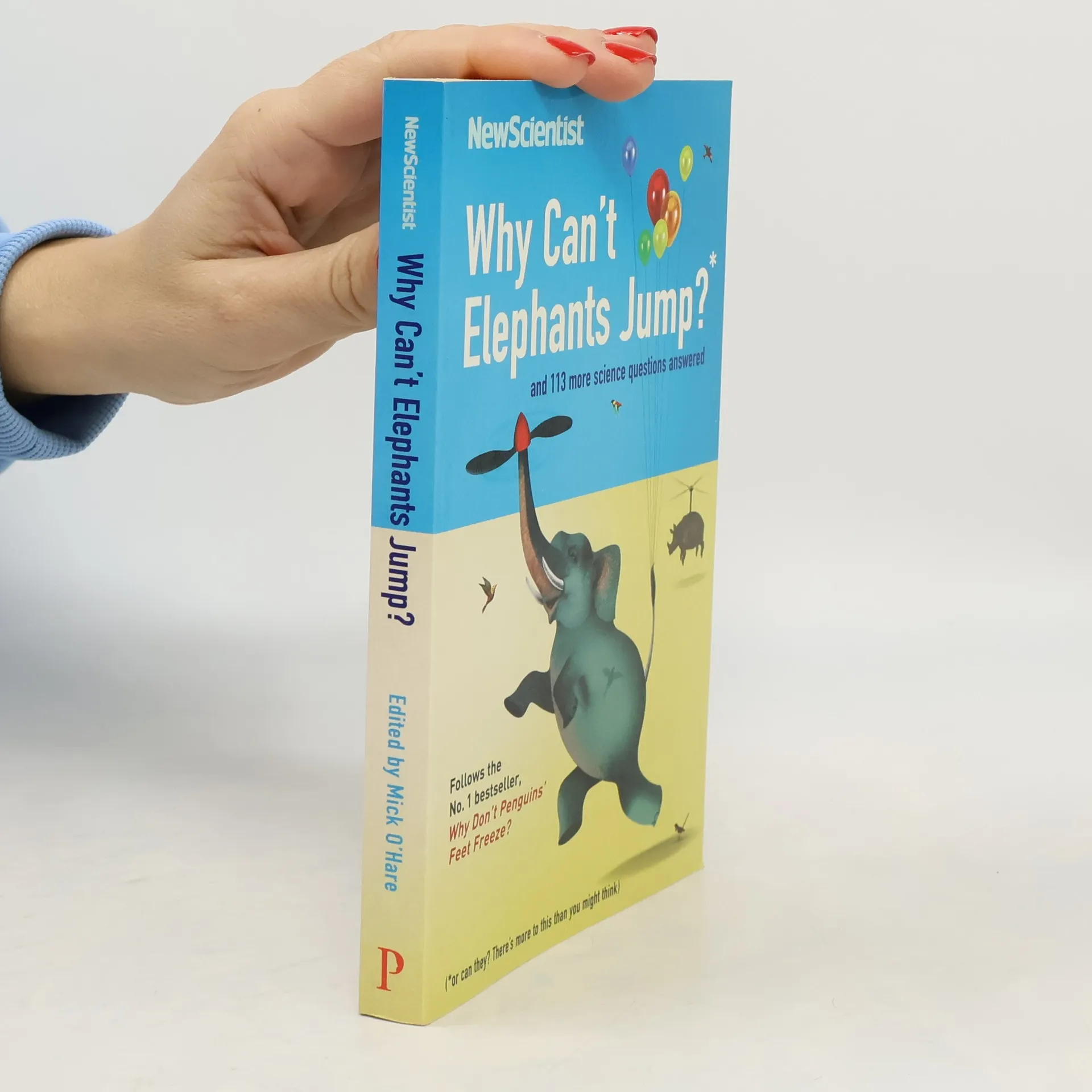
    • Warum können Elephanten nicht hüpfen? Weil sie zu groß und zu schwer sind? Oder liegt der Grund in der anatomischen Beschaffenheit ihrer Kniee? Oder warten sie mit ihrer Hüpferei immer nur solange bis keiner mehr guckt? Lesen Sie diese brillante neue Zusammenstellung ebenso faszinierender wie amüsanter Populärwissenschaft und finden Sie es selbst heraus!

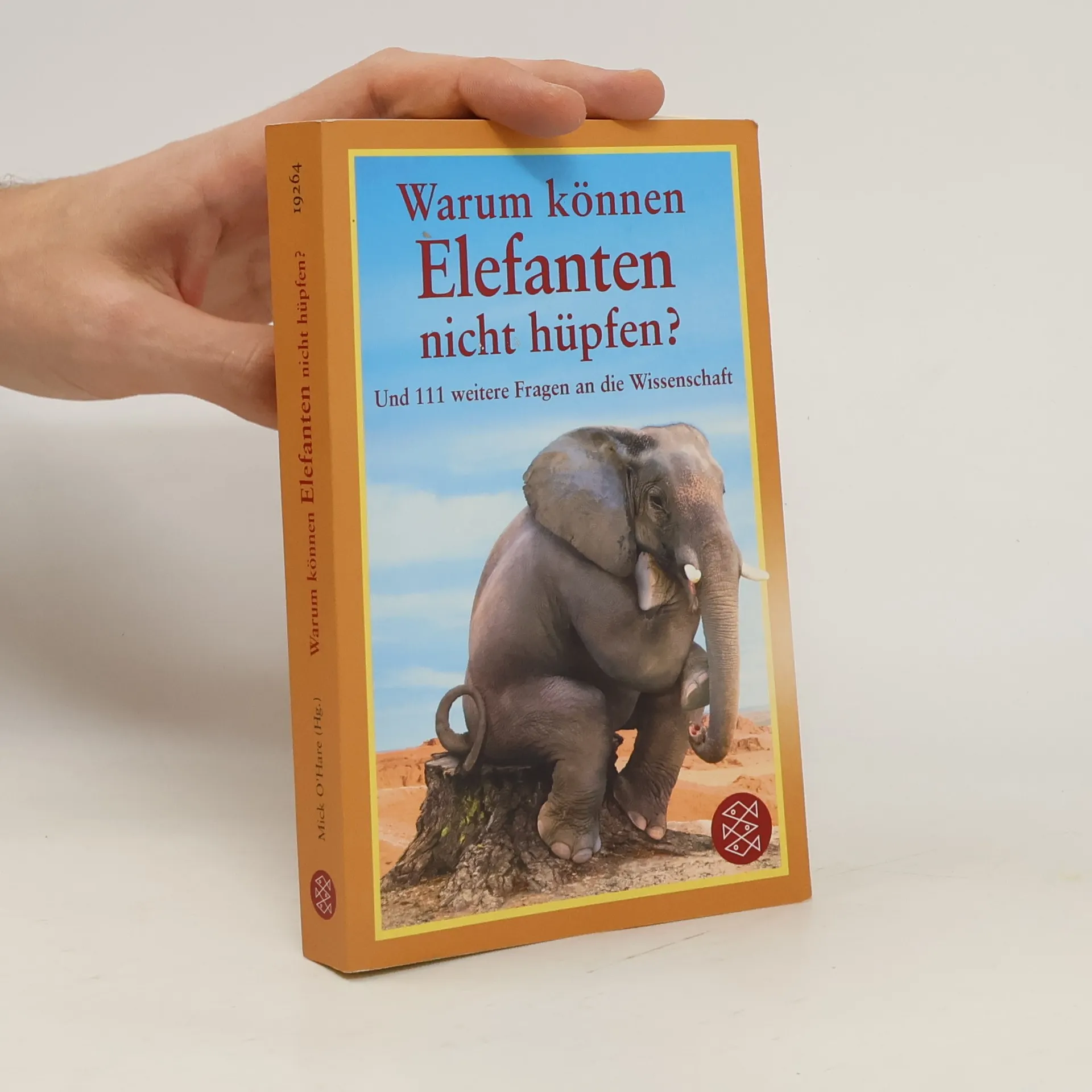
      Warum können Elefanten nicht hüpfen? und 111 weitere Fragen an die Wissenschaft2012
    • Why do birds sing at dawn? What's the slowest a plane can fly without stalling and falling out of the sky? And how long can you keep a tiger cub as a pet? Will We Ever Speak Dolphin?, the eagerly-awaited new 'Last Word' collection, has the answers to these questions and many more. Seven years on from Does Anything Eat Wasps?, the New Scientist series still rides high in the bestseller lists, with well over two million copies sold. Popular science has never been more stimulating or more enjoyable. Like Why Don't Penguins' Feet Freeze?, Do Polar Bears Get Lonely?, and Why Can't Elephants Jump?, this collection of wry and well-informed answers to a remarkable range of baffling questions is guaranteed to delight.

      Will We Ever Speak Dolphin And 130 More Science Questions Answered2012
      3,6
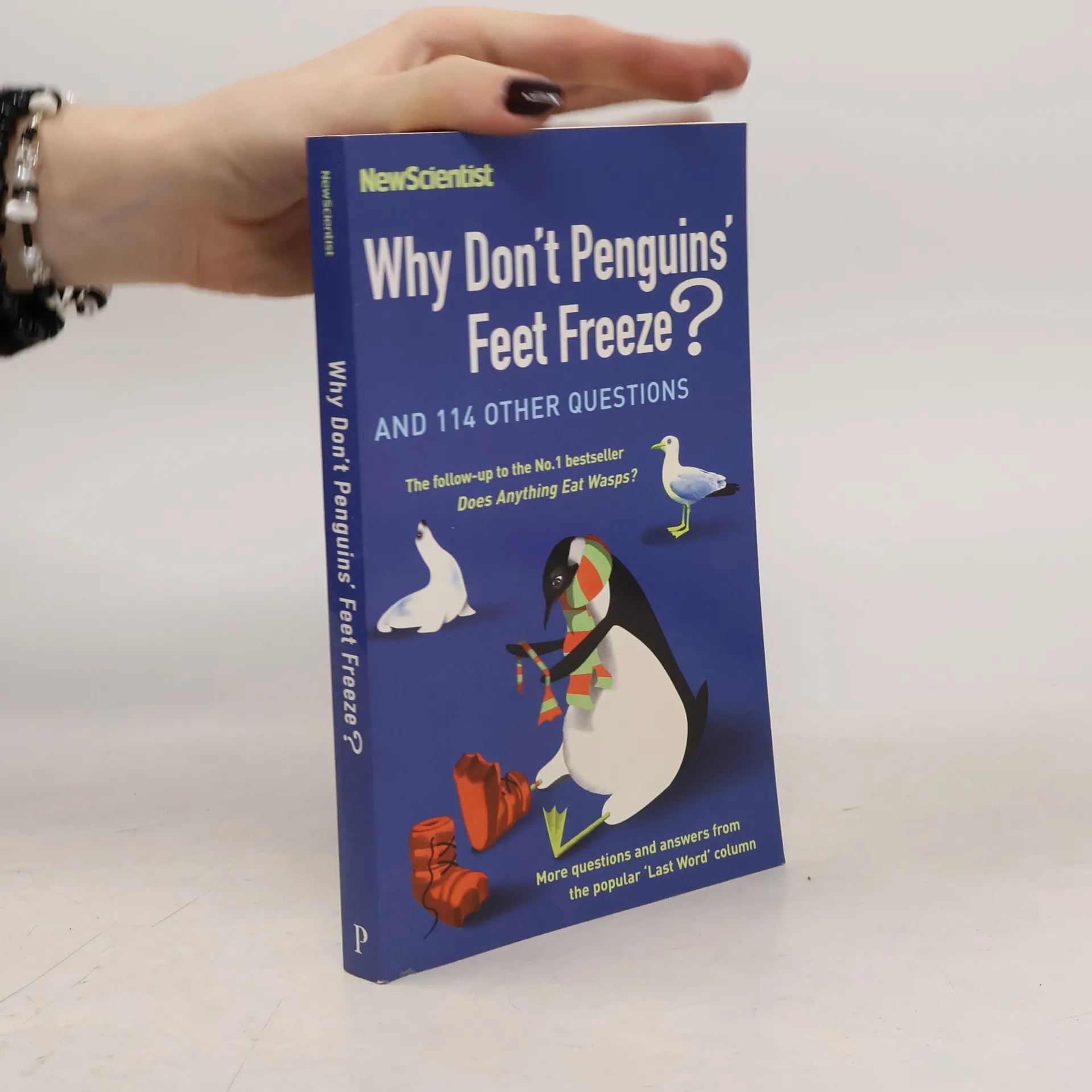
    • Why don't Penguins' feet freeze? Do Polar Bears get lonely? and Why can't elephants jump? (2010), this collection gives well-informed answers to a range of baffling science questions.

      Why are Orangutans Orange?2011
      3,6
    • Haben Spinnen Durst? Wie lang braucht eine Kuh, um den Grand Canyon mit Milch zu füllen? Wie kommen die Streifen in die Zahnpasta? Warum sind manche Menschen Links- und andere Rechtshänder? Eine neue Sammlung ungewöhnlicher Fragen und verblüffender Antworten der Leser vom New Scientist Magazine, die uns ungeahnte Einsichten in unseren Alltag und in die Wissenschaft bietet. Denn die scheinbar simplen Fragen haben oft die überraschendsten Antworten, während die scheinbar verzwicktesten durch ihre einfachen Erklärungen erstaunen. Eine bezaubernde Mischung aus brillanter Wissenschaft und britischem Humor.

      Wie lange eine Kokosnuss braucht, um aus der Karibik nach Europa zu schwimmen und 101 neue Erkenntnisse aus der wunderbaren Welt der Wissenschaft2010
      3,5