Das perfekte Gegenmittel zu Ihrer digitalen Diät, dies ist eine erfreuliche Erkundung des analogen Produktdesigns, das Kategorien und Generationen überschreitet und den zeitlosen Reiz des Realen und Taktile über das bloß Virtuelle feiert. Analogue: A Field Guide ist eine eindrucksvolle Reise durch eine Ära innovativen Designs, die 250 klassische Objekte von Radios über Plattenspieler, Fernseher bis hin zu Kameras und Schreibmaschinen bis zu Telefonen profiliert. Auf dem Weg wird eine Umfrage zu allen ikonischen Marken sowie den technologischen Entwicklungen durchgeführt, die diese Geräte möglich gemacht haben. Es gibt eine wachsende Nostalgie für physische, reale Interaktionen mit Design und Technologie und den Wunsch, sowohl mit Dingen als auch mit Menschen wieder in Kontakt zu treten, etwas, das durch die digitale Revolution erodiert wurde. Der weitreichende Ansatz dieses Buches ermöglicht es, die tiefere kulturelle und soziale Bedeutung der analogen Ära zu zeigen, mit der Autorität, die diejenigen überzeugt, die viel über jede Kategorie wissen, und der Breite, um Nicht-Spezialisten anzusprechen. Ideal für diejenigen, die nostalgisch nach physischen Medien sind, sowie für diejenigen, die diese älteren Technologien sammeln, nutzen und pflegen.
Deyan Sudjic Reihenfolge der Bücher (Chronologisch)
Deyan Sudjic, Direktor des Design Museum, taucht tief in die vielschichtige Beziehung zwischen Design, Architektur und Gesellschaft ein. Seine Arbeit untersucht kritisch, wie Objekte und Gebäude unser Leben prägen und unsere kollektiven Werte widerspiegeln. Mit einem klaren und aufschlussreichen Stil seziert Sudjic, wie Design unsere Wahrnehmung der Welt beeinflusst und zum Träger von Bedeutung und Identität wird. Seine Schriften regen zur Reflexion über die allgegenwärtige Natur des Designs in unserem täglichen Leben an.



John Pawson - making life simpler
- 296 Seiten
- 11 Lesestunden
The only comprehensive book on the fascinating life and work of the celebrated architectural designer, John Pawson This visual biography brings together John Pawson’s architecture, life, clients, travel, photography, design, books, and ideas. Written by Deyan Sudjic, an architectural historian and long-time friend, it explores the full scope of Pawson’s life, from his Yorkshire upbringing and time spent in Japan to the fashion years and the influence of art, and provides a thoughtful and intimate insight into his life, inspirations, and work. It features wonderfully engaging stories and anecdotes about Pawson's work with such clients as Bruce Chatwin, Calvin Klein, Karl Lagerfeld, Shiro Kuramata, Martha Stewart, and many more. The book features documents, photography and ephemera, including never-seen-before images from Pawson's personal and professional archives – richly illustrated, this is the ultimate book on John Pawson.
What would an architect risk for the chance to construct the tallest building in the world? This publication delves into the extraordinary life of Boris Iofan (1891-1976), the state architect under Joseph Stalin. Iofan's journey reveals the complex relationship between successful architects and power. A talented designer and committed Communist, he became the Soviet Union's leading architect after being persuaded to return to Moscow from Rome with his wife, Olga Sasso-Ruffo. His work is crucial for understanding Soviet official culture, especially as he created a new national style when the architectural avant-garde was suppressed. Notable projects include the House on the Embankment, a vast complex for the Soviet elite, and the ambitious, though unbuilt, Palace of the Soviets, a baroque Stalinist vision. Iofan's career spanned cities like New York and Paris, and he engaged with influential figures such as Frank Lloyd Wright while contending with rivals like Le Corbusier. Despite witnessing the execution of friends, including Alexei Rykov, he adhered to Stalin's directives, sacrificing his own artistic vision to fulfill the regime's ambitions. Richly illustrated and featuring unpublished material, this exploration highlights architecture as a tool of statecraft and offers a unique perspective on pivotal moments in 20th-century politics and culture through Iofan's remarkable story.
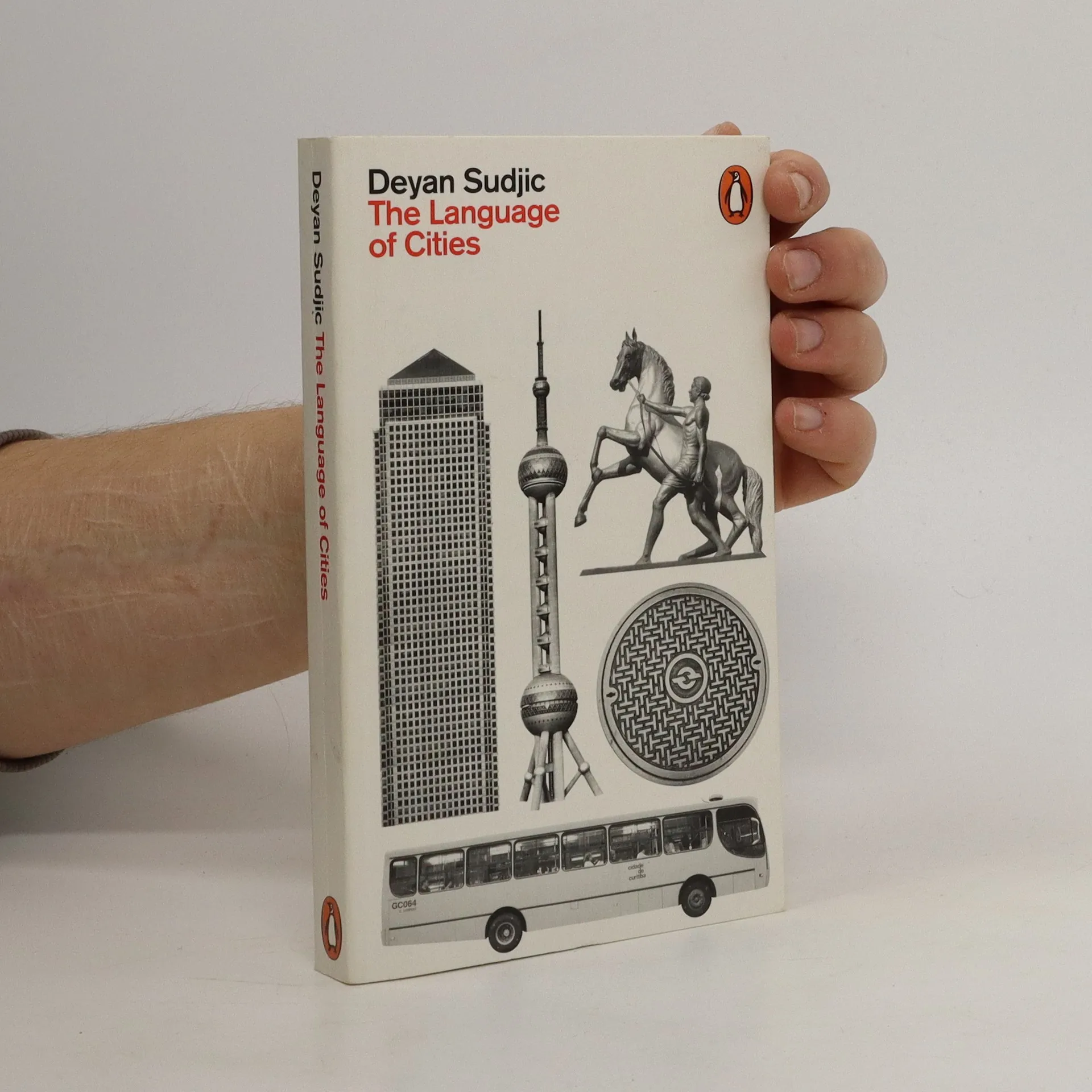
The Language of Cities
- 240 Seiten
- 9 Lesestunden
What makes a city? Is it a place or an idea? How should we define the city as it evolves today? Deyan Sudjic decodes the underlying forces that shape the urban spaces around us, from their buildings to their names, from the power of crowds to why being a Londoner, New Yorker or Muscovite can offer a sense of identity greater than any other.
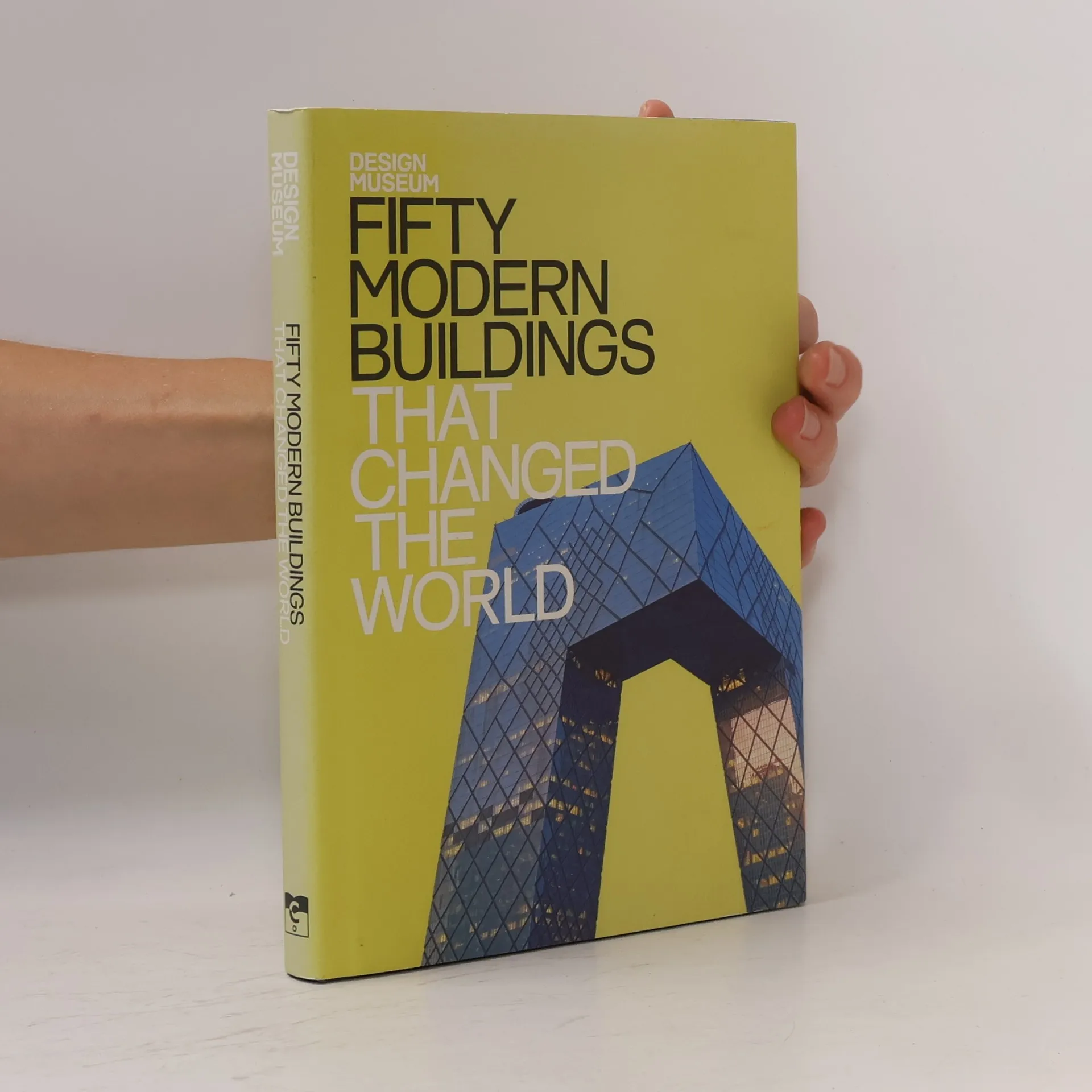
Fifty Modern Buildings. That Changed the World
- 112 Seiten
- 4 Lesestunden
This title in the Design Museum Fifty series, published with London's Design Museum, delves into the rich and varied history of modern architecture. Deyan Sudjic, the museum's director, examines 50 of the most significant and visually striking buildings globally, showcasing a range from Le Corbusier's Villa Savoye to Beijing's CCTV Headquarters. Featured structures include the Rockefeller Center in New York, Eames House in Los Angeles, Montreal Biosphere, Pompidou Centre in Paris, Guggenheim Museum in Bilbao, and Beijing Olympic Stadium, among others. Sudjic is a prominent writer, broadcaster, and architectural theorist, having previously served as the design and architecture critic for The Observer and Dean of the Faculty of Art, Design and Architecture at Kingston University. The Design Museum is dedicated to celebrating contemporary design across various forms, from furniture and fashion to architecture and graphics, aiming to highlight design's central role in contemporary culture and its creative richness.
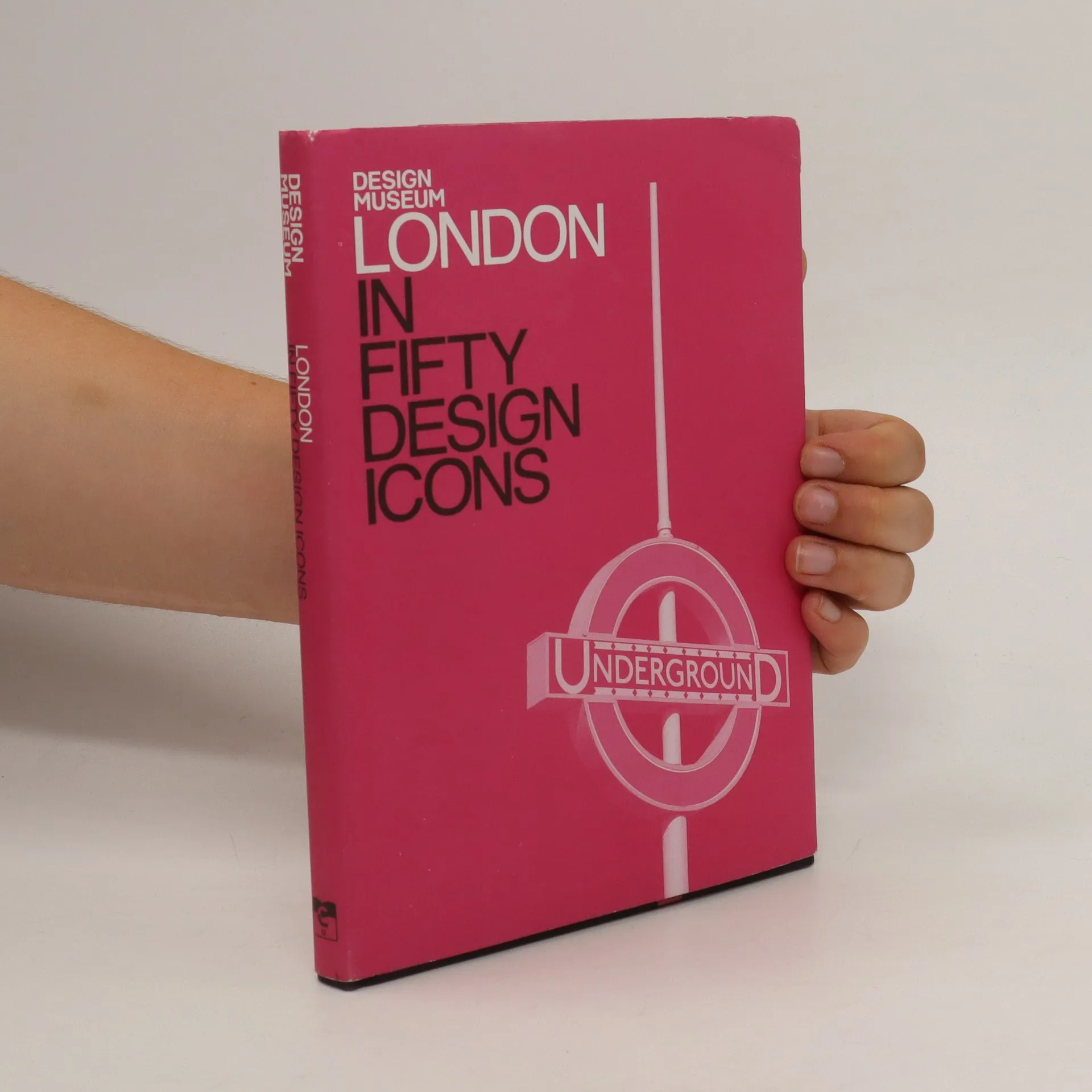
London in Fifty Design Icons
- 106 Seiten
- 4 Lesestunden
In this new series, the Design Museum looks at the fifty design icons of major cities around the world - icons that, when viewed together, inherently sum up the spirit of their city. Covering everything from buildings and monuments to a graffiti mural or an item of clothing, we are able to build up an intricate portrait of a city, layer by layer.From its long-serving Routemaster buses and world-famous tube map to the miniskirts of the swinging sixties and the imposing silhouette of Battersea Power Station, London is a tapestry of design masterpieces. Join Deyan Sudjic, Director of the Design Museum, as he unravels the visual history of one of our most complex and intriguing cities.Contents include:The Times mastheadAbbey RoadBattersea Power StationTate Modern Turbine HallBanksy graffiti muralMary Quant miniskirtTube mapChristopher Kane flourescent dressLloyd's of LondonLondon Aquatics Centre...and many more.
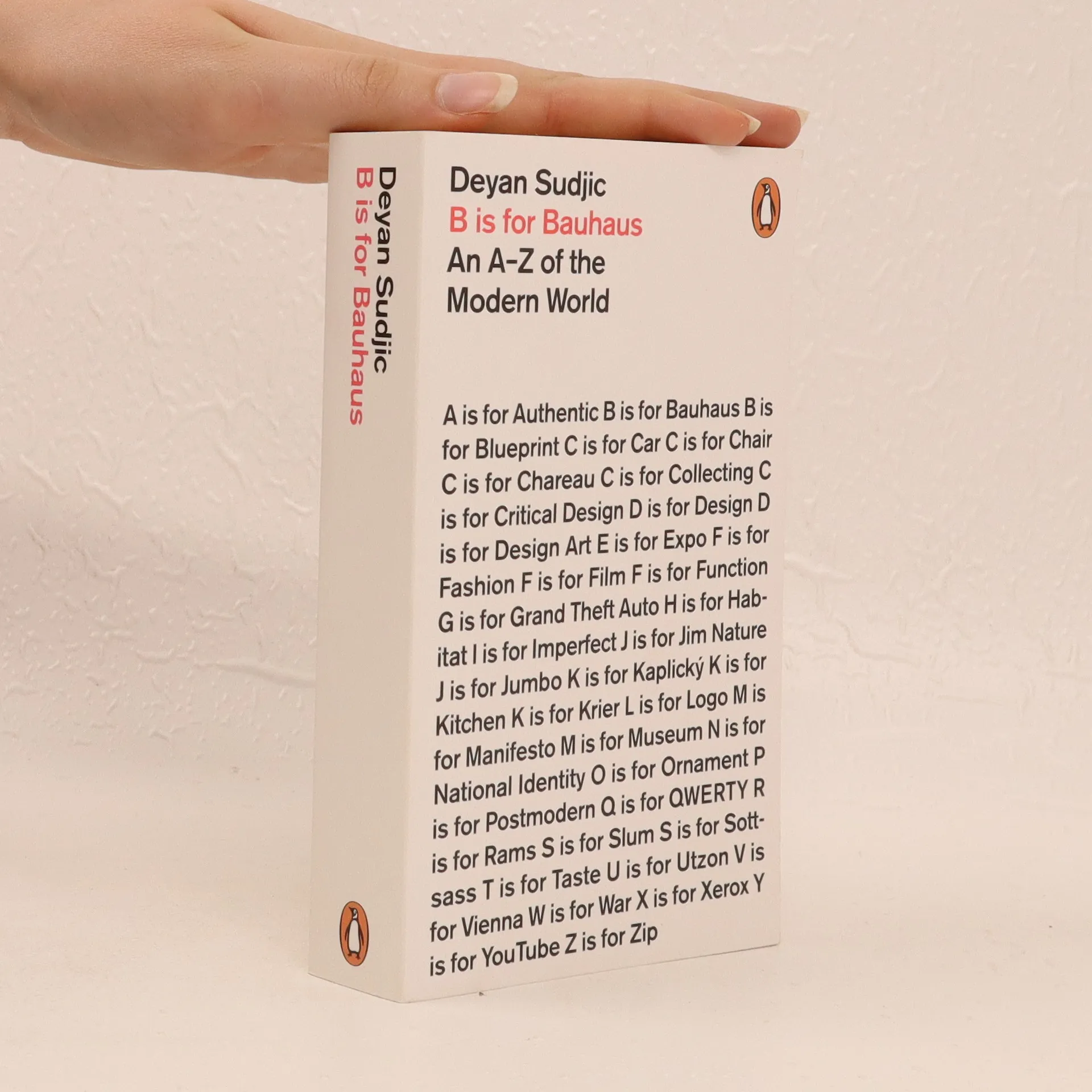
B is for Bauhaus : an A-Z of the modern world
- 480 Seiten
- 17 Lesestunden
This an essential tool kit for understanding the world around us. It's about our obsession with collecting, the quest for authenticity and the creation of national identities. It's about Hitchcock's film sets and why we value imperfection. It's about fashion and technology, about politics and art.'A memoir and a master class in musing on modern design . . . It's a collection of thoughtful, absorbing essays about many aspects of modern design, a subject nobody writes better about than Sudjic' - Evening Standard
Shiro Kuramata
- 416 Seiten
- 15 Lesestunden
This two-volume monograph explores the influential work of Japanese designer Shiro Kuramata. The first volume features Deyan Sudji's text on Kuramata's life and innovations, alongside newly translated writings. The second volume catalogs over 600 of his designs, many previously unpublished, with illustrations and detailed captions.
Published on the occasion of the exhibition held from the 15th November 2013 to 9th March 2014, London's Design Museum.
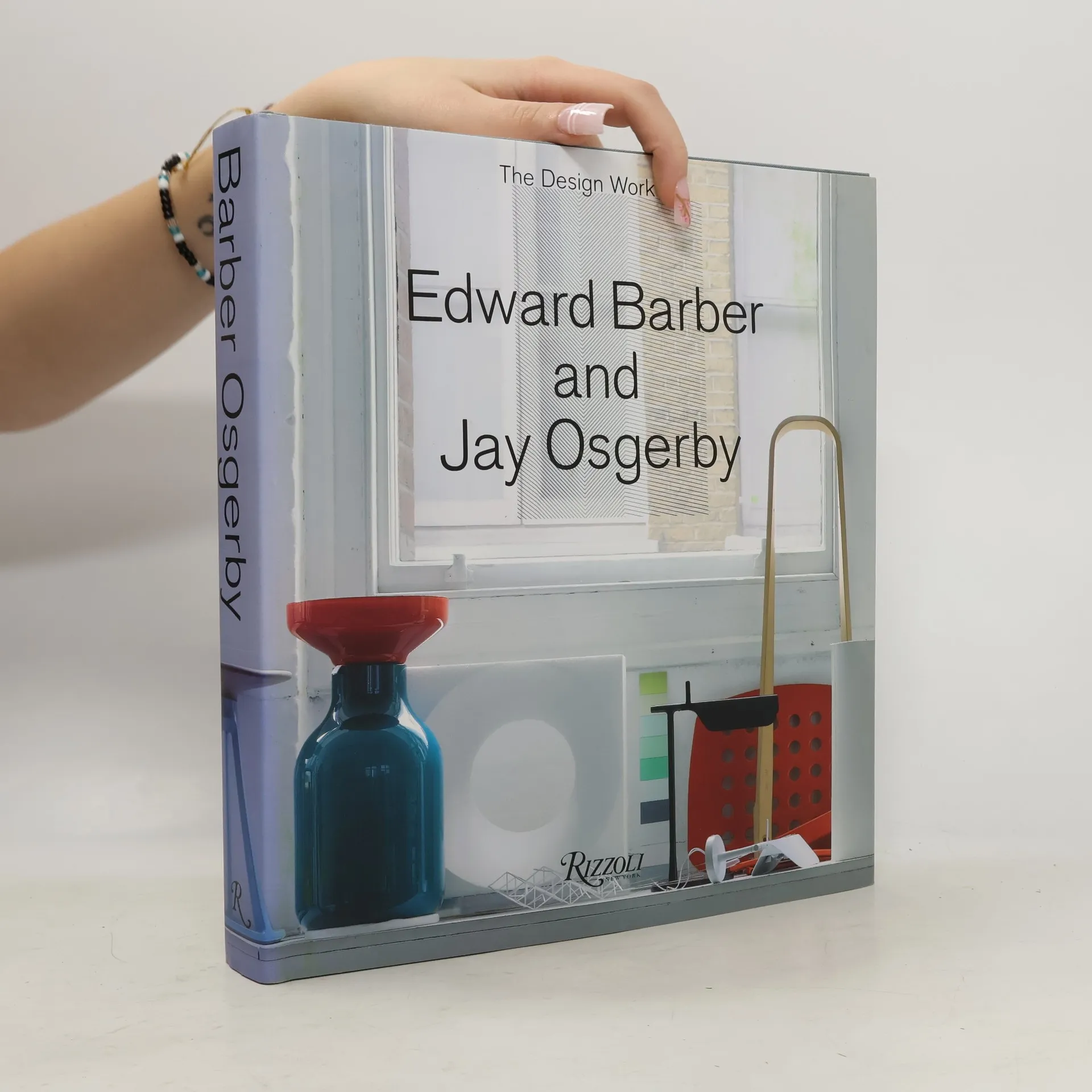
The Design Work of Edward Barber and Jay Osgerby
- 256 Seiten
- 9 Lesestunden
The first monograph on the work of Edward Barber and Jay Osgerby, two of the most innovative industrial designers from Britain.
Jan Kaplický. Vlastní cestou. His Own Way
- 84 Seiten
- 3 Lesestunden
Decodes the things around us: their hidden meanings, our relationship with them, how they shape our lives and why we desire them. This book makes us part with our money. It defines who we think we are.
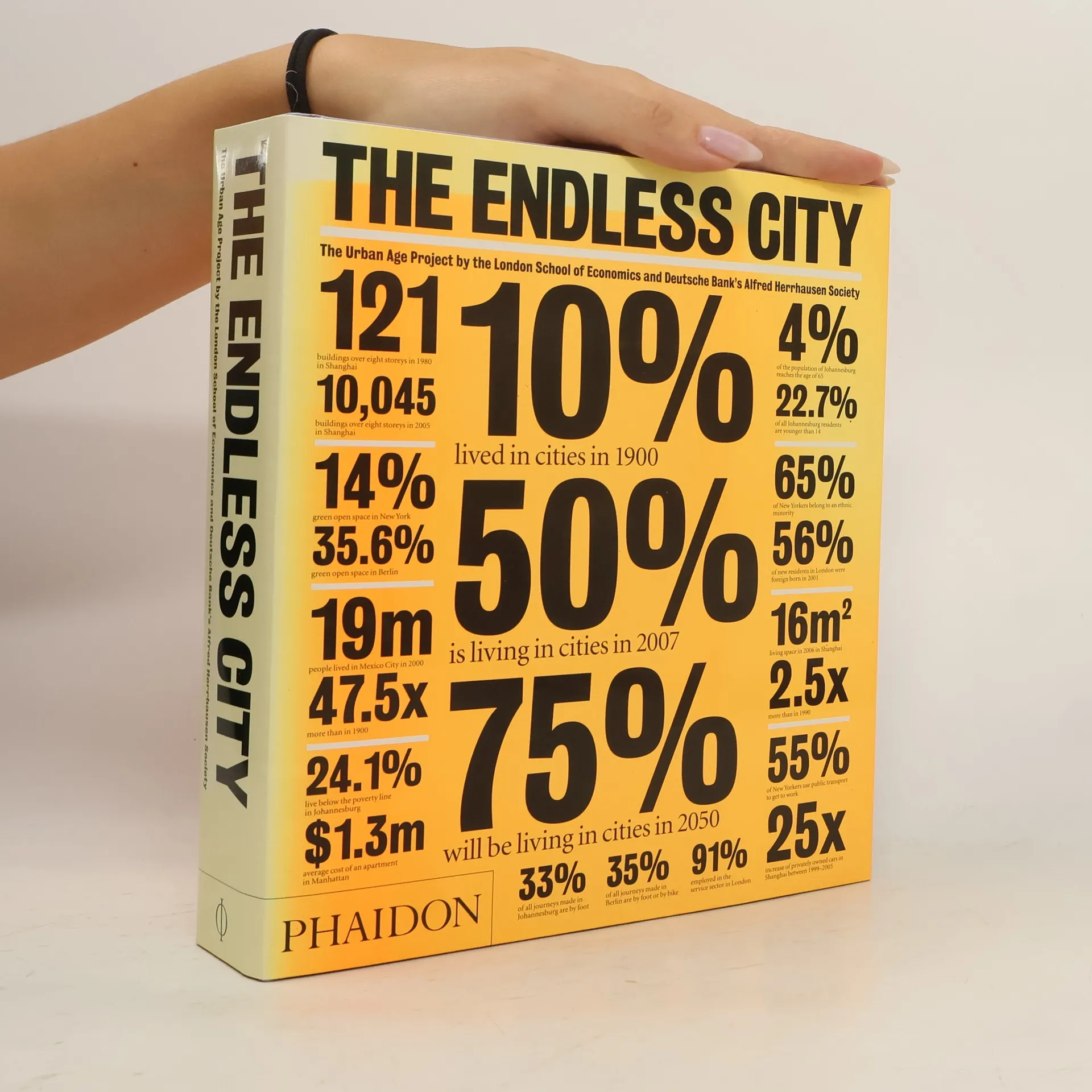
An authoritative and visually rich survey of the contemporary city.
John Pawson Works
- 240 Seiten
- 9 Lesestunden
John Pawson is one of the foremost proponents of Minimalism in architecture and design. Already known to designers for his austere yet luxurious interiors, he has attained public acclaim for his high-profile retail projects such as the Calvin Klein flagship store in New York, his celebrity clients like Martha Stewart and his book Minimum (Phaidon, 19960.This book traces the varied course of the relationships between an architects and his clients, between an architect and the design briefs set for him, and between the architect and his own intellectual approach to design and its impact on his work. The incisive text, with specially commissioned pictures, explores Pawson's design process, working methods and philosophical approach, and illuminates the emotional and artistic content of his work. Through a close examination of ten diverse projects, Deyan Sudjic considers the way in which design is influenced by the processes of construction and making, and explores the nature and significance of the finished scheme. This book, a record of Pawson's developing approach to design and his unique position at the intersection of art and design, offers insights into culture, society and architecture.
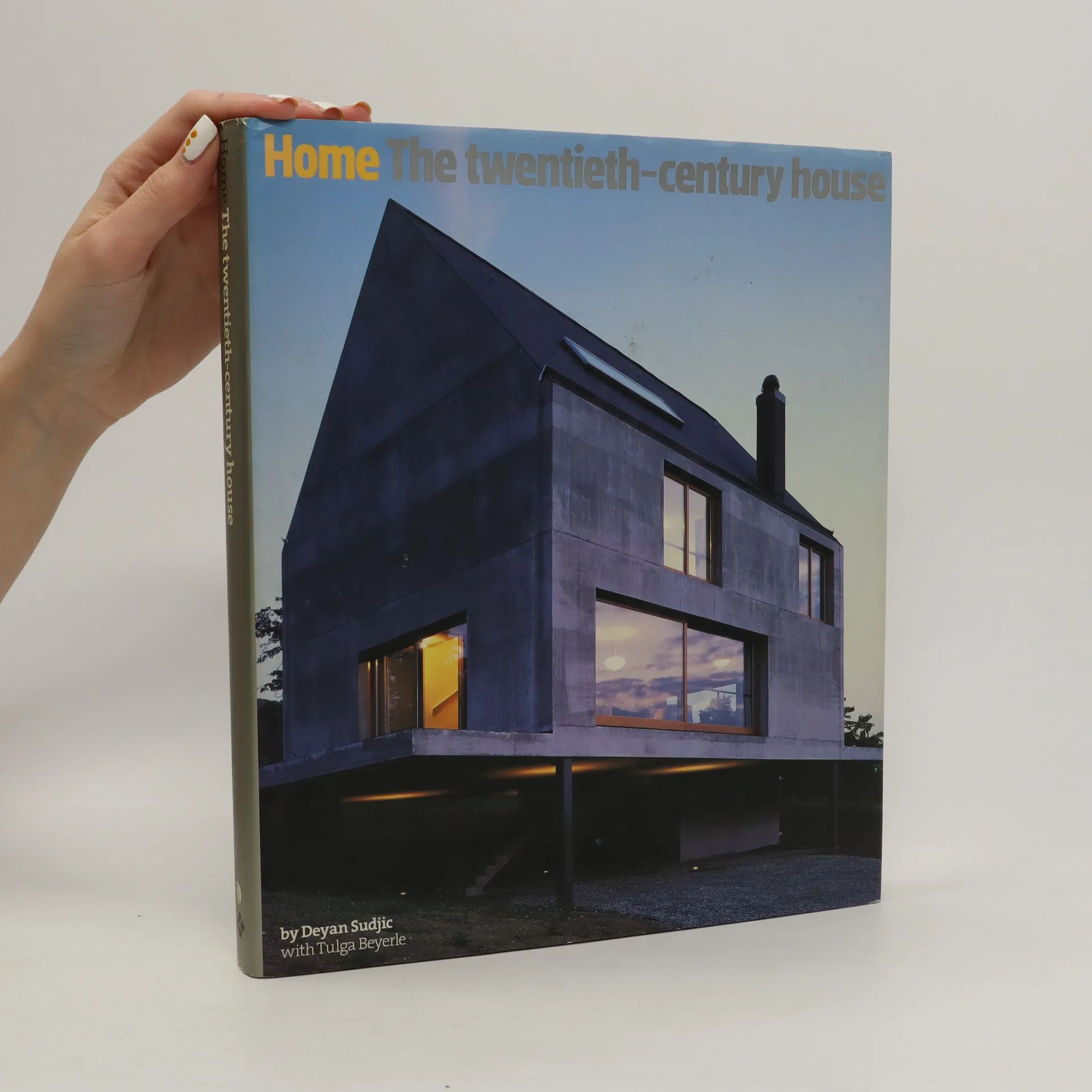
Home. The twentieth-century house
- 240 Seiten
- 9 Lesestunden
There is probably no more revealing route to understanding the evolution of 20th-century architecture than to examine it through the focus of the individual home. A handful of remarkable houses act as signposts to the shifting preoccupations of the century. From Charles Rennie Mackintosh's "Hill House" in Helensburgh to Charles and Ray Eames' own house in California, the home has been a powerfully resonant reflection of the essence of architecture. Capturing the revolutionary reinterpretation of space that characterized the beginning of the century, and the adoption of imagery of the machine age, the houses included span from Europe to North and Latin America, India, Japan and Australia
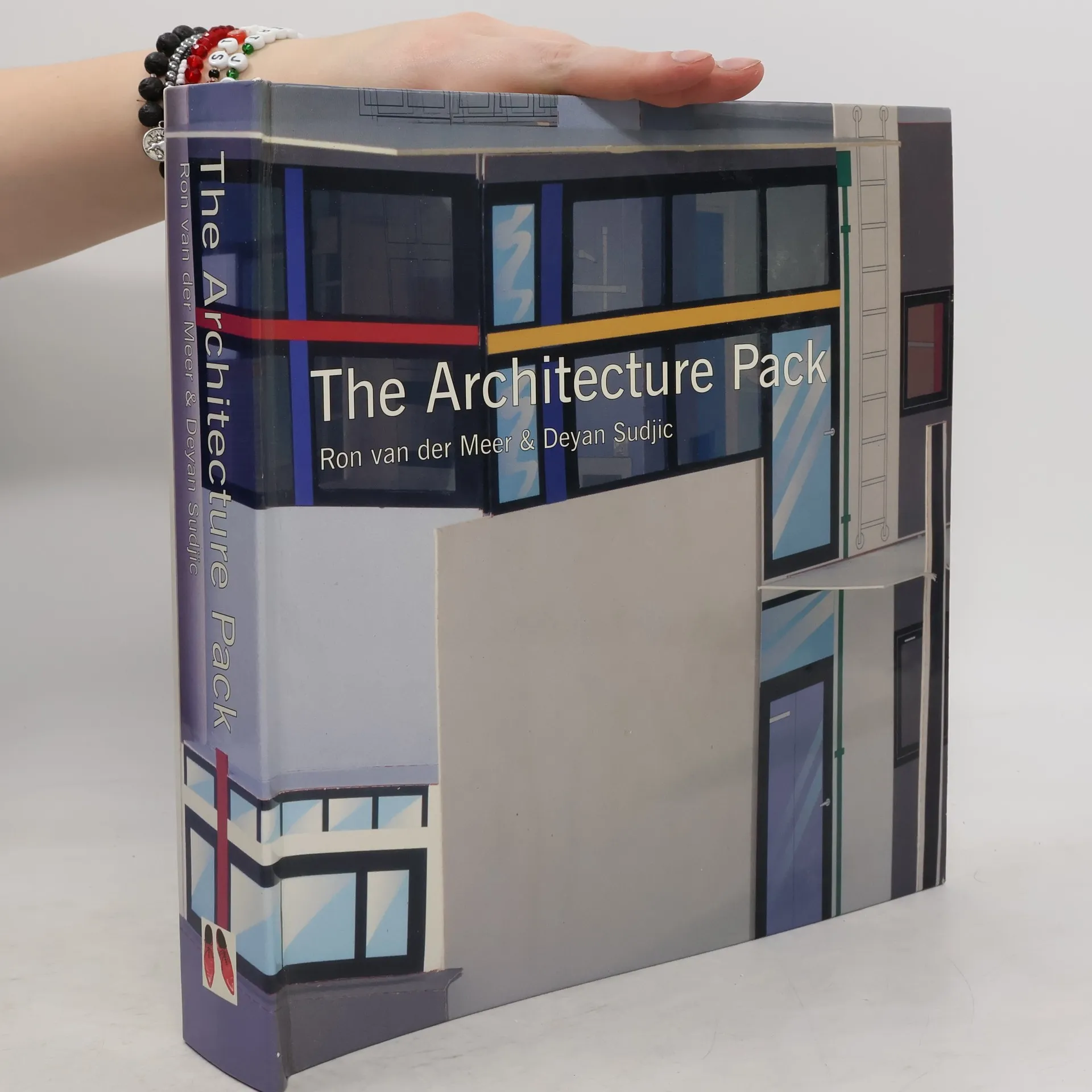
The architecture pack
- 12 Seiten
- 1 Lesestunde
Ron van der Meer, the pop-up wizard who created the ever-popular Art Pack and Music Pack, outdoes himself in this 3-D exploration of our surroundings. He recreates such masterpieces as Chartres Cathedral, a Renaissance palazzo, a Palladian villa, a Chicago skyscraper, the Sydney Opera House, and the Getty Center. 7 spreads with full-color foldouts, pullouts, & popups.
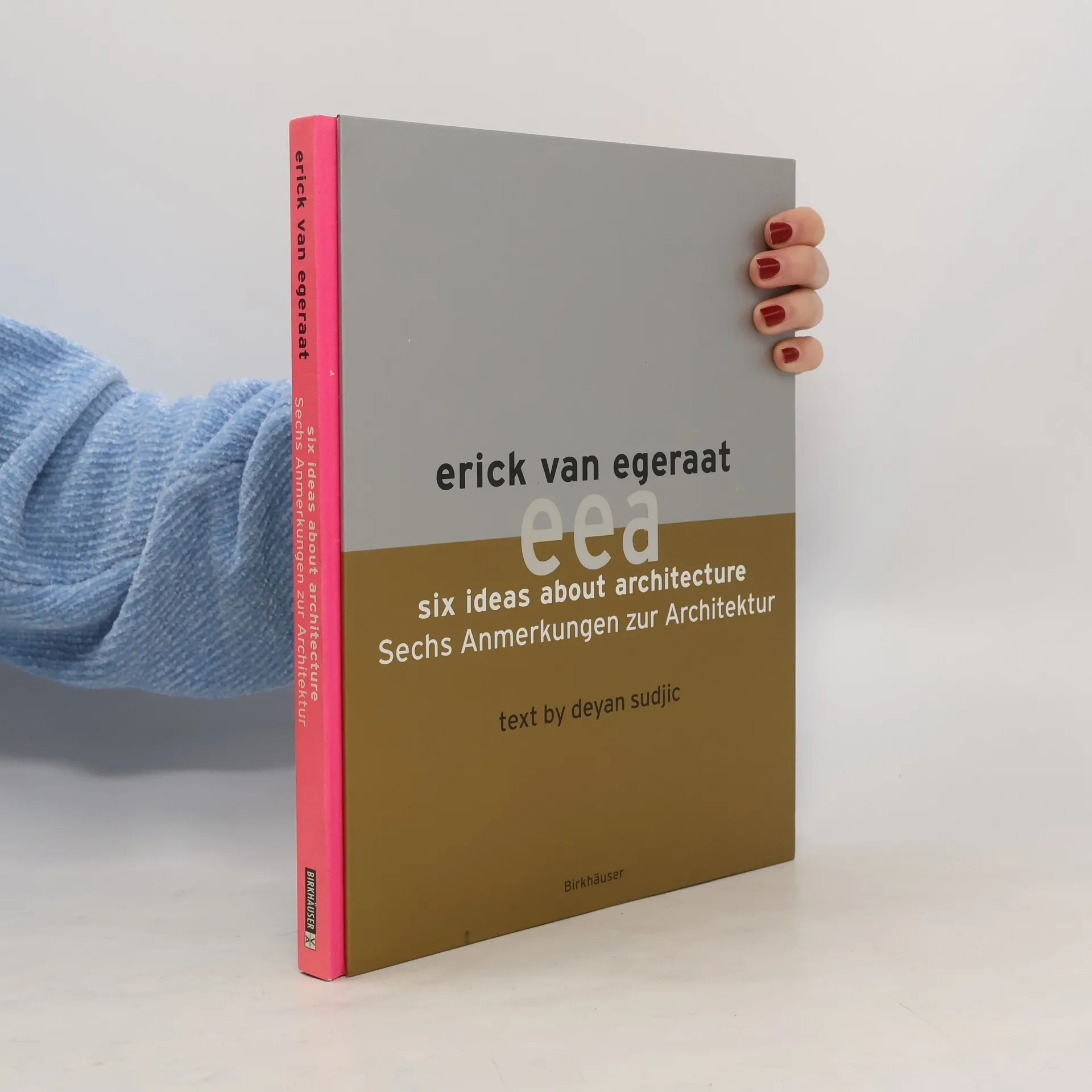
Erick van Egeraat, six ideas about architecture, Sechs Anmerkungen zur Architektur
- 172 Seiten
- 7 Lesestunden
Dass sich Erick van Egeraat 1995 für sein eigenes Büro (nachdem er während zwölf Jahren die Delfter Gruppe "Mecanoo" wesentlich mitgeprägt hatte) den Standort Rotterdam wählte, hat programmatischen Charakter. Der weltoffene, zukunftsfreudige Geist dieser großen Hafenstadt kennzeichnet auch Egeraats Werke. Bei aller Klarheit und Stringenz des Entwurfs wirken seine Gebäude nie kalt und abweisend. Die Monographie gibt ein umfassendes Bild vom gebauten und projektierten Werk Egeraats. Zur Darstellung kommen u.a. Wohnbauten für Rotterdam, Amsterdam, Stuttgart, Dortmund und Dresden, das Parkhotel und das Naturkundemuseum in Rotterdam, das Physikalisch-Astronomische Laboratorium in Leiden, ein Bankgebäude in Budapest, die städtische Kunstgalerie in Cork, die Platzgestaltungen in Groningen und Stuttgart. Sechs Texte von Deyan Sudjic, dem renommierten britischen Architekturkritiker, definieren die Eigenart von Erick van Egeraats Werk und schärfen den Blick für seine subtilen Komplexitäten.
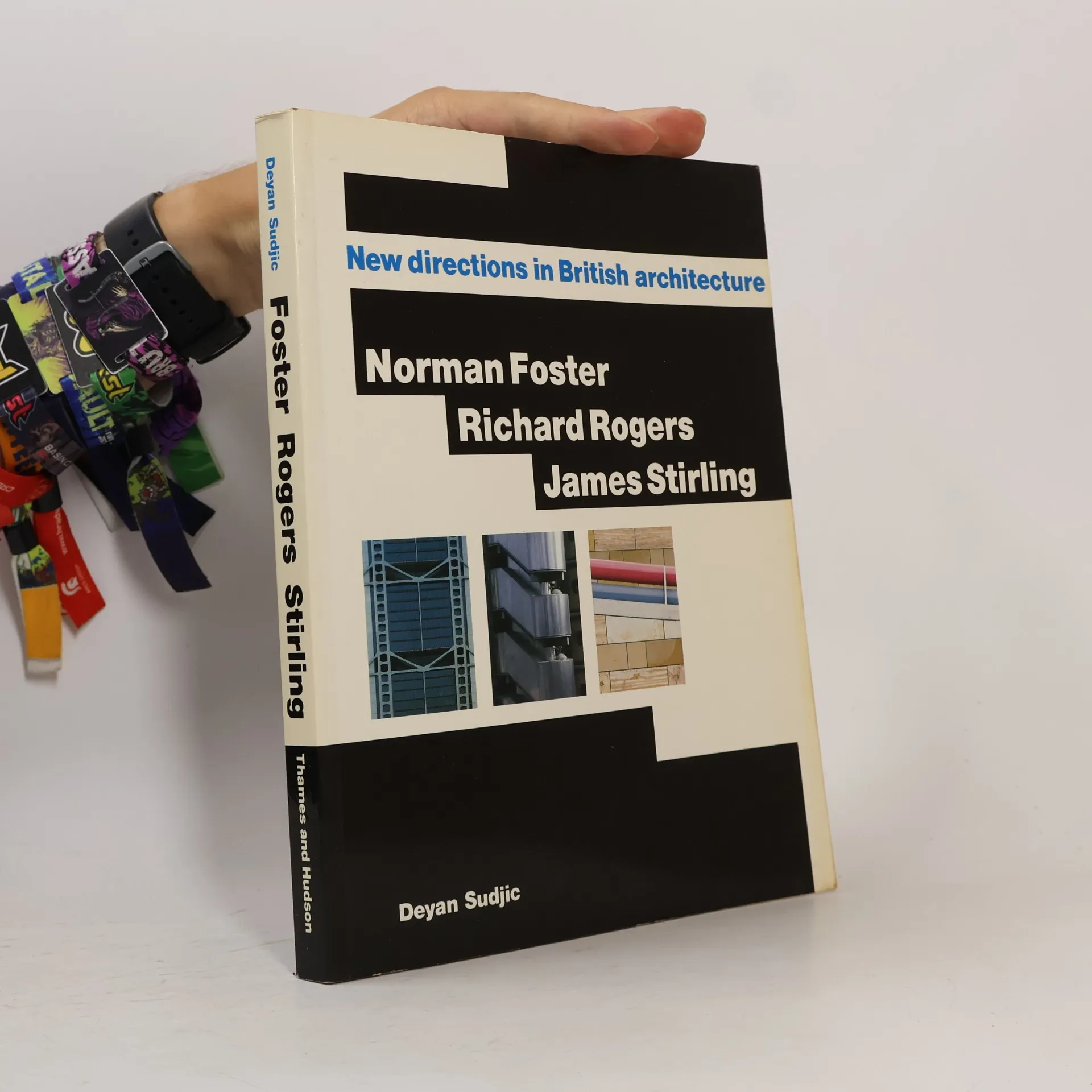
Norman Foster, Richard Rogers, James Stirling
New Directions in British Architecture
- 208 Seiten
- 8 Lesestunden
SUDJIC, NORMAN FOSTER, RICHARD ROGERS, JAMES STIRLING. NEW DIRECTIONS IN BRITISH ARCHITECTURE. LONDON, 1986, 208 p. figuras.Encuadernacion original. Nuevo.
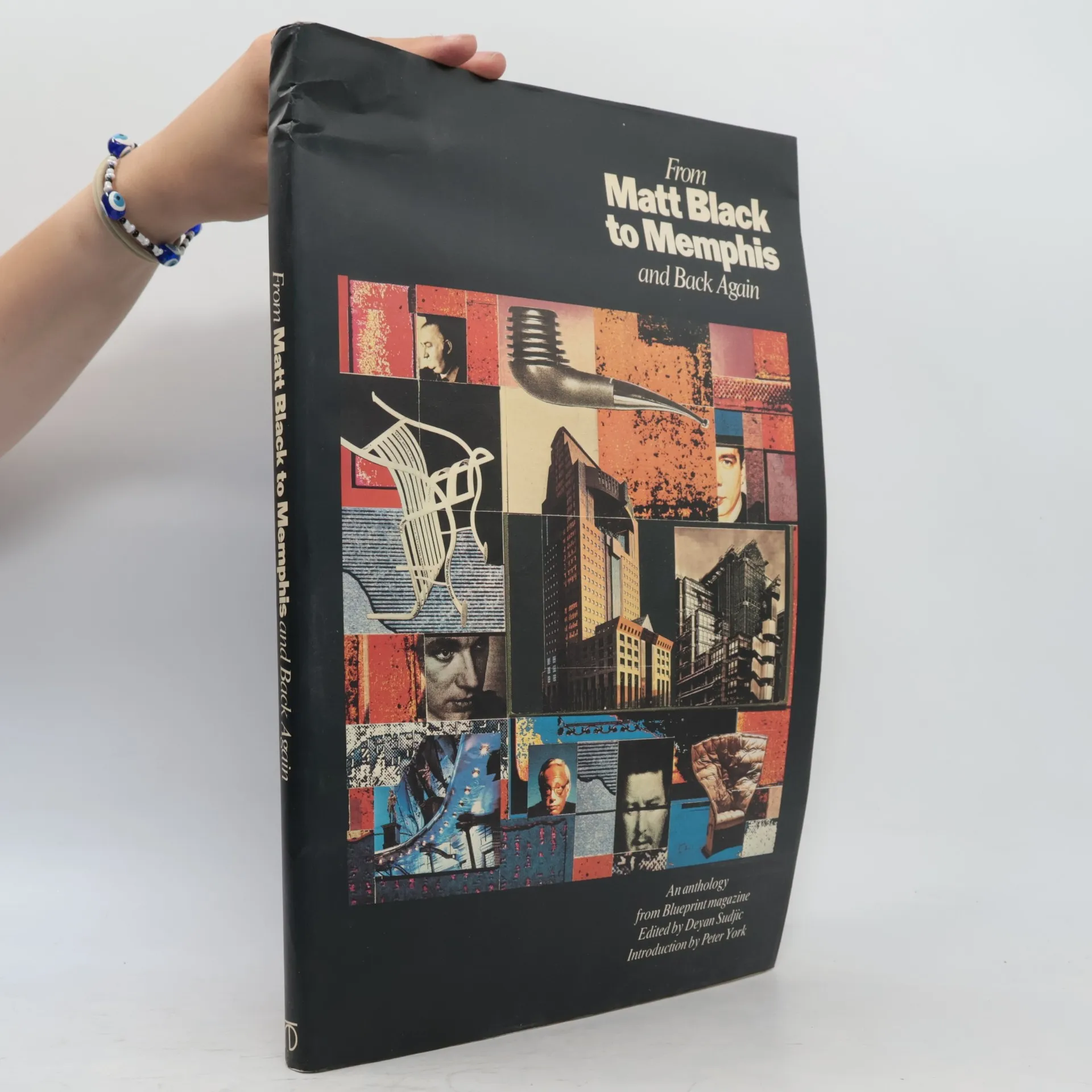
From Matte Black to Memphis and Back Again
- 238 Seiten
- 9 Lesestunden
Originally published in "Blueprint", the European magazine on design and architecture, this anthology contains British writing about British photography on the best international design of the 1980s. It includes cars, fashion, furniture, graphics, newspapers, offices, products, restaurants, shops, profiles of leading architects and designers from Porsche to Graves, the style centres of the world from Los Angeles to Sydney and from Tokyo to Barcelona, trends, design history and polemic. Among Deyan Sudjic's many books are "New British Architecture" and "Cult Objects".
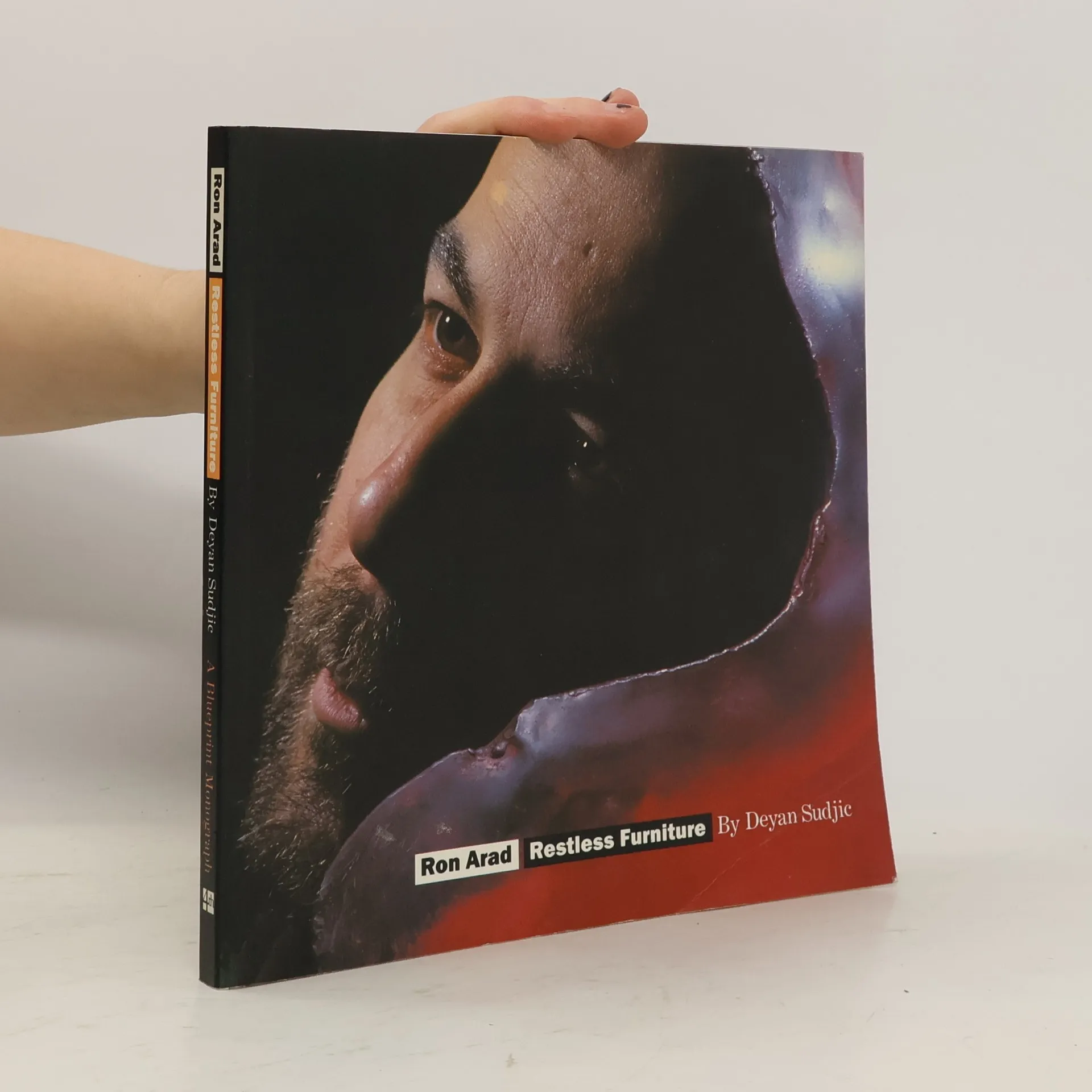
This title in the series devoted to the work of contemporary British architects and designers concentrates on the work of Ron Arad, who designed the first concrete stereo system, made armchairs out of recycled carseats from old Rovers and turned a stack of bricklayers hods into bookshelves.
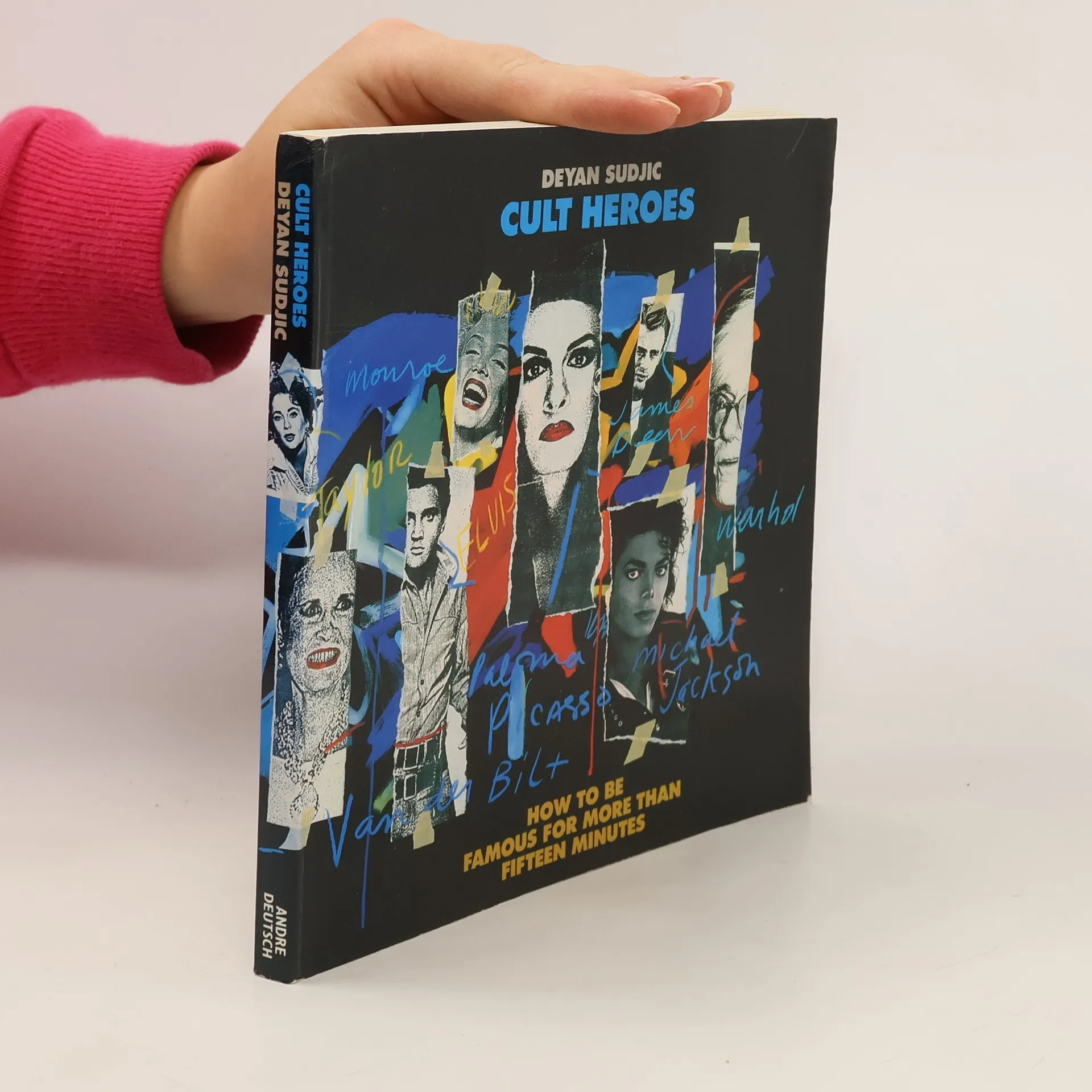
As a key to understanding how popular culture works and the way in which image has become the end product, getting to grips with the cult hero is essential. What makes Liz Taylor's face worth more selling perfume than making films? What persuades Pepsi Cola to spend $20 million buying Michael Jackson's name when he won't even drink their product? And what tempts the would-be fashionable to buy a jacket with Bjorn Borg's name on it? Hardly their skill at blending scent, mixing soft drinks or designing clothes. Rather it is the image that they project and their power as brand names which are in demand as never before.Fame is the primary product of the 1990s, manufactured and exploited with all the precision of an exact science. Used to sell anything from cars to sunglasses, it has become the most valuable and most perishable of commodities.Cult Heroes is a skeptical and informative survey of a remarkable phenomenon that is transforming everything it touches, from sport to fashion. It explains the strange affair of the brand name skyscraper, and probes the message of Ralph Lauren, offering a highly original interpretation of the meaning of celebrity.
The House Style Book
- 360 Seiten
- 13 Lesestunden
The House Style Book starts by explaining exactly what makes a house or apartment look stylish, illustrating and describing in depth today's most influential new or classic design trends. Five complete homes in which their very different owners have transformed theory into practice follow together with a variety of room-by-room surveys from floor to ceiling and from fabrics to fixtures. Hundreds of fresh ideas are offered on how to achieve a personal style on your own or by employing a professional designer/decorator.