

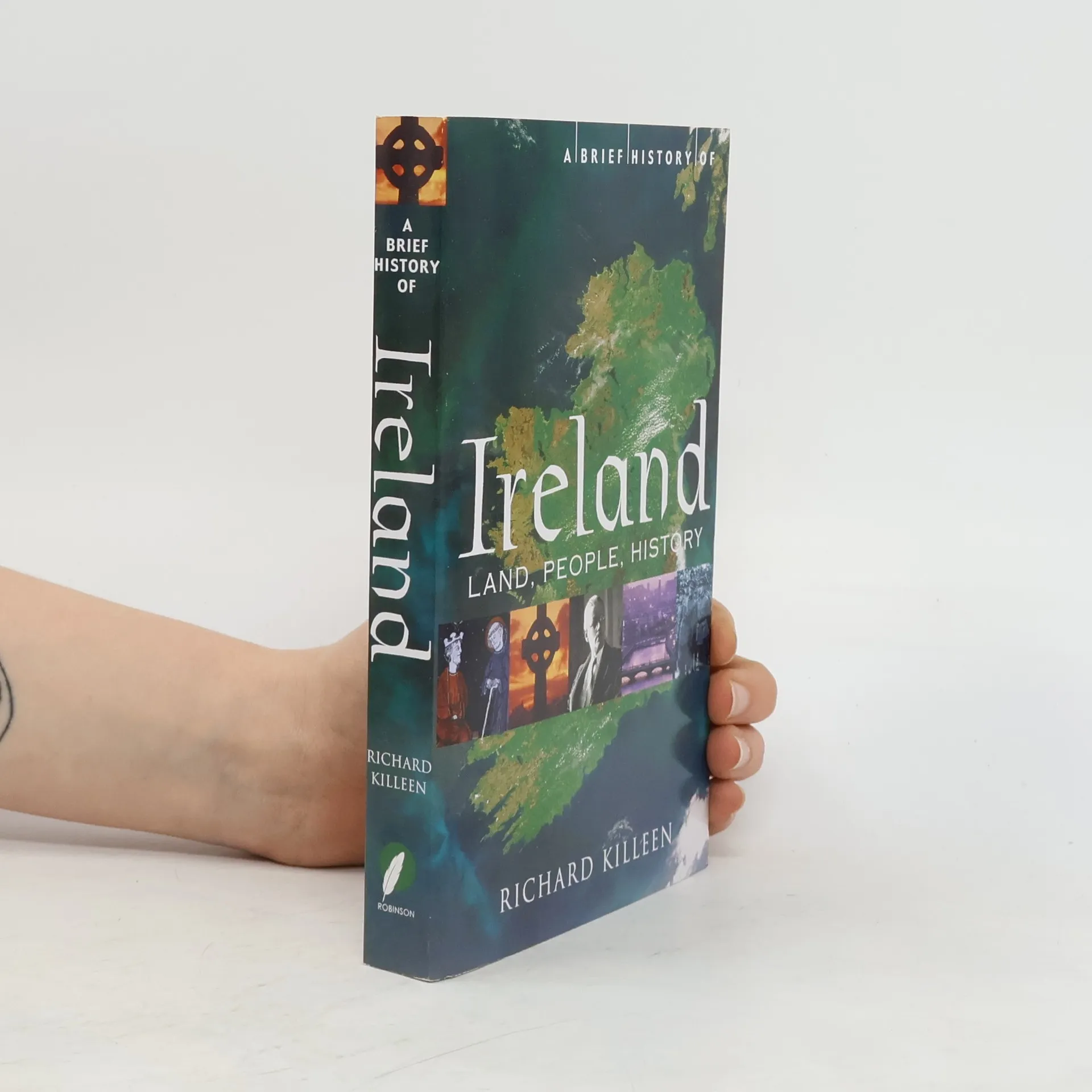
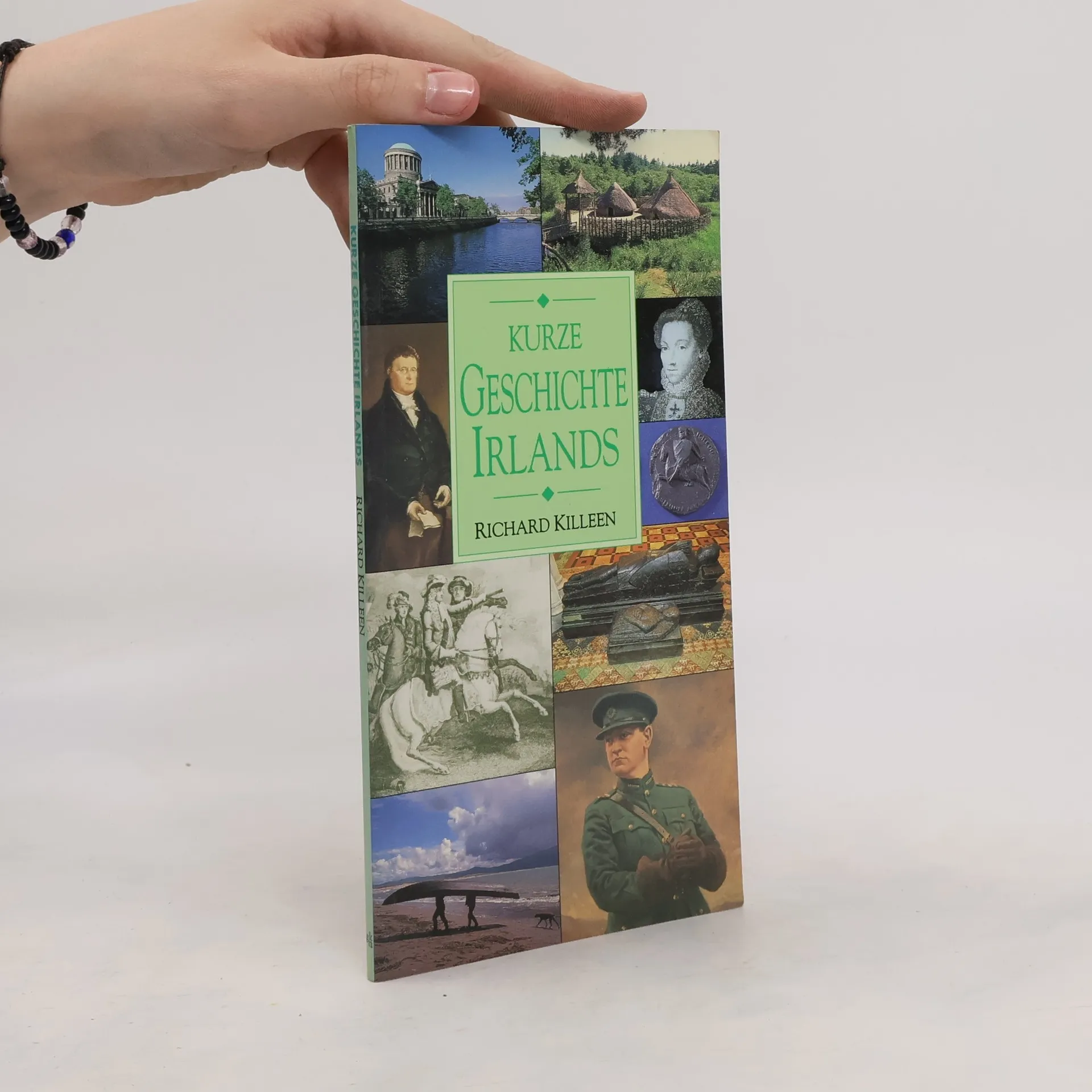
This is a pocket-sized history of Ireland, from Viking and Norman invasions, Plantation and the Cromwellian wars to the present. Written for visitors and holidaymakers, and published simultaneously in English, French and German, this book is designed as an introduction to Irish history.
Richard Killeen Bücher
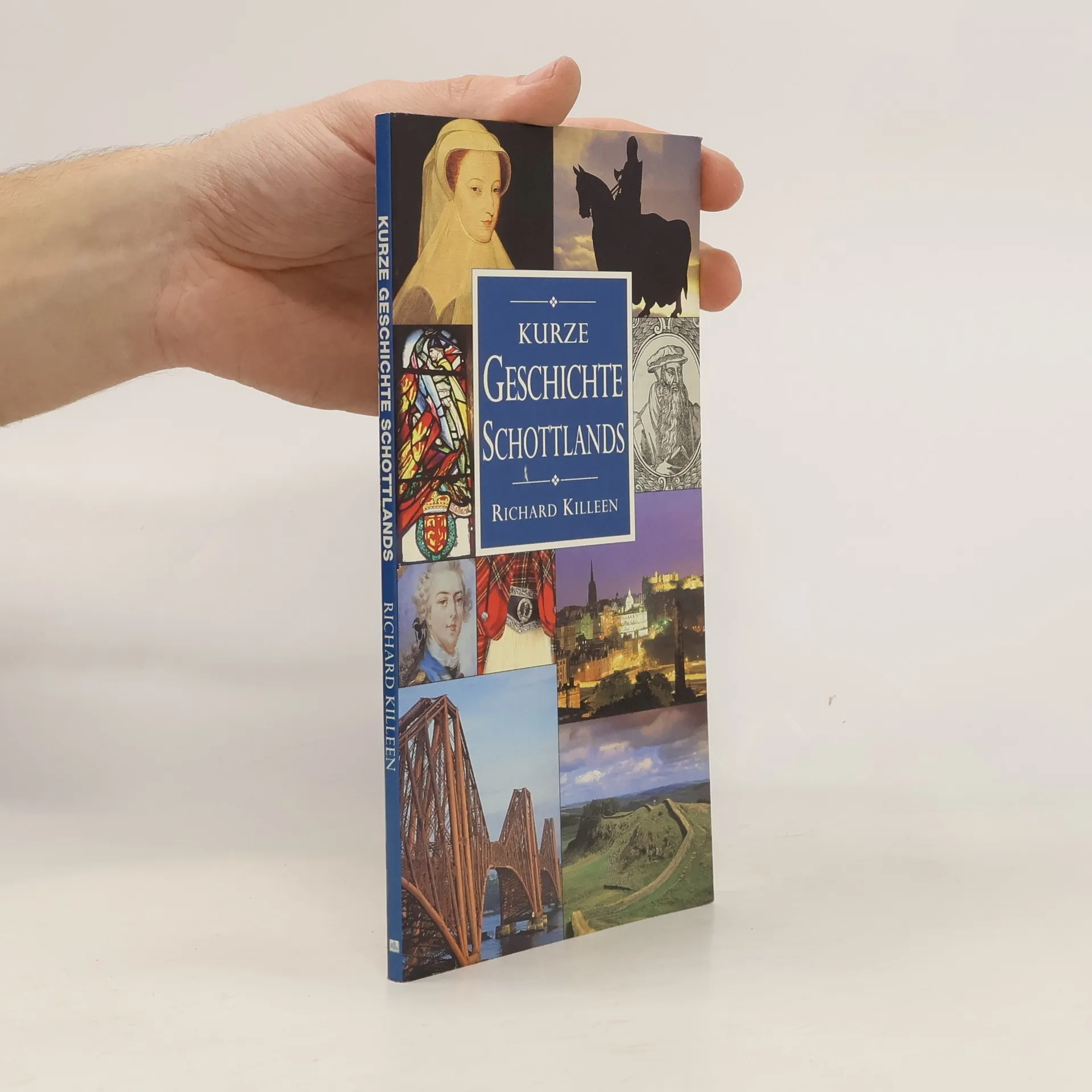
Eine prägnant geschriebene und autoritative Zusammenfassung der Geschichte Schottlands, die mit über 150 Fotografien, Gemälden und Zeichnungen hervorragend illustriert ist. Dieses kleine Buch umfasst den gesamten Lebensspanne in Schottland von der Steinzeit bis zu den 1990er Jahren.
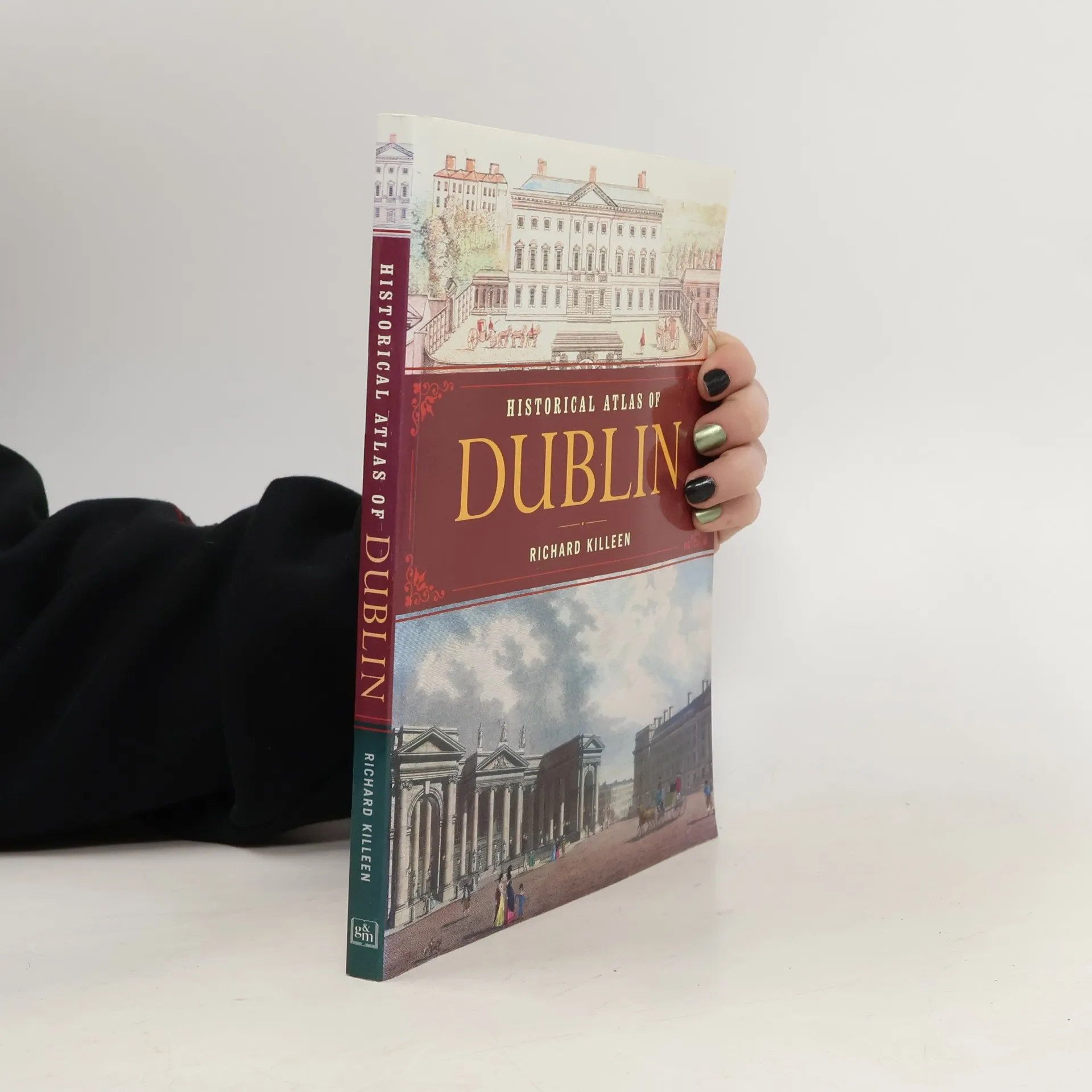
Historical Atlas of Dublin
- 176 Seiten
- 7 Lesestunden
Dublin began as a Viking trading settlement in the 10th century, strategically positioned for quick access to a major British port. By the arrival of the Normans in the late 12th century, it was already vital for communication between the English crown and its Irish lordship. During the medieval and early modern periods, the city's significance was primarily ecclesiastical and strategic, lacking in learning, fashion, or commerce. The establishment of Trinity College in 1592 marked a turning point, but real development did not occur until the 18th century, leading to the creation of elegant Georgian streets and impressive public buildings. However, the union years brought decline, with aristocratic homes falling into disrepair and becoming tenements. By the time Joyce depicted it, Dublin was seen as "the centre of paralysis." Independence brought some restoration, yet poverty and neglect persisted. It wasn't until the 1990s that Dublin began to reinvent and revitalize itself. The book features twelve engaging chapters detailing the political, social, and economic history of Dublin, complemented by over thirty colorful maps and illustrations, providing a comprehensive view of the city's evolution from its origins to the present.
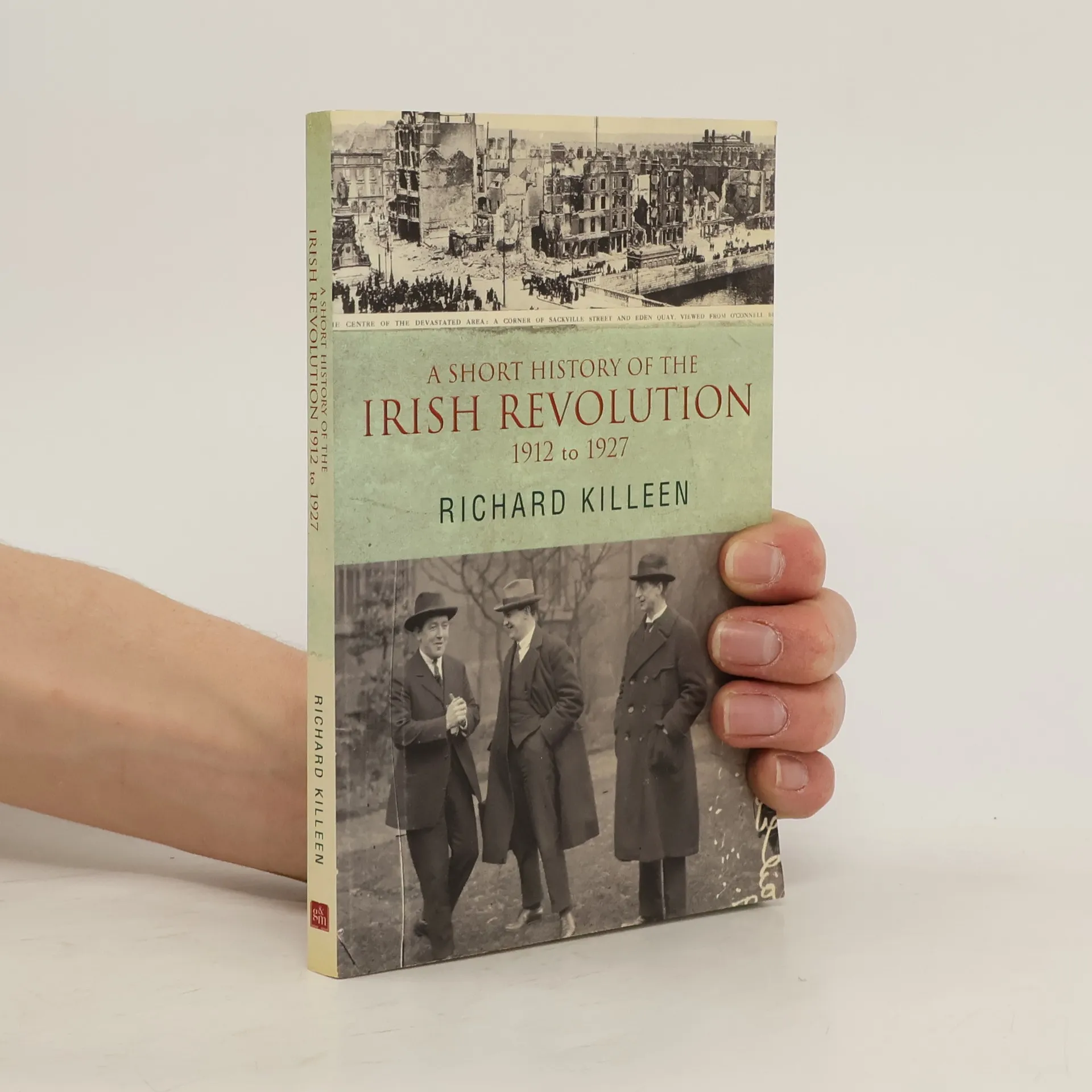
The most critical period in modern Irish history is covered in this authoritative, informed overview. A perfect introduction for non-specialists.
The story of Ireland has been wrapped in mythology and legend. Since its very origins, the island has become the home for a successive series of invadersthe Celts, Christians, Vikings, and Normans. And despite deprivation, desperation, and suppression, Ireland has developed an unwavering sense of purpose and place.
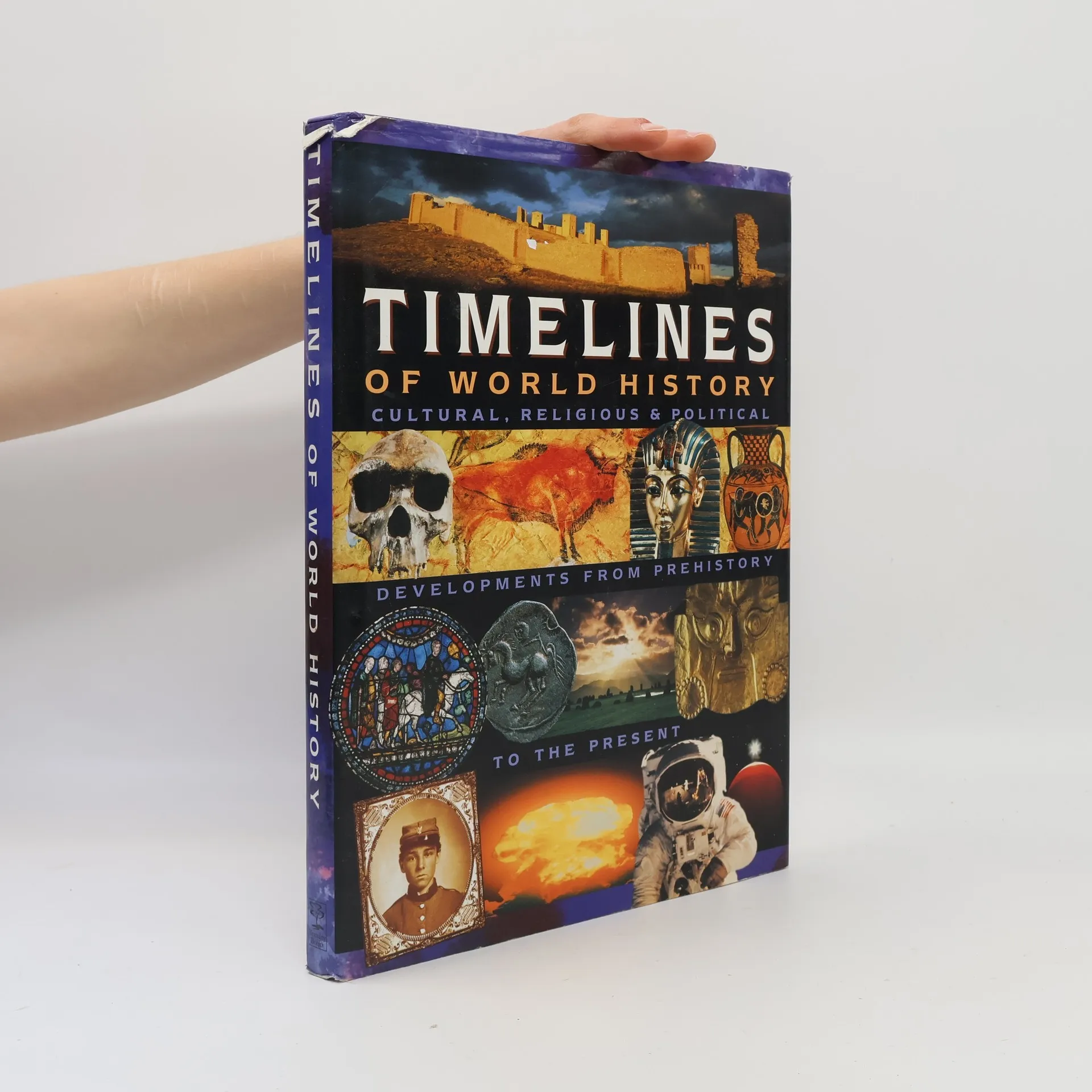
Timelines of World History
Cultural, Religious & Political - Developments from Prehistory to the Present
- 160 Seiten
- 6 Lesestunden
Delightful "child-sized books" are perfect for sharing.