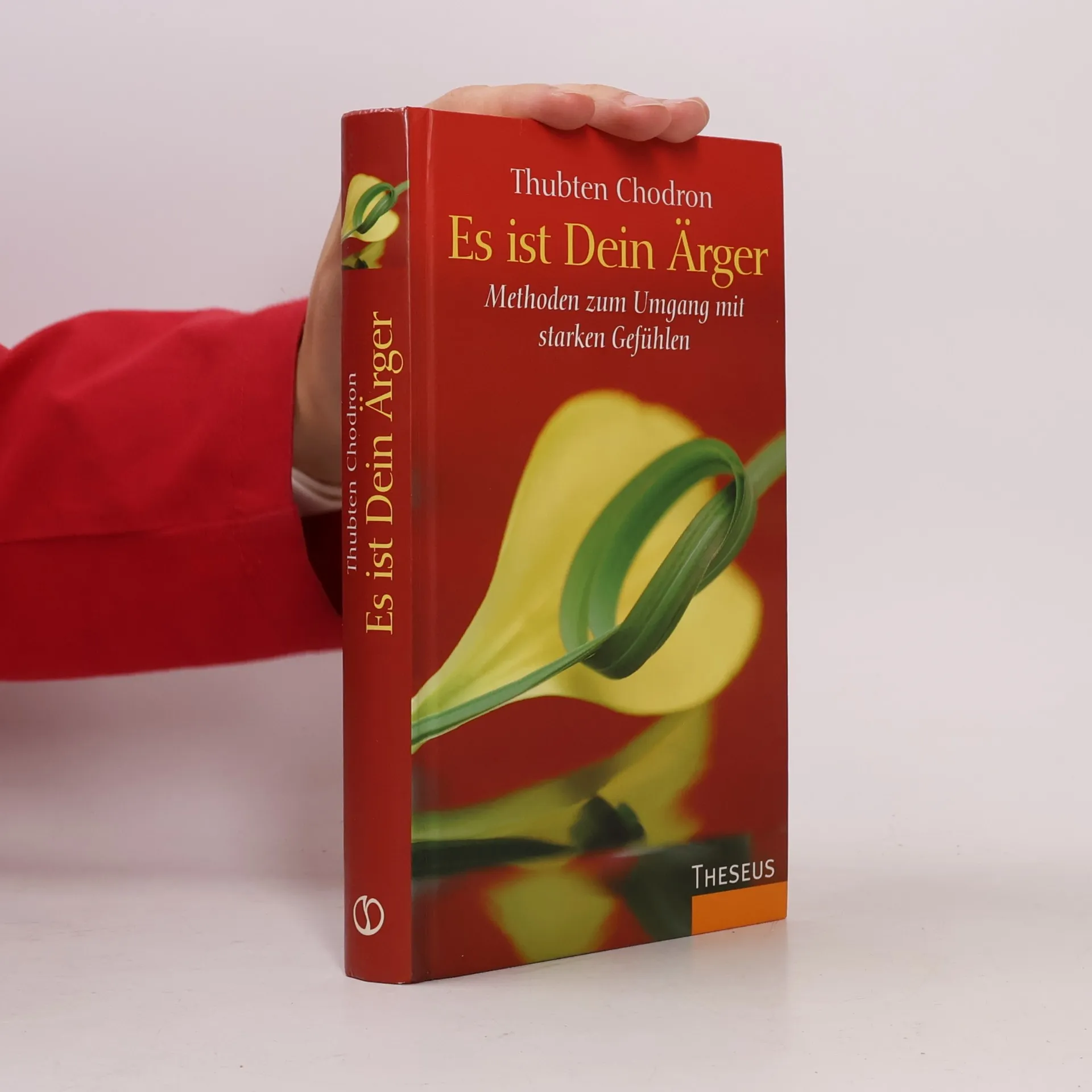
Wir alle werden von unangenehmen Gefühlen wie Ärger, Eifersucht, Neid, Wut usw. geplagt und möchten diese meist gerne loswerden. Wenn wir Menschen wie den Dalai Lama erleben, der Schlimmes erlebt hat und doch so ausgeglichen wirkt, können wir sehen, dass wir offenbar diesen Gefühlen nicht zwingend ausgeliefert sein müssen. Die Autorin Thubten Chodron zeigt hilfreiche Wege aus tibetisch-buddhistischer Tradition auf, um mit schwierigen Umständen und Gefühlen umgehen zu lernen - auf andere Weise, als wir es gewohnt sind. Es ist möglich, sich von Ärger und vielen weiteren plagenden Emotionen zu befreien, doch nicht dadurch, dass wir die Dinge verändern, sondern indem wir eine andere Haltung dazu finden. Anstatt ständig zu kämpfen, können wir lernen, zu einem unerschütterlichen inneren Frieden zu finden und in Harmonie mit uns selbst und unserer Umwelt zu leben.
Thubten Chodron Bücher
Ehrwürdige Bhikshuni Thubten Chodron versteht es meisterhaft, die praktische Anwendung der Lehren Buddhas für das tägliche Leben zu vermitteln. Sie teilt ihre Erkenntnisse auf eine klare und zugängliche Weise, die beim westlichen Publikum Anklang findet. Ihre Lehren sind bekannt für ihre herzliche, humorvolle und luzide Darbietung, die es den Lesern ermöglicht, die buddhistische Philosophie mühelos in ihr Leben zu integrieren. Sie gründete die Sravasti Abbey, um die Ausbildung in der tibetischen buddhistischen Tradition für westliche Praktizierende zu fördern.


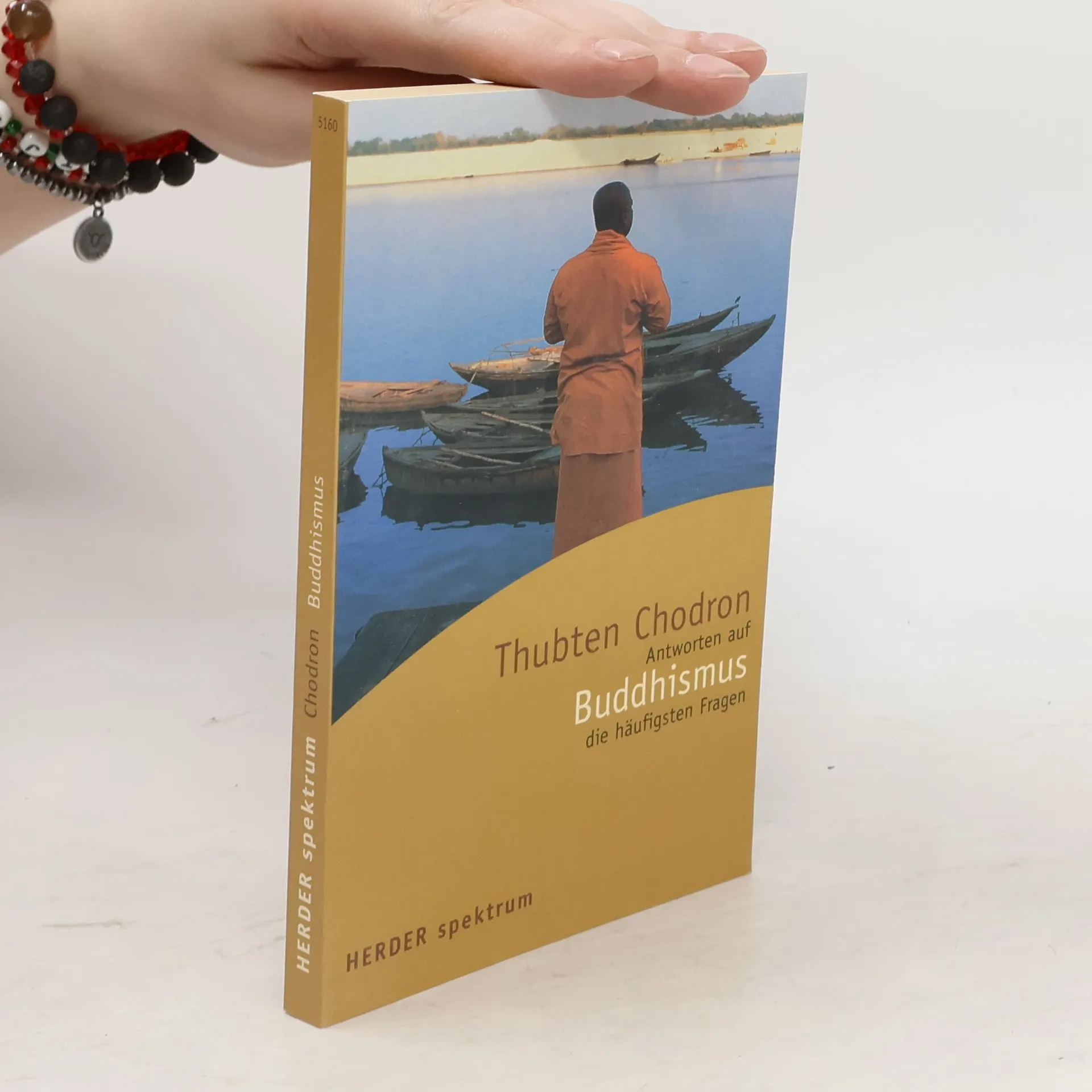
Dieses Buch richtet sich an Menschen, die die grundlegenden Prinzipien des Buddhismus verstehen und in ihr Leben integrieren möchten. Es bietet einfache Antworten auf häufig gestellte Fragen, beginnend mit „Was ist das Wesen der Lehren Buddhas?“. Die Antworten von Thubten Chodron auf die Fragen, die oft von Menschen gestellt werden, die sich dem Buddhismus nähern, machen dies zu einer besonders umfassenden und zugänglichen Einführung sowie zu einem Handbuch für ein friedlicheres, achtsameres und erfüllteres Leben. Es ist ein ideales Einstiegsbuch für alle, bietet jedoch auch erfahrenen Schülern wertvolle Informationen, da das Frage-Antwort-Format es erleichtert, genau das Thema zu finden, das man sucht, wie zum Beispiel: • Was ist das Ziel des buddhistischen Weges? • Was ist Karma? • Wenn alle Phänomene leer sind, bedeutet das, dass nichts existiert? • Wie können wir mit Angst umgehen? • Wie etabliere ich eine regelmäßige Meditationspraxis? • Welche Eigenschaften sollte ich bei einem Lehrer suchen? • Was ist Buddha-Natur? • Warum können wir uns an unsere früheren Leben nicht erinnern?
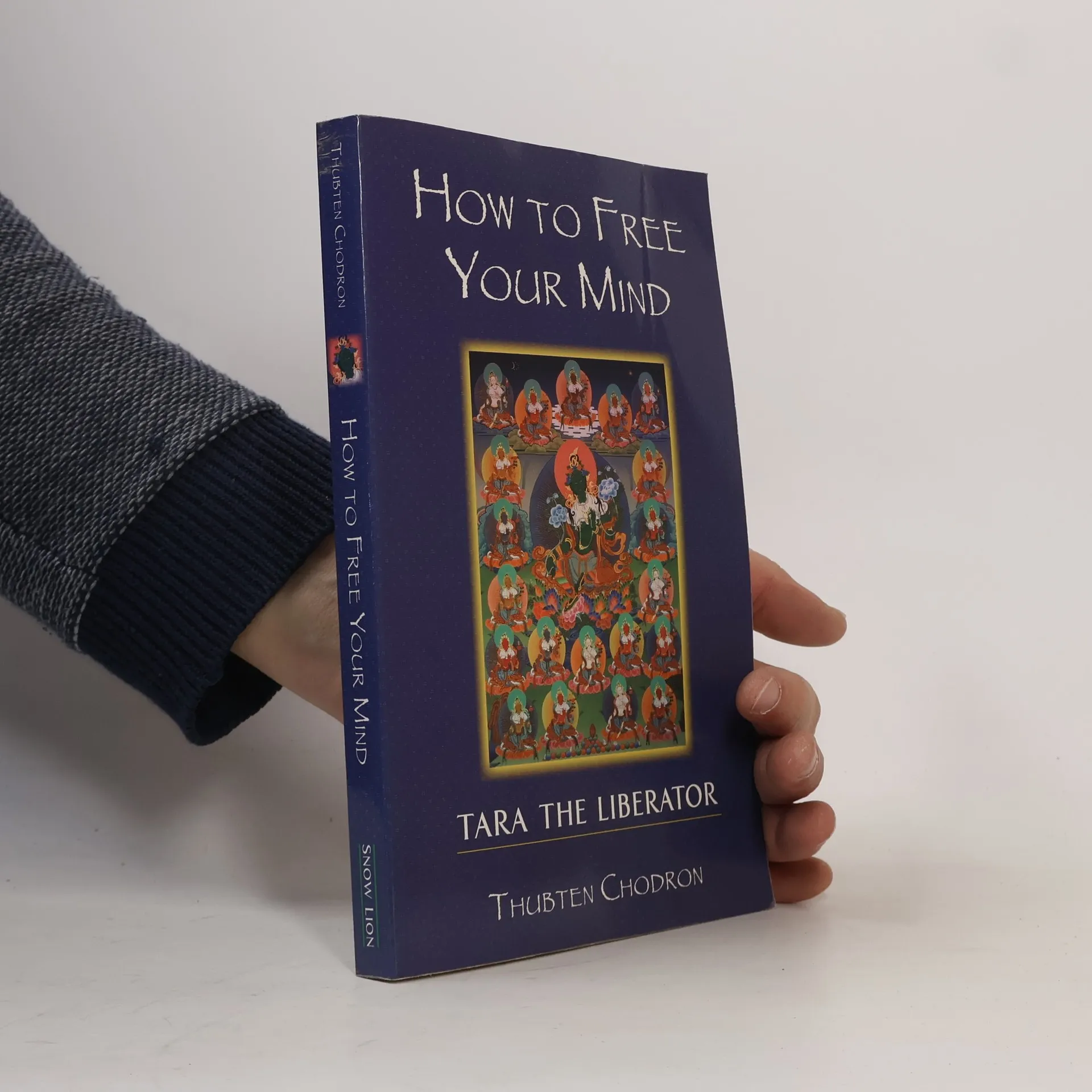
Die verehrte Gottheit Tara ist die feminine Verkörperung der Erleuchtung. Seit Jahrhunderten wenden sich Praktizierende an sie, um Schutz vor äußeren und inneren Gefahren, von Feuer bis Arroganz, zu suchen. Dieses gut geschriebene Buch im Gesprächsstil ist ein autoritativer Leitfaden zur Praxis von Tara. Es enthält sehr hilfreiche Kapitel über die Gründe und Methoden verschiedener Tara-Praktiken sowie einen Kommentar zu "Huldigung an die einundzwanzig Taras."
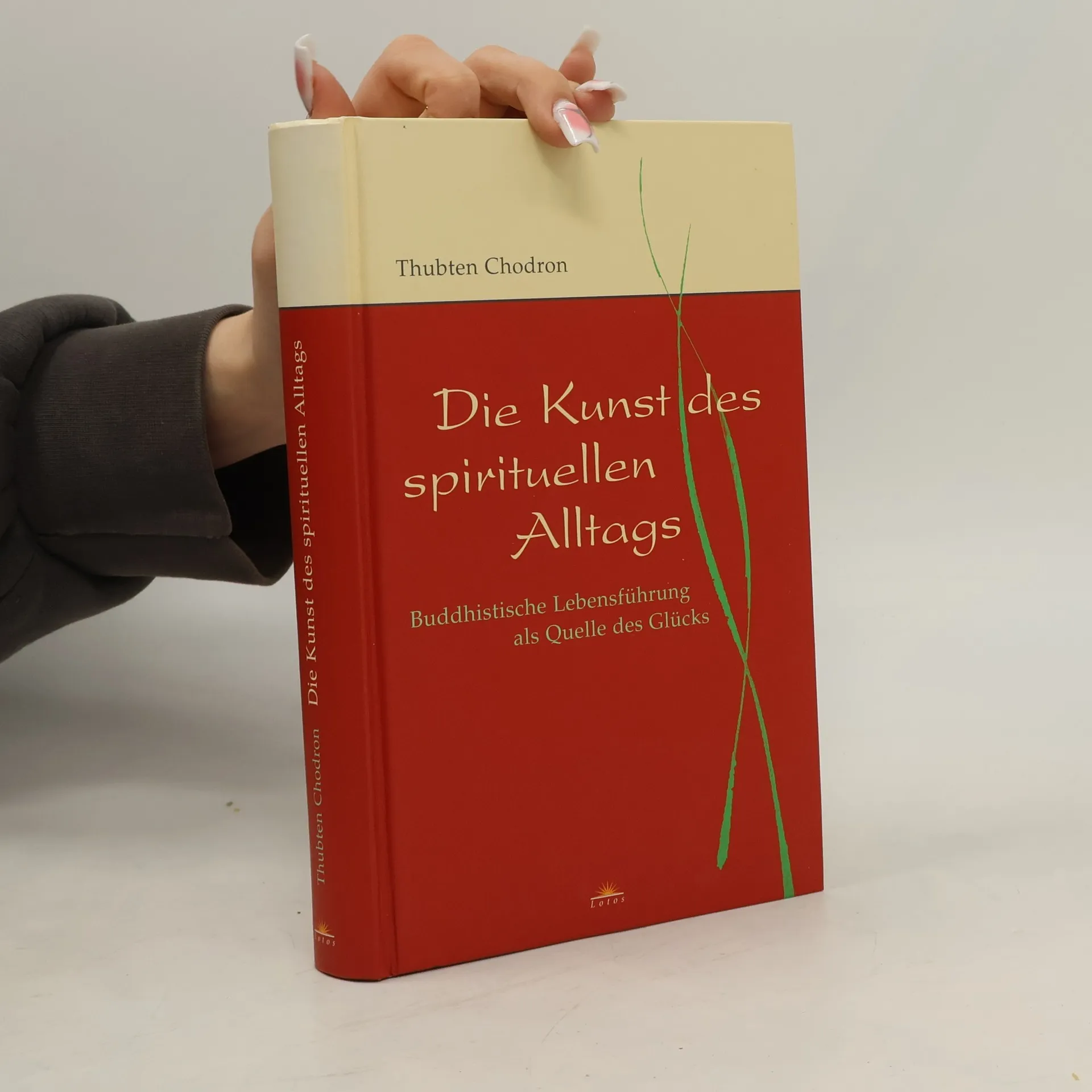
Buddhistische Lebenshilfe - nicht nur für Buddhisten - Die bewusste Gestaltung zwischenmenschlicher Beziehungen nach spirituellen Prinzipien - Die Überwindung von Gewohnheiten und Abhängigkeiten, die unser persönliches Wachstum behindern - Wie innere Unabhängigkeit von äußeren Umständen zu erreichen ist
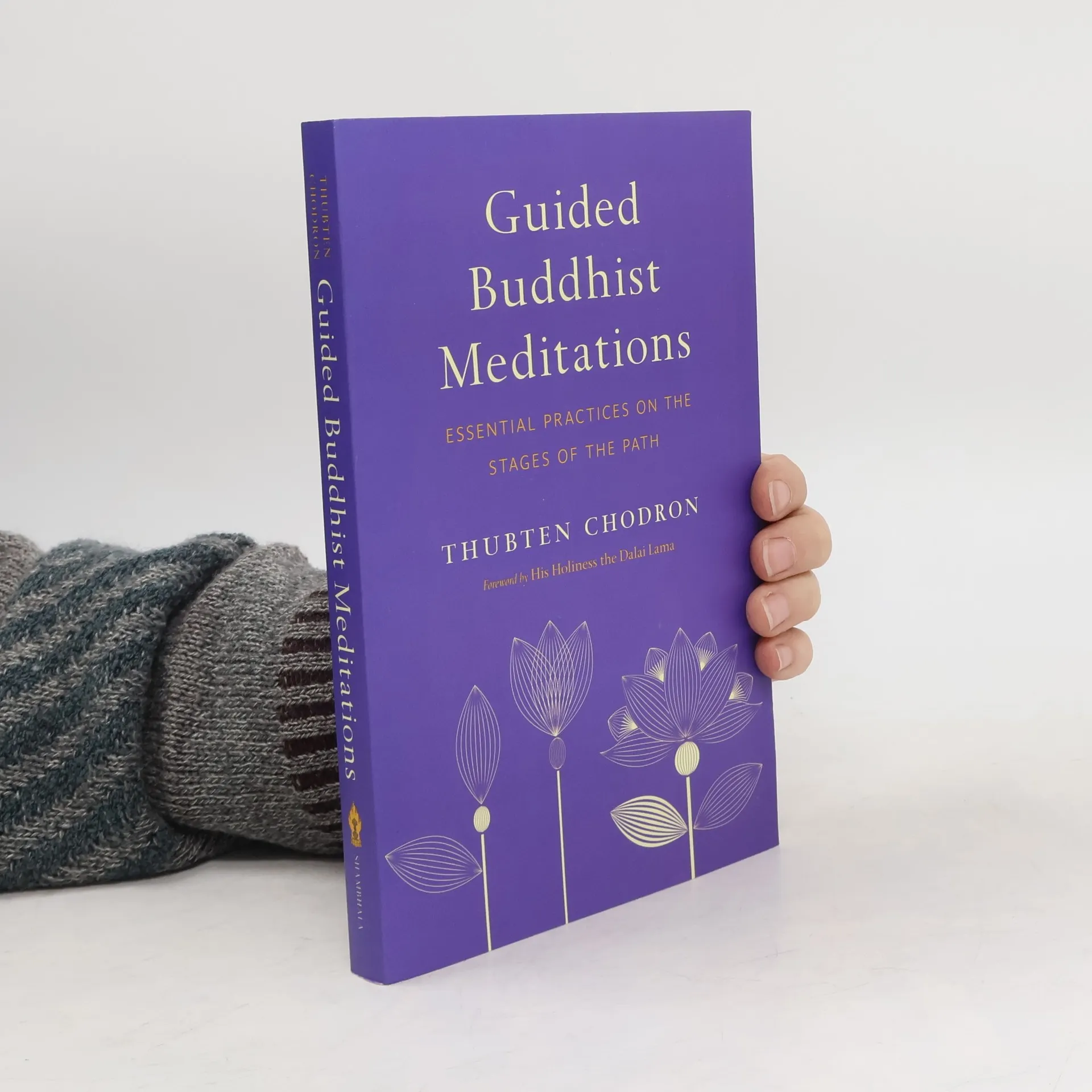
Guided Buddhist Meditations
- 176 Seiten
- 7 Lesestunden
A new edition of a Buddhist classic, an accessible introduction to the stages of the path (lamrim)--including 14 hours of downloadable audio meditations. The Stages of the Path, or lamrim, presentation of Buddhist teachings (a step-by-step method to tame the mind) is a core topic of Buddhist study. The lamrim meditations remind us that the process of transforming the mind, unlike so much of our frantic modern society, is a slow and thoughtful one. Best-selling author and Buddhist teacher Thubten Chodron here provides clear explanations of the stages of the path, as well as an accompanying downloadable audio program containing over fourteen hours of guided meditations on each of the topics covered in the text. Chodron discusses how to establish a daily practice and presents the meditations in detail, followed by advice for newcomers, instructions for working with distractions, antidotes to mental afflictions, and suggestions on how to deepen Dharma practice. Each practitioner will find meaning and insight according to their own skill level.
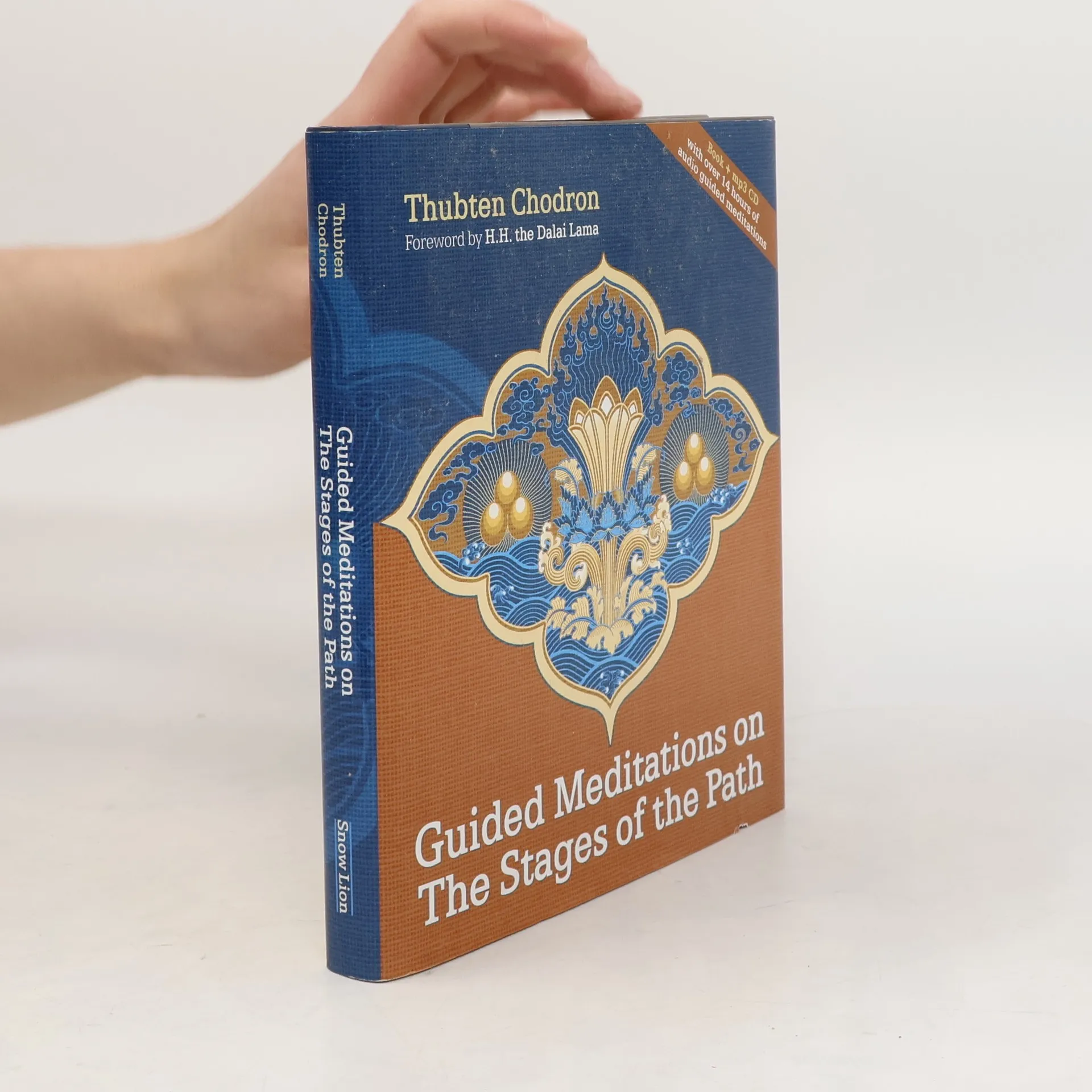
Guided Meditations on the Stages of the Path
- 224 Seiten
- 8 Lesestunden
The lamrim (stages of the path) presentation of Buddhist teachings has become essential in many Western Buddhist centers, offering busy practitioners a concise overview of the Buddhist path. Thubten Chodron, a best-selling author, skillfully presents these teachings with clear explanations of each stage. Accompanying downloadable MP3 links provide guided meditations on the topics discussed. Chodron likens the meditation teachings of lamrim to ready-made clothes—systematized for immediate use, allowing for organized learning and practice. The term "gradual path" emphasizes the slow and thoughtful process of mind transformation, contrasting with the haste of modern life. This systematic approach helps individuals tame their minds, offering insights tailored to their understanding. Repeated practice of these meditations deepens comprehension, even as the guiding words remain constant. The first section covers establishing a daily practice, setting up an altar, and the two types of meditation: stabilizing and analytical. The second section presents the meditations, while the third offers an overview, strategies for dealing with distractions, and advice for newcomers. The downloadable audio features over fourteen hours of guided meditations by Chodron, providing personal guidance for those distant from Buddhist teachers or centers, facilitating the initiation and continuation of a daily meditation practice. This edition is a new a
In his Precious Garland, a classic of Indian Buddhist philosophy, Nagarjuna advises a king on how best to secure a happy rebirth while making progress toward the ultimate goal of enlightenment. In Practical Ethics and Profound Emptiness, Khensur Jampa Tegchok walks us through the Precious Garland, drawing out the implications of its arguments and grounding its advice in our world today, with equal measures of penetrating explanation and inspiring encouragement.
37 Practices of Bodhisattvas
- 200 Seiten
- 7 Lesestunden
Dual language Tibetan and Biography from Rigpa Gyalsé Ngulchu Tokmé (Tib. རྒྱལ་སྲས་དངུལ་ཆུ་ཐོགས་མེད་, Wyl. rgyal sras dngul chu thogs med) or Tokmé Zangpo (ཐོགས་མེད་བཟང་པོ་, Wyl. thogs med bzang po) (1297-1371), was born in Puljung, south west of the great Sakya Monastery. He was born in the Wood Sheep year of the fifth sexagenary cycle. An extremely learned scholar, he studied an infinite number of teachings from all traditions. His every instant was devoted to the Dharma which he spread through composition, teaching and debate.He could teach with total confidence on any subject or text. Also, he was able fully to take upon himself the suffering of others and to give them his wellbeing, and without any expectation as to the result, he was extremely generous to all, particularly the poor, the destitute and the suffering. He met buddhas and deities such as Avalokiteshvara and Tara face to face. He taught many of the greatest teachers of his time in Central Tibet, such as Khenchen Lochen Changchup Tsemo (1303-1380), Butön Rinchen Drup (1290-1364), great Sakya masters and so on. He was served as abbott at the Bodong E monastery. He passed away at the age of 74 amidst wondrous signs of realization.
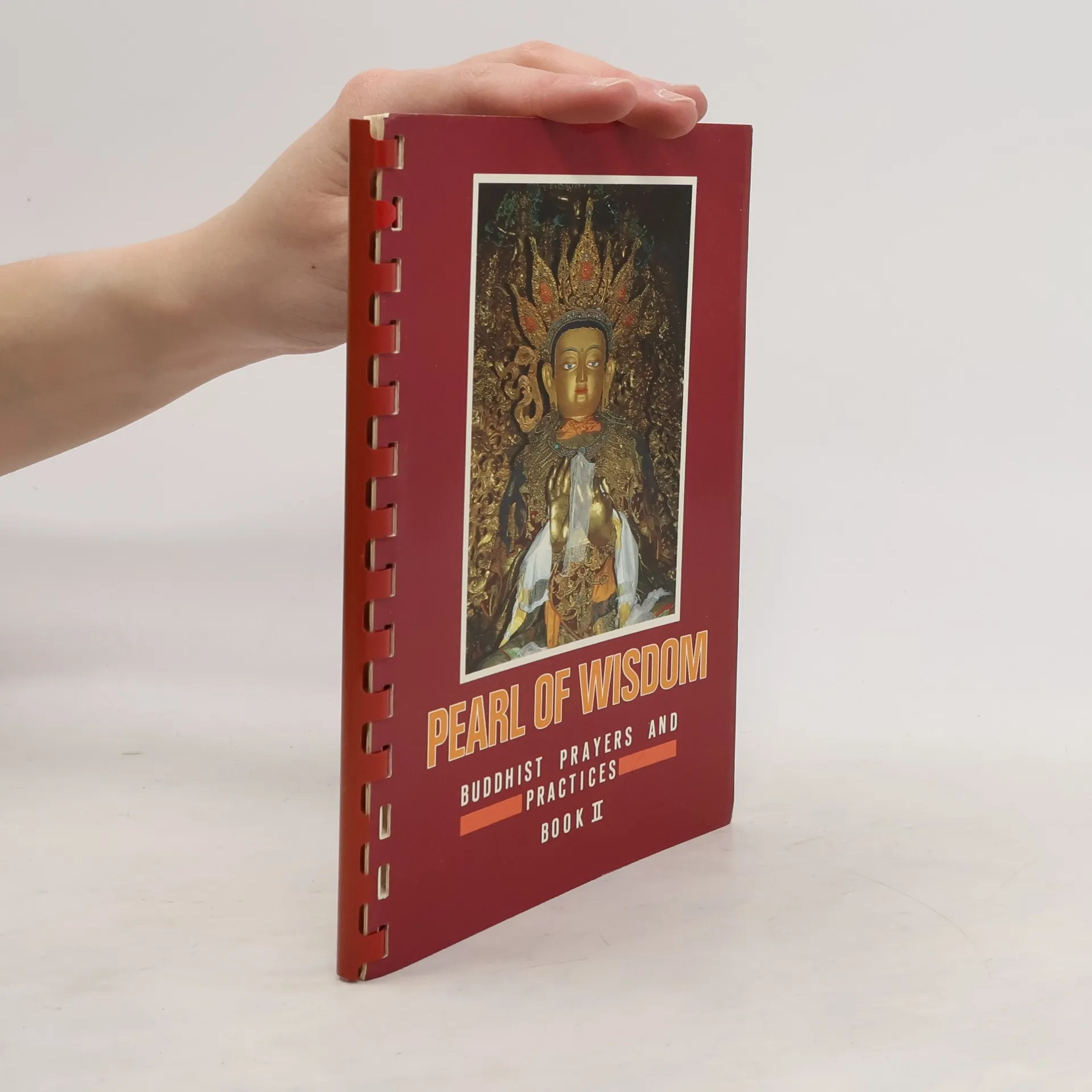
Pearl of Wisdom
Buddhist Prayers and Practices. Book II
This practical introduction to Buddhism focuses on the application of Buddhist psychology to modern life. Thubten Chodron, an American Buddhist nun, presents the basic points of this path for understanding ourselves and improving the quality of our lives. In a straightforward style and with warmth and humor, Chodron gives us the fundamental points of the Buddha's teaching on transforming habitual attitudes and realizing our full human potential.
Pearl of Wisdom Book II is for people who have already begun the practice of Buddhism of the Tibetan tradition. In it are contained prayers and practices commonly taught and practiced in the centers of the Foundation for the Preservation of the Mahayana Tradition. The same prayers and practices are done repeatedly in order to gain familiarity and experience with the. We "practice Dharma" precisely because we are not yet able to do it perfectly. By repeatedly training in the practices included in this book under the guidance of a qualified teacher, we gradually learn to do the practices well, thereby transforming our mind and improving the quality of our daily life.
Chenrezig (Avalokiteshvara / Kuan Yin) is not only Tibet’s patron deity, he also is the embodiment of the compassion of all the Buddhas and as such is deemed the best possible contemplative gateway to the cultivation of compassion. In this book, which has received high praise from monastics and lay Buddhist scholars alike, the American-born nun Ven. Thubten Chodron lucidly and engagingly elucidates the Tibetan Buddhist yoga of Chenrezig. Her explanations are based not only on scriptural but also oral teachings, which makes them eminently authoritative and practical. Essentially, Cultivating a Compassionate Heart is a knowledgeable, highly practical, and fairly extensive commentary on the Chenrezig sadhana. The book starts with the Thousand-Armed Chenrezig visualization and the preliminary prayers found in most sadhanas and the long mantra of Chenrezig. Only then does the author proceed to explaining the various concepts that make up the theoretical underpinnings of this extraordinary practice.
Good Karma
- 256 Seiten
- 9 Lesestunden
Training the mind in the habit of happiness--enlightening commentary on a classic Tibetan Buddhist teaching poem by a popular modern teaching nun. Lojong, or "mind-training" is a practice that has gained astonishing popularly in recent years--because it works in transforming hearts and minds. Here is a presentation of lojong teachings that predates the "slogan" practice with which people have become so familiar through the books of Pema Chödrön and others, and that is every bit as powerful for imbuing the mind with intelligence and the heart with compassion. It is Thubten Chodron's commentary on a Tibetan poem with the imposing title "Wheel of Sharp Weapons." It is, as the title of this book indicates, an explanation of how karma works in our lives. But in explaining how to create good karma and avoid the negative effects of bad karma, it shows us how to live our lives with kindness and honesty--which makes things better not only for ourselves, but also for everyone else in the world.
The beloved deity Tara is the feminine embodiment of enlightenment. For centuries practitioners have turned to her for protection from both external and internal dangers, from fire to arrogance. This well-written book presented in conversational style is an authoritative guide to the practice of Tara. It includes very helpful chapters on the whys and hows of various Tara practices as well as a commentary on the "Homage to the Twenty-one Taras."
Awaken Every Day
- 400 Seiten
- 14 Lesestunden
Daily dharma teachings on compassion, wisdom, mindfulness, and joy--ideal for creating moments of peace and reflection in our chaotic world. Awaken Every Day offers reflections for each day of the year, helping readers cultivate meaning in our own lives and contribute to the well-being of others. Venerable Thubten Chodron is beloved for her ability to help people understand key Buddhist teachings and apply them to the everyday challenges of life. Awaken Every Day shares a quick daily dose of this wisdom, encouraging readers to understand the true causes of our suffering and the paths to freedom. Whether we read straight through or dip in, whether we look for a teaching in the morning or a reflection in the evening, Awaken Every Day helps us understand our minds, our connections to our communities, and how to become the people we aspire to be.
Taming The Mind
- 230 Seiten
- 9 Lesestunden
We all wish to gain greater understanding of ourselves. This ideal follow-up to the author's extremely popular Buddhism for Beginners explains in clear and simple language the essence of Buddhist philosophy and psychology together with practical tools for immediate implementation in our daily lives.We all want to have good relationships with others. Chodron offers practical techniques to help us gain a more spacious perspective on relationships, whether they be between lovers, parent and child, employer and employee, friends, or spiritual teacher and student. Guidelines are given for how to practice freeing ourselves from habitually blaming others for our problems and learning to be on the spot and take responsibility for our lives. This book describes how our mind/heart, not the external world, is the ultimate source of our happiness. We learn how to look at people and situations in an entirely new light. The book concludes with a discussion of common misconceptions about Buddhism. The author's down-to-earth language and examples invite us not only to engage the material but to implement it in our own lives. The author's open-minded approach makes this book suitable for Buddhists and non-Buddhists alike.
Don't Believe Everything You Think
- 245 Seiten
- 9 Lesestunden
It can be hard for those of us living in the twenty-first century to see how fourteenth-century Buddhist teachings still apply. When you’re trying to figure out which cell phone plan to buy or brooding about something someone wrote about you on Facebook, lines like “While the enemy of your own anger is unsubdued, though you conquer external foes, they will only increase” can seem a little obscure. Thubten Chodron’s illuminating explication of Togmay Zangpo’s revered text, The Thirty-seven Practices of Bodhisattvas, doesn’t just explain its profound meaning; in dozens of passages she lets her students and colleagues share first-person stories of the ways that its teachings have changed their lives. Some bear witness to dramatic transformations—making friends with an enemy prisoner-of-war, finding peace after the murder of a loved one—while others tell of smaller lessons, like waiting for something to happen or coping with a minor injury.
The Compassionate Kitchen
- 144 Seiten
- 6 Lesestunden
Eating as a spiritual practice: wisdom from the Buddhist tradition that you can use at home.Every aspect of our daily activities can be a part of spiritual practice if done with compassion—and this compact guide offers wisdom from the Buddhist tradition on how eating mindfully can nourish the mind as well as the body.Thubten Chodron, abbess of Sravasti Abbey in Washington state, shows us that eating and activities related to it—preparation of food, offering and consuming it, and cleaning up afterward—can contribute to awakening and to increased kindness and care toward others. Chodron offers traditional Buddhist teachings and specific practices used at the Abbey, along with advice for taking the principles into our own home in order to make the sharing of food a spiritual intention for anyone. By eating consciously and mindfully—and by including certain rituals—we find ourselves less obsessive about food and can enjoy our meals more.
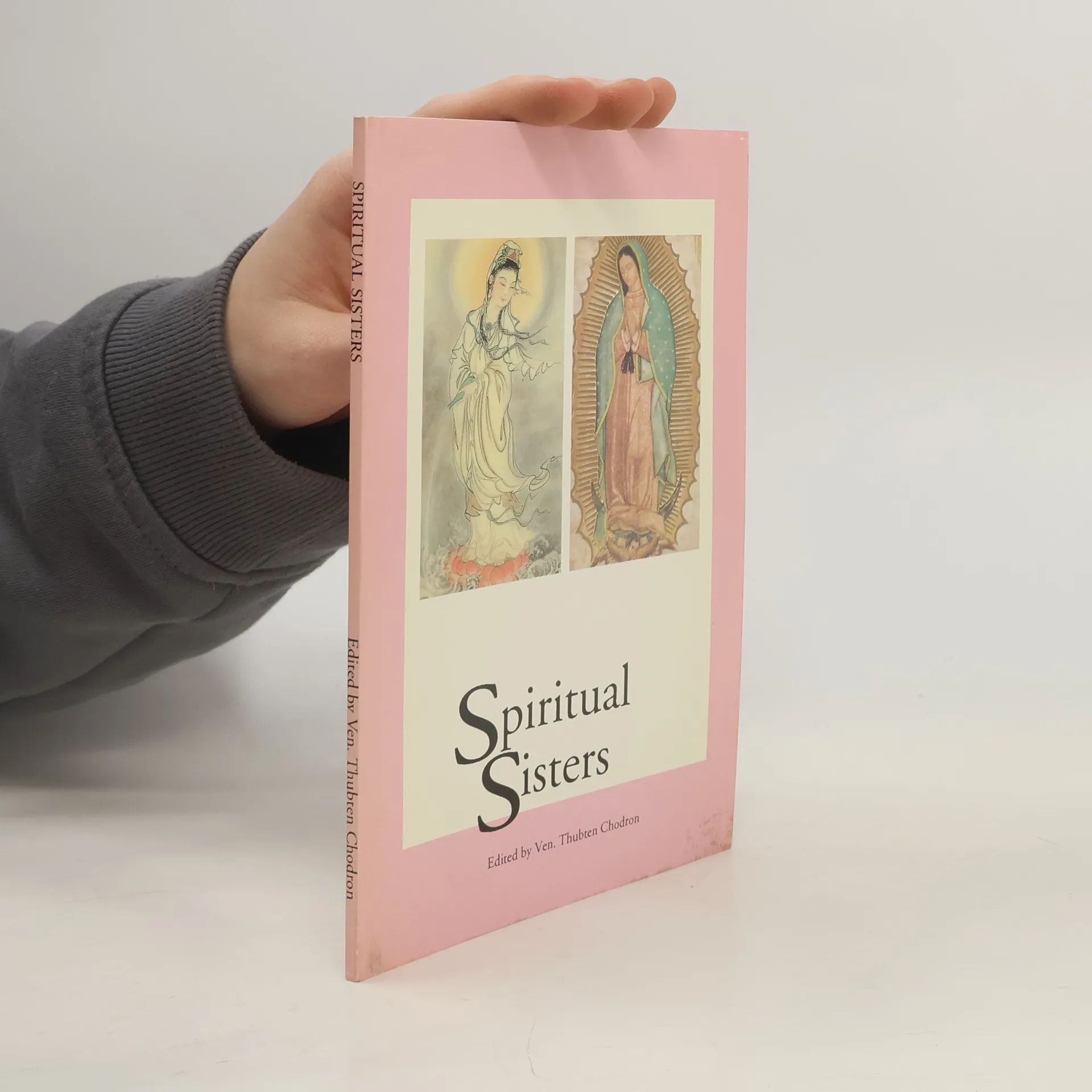
Spiritual Sisters
- 69 Seiten
- 3 Lesestunden
Spiritual Sisters Paperback– January 1, 1995 by Ven. Thubten Chodron(Editor)
Buddhismus V
- 168 Seiten
- 6 Lesestunden
1. vydání. Sborník článků, některé z nich již byly publikovány dříve. *Dr.D.Burns: BUDDHISTICKÁ MEDITACE A HLUBINNÁ PSYCHOLOGIE / překlad: MUDr. Libor Žigo a F.H.Richard *R.Abraham: ORFISMUS - STAROVĚKÉ KOŘENY ZELENÉHO BUDDHISMU / překlad: PhDr. A.Konečný *Padmasiri de Silva: BUDDHISTICKÁ ENVIRONMENTÁLNÍ ETIKA / překlad: PhDr. A.Konečný *Thubten Chodron: KARMA - FUNGOVANIE PRÍČINY A NÁSLEDKU / překlad: L'ubor Košút *Mistr Hsing-yun: TŘI BUDDHISTICKÉ SÚTRY a SÚTRA DOKONALÉ MOUDROSTI / překlad: Jiří Černega *J.Černega: ÚVOD DO SRDEČNÍ SÚTRY / SÚTRA SRDCE DOKONALÉ MOUDROSTI / DIAMANTOVÁ SÚTRA Buddhismus je nábožensko-filosofický systém, jehož základ vytvořil Gautama Buddha pravděpodobně v 5. století př. n. l. v severovýchodní Indii. Jedná se o jedno z nejrozšířenějších světových náboženství, které vyznává přibližně 230 - 500 miliónů lidí. Buddhismus je označován jako ateistické náboženství, ačkoli v mnoha textech vystupují božstva - bytosti, žijící ve vyšších dimenzích existence. Na rozdíl od teistických náboženství jsou však tato božstva považována za běžné smrtelné a nevědomé bytosti podobně jako lidé nebo zvířata, pouze je převyšují svou moudrostí, schopnostmi a dlouhověkostí. Jako ateistické náboženství je buddhismus možné označit i proto, že k dosažení osvobození není třeba víra v "Boha", jak je tomu v teistických náboženstvích, neboť Bůh jakožto pojem není v buddhismu definován.