



Tap into the wisdom of experts to learn what every programmer should know, no matter what language you use. With the 97 short and extremely useful tips for programmers in this book, you'll expand your skills by adopting new approaches to old problems, learning appropriate best practices, and honing your craft through sound advice. With contributions from some of the most experienced and respected practitioners in the industry--including Michael Feathers, Pete Goodliffe, Diomidis Spinellis, Cay Horstmann, Verity Stob, and many more--this book contains practical knowledge and principles that you can apply to all kinds of projects. A few of the 97 things you should know: "Code in the Language of the Domain" by Dan North "Write Tests for People" by Gerard Meszaros "Convenience Is Not an -ility" by Gregor Hohpe "Know Your IDE" by Heinz Kabutz "A Message to the Future" by Linda Rising "The Boy Scout Rule" by Robert C. Martin (Uncle Bob) "Beware the Share" by Udi Dahan
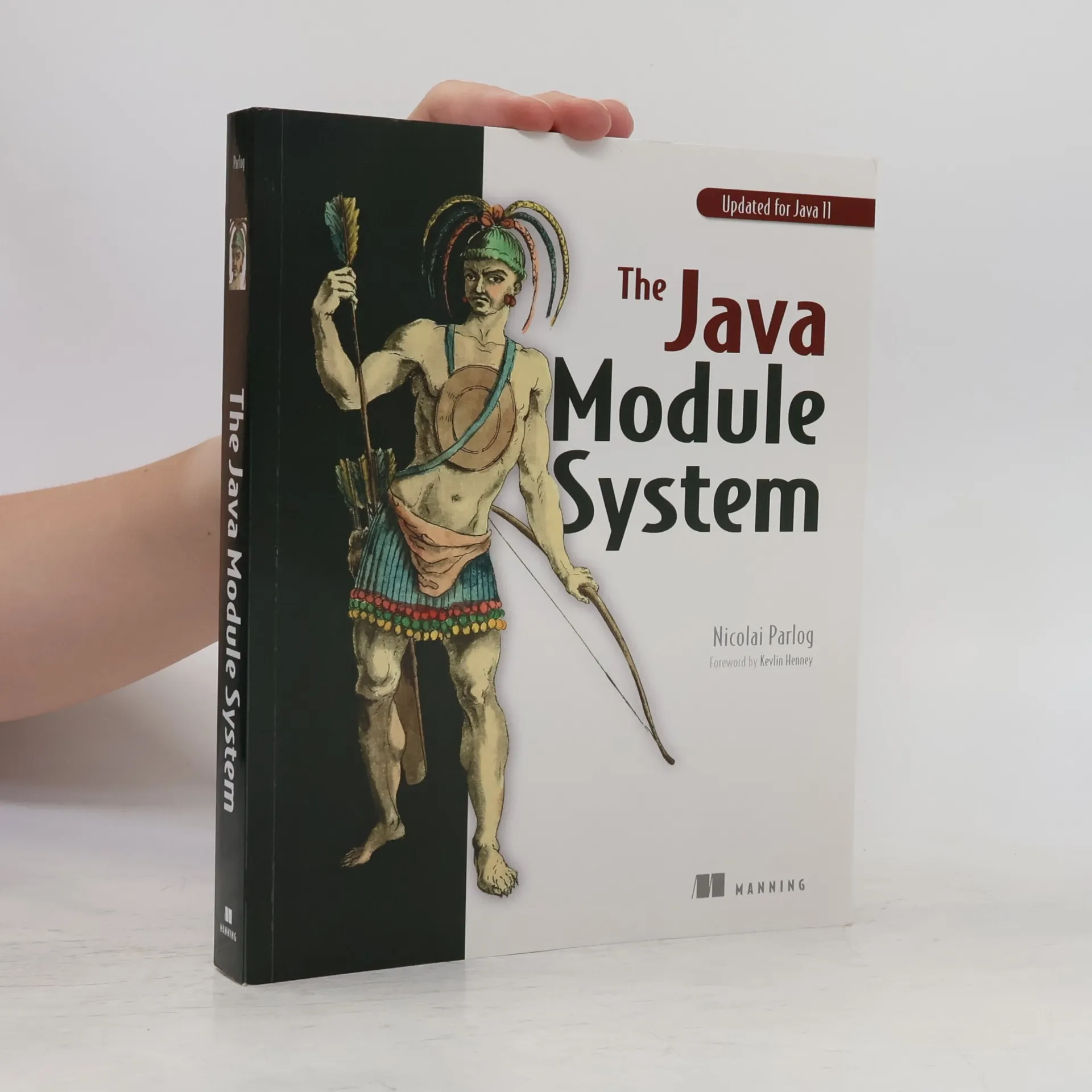
<b>Summary</b> Java's much-awaited "Project Jigsaw" is finally here! Java 11 includes a built-in modularity framework, and <i>The Java Module System</i> is your guide to discovering it. In this new book, you'll learn how the module system improves reliability and maintainability, and how it can be used to reduce tight coupling of system components. Foreword by Kevlin Henney. Purchase of the print book includes a free eBook in PDF, Kindle, and ePub formats from Manning Publications. You'll find registration instructions inside the print book. <b>About the Technology</b> Packaging code into neat, well-defined units makes it easier to deliver safe and reliable applications. The Java Platform Module System is a language standard for creating these units. With modules, you can closely control how JARs interact and easily identify any missing dependencies at startup. This shift in design is so fundamental that starting with Java 9, all core Java APIs are distributed as modules, and libraries, frameworks, and applications will benefit from doing the same. <b>About the Book</b> <i>The Java Module System</i> is your in-depth guide to creating and using Java modules. With detailed examples and easy-to-understand diagrams, you'll learn the anatomy of a modular Java application. Along the way, you'll master best practices for designing with modules, debugging your modular app, and deploying to production. <b>What's inside</b> The anatomy of a modular Java app Building modules from source to JAR Migrating to modular Java Decoupling dependencies and refining APIs Handling reflection and versioning Customizing runtime images Updated for Java 11 <b>About the Reader</b> Perfect for developers with some Java experience. <b>About the Author</b> <b>Nicolai Parlog</b> is a developer, author, speaker, and trainer. His home is codefx.org. <b>Table of Contents</b> PART 1 - Hello, modules First piece of the puzzle Anatomy of a modular application Defining modules and their properties Building modules from source to JAR Running and debugging modular applications PART 2 - Adapting real-world projects Compatibility challenges when moving to Java 9 or later Recurring challenges when running on Java 9 or later Incremental modularization of existing projects Migration and modularization strategies PART 3 - Advanced module system features Using services to decouple modules Refining dependencies and APIs Reflection in a modular world Module versions: What's possible and what's not Customizing runtime images with jlink Putting the pieces together