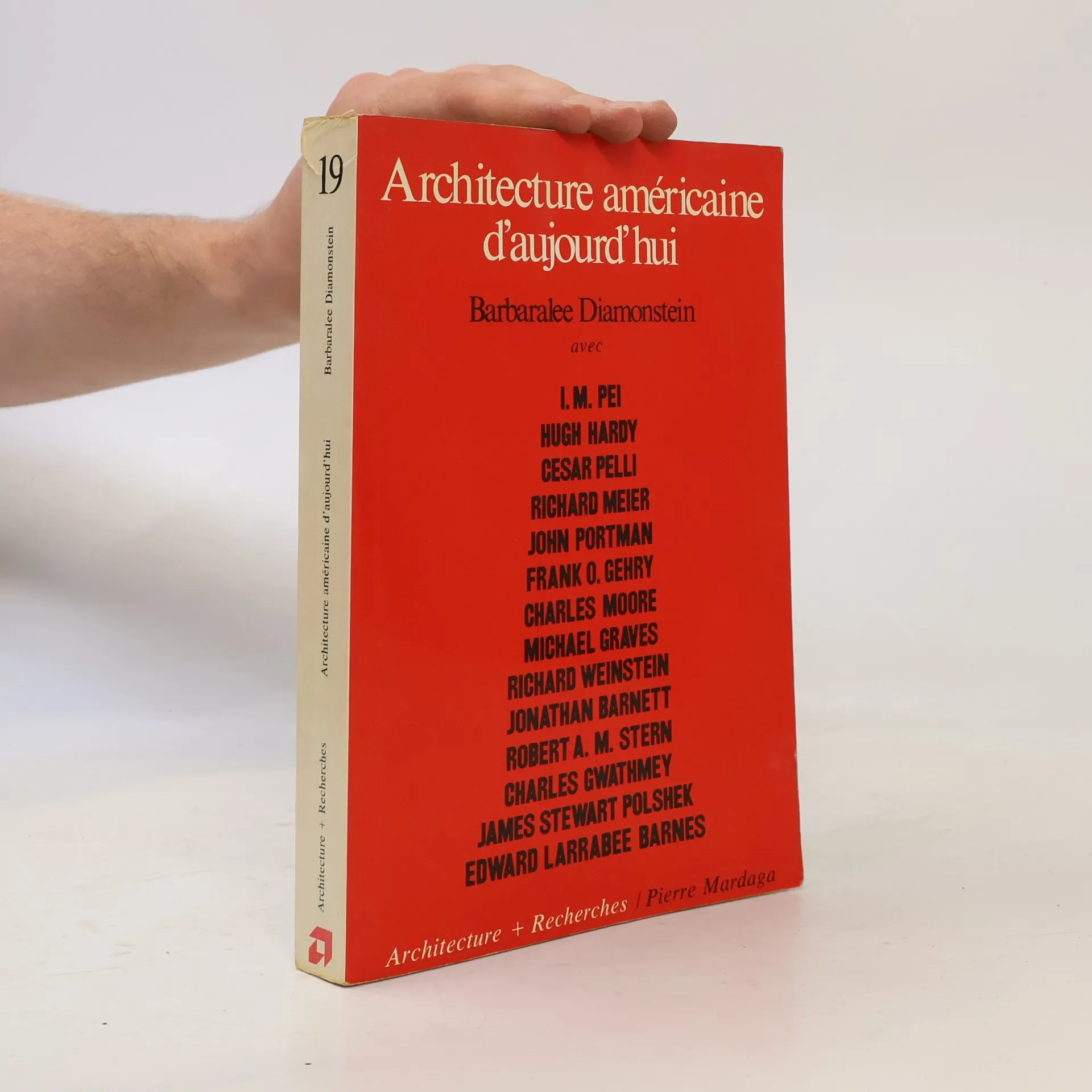
Frank Gehry
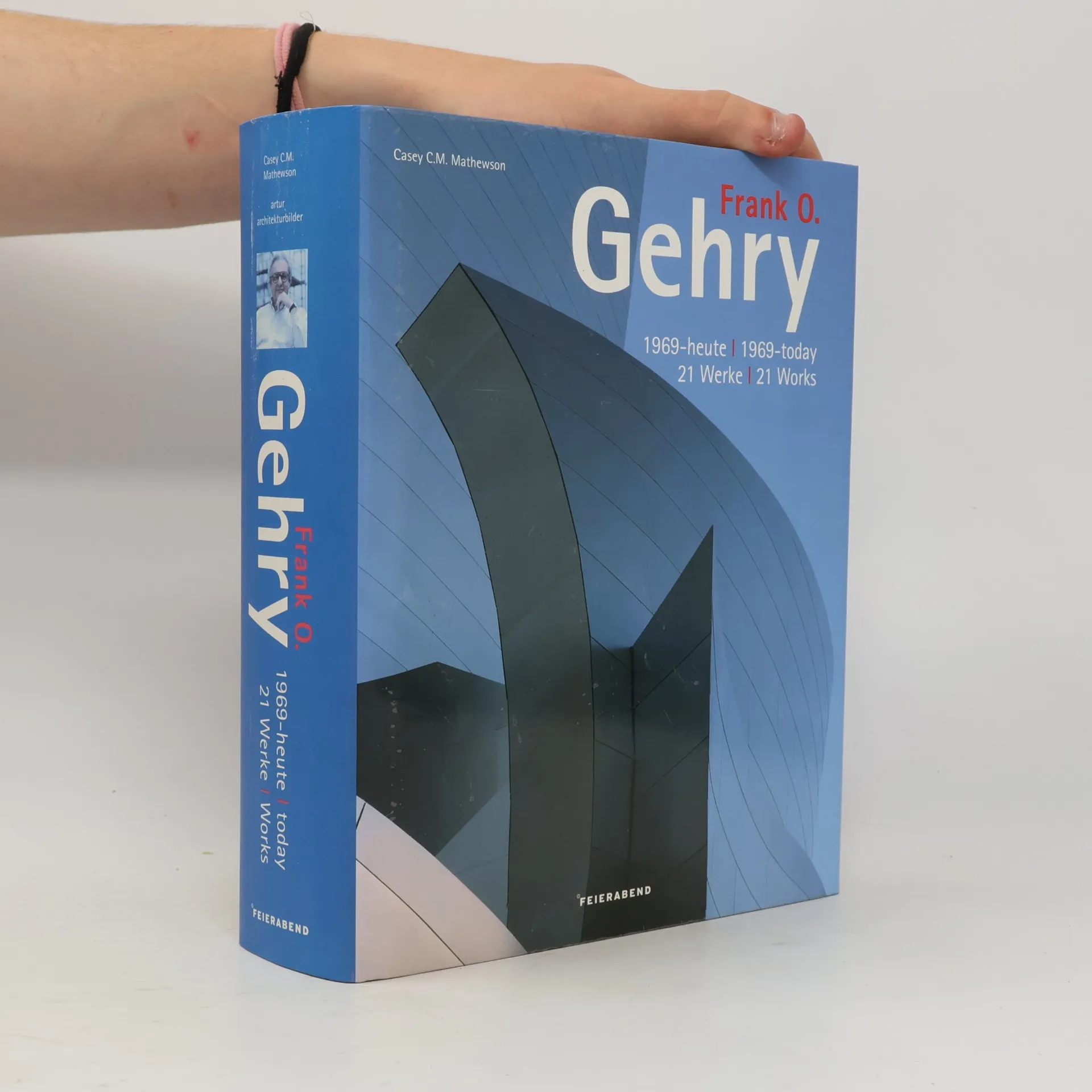
- 256 Seiten
- 9 Lesestunden
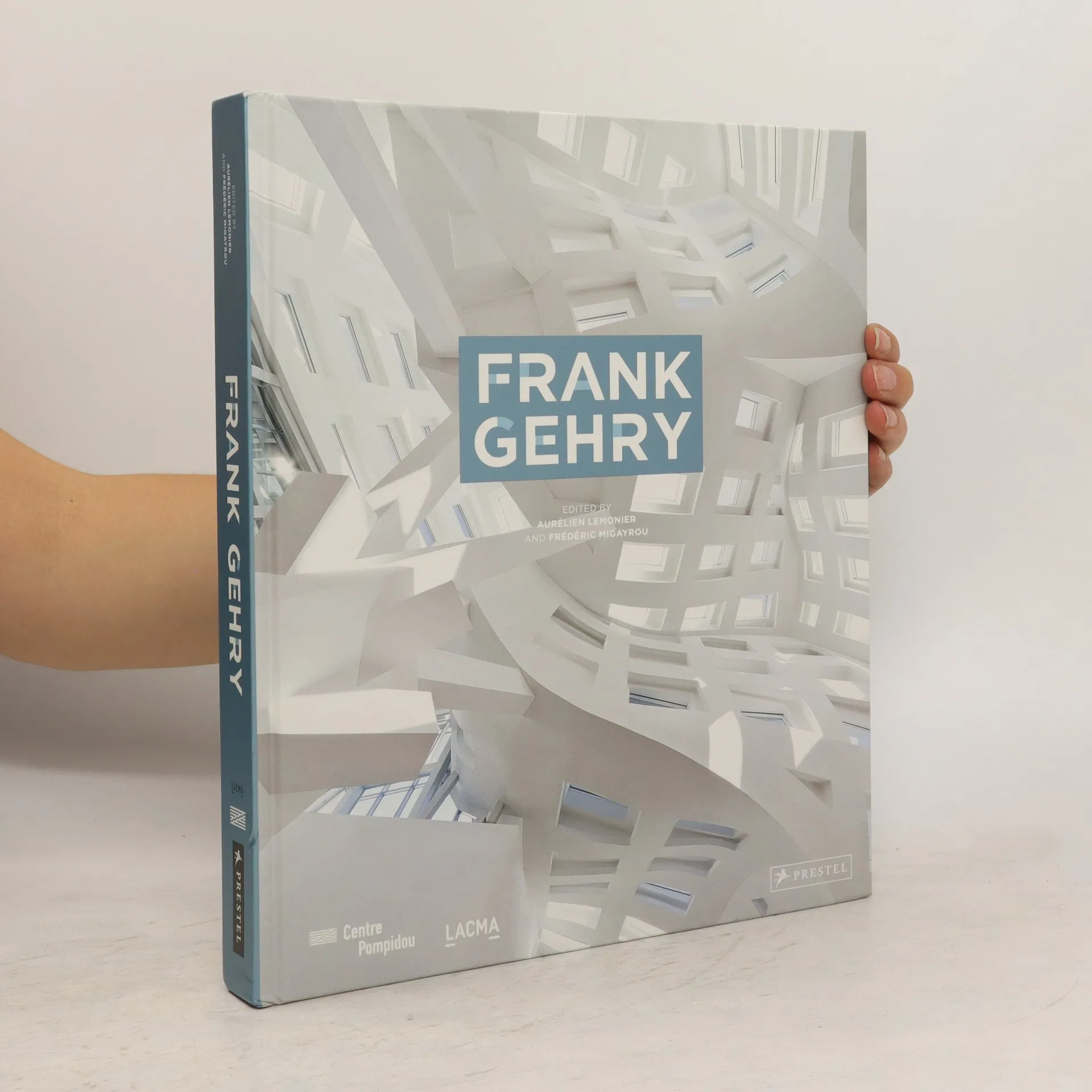
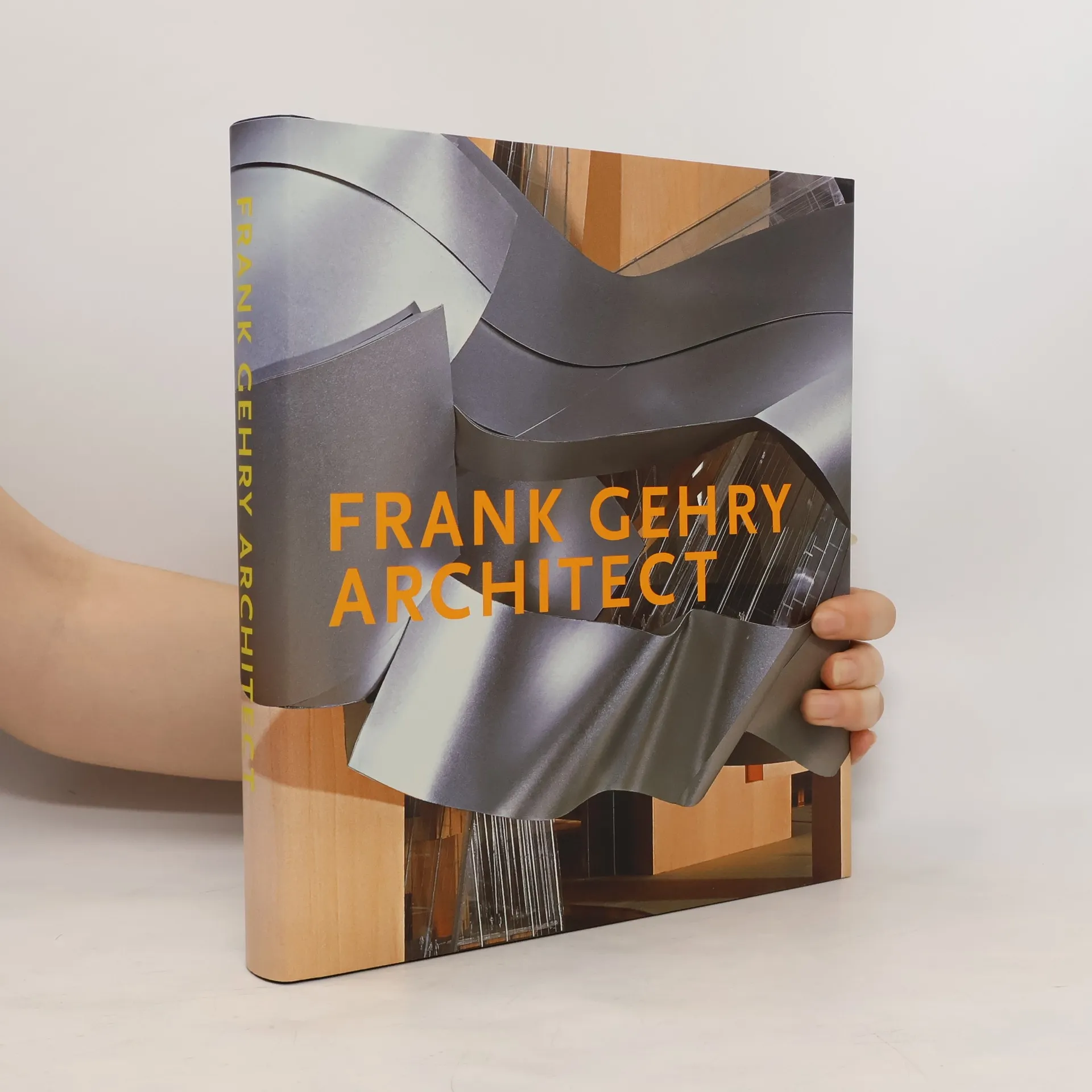
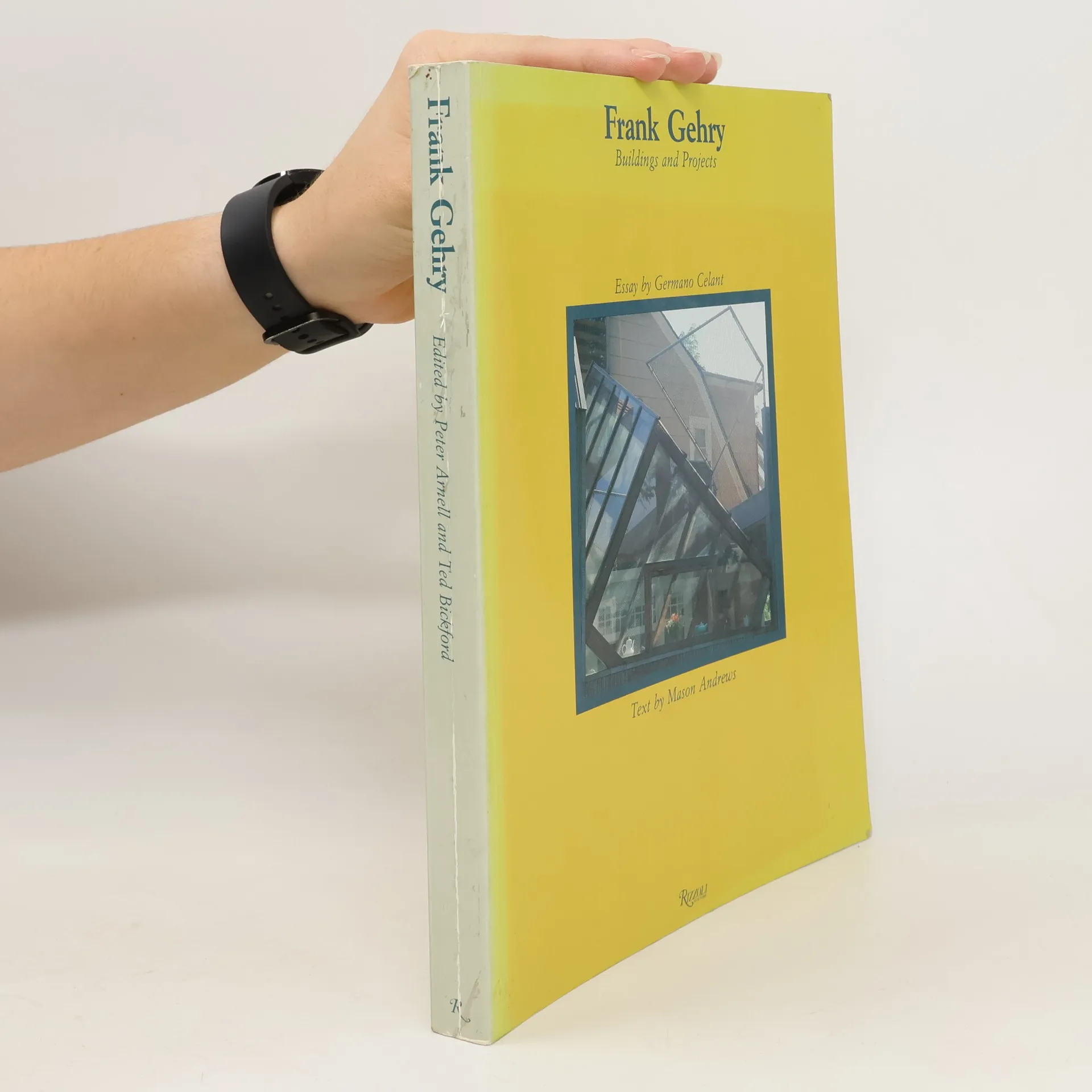
Featuring fifty of Frank Gehry's most important projects, this lavish monograph presents the full range of the architect's work from the past two decades


Featuring fifty of Frank Gehry's most important projects, this lavish monograph presents the full range of the architect's work from the past two decades
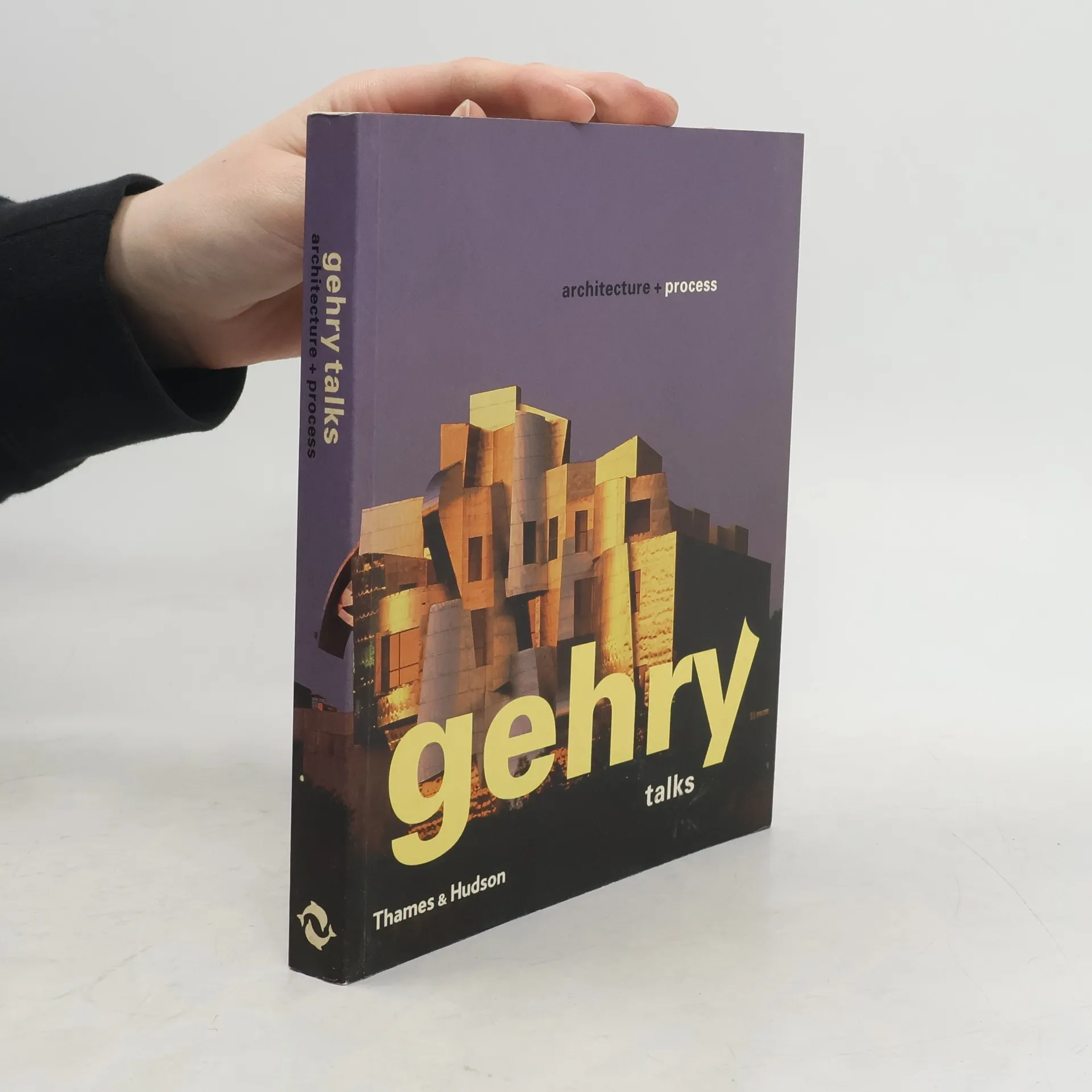
His celebrated Guggenheim Museum in Bilbao has ensured Frank Gehry a place in the pantheon of 20th-century masters. In this volume, Gehry himself offers illuminating commentaries on various aspects of the processes involved indeveloping his revolutionary designs, including his influences, clients, use of materials and new technologies.
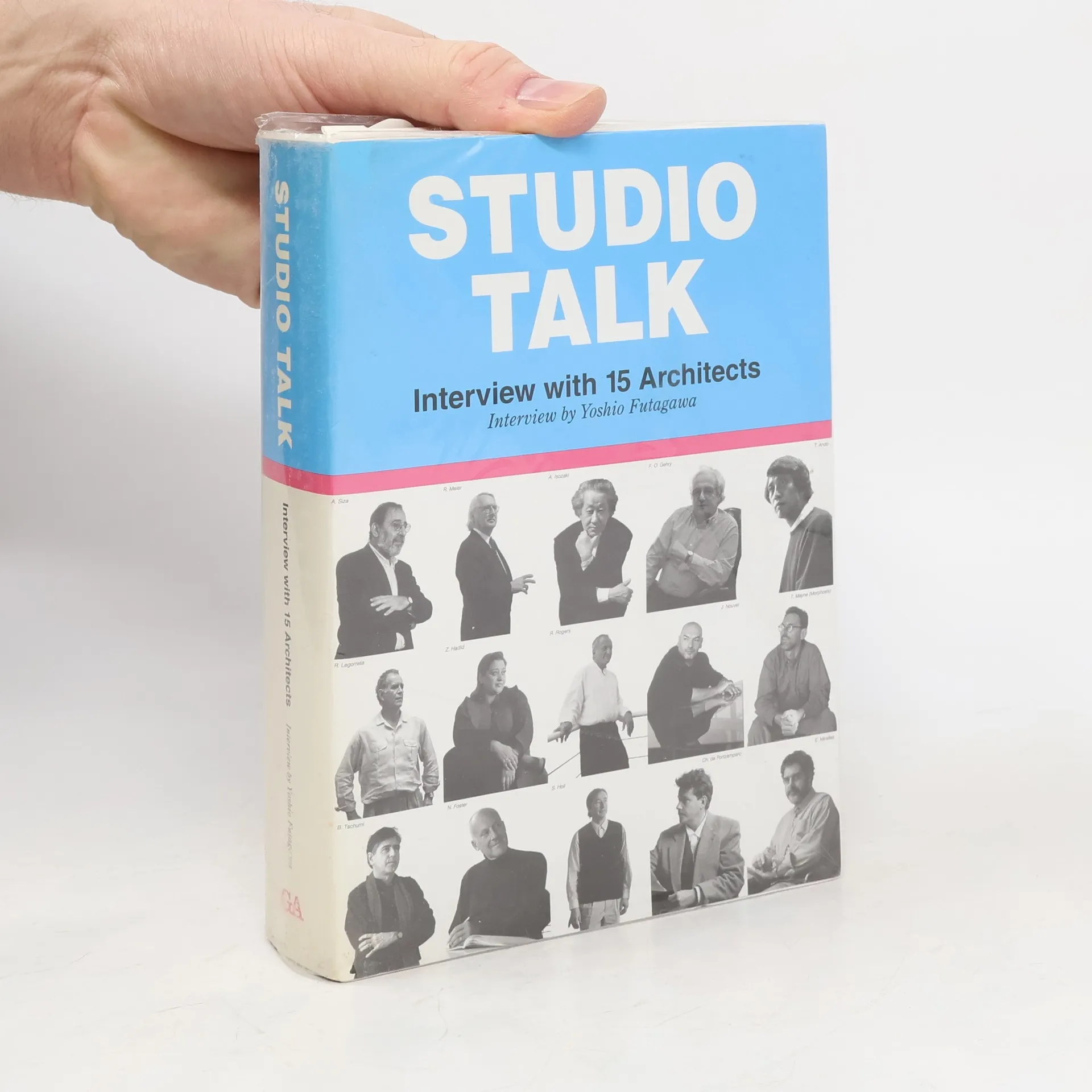
This volume entitled Studio Talk is a collection of 13 interviews that have constituted the first chapter, “Studio”, of each issue of GA DOCUMENT EXTRA series that have been published since 1995, an unpublished interview with Frank O. Gehry originally for the aforementioned series, and an interview with Enric Miralles (GA DOCUMENT #60) who has passed away in 2000.Frank O. Gehry 1929-Arata Isozaki 1931-Ricardo Legorreta 1931-Richard Rogers 1933-Alvaro Siza 1933-Richard Meier 1934-Norman Foster 1935-Tadao Ando 1941-Thom Mayne/Morphosis 1944-Christian de Portzamparc 1944-Bernard Tschumi 1944-Jean Nouvel 1945-Steven Holl 1947-Zaha Hadid 1950-Enric Miralles 1955-2000
As the preeminent art-book publisher in America, Abrams has many stunning and impressive titles for gift giving. From these, we have chosen several absolutely fabulous volumes, in the oversize coffee-table book tradition, that are sure to dazzle any gift recipient.
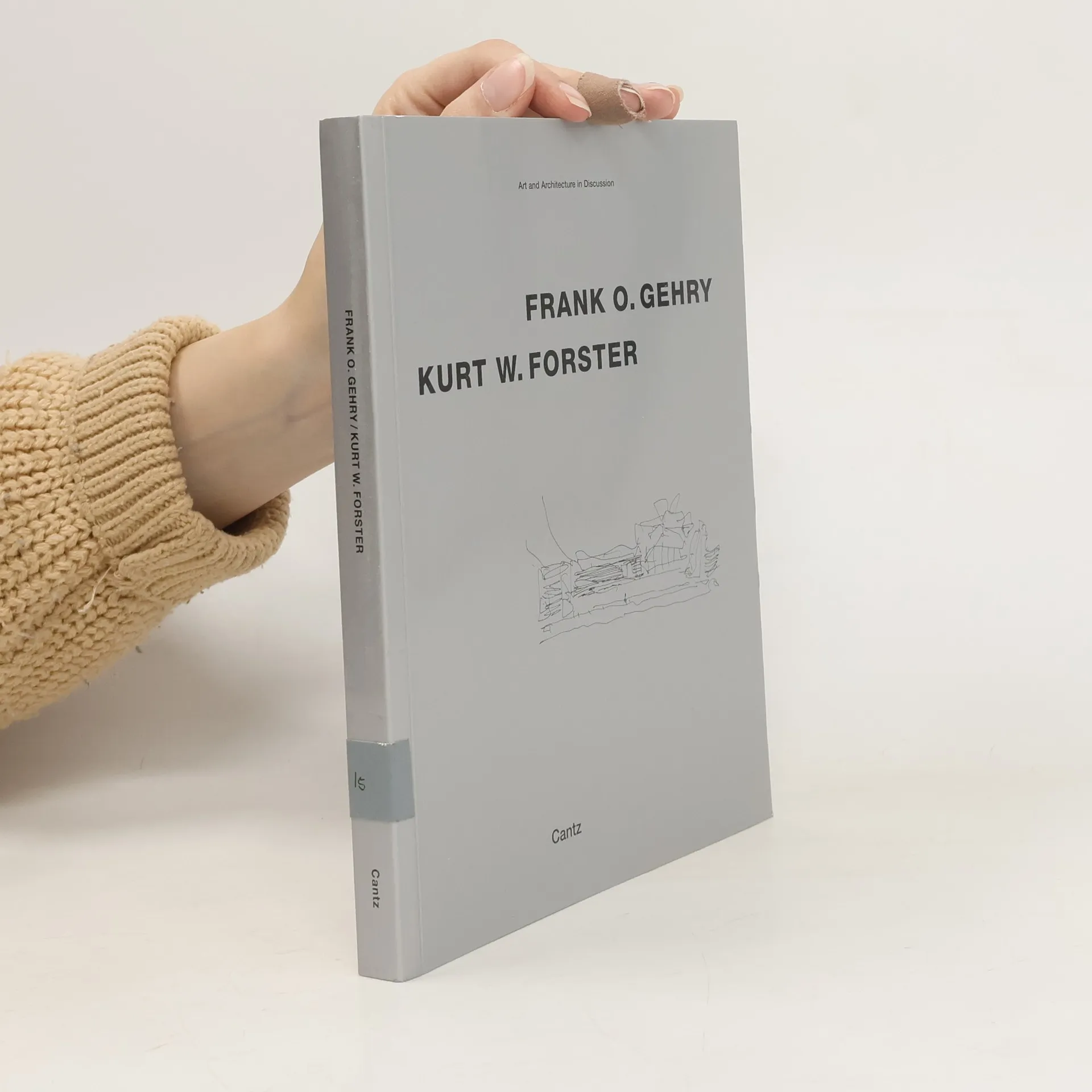
With the recent triumph in Bilbao, Frank Gehry became one of the two or three living architects whose names are known outside the field. Within architecture and the arts, however, Gehry has longstanding and tremendous respect, and this conversation with the architectural historian and Getty Center Founding Director, Kurt W. Foster, testifies to the ways in which Gehry's concepts continue to invigorate not just the language of architecture, but the arts in general. The implicit sculpture of Gehry's work reveals a communion between artistic disciplines, and he has collaborated with the likes of Serra, Kelley, and Koons. This book furthers that open dialogue - which Gehry clearly views as essential - between the arts.
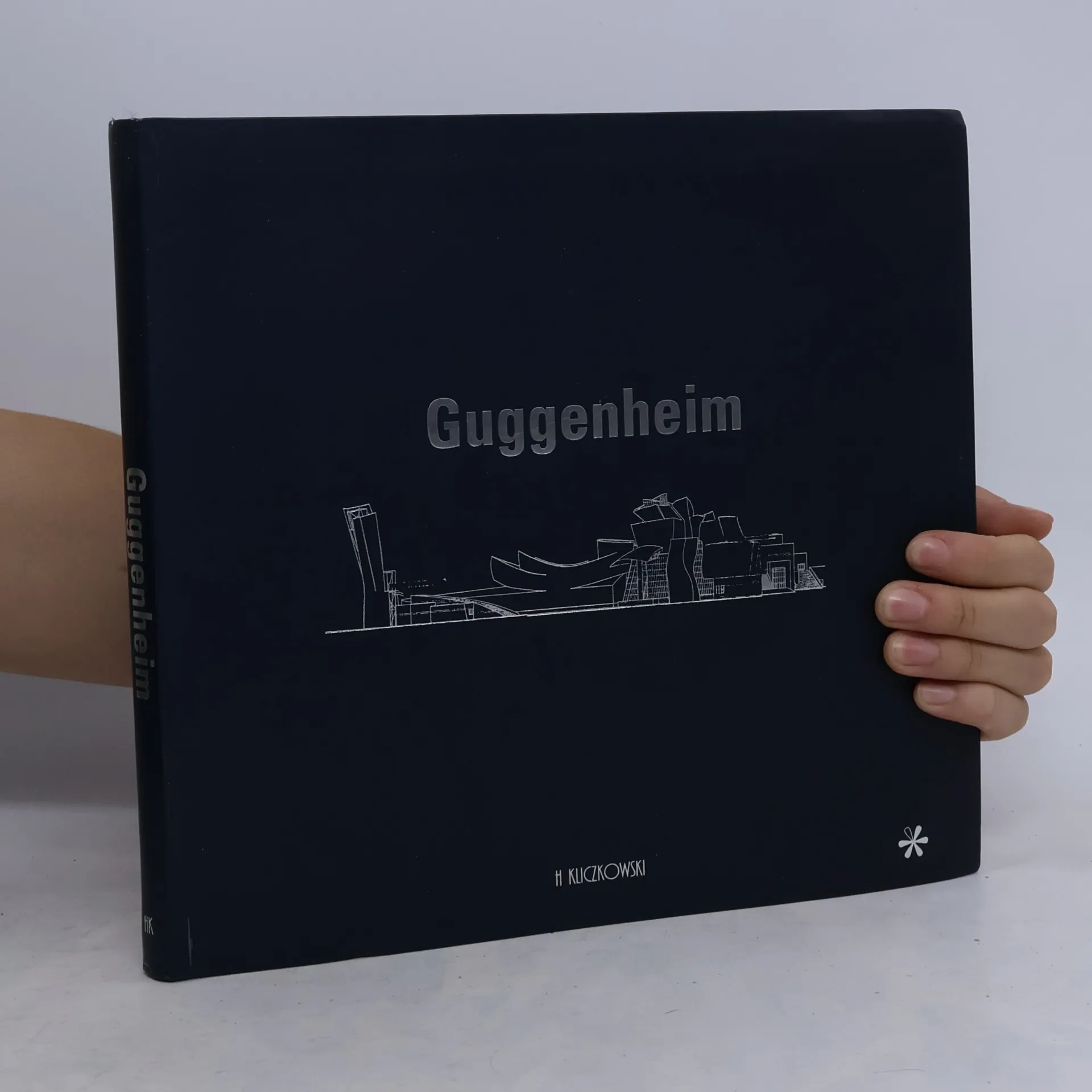
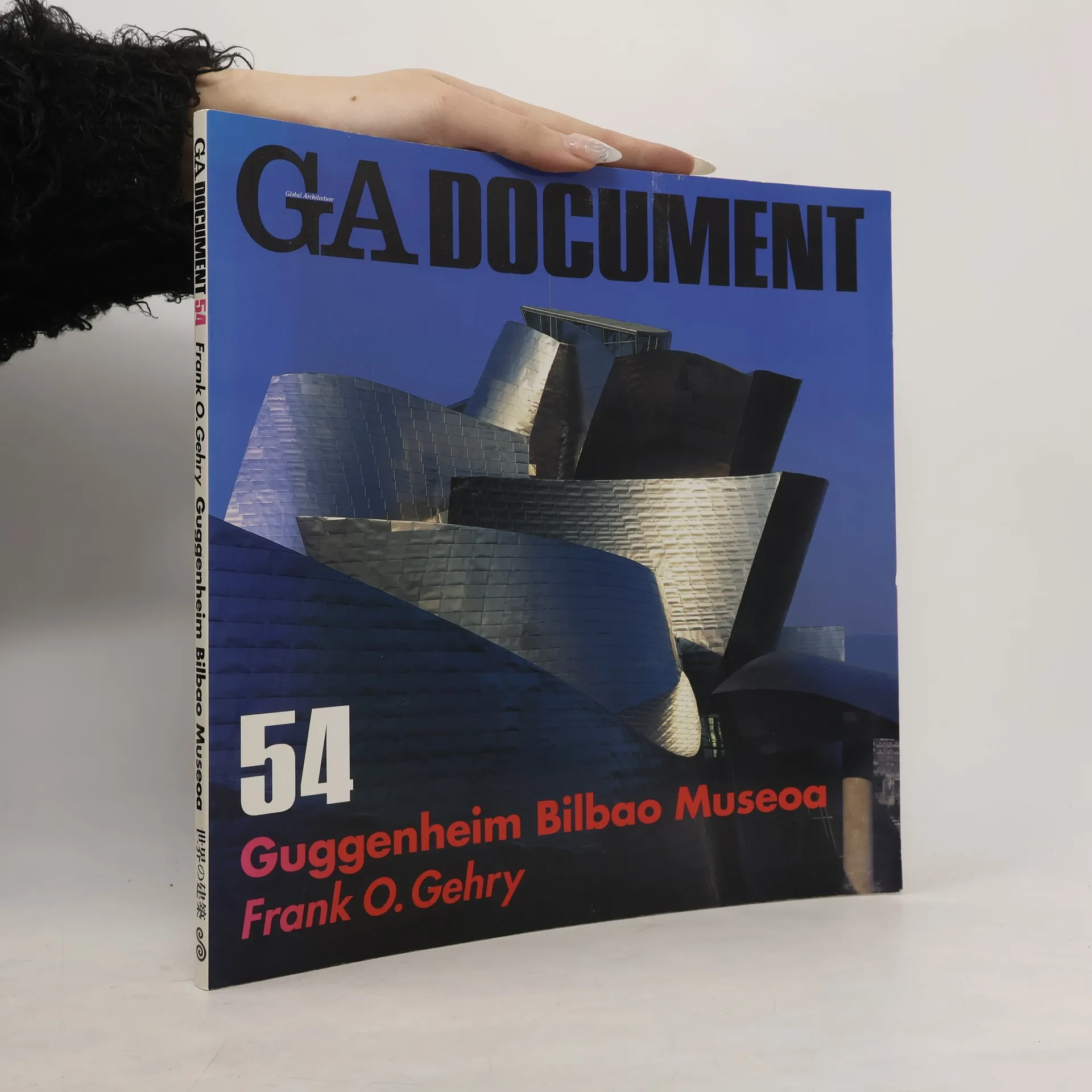
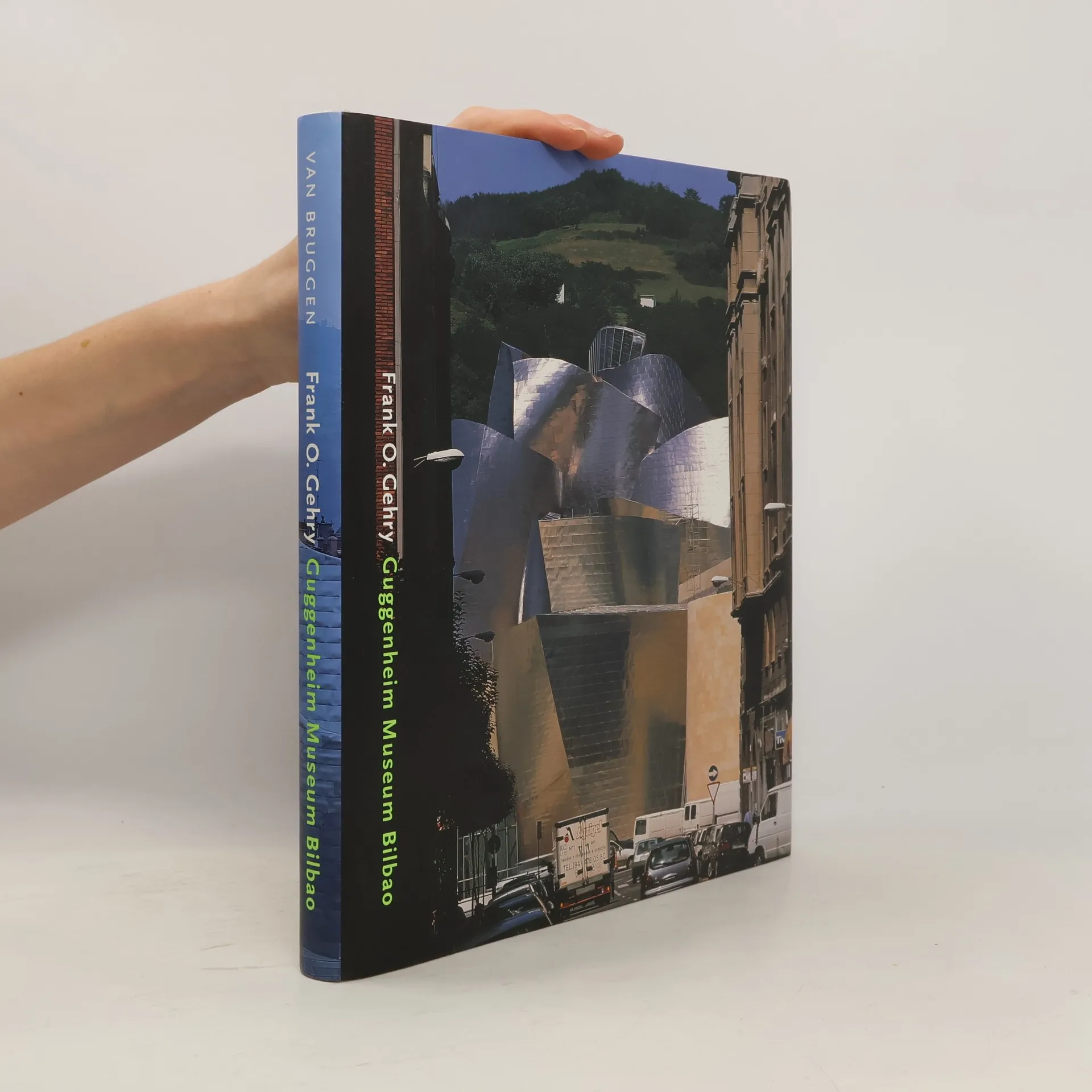
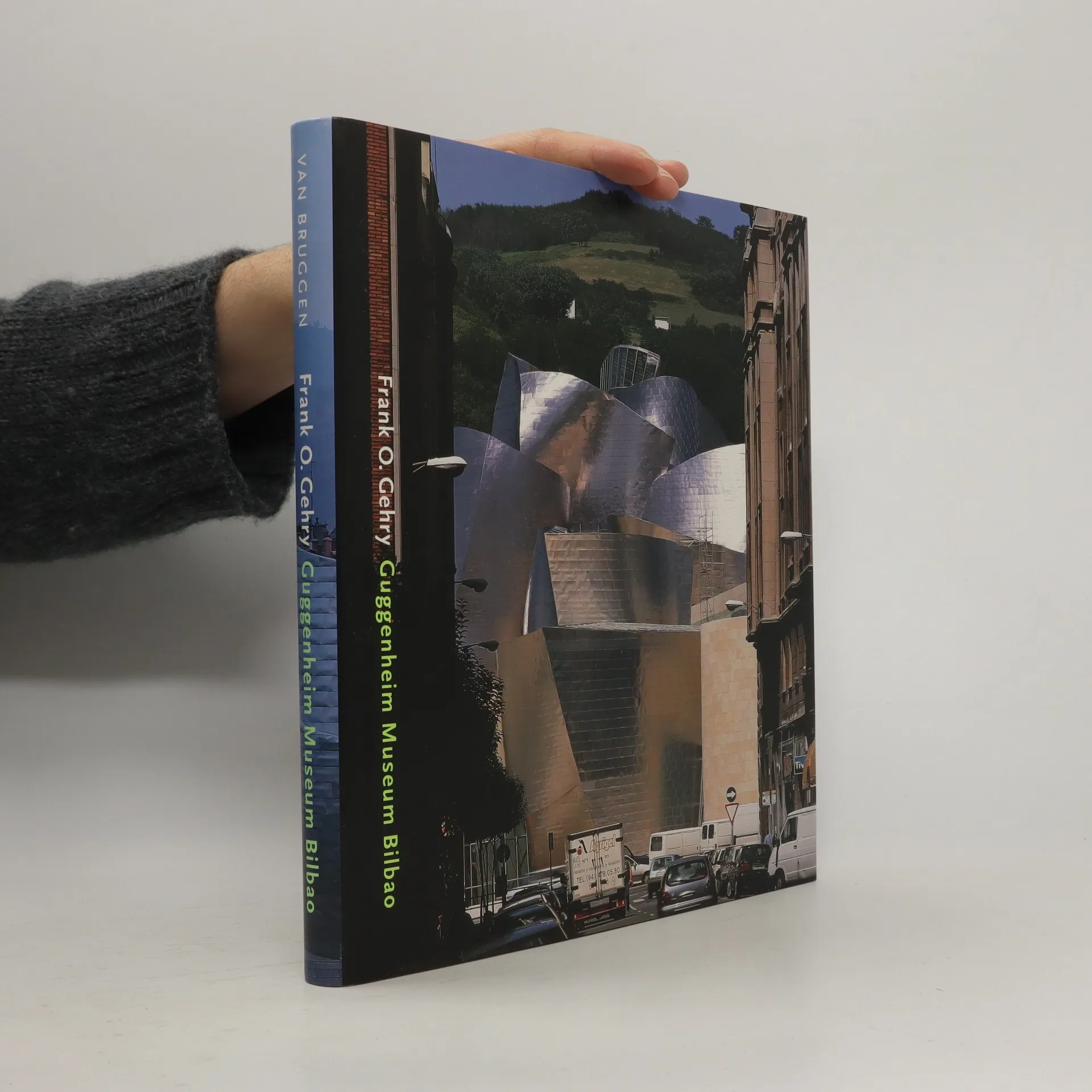
This book celebrates the Guggenheim Museum Bilbao and details the design process that is an intrinsic part of Gehry's revolutionary approach to architecture. Art historian and artist Coosje van Bruggen, who has collaborated with Gehry on various architectural and art projects, documents the history of the Guggenheim Bilbao from conception through design and construction. With unique access to the architect and his studio, she has uncovered scores of fascinating drawings and working photographs, published here for the first time.
There is no doubt at all that Gehry’s Guggenheim Museum in Bilbao is one of the most spectacular buildings of recent years. As the central element in Bilbao’s comprehensive urban renewal programme the building raised high expectations from the outset. Its site between river, railway, bridge and new town makes it a symbol of the Basque metropolis that can be seen from a considerable distance. It is both the heart of the city and a testbed for the arts, representing both public presence and artistic change. The process by which it was created demonstrates the most recent advances in computeraided design and in material manufacture. For a long time design and building were broken down into a large number of individual components. Gehry’s museum unifies this process and is thus able to create fluent links between architectural detail and urban impact. But the innovations do not stop at technology, they also extend to the way in which the interior spaces are shaped. These are extremely varied in form, as the museum is not so much designed to house a permanent exhibition of the collection, but to enable artists to create installations. In contrast with the usual neutral gallery spaces Gehry offers a whole variety of stages for artistic presentation. His artist friends have risen to the challenge of his architecture and are experimenting very successfully with this new way of showing their work to the public.