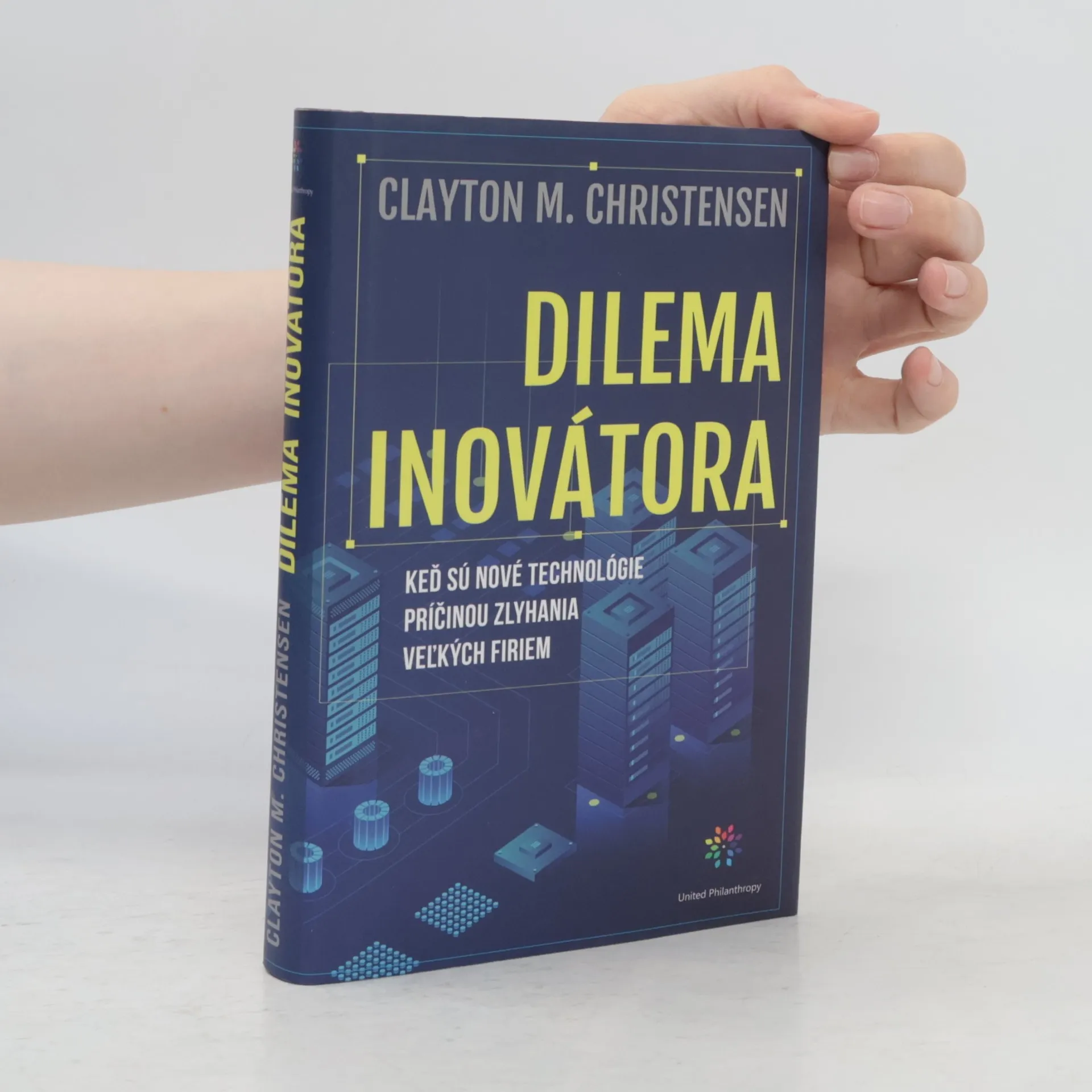
Dilema inovátora: Keď sú nové technológie príčinou zlyhania veľkých firiem
- 314 Seiten
- 11 Lesestunden


Clayton M. Christensen war Professor für Betriebswirtschaftslehre an der Harvard Business School und bekannt für seine Studien über Innovationen in Handelsunternehmen. Seine Theorie der disruptiven Technologie wurde erstmals in seinem Buch „The Innovator's Dilemma“ dargelegt. Er untersuchte, wie sich Unternehmen an technologische Veränderungen anpassen können und wie kleinere Akteure mit neuen Technologien die dominante Stellung etablierter Unternehmen stören können. Seine Arbeit bietet wertvolle Einblicke in Strategien zur Aufrechterhaltung der Wettbewerbsfähigkeit in einer dynamischen Geschäftslandschaft.




Warum klassische Entwicklungshilfe scheitert und wie innovative Ideen Hoffnung geben
Warum gelangen einige Länder zu Wohlstand, während andere in tiefer Armut verharren? Warum sind viele Länder heutzutage noch ärmer als in den 60ern? Und das, obwohl Milliarden an Spenden und Entwicklungshilfe geflossen sind. Gewohnt analytisch und mit scharfem Blick widmet sich Clayton M. Christensen genau diesen Fragen. Er untersucht, warum viele Investitionen in die wirtschaftliche Entwicklung eines Landes nicht den erwarteten Erfolg bringen, sondern die Probleme oft noch verschlimmern. Und er stellt seinen Ansatz zur Bekämpfung der globalen Armut vor: Unternehmertum und Innovationen. Richtig eingesetzt können sie Länder aus der Armut befreien und für nachhaltigen Wohlstand sorgen.
„Jobs to Be Done“ – die Strategie für erfolgreiche Innovation
Produkte werden technisch immer ausgefeilter, es gibt Dutzende verschiedene Versionen, aus denen der Kunde wählen kann. Trotzdem liegen sie wie Blei in den Regalen. Warum? Hersteller beachten nicht, welchen „Job“ ein Produkt oder auch eine Dienstleistung für den Kunden erfüllen soll. Clayton M. Christensen liefert mit dem „Jobs to Be Done“-Ansatz eine umfassende Theorie, wie man die Wünsche der Kunden erkennt und in den eigenen Produkten oder Dienstleistungen umsetzt. Er zeigt die praktische Anwendung und welche Auswirkungen die Methode auf Organisationsstrukturen und Führungsentscheidungen hat. So wird Innovation von der reinen Glückssache zu einem planbaren Prozess, der Unternehmen den entscheidenden Marktvorteil bringt.
The foremost authority on innovation and growth presents a transformative guide for companies to shift from chance-driven innovation to creating products and services that customers are eager to buy at premium prices. How can businesses ensure growth and develop desirable products? Harvard Business School professor Clayton Christensen, known for his theory of disruptive innovation, provides answers through years of research. He challenges the long-held belief that understanding customers is key to innovation, asserting instead that customers "hire" products to fulfill specific jobs. Success in innovation stems from comprehending these customer jobs rather than merely understanding the customers themselves. This "Jobs to Be Done" approach is exemplified by leading companies and startups like Amazon, Intuit, Uber, Airbnb, and Chobani yogurt. However, the focus of this work is not on celebrating these successes but on predicting future ones. By grasping what drives customers to "hire" a product or service, businesses can enhance their innovation outcomes, crafting offerings that customers are willing to pay a premium for. This book outlines Christensen’s framework, detailing the theory's predictive nature, its real-world applications, and how to effectively leverage the insights it provides for sustainable growth.
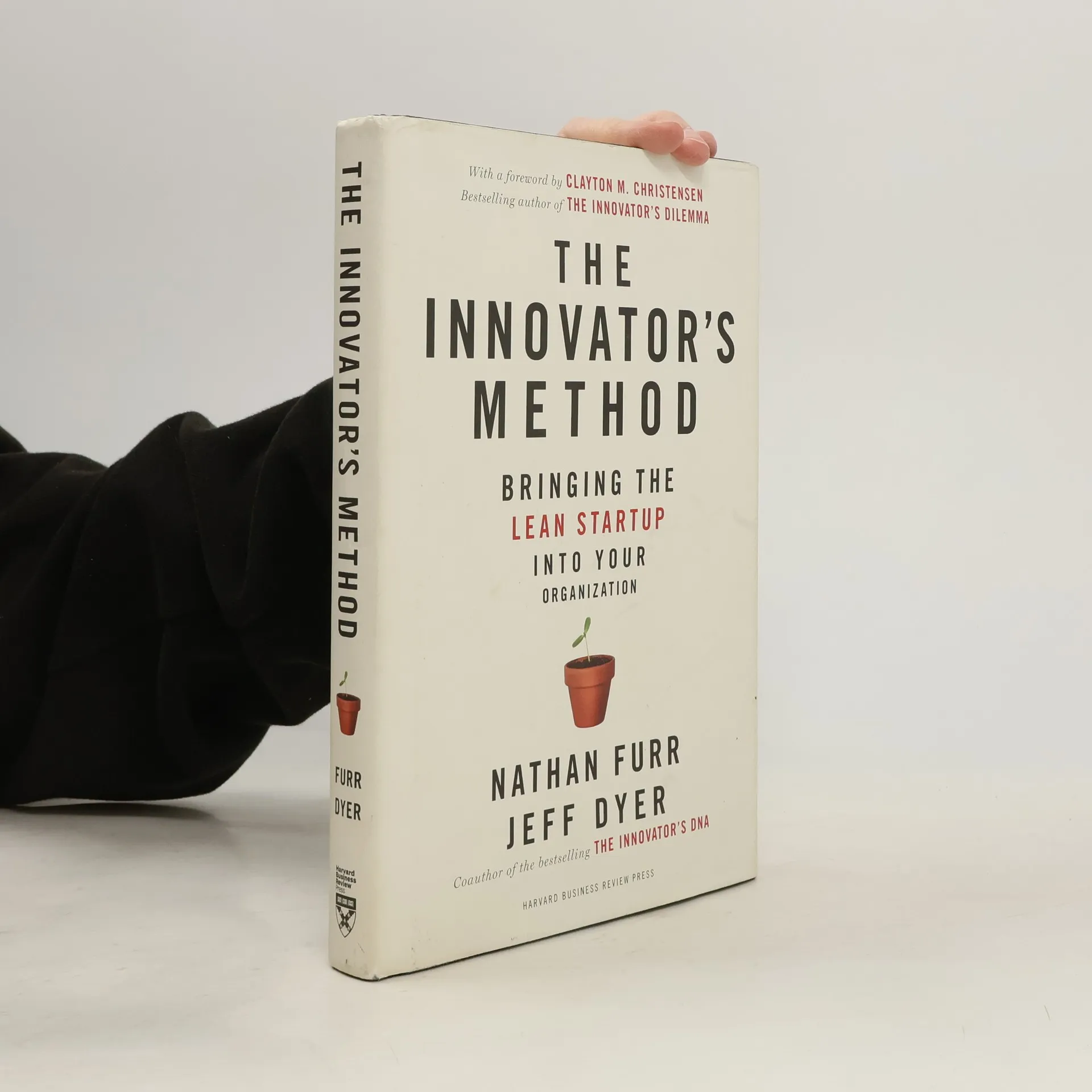
"Call it 'lean start-up, ' 'design thinking, ' or 'agile.' No matter the name, it's clear that a new method is revolutionizing how to successfully create, refine, and bring ideas to market without traditional business planning. But because these ideas and techniques run counter to conventional managerial thinking and practice, managers in established organizations have difficulty implementing them. No longer. Based on field work with thousands of managers and validated inside dozens of companies, innovation experts Nathan Furr and Jeff Dyer show when and how to apply a 'lean start-up' approach to innovation in established businesses"--
Describes what sets market-dominating companies apart and provides a framework you can leverage to surge to the lead in your own industry. This title examines the internal operations of dominant organizations across a wide spectrum of industries, from technology to design and from manufacturing to health care.
How can great companies do everything right - identify real customer needs, deliver excellent innovations, beat their competitors to market - and still fail? The sad truth is that many companies fail because they focus too intensely on their own innovations, and then neglect the innovation ecosystems on which their success depends. In our increasingly interdependent world, winning requires more than just delivering on your own promises. It means ensuring that a host of partners -some visible, some hidden- deliver on their promises, too. In "The Wide Lens," innovation expert Ron Adner draws on over a decade of research and field testing to take you on far ranging journeys from Kenya to California, from transport to telecommunications, to reveal the hidden structure of success in a world of interdependence. A riveting study that offers a new perspective on triumphs like Amazon's e-book strategy and Apple's path to market dominance; monumental failures like Michelin with run-flat tires and Pfizer with inhalable insulin; and still unresolved issues like electric cars and electronic health records, The Wide Lens offers a powerful new set of frameworks and tools that will multiply your odds of innovation success. "The Wide Lens" will change the way you see, the way you think - and the way you win.
How do you lead a fulfilling life? That profound question animates this book of inspiration and insight from world-class business strategist and bestselling author of The Innovator's Dilemma, Clayton Christensen.
"Some people are just natural innovators, right? With no apparent effort, they discover ideas for new products, services, and entire businesses. It may look like innovators are born, not made. But according to Jeffrey Dyer and Hal Gregersen, anyone can become more innovative. How? Master the discovery skills that distinguish innovative entrepreneurs and executives from ordinary managers. In The Innovator's DNA, the authors identify five capabilities demonstrated by the best innovators: ʺ Associating: drawing connections between questions, problems, or ideas from unrelated fields ʺ Questioning: posing queries that challenge common wisdom ʺ Observing: scrutinizing the behavior of customers, suppliers, and competitors to identify new ways of doing things ʺ Experimenting: constructing interactive experiences and provoking unorthodox responses to see what insights emerge ʺ Networking: meeting people with different ideas and perspectives The authors explain how to generate ideas with these skills, collaborate with "delivery-driven" colleagues to implement ideas, and build innovation skills throughout your organization to sharpen its competitive edge. They also provide a self-assessment for rating your own innovator's DNA. Practical and provocative, this book is an essential resource for all teams seeking to strengthen their innovative prowess"--Provided by publisher
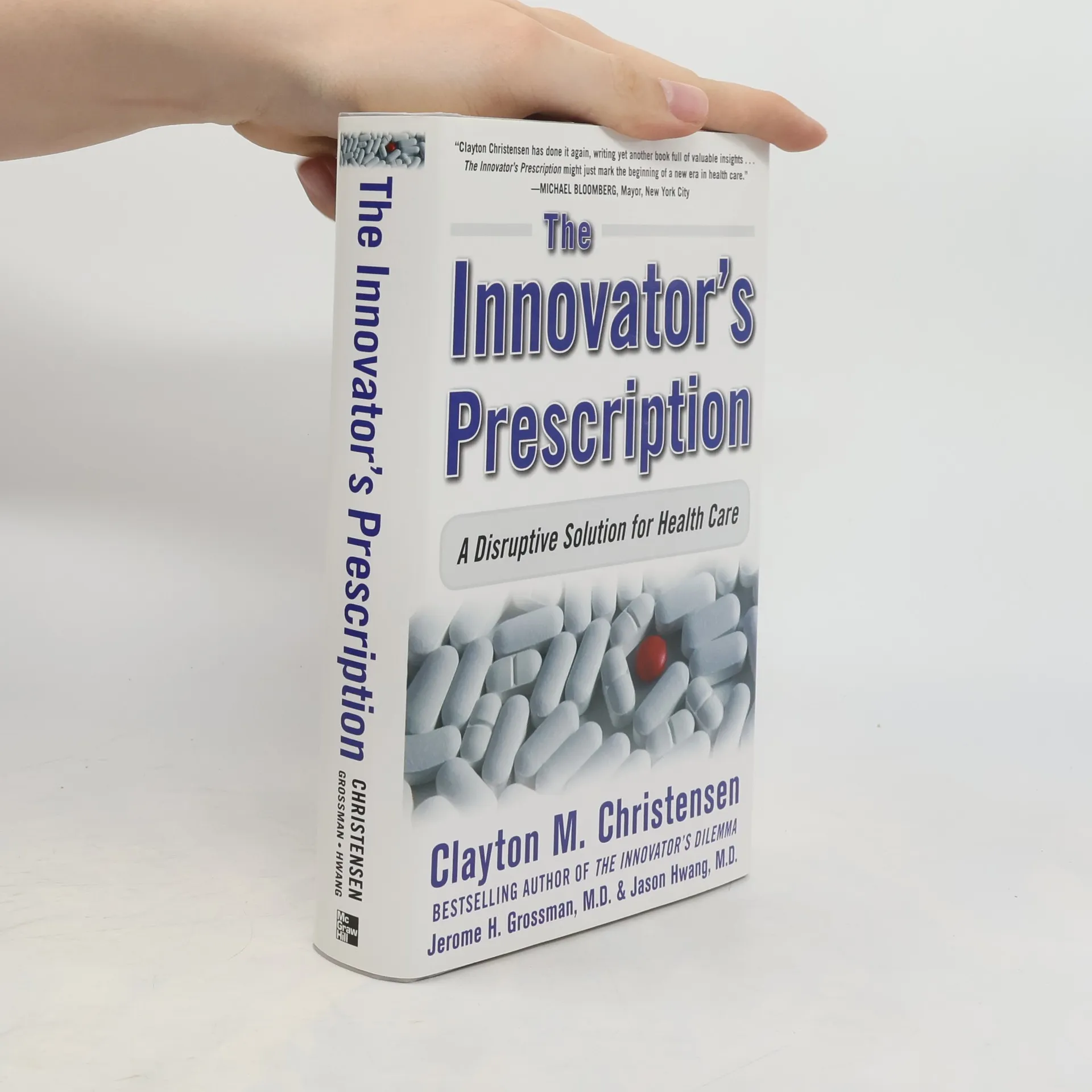
A groundbreaking prescription for health care reform--from a legendary leader in innovation . . . Our health care system is in critical condition. Each year, fewer Americans can afford it, fewer businesses can provide it, and fewer government programs can promise it for future generations. We need a cure, and we need it now. Harvard Business School’s Clayton M. Christensen—whose bestselling The Innovator’s Dilemma revolutionized the business world—presents The Innovator’s Prescription, a comprehensive analysis of the strategies that will improve health care and make it affordable. Christensen applies the principles of disruptive innovation to the broken health care system with two pioneers in the field—Dr. Jerome Grossman and Dr. Jason Hwang. Together, they examine a range of symptoms and offer proven solutions. YOU’LL DISCOVER HOW “Precision medicine” reduces costs and makes good on the promise of personalized care Disruptive business models improve quality, accessibility, and affordability by changing the way hospitals and doctors work Patient networks enable better treatment of chronic diseases Employers can change the roles they play in health care to compete effectively in the era of globalization Insurance and regulatory reforms stimulate disruption in health care
Innowacje stanowią o przewadze konkurencyjnej firmy oraz realnie przekładają się na jej zysk. Z tego względu prowadzenie badań nad jakimś rozwiązaniem czy też odkrycie czegoś nowego, nie stanowi o innowacyjności przedsiębiorstwa. Dopiero pomyślne wzdrożenie rozwiązań do własnego modelu biznesowego może świadczyć o innowacyjności firmy - jej potencjale do wypracowania, ale i zastosowania nowego rozwiązania w praktyce.
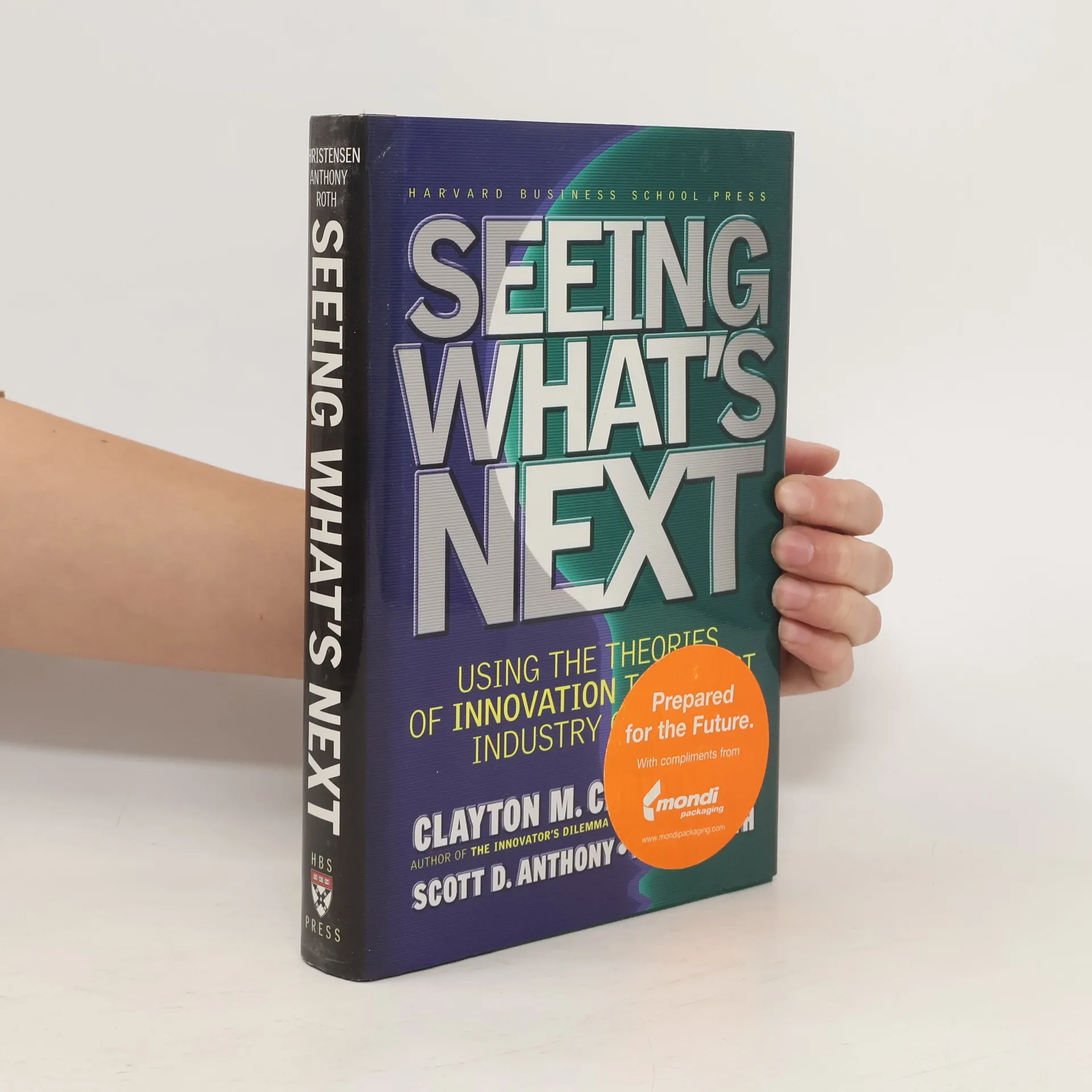
Every day, individuals take action based on how they believe innovation will change industries. Yet these beliefs are largely based on guesswork and incomplete data and lead to costly errors in judgment. Now, internationally renowned innovation expert Clayton M. Christensen and his research partners Scott D. Anthony and Erik A. Roth present a groundbreaking framework for predicting outcomes in the evolution of any industry. Based on proven theories outlined in Christensen's landmark books The Innovator's Dilemma and The Innovator's Solution, Seeing What's Next offers a practical, three-part model that helps decision-makers spot the signals of industry change, determine the outcome of competitive battles, and assess whether a firm's actions will ensure or threaten future success. Through in-depth case studies of industries from aviation to health care, the authors illustrate the predictive power of innovation theory in action.
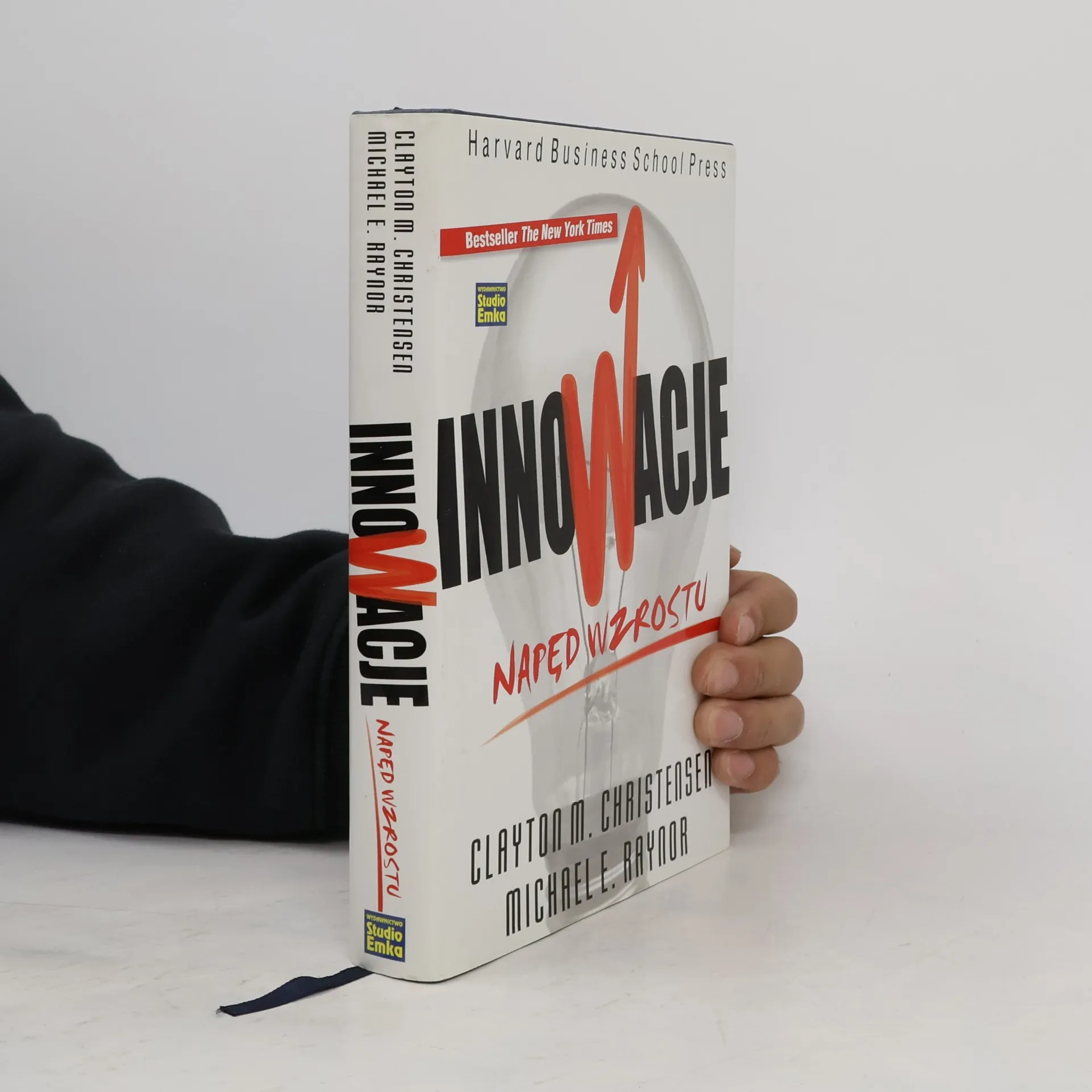
In „The Innovator’s Solution“ erläutern Clayton M. Christensen und Michael E. Raynor, wie Unternehmen disruptive Innovationen erfolgreich entwickeln und vermarkten können. Das Buch vergleicht diesen Prozess mit dem Segeln, wobei es darum geht, die richtigen Bedingungen zu erkennen und zu nutzen. Es wird betont, dass der Ausgangspunkt entscheidend für den Erfolg ist, insbesondere im Hinblick auf die technologischen und gewinnorientierten Kräfte, die auf das Unternehmen einwirken. Anstatt genaue Strategien oder Vorhersagen über technologische Entwicklungen zu benötigen, sollten Unternehmer sich auf optimale Ausgangsbedingungen konzentrieren. Wenn diese gegeben sind, ergeben sich die richtigen Entscheidungen oft von selbst. Um die Chancen auf Erfolg zu maximieren, ist es wichtig, ein Geschäftsmodell zu entwickeln, dessen Ressourcen, Prozesse und Werte die vorhandenen Kräfte effektiv nutzen. So wird vermieden, in die falsche Richtung abzudriften. Das Buch bietet somit einen praktischen Leitfaden für die Gründung neuer, wachstumsstarker Unternehmen und hilft, die Herausforderungen im Innovationsprozess besser zu meistern.
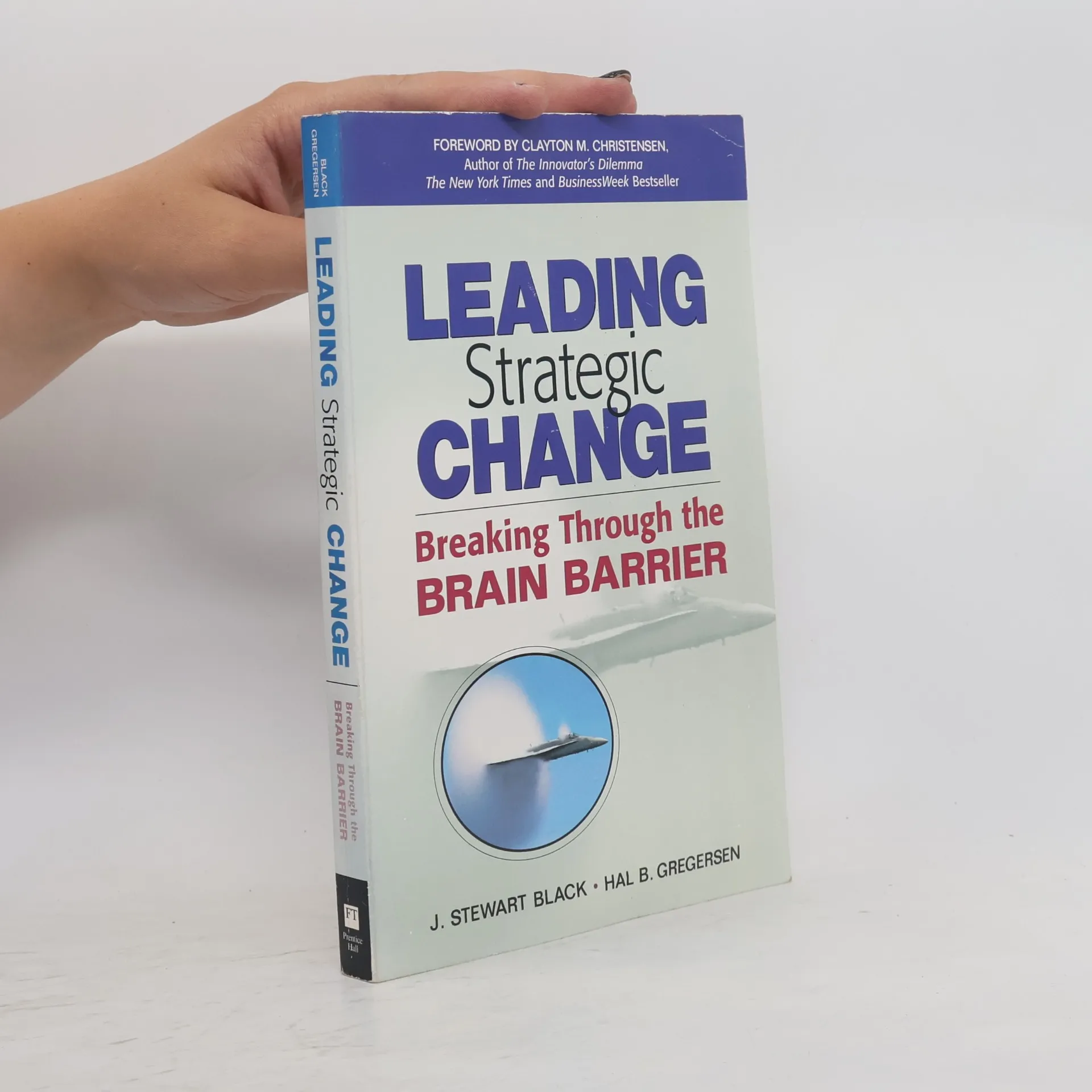
Of organizations that seek strategic change, 70% fail. In Leading Strategic Change,now in paperback, leading consultants J. Stewart Black and Hal B. Gregersen examine the core organizations fail to change because individuals fail to change. Black and Gregersen identify the "brain barriers" that keep strategic change from success--failure to see, failure to move, and failure to finish--and offer a start-to-finish strategy for helping others change how they view their goals and the steps they must take to achieve them. This book systematically shows you how to implement the single change that makes all the others redirecting individuals' ideas and expectations to be aligned with the new direction of the company.
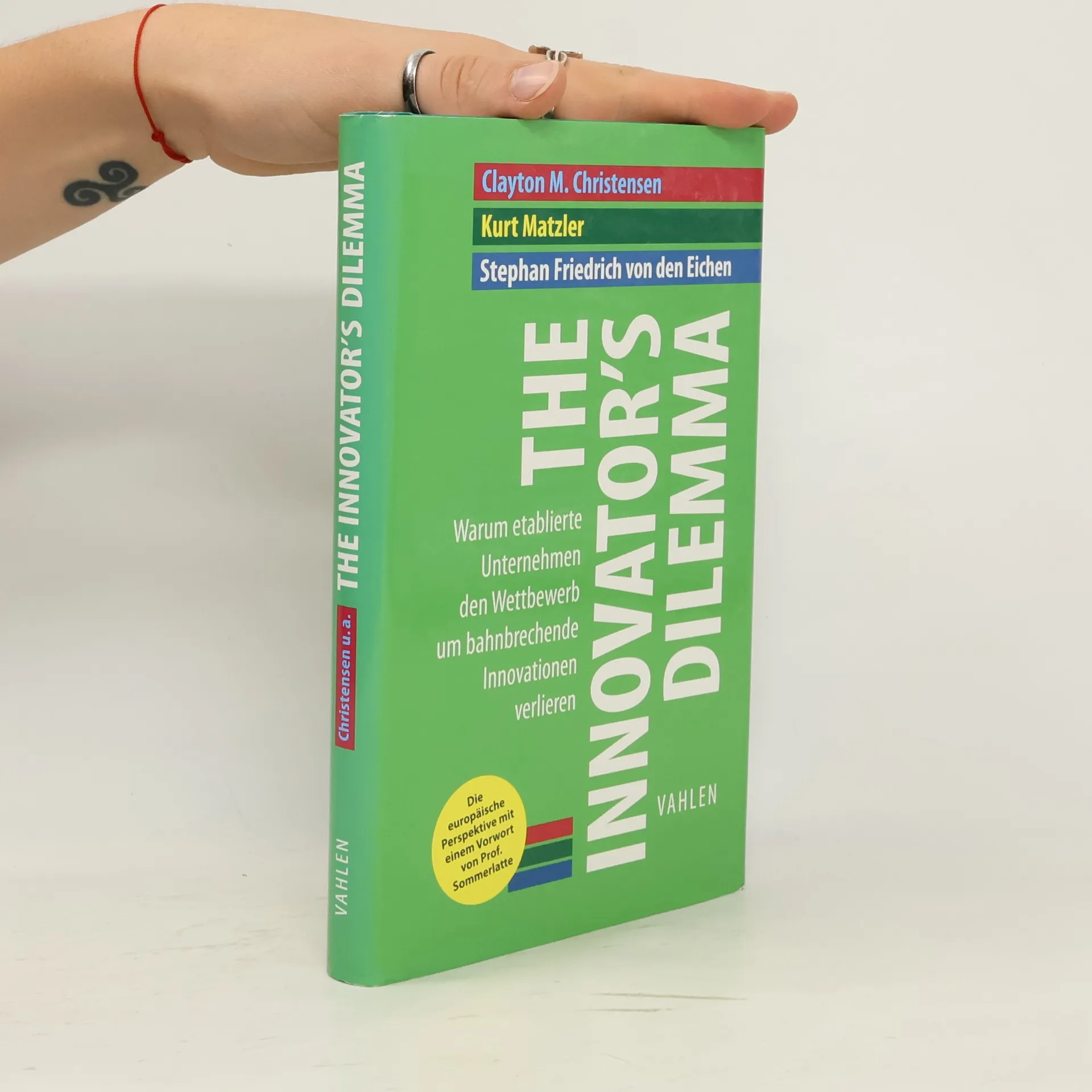
Warum etablierte Unternehmen den Wettbewerb um bahnbrechende Innovationen verlieren
Zum Inhalt Christensens wegweisendes Werk „The Innovator’s Dilemma“ erschien 1997 und zählt heute zu den wichtigsten Managementbüchern überhaupt. Der New York Times Bestseller wurde in über zehn Sprachen übersetzt und erhielt zahlreiche Auszeichnungen. Unternehmen scheitern aus vielen Gründen. Dass führende Unternehmen aber scheitern, weil sie im Grunde alles richtig machen, klingt paradox. Und doch erweisen sich die klassischen Erfolgsfaktoren wie Kunden-, Ertrags- und Wachstumsorientierung bei disruptiven Innovationen als geradezu gefährlich und existenzbedrohend. Anhand von Erfolgen und Fehlschlägen führender Unternehmen präsentiert „The Innovator’s Dilemma“ Regeln für einen gelungenen Umgang mit dem Phänomen bahnbrechender Innovationen. Diese Regeln werden Managern helfen zu entscheiden, wann es sinnvoll ist, sich nicht nach den Kundenwünschen zu richten, in weniger leistungsfähige Produkte mit geringeren Margen zu investieren oder in noch kleine, aber wachstumsstarke Marktsegmente zu stoßen. Das Buch zeigt die „Unlogik“ von disruptiven Innovationen auf und will zugleich Orientierung stiften, um Unternehmen – den etablierten wie den jungen – den Weg zum wirklich Neuen zu ebnen. „Die Beschäftigung mit Christensens Ideen ist für Praktiker wie Wissenschaftler gleichermaßen gewinnbringend.“ FAZ vom 27.12.2011