Tichý / ティッシー
- 178 Seiten
- 7 Lesestunden


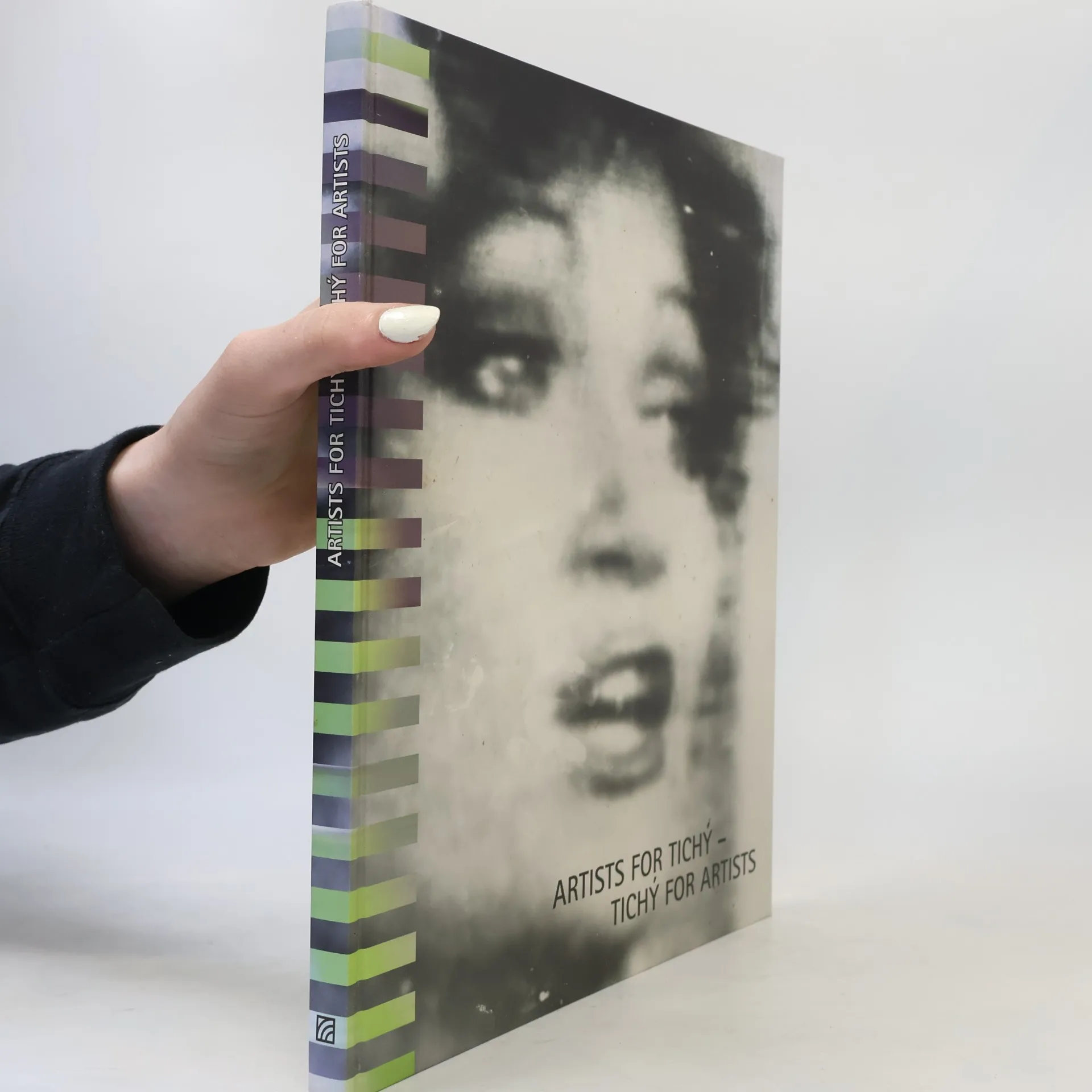

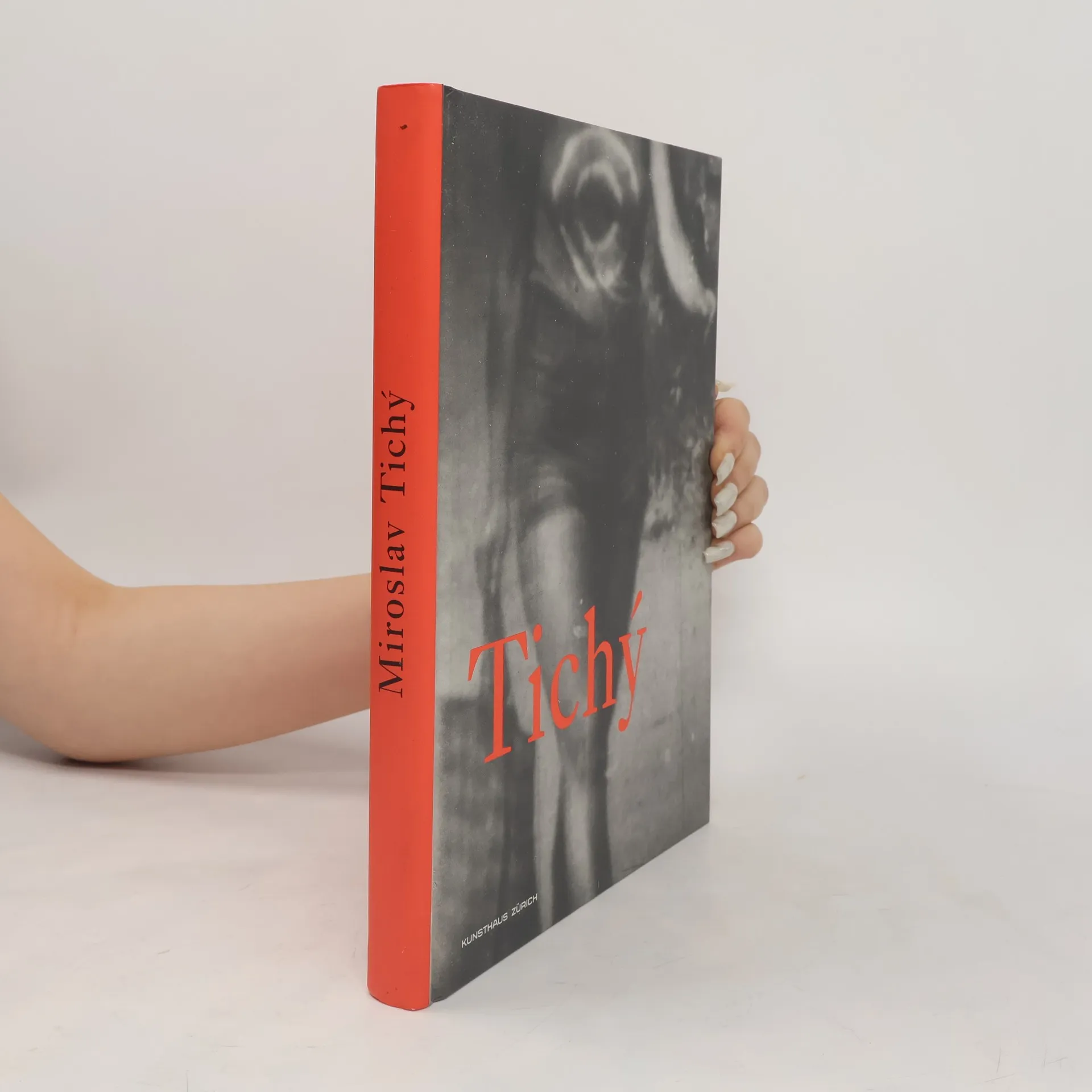
Miroslav Tichy, born in a small Czech village in 1926, was a trained artist with a background in painting and drawing and a 30-year career as photographer (specializing in unauthorized, low-grade pictures of local women--on the streets or in the pool--made with jury-rigged cameras of his own design) when he abruptly ended his artistic production in 1990. Since then, he has avoided the public eye and generally refused to sell his artworks. In this volume, more than 30 contemporary artists contribute works in response to Tichy's: among them we find photographs of alpine snowboarders by Walter Niedermayr, an erotic drawing by Arnulf Rainer, an enigmatic sculptural work and a drawing of a gallerist standing on an artist's head by Erwin Wurm, a hand-drawn score by Michael Nyman, collaged works by Jonathan Meese, a large round acrylic painting by Katharina Grosse, a Surrealistic photo series by Anna and Bernhard Blume, a kittenish diptych by Fischli and Weiss and sundry dark and mysterious works by Thomas Ruff, Andro Wekua and others. The original Tichy images featured here are gorgeous, enigmatic and erotic, and are accompanied by portraits of the artist and his fascinating DIY cameras.
Die Geschichte des tschechischen Fotografen Miroslav Tichý ist sowohl erstaunlich als auch fesselnd. Mit selbstgebauten Kameras aus Pappe und Klebeband nahm Tichý in den 1960er und 70er Jahren mehrere tausend Bilder von den Frauen seiner Heimatstadt Kyjov in Mähren auf. Diese Aufnahmen zeigen Frauen in ihrem Alltag und verwandeln gewöhnliche Momente von Arbeit und Freizeit in kleine Epiphanien. Seine verschwommenen und schiefen Fotografien besitzen eine auffällige Zeitgenossenschaft und erinnern an die frühen Gemälde von Gerhard Richter oder die Fotografien von Sigmar Polke. Unvollkommen gedruckt und absichtlich beschädigt, vermitteln sie ein überraschendes retrogrades oder sogar antimodernistisches Gefühl. Im Kontext der kalten Kriegsatmosphäre in der Provinz Tschechoslowakei, kurz vor und nach dem liberalisierenden Moment des Prager Frühlings (1968), stellen sie eine Art indirekte politische Provokation dar, eine provokante Antwort auf den progressiven realistischen Perfektionismus der offiziellen sowjetischen Kultur.