

Offers techniques for achieing math competence and demonstrates the importance and application of math skills in business
Sheila Tobias Bücher
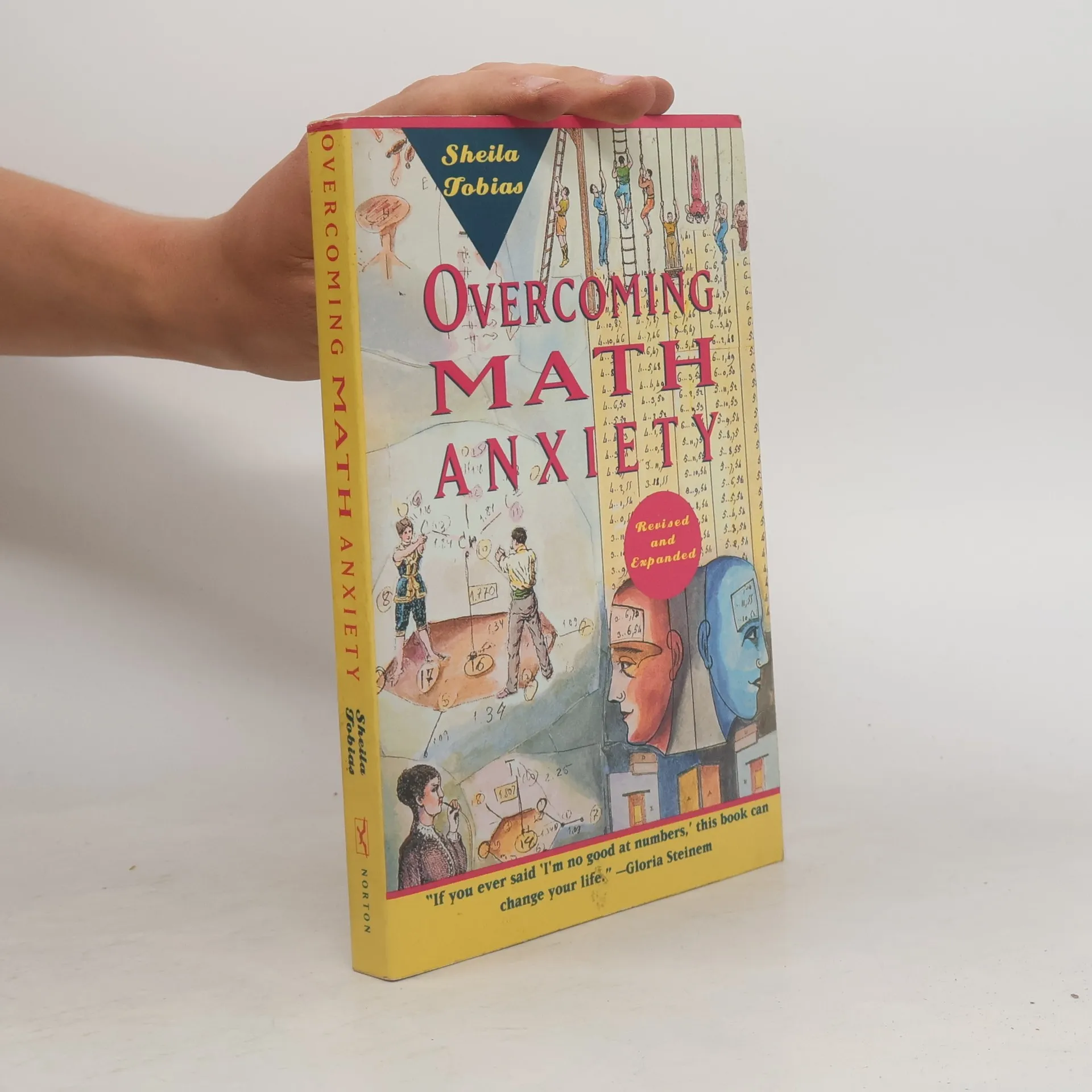
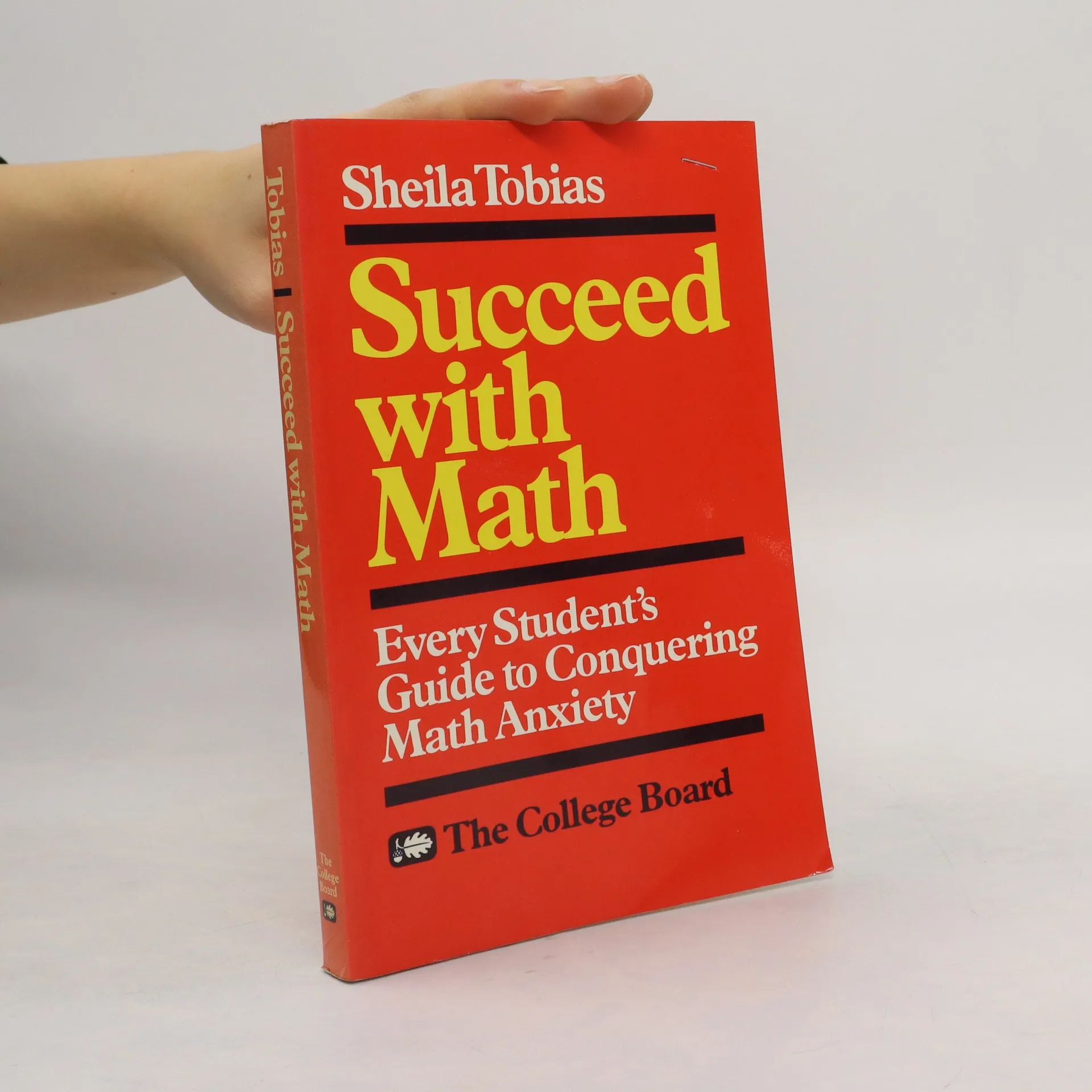
Sheila Tobias said it first: mathematics avoidance is not a failure of intellect, but a failure of nerve. When this book was first published in 1978, Tobias's political and psychological analysis brought hope and made "math anxiety" a household expression. The new edition retains the author's pungent analysis of what makes math "hard" for otherwise successful people and how women, more than men, become victims of a gendered view of math. It has been substantially updated to incorporate new research on what we know and don't know about "sex differences" in brain organization and function, and it has been enlarged to include problems, puzzles, and strategies tried out in hundreds of math anxiety workshops Tobias and her colleagues have sponsored.What remains unchanged is the author's politics. She sees "math anxiety" as a political issue. So long as people themselves to be disabled in mathematics and do not rise up and confront the social and pedagogical origins of their disabilities, they will be denied "math mental health." Tobias defines this as "the willingness to learn the math you need when you need it." In an ever more technical society, having that willingness can make the difference between high and low self-esteem, failure and success.
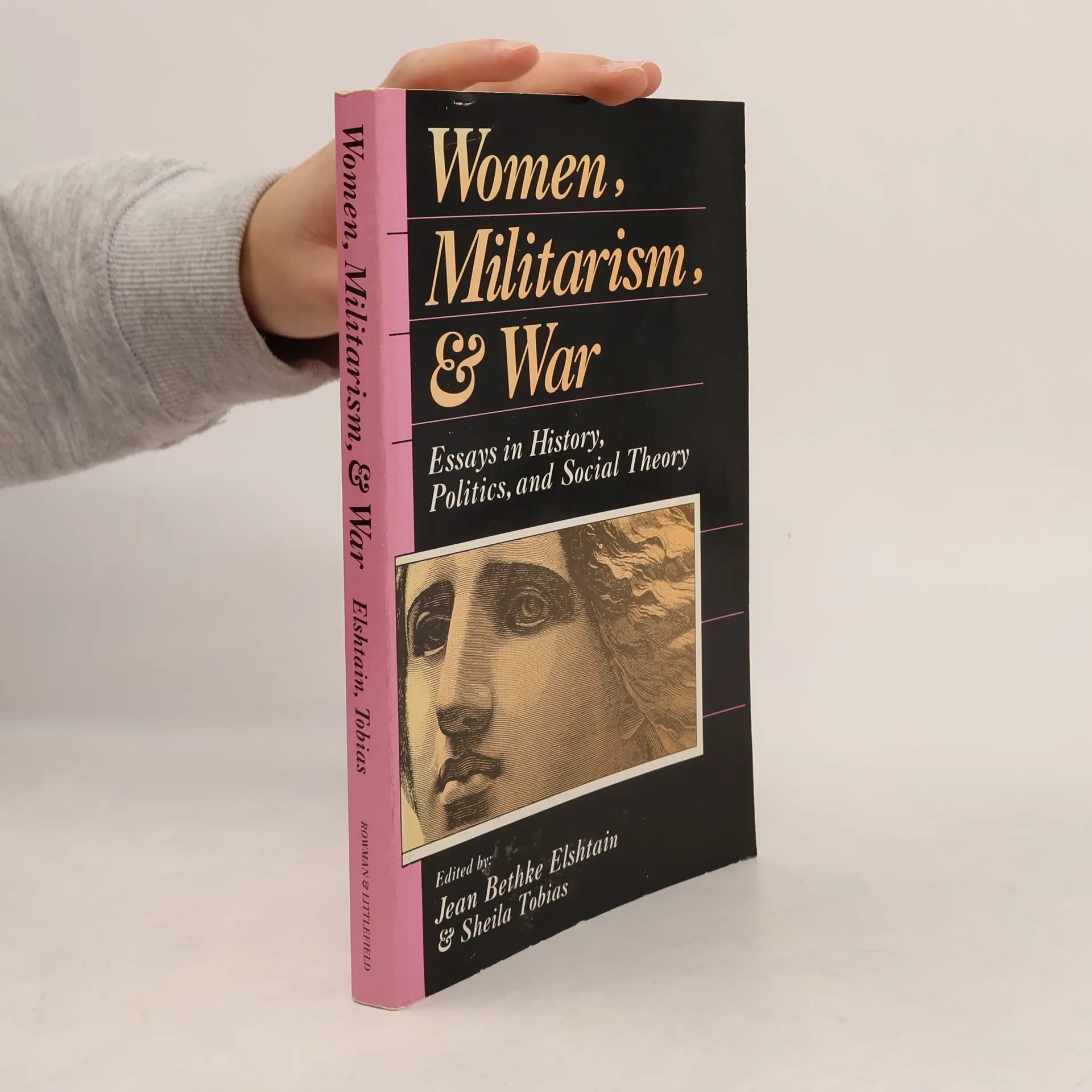
This valuable collection examines closely the construction of male and female identity around the theme of collective violence. Why did such violence get "moralized" for men in the case of warfare-but not for women? Women, Militarism and War presents alternatives to both "business as usual" thinking and excessively utopian or naive feminist accounts. Contributors: Jane Bethke Elshtain, Sheila Tobias, Amy Swerdlow, Carol Cohn, Mary C. Segers, Linda K. Kerber, D'Ann Campbell, Kathleen Jones, Joyce Berkman, Cynthia Enloe, Janet Radcliffe Richards and Sara Ruddick.